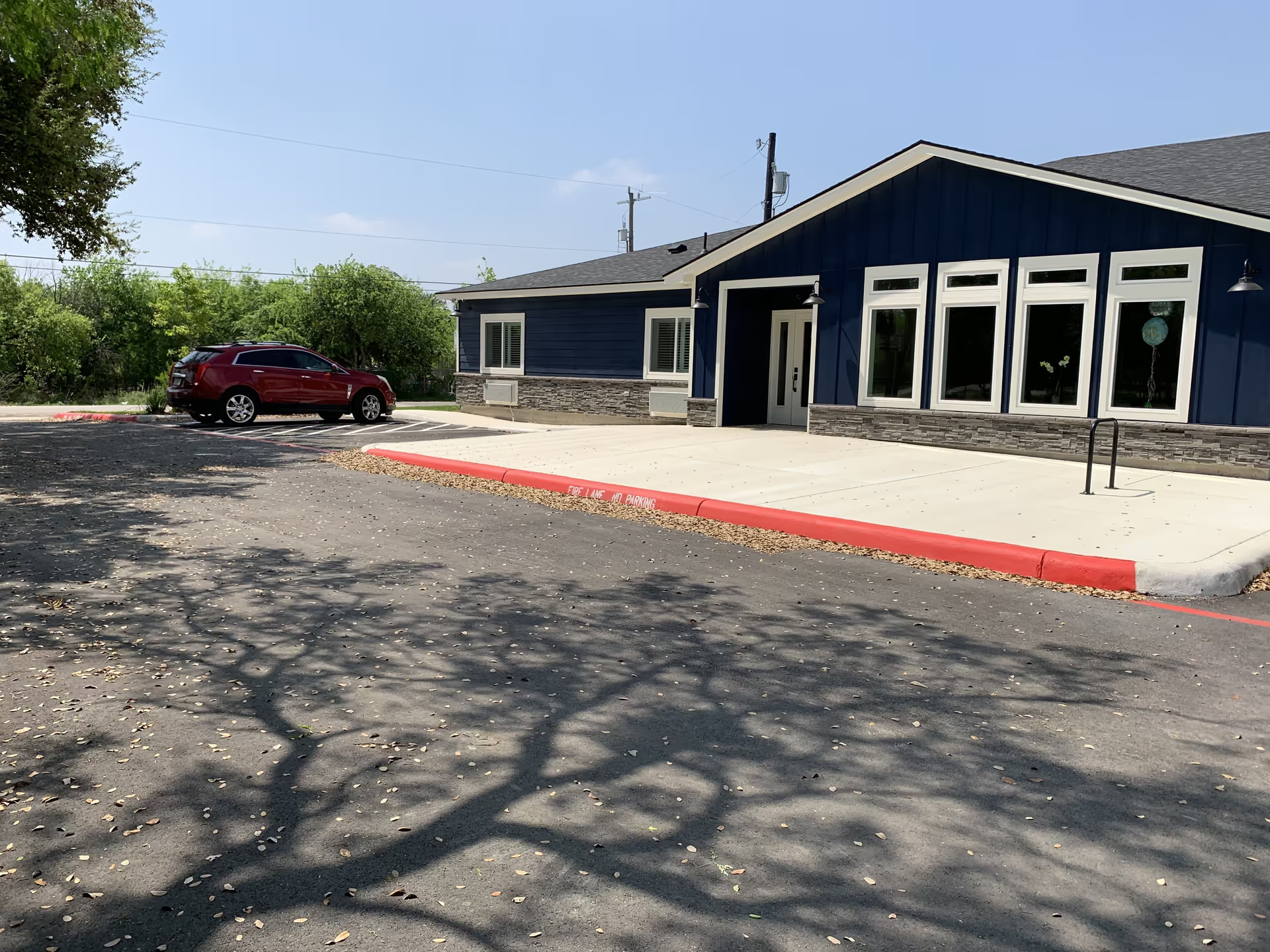
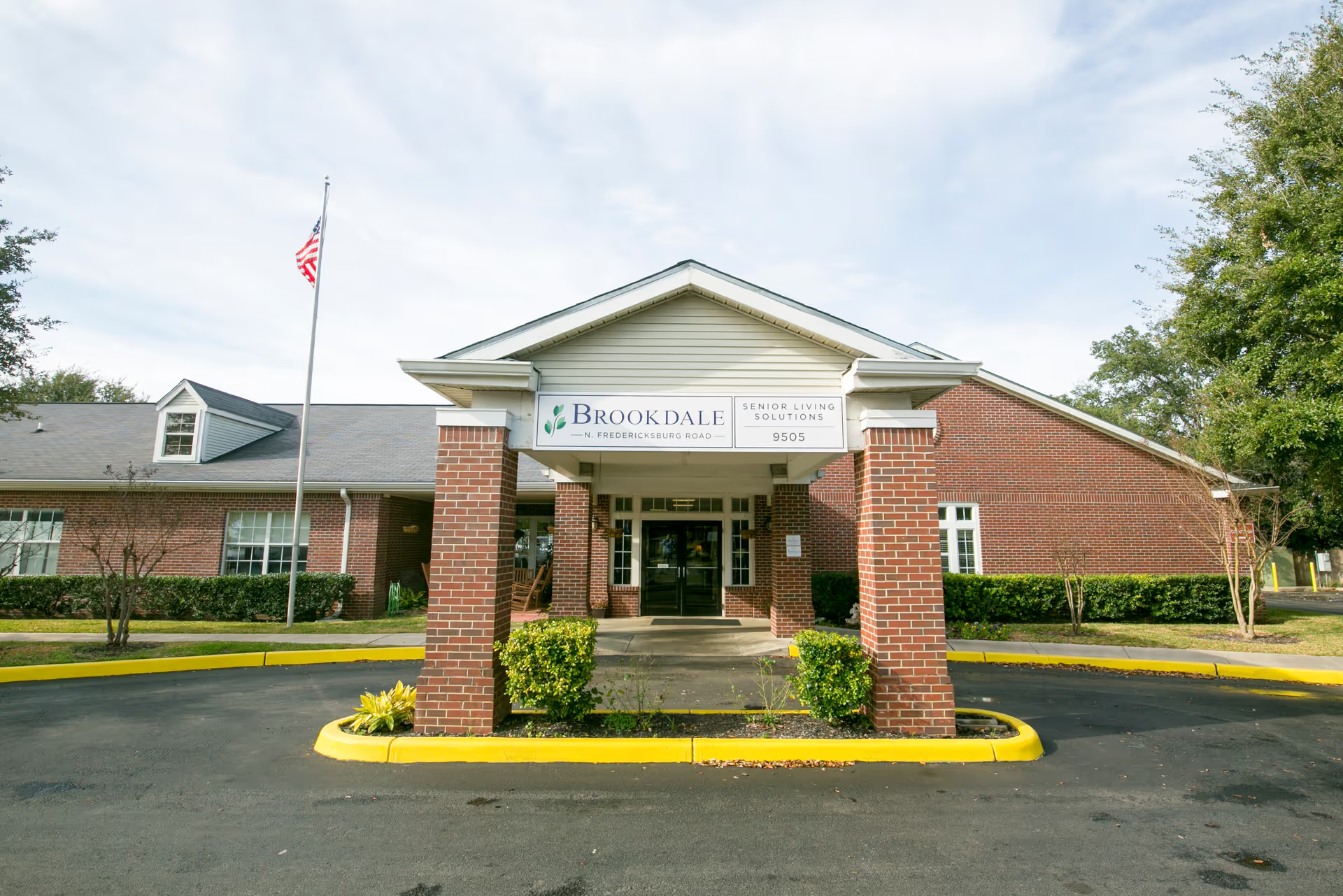
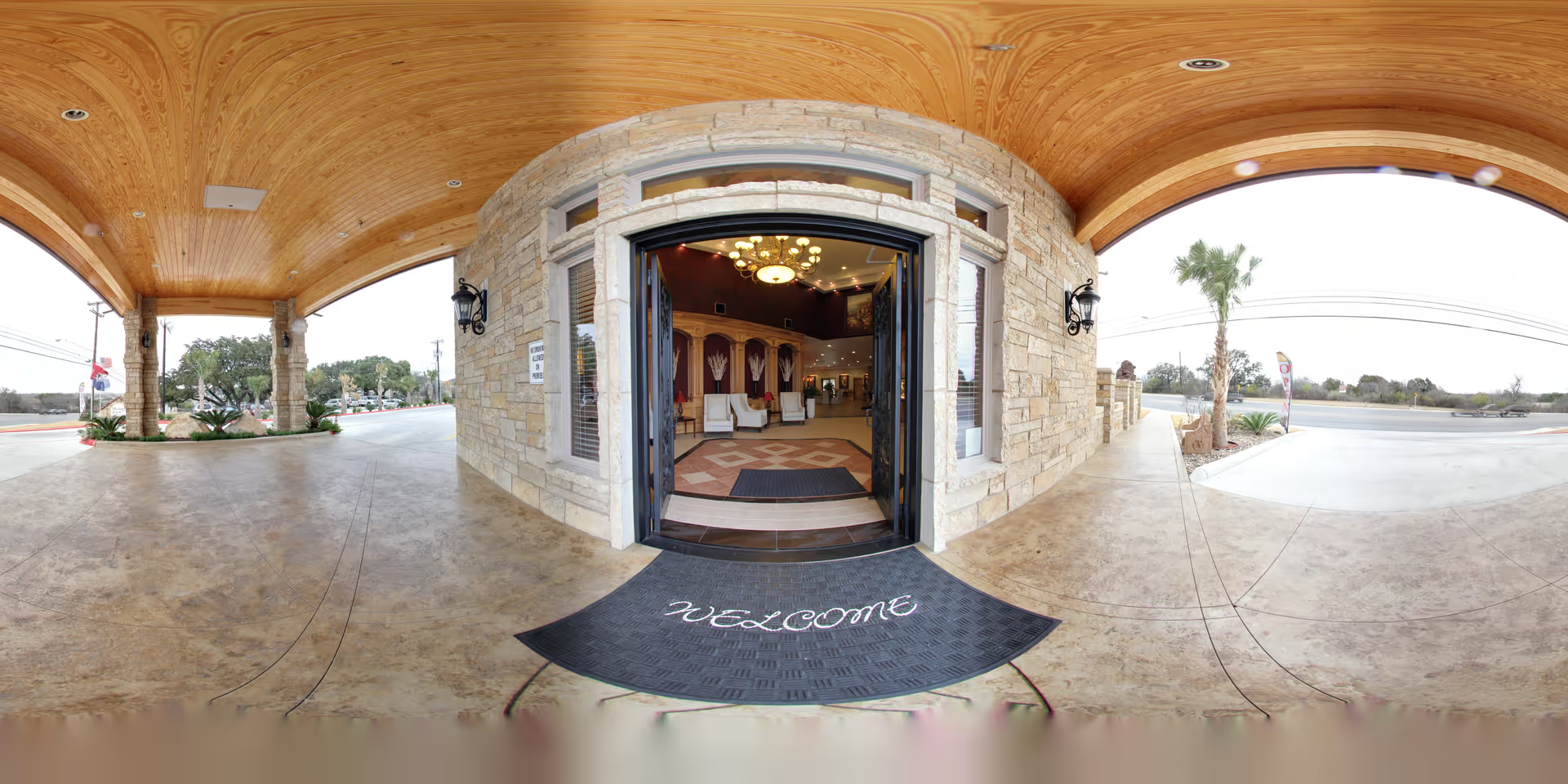
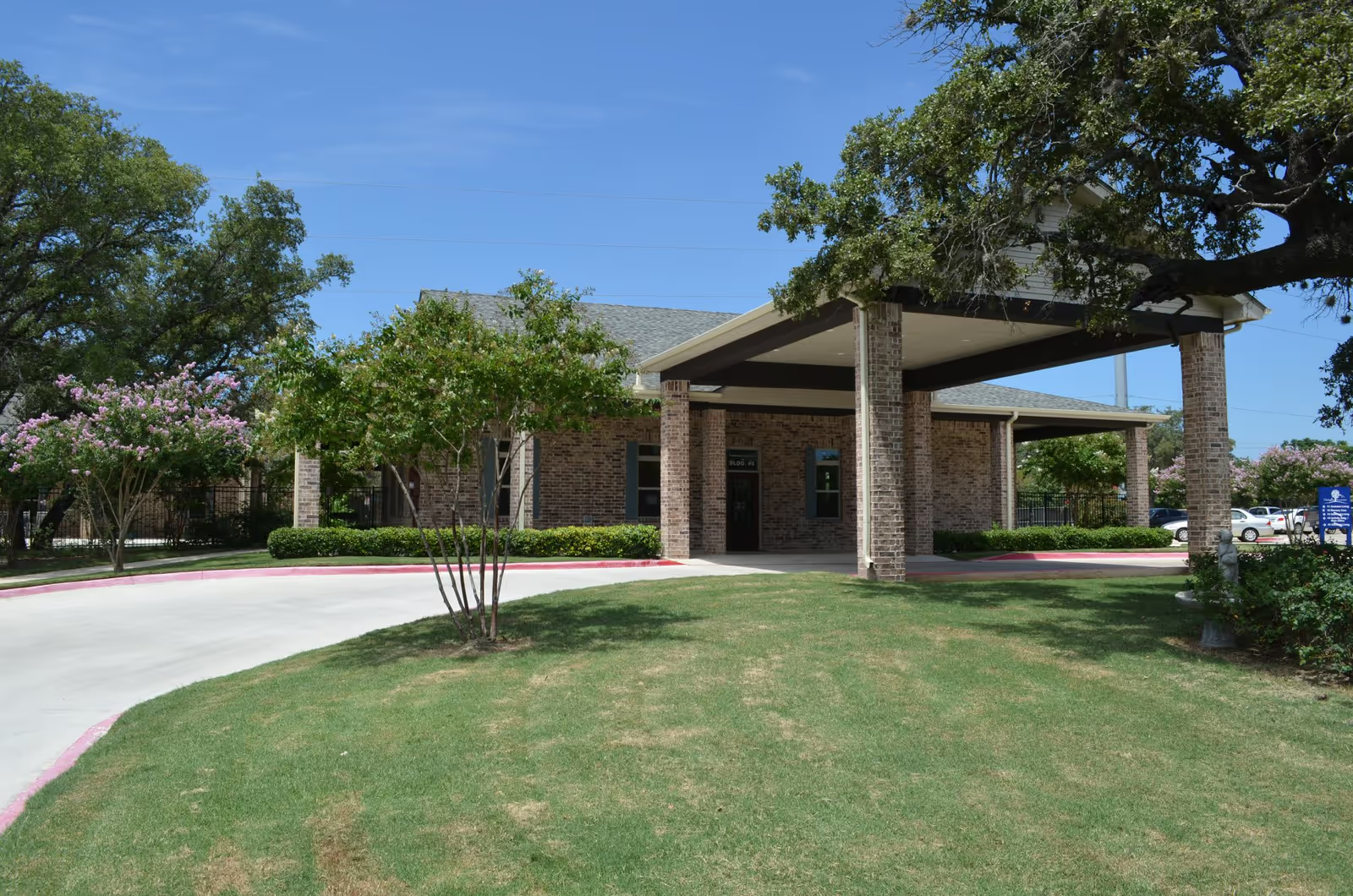
Laurelhurst Assisted Living is consistently described as a small, family-run residential home that emphasizes individualized, home-like care. The facility’s size — often noted as a maximum of six residents — supports close caregiver–resident relationships and a family atmosphere. Reviewers commonly cite compassionate caregiving, professional nursing oversight, and steady resident contentment as core strengths. Cleanliness and an odor-free interior are repeatedly emphasized, contributing to an overall impression of a well-maintained environment.
Clinical care and staff interactions are presented as strengths. Families highlight professional nursing involvement, medication monitoring, and regular health updates. Named caregivers and owners are frequently described as warm, communicative, and responsive; management participation in day-to-day operations is framed as enhancing continuity and trust. A small number of commenters referenced resolved issues around prescriptions or medication coordination, which suggests occasional gaps in pharmacy or medication-administration workflows rather than persistent clinical neglect.
Dining and daily life are centered on homemade, nutritious meals and family-style dining. Freshly prepared meals served three times a day, along with a calm, cheery dining atmosphere, are common themes. Social interaction and intergenerational contact (children present in the home) are noted as positive elements that contribute to resident well-being. Enrichment opportunities are described as modest but meaningful, consistent with the facility’s small, residential model.
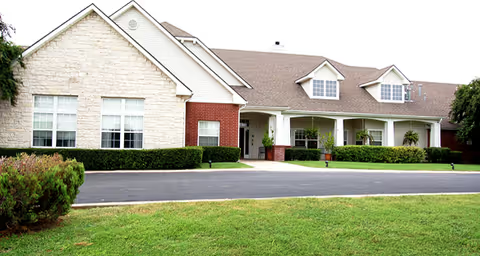
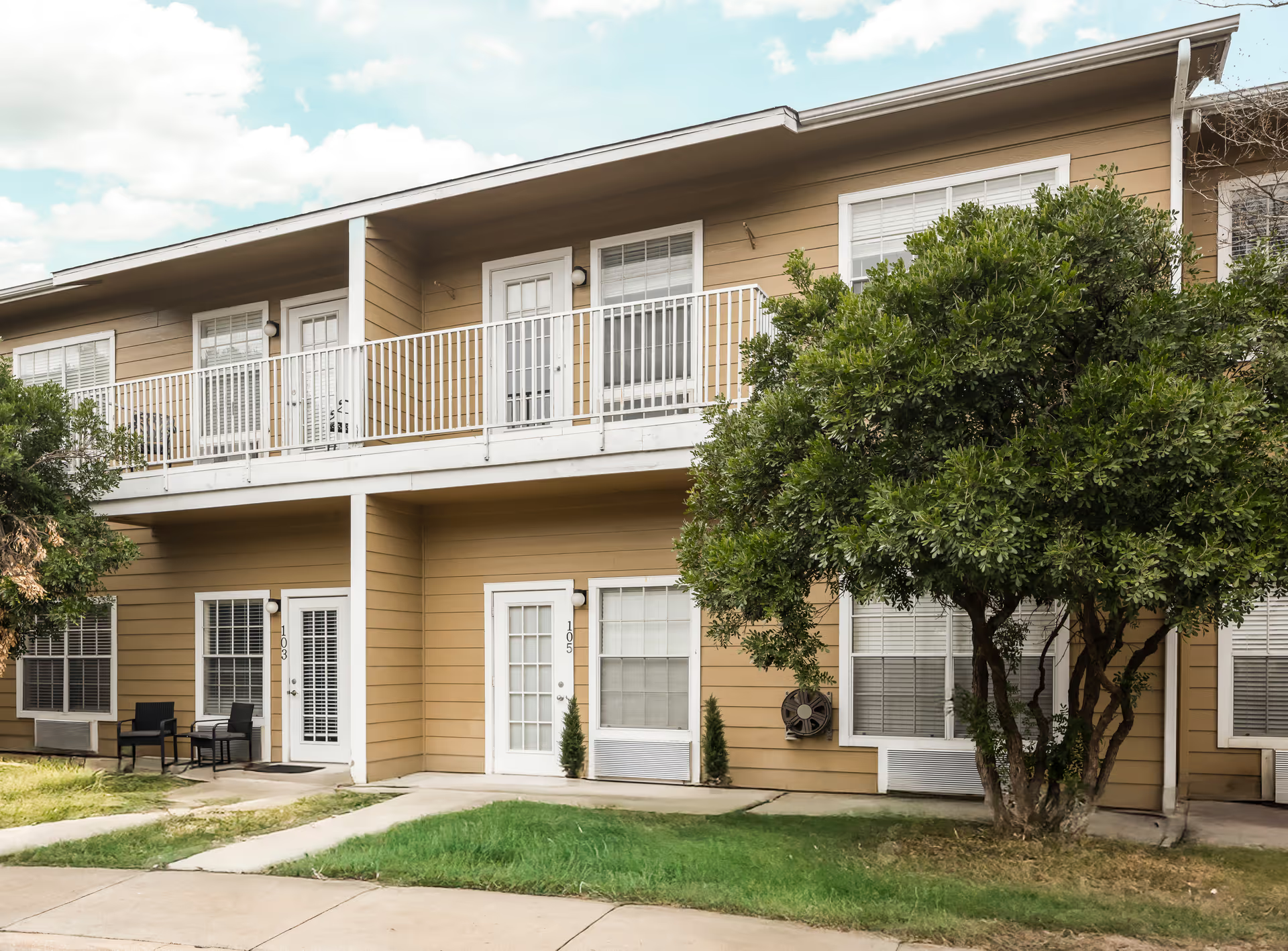
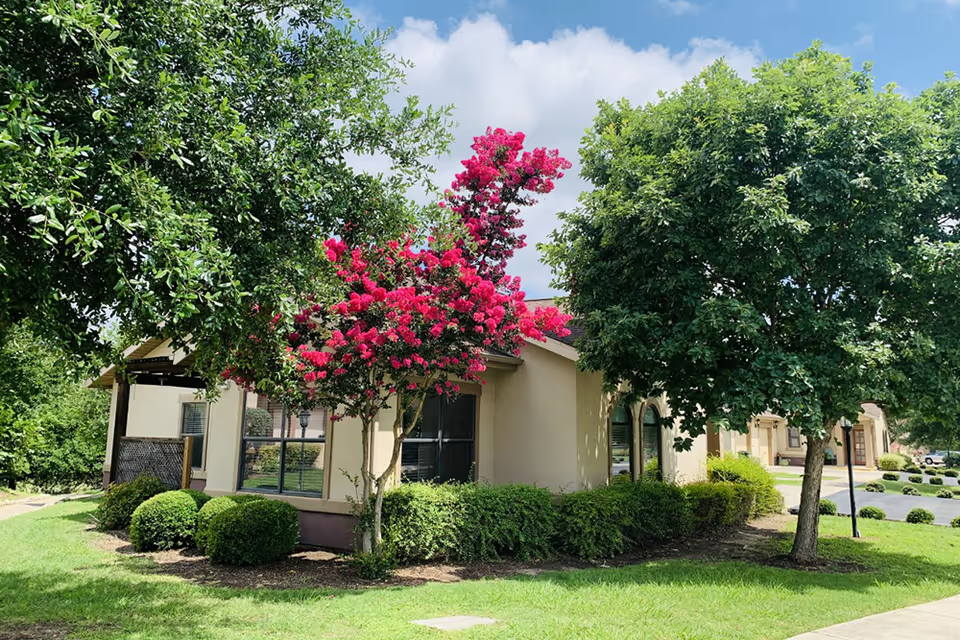
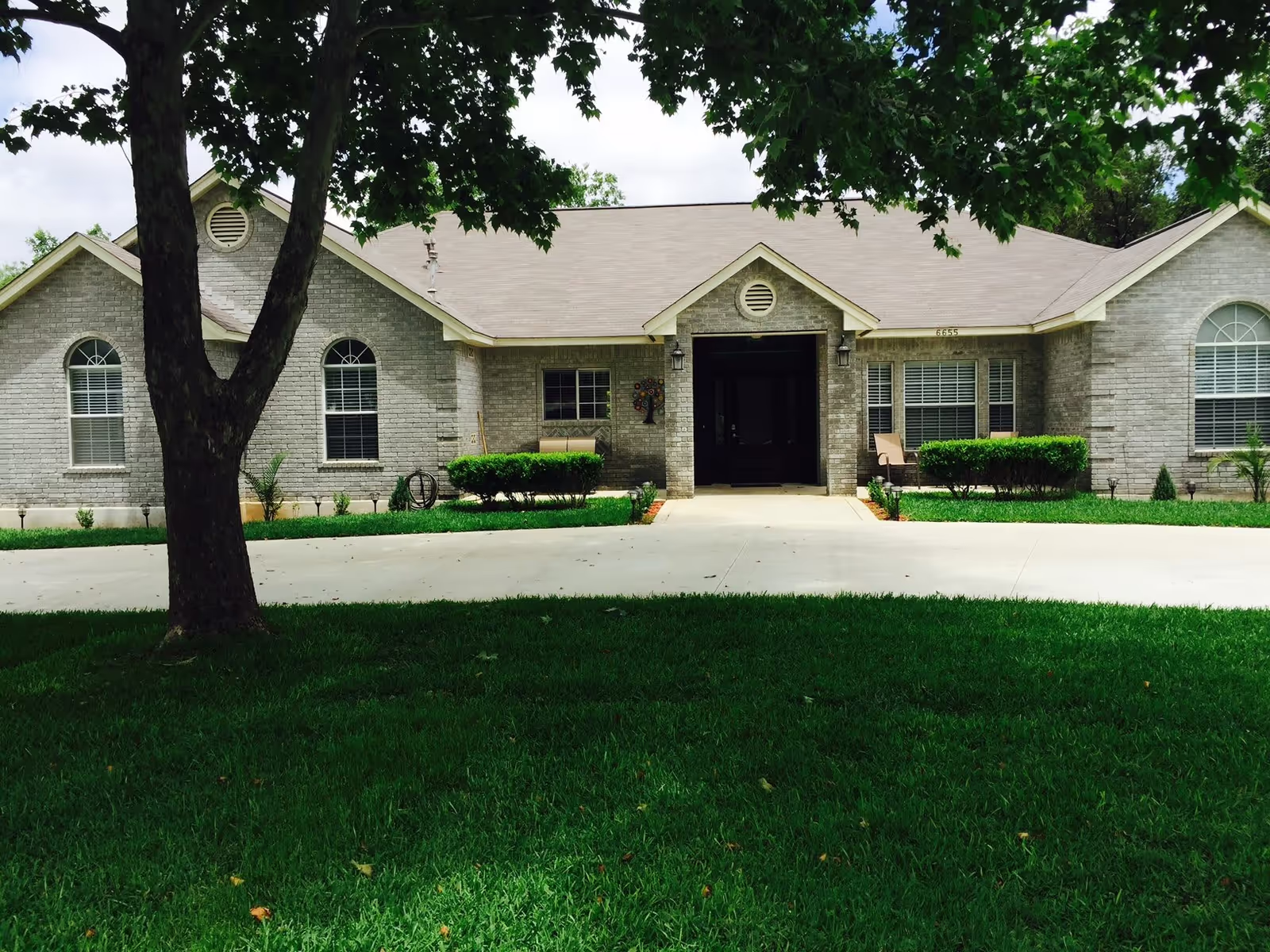
The physical environment receives strong praise. Private bedrooms are described as spacious and bright, common areas and porches comfortable, and outdoor spaces—manicured gardens, shaded decks, and backyard trails—are highlighted as valuable for wellbeing and leisure. The property’s upkeep and landscaping are repeatedly noted, reinforcing the perception of a peaceful, country-like setting.
Limitations reflect the trade-offs of a small, boutique operation. Private-room availability can be constrained, and some families found shared-room options limited in space. The facility’s capacity and scale may also limit access to specialized clinical programs or high-acuity services that larger institutions provide. Pricing is described by some families as on the higher end relative to alternatives, which may affect affordability for certain households.
Overall, Laurelhurst presents as a high-touch, well-kept assisted living option that prioritizes individualized care, a home-like environment, and strong family communication. Prospective residents and families who value small-scale, personalized care and attractive outdoor amenities are likely to find this facility a good fit; those who require more extensive specialized clinical services, guaranteed private-room availability, or lower-cost options should weigh these structural limitations when evaluating suitability.