OneStone Oak Senior Living is described consistently as a small, family-operated assisted living community with an intimate scale (roughly 15 beds) and a strong emphasis on individualized, dignity-preserving care. Families and visitors emphasize a high caregiver-to-resident ratio, low staff turnover, and round-the-clock attentiveness. Reviewers attribute improved clinical and functional outcomes — for example appetite and weight changes and mobility gains — to the facility's one-on-one approach and proactive clinical coordination.
Care quality is characterized by consistent medication administration, routine vitals monitoring, timely attention to personal-care needs, and coordinated transitions with hospitals, pharmacies, and hospice providers. Several accounts highlight strong hospice support and end-of-life coordination. Communication with families is frequently noted as timely and detailed: managers and care staff provide updates, involve families in care decisions, and maintain a partnership approach to care planning.
Staff and management receive repeated praise for professionalism, empathy, and responsiveness. The presence of on-site owners and experienced caregivers is cited as a contributing factor to a family-like atmosphere and accessible leadership. Teamwork and respect among staff are recurrent themes, and specific caregiving staff are repeatedly named for their competence and compassion.
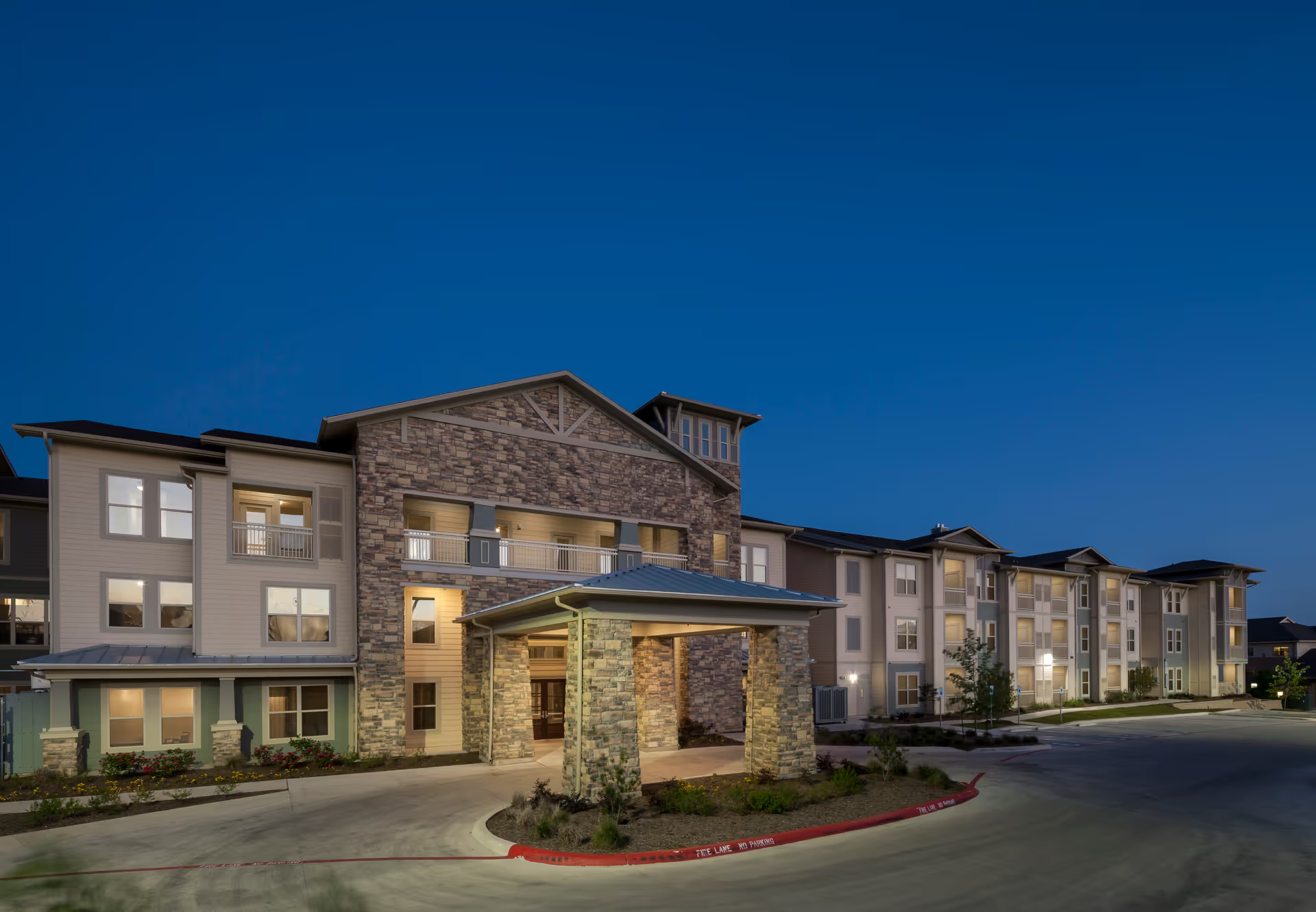
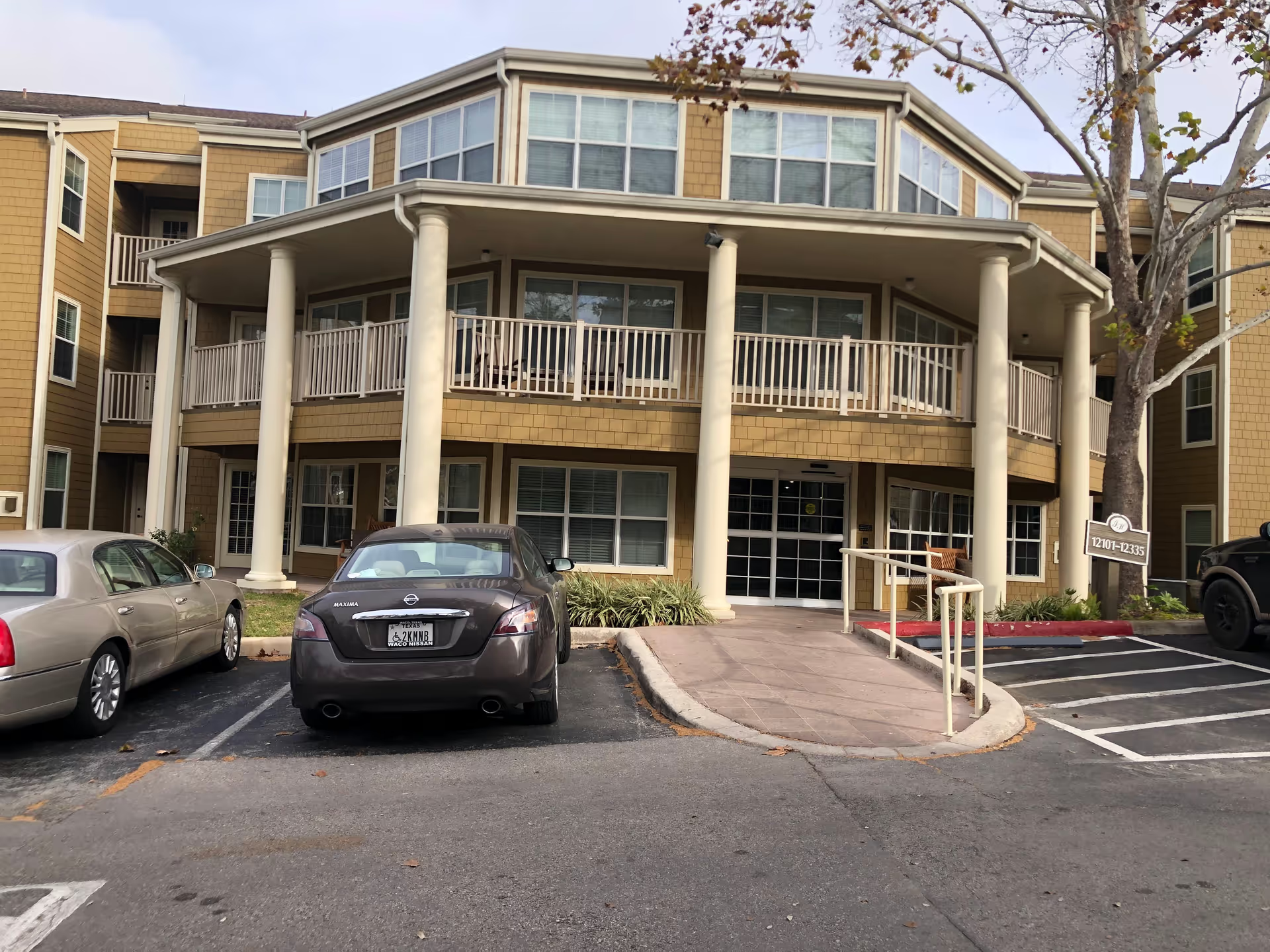
Dining and activities are presented as strengths: residents receive home-cooked, nutritious meals that reviewers link to improved eating and weight gain. The community organizes daily activities, social programming, and entertainment intended to keep residents engaged and mentally active. The facility layout includes bright common spaces, a central meeting area, and outdoor patio/porch and landscaped grounds that support socialization and outdoor access.
The physical environment is described as clean, well-maintained, and welcoming. Reviews emphasize spotless facilities, odor-free spaces, and comfortable, home-like common areas. Families report feeling reassured about safety and sanitation, and note occasional services provided to visiting family members (for example meals).
Limitations to consider: the community's small size is an operational trait that brings both advantages (personalization, close oversight) and constraints. Limited bed capacity may affect availability and scalability for families seeking immediate placement or longer-term transitions. The facility appears optimized for assisted living and rehabilitative goals within a boutique setting; reviewers do not describe extensive on-site specialty medical services, so individuals with very high-acuity or complex specialty-care needs may require additional external services. Because oversight and culture are closely tied to on-site owners and a small staff, continuity could be influenced by owner or key-staff availability.
Overall, OneStone Oak is consistently portrayed as a highly attentive, family-centered assisted living option that emphasizes personalized care, cleanliness, good nutrition, active programming, and close family communication. Prospective residents and families should weigh the benefits of its small-community model against capacity limits and the potential need for outside specialty medical services if higher-acuity care is anticipated.