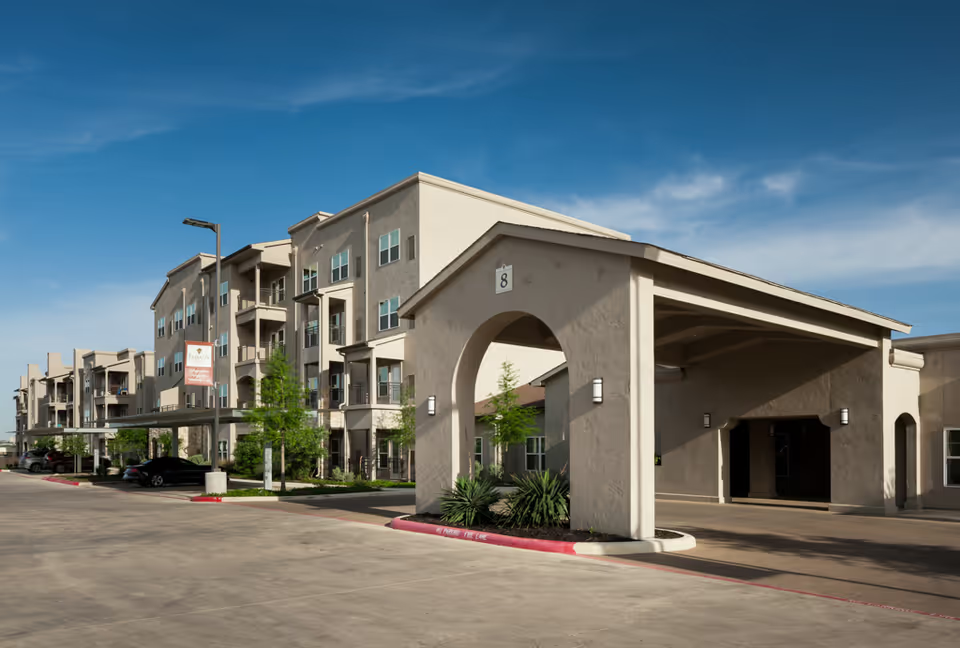
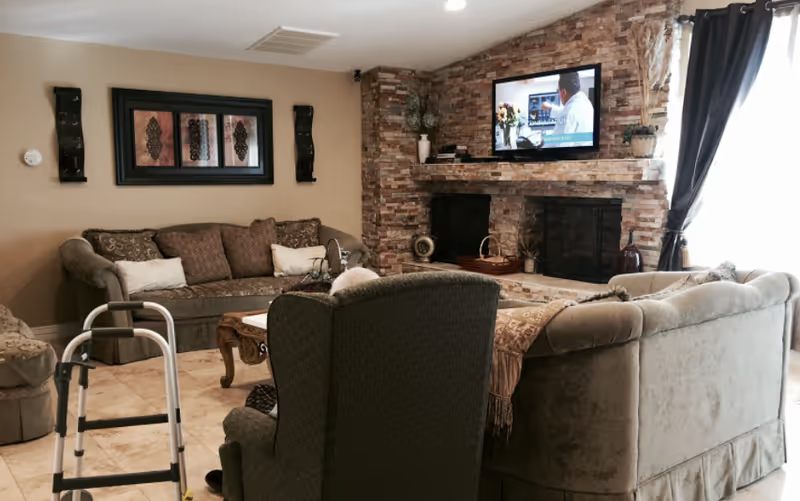
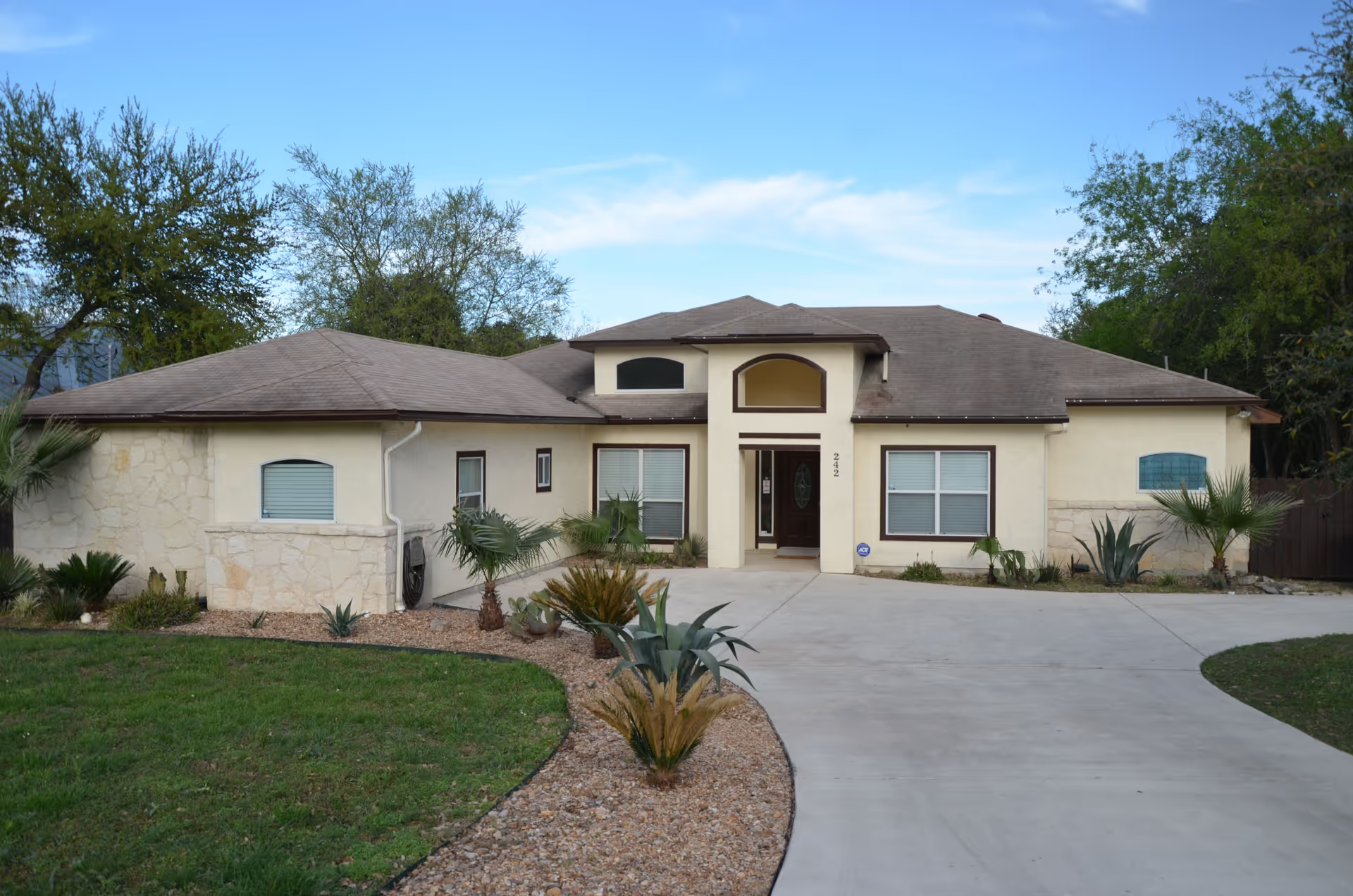
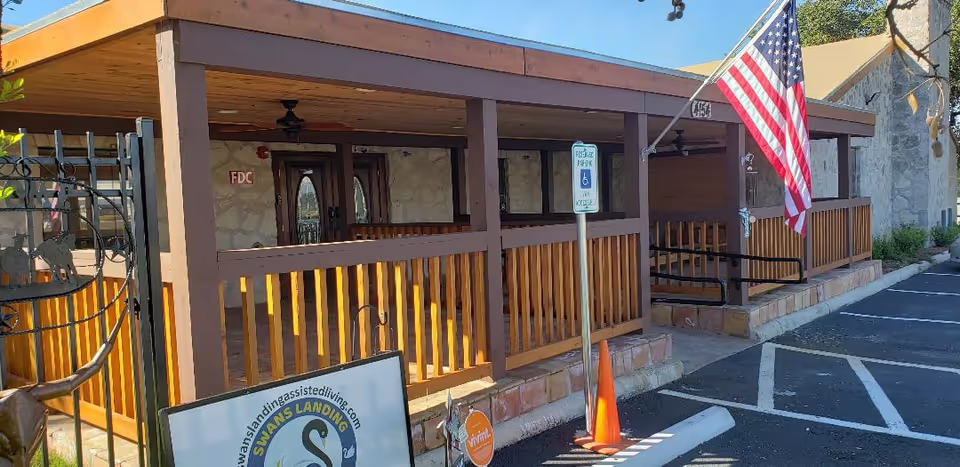
River City Care Center elicits a bifurcated picture: the physical plant and many core services are repeatedly described as significantly improved, while operational inconsistencies persist. Multiple accounts highlight a recently remodeled, bright, and clean interior with attractive decor, updated therapy equipment, new TV/communication services, and well-maintained outdoor areas. Families and residents frequently praise therapists, discharge coordinators, and administration for facilitating recoveries, coordinating transitions home, and supporting visits and technology-enabled communication.
Care and frontline staff receive largely positive notice for compassion and hands-on attention. Numerous reviews identify nurses, CNAs, and therapy staff who provide attentive, family-like support and who contribute to shortened rehabilitation stays and positive outcomes. Administration and some named staff members are described as responsive with effective problem resolution. Activity and social programs — including bingo, outings, and organized events — are also commonly cited as helpful to resident engagement.
At the same time, the facility shows recurring operational weaknesses. Reviewers describe variability in staff conduct and communication tone, and several accounts point to lower staffing quality during particular shifts (notably weekends) and high turnover that appears to affect continuity. Clinical responsiveness is uneven in some reports, with delayed call-button response times and inconsistent personal-care practices such as bathing schedules. Relatedly, there are sanitation and odor concerns noted in certain common areas, which some families linked to incontinence-care delays.
Communication and safety processes are another area of concern. Multiple reviewers cite gaps in timely medical updates to families and unclear incident follow-up; there are also accounts of missing personal belongings and other safety-related events that prompted significant family distress. One reviewer referenced a resident death in the context of care concerns; such serious reports suggest prospective families should review official inspection and complaint records. Additionally, occasional maintenance issues (for example, HVAC outages) and kitchen service inconsistencies (temperature and timing of meals) were described.
Practical considerations for prospective residents and families: the facility’s renovation, therapy resources, activities, and many compassionate staff are clear strengths. However, the variability in staffing, communication, personal-care routines, and incident-management indicates the importance of targeted questions on a tour. Ask about weekend staffing levels and turnover, call-button response metrics, bathing and incontinence-care protocols, belongings-inventory procedures, HVAC and emergency maintenance plans, and how the facility communicates clinical changes to families. Reviewing current Medicare/state inspection reports and speaking directly with recent families can help balance the facility’s notable physical and rehabilitative strengths against the operational issues some families experienced.