Care and staff: Overall feedback emphasizes a strong caregiving culture. Families and visitors frequently describe staff as attentive, compassionate, and willing to go beyond expectations; nursing and rehab teams are often cited as knowledgeable and effective, with several accounts of measurable mobility gains and successful therapy outcomes. Memory-care staffing and training are generally viewed positively, with staff noted for personalized routines, regular checks, and assistance with family communication. At the same time, reviewers raise operational concerns about inconsistent staffing levels and turnover, which some families feel creates variability in day-to-day responsiveness.
Dining and nutrition: Dining experiences are mixed. Many reviewers praised flexible meal delivery, the facility’s responsiveness when a resident is ill, and periods of good food under newer kitchen leadership. Positive comments include special meal accommodations and generally nutritious offerings. Counterbalancing that, there are recurring comments about inconsistent food quality, limited portion sizes for some meals, and occasional substitutions that fall short of expectations. These patterns suggest service variability tied to kitchen staffing and menu oversight.
Activities and social life: The community offers an active calendar with regular events, weekly outings, Bible study, bingo, exercise programs (including Fitbit-based tracking), and salon services. The small-community feel and friendly resident interactions are repeatedly highlighted as strengths that help new residents integrate. However, several families expressed a desire for more variety, more age-appropriate programming, and additional outings; activity availability appears uneven at times and may be affected by staffing or scheduling constraints.
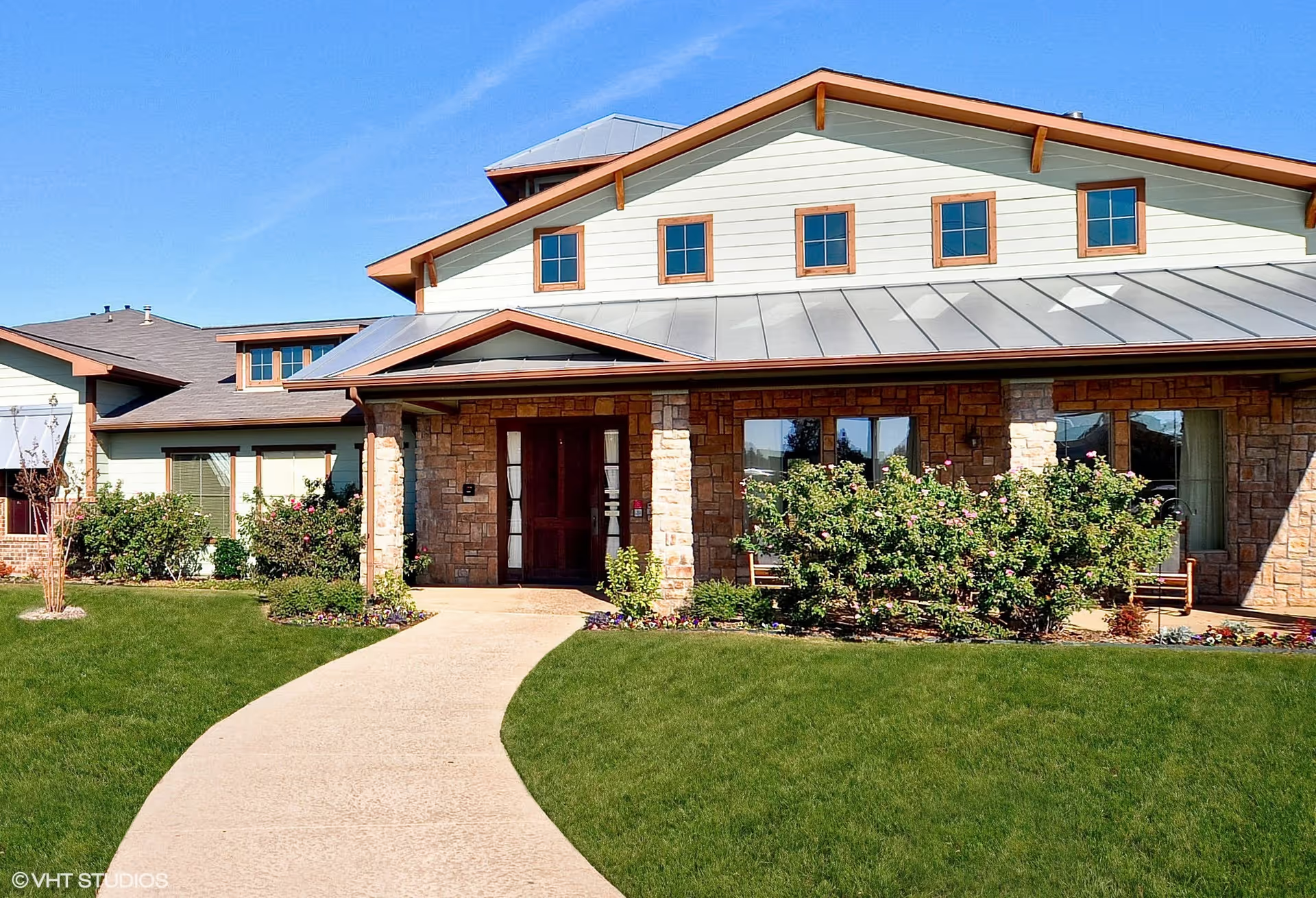
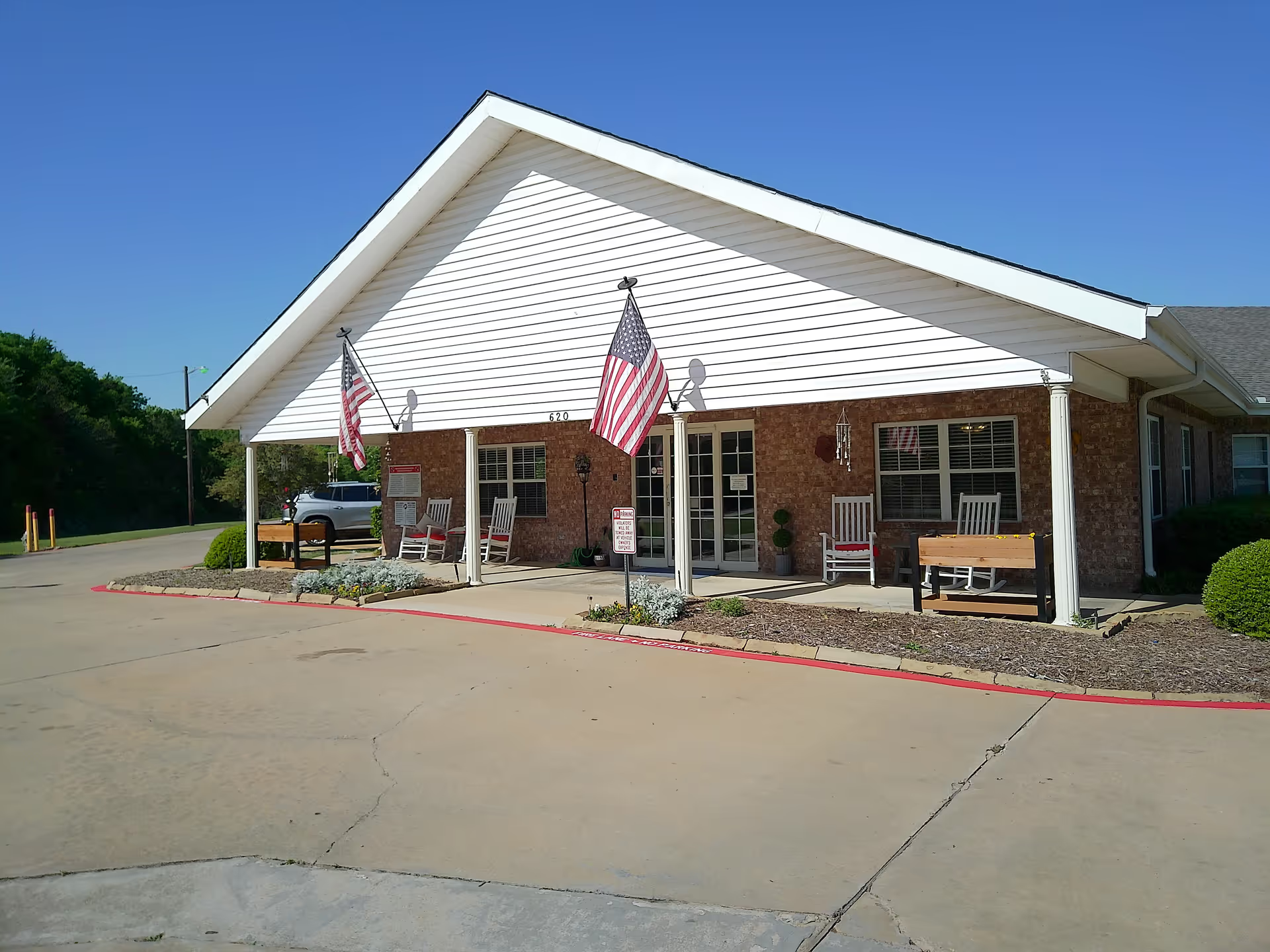
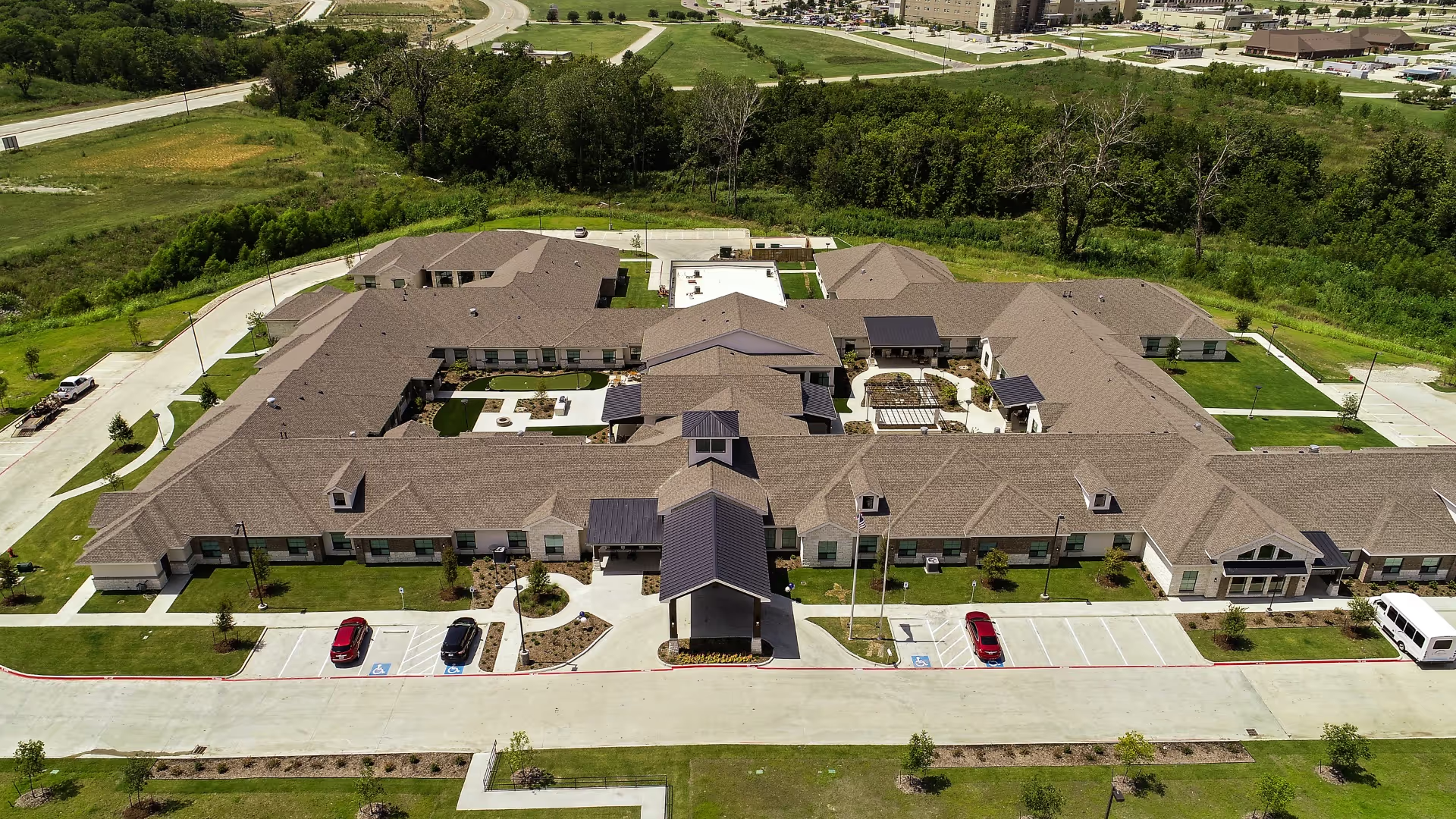
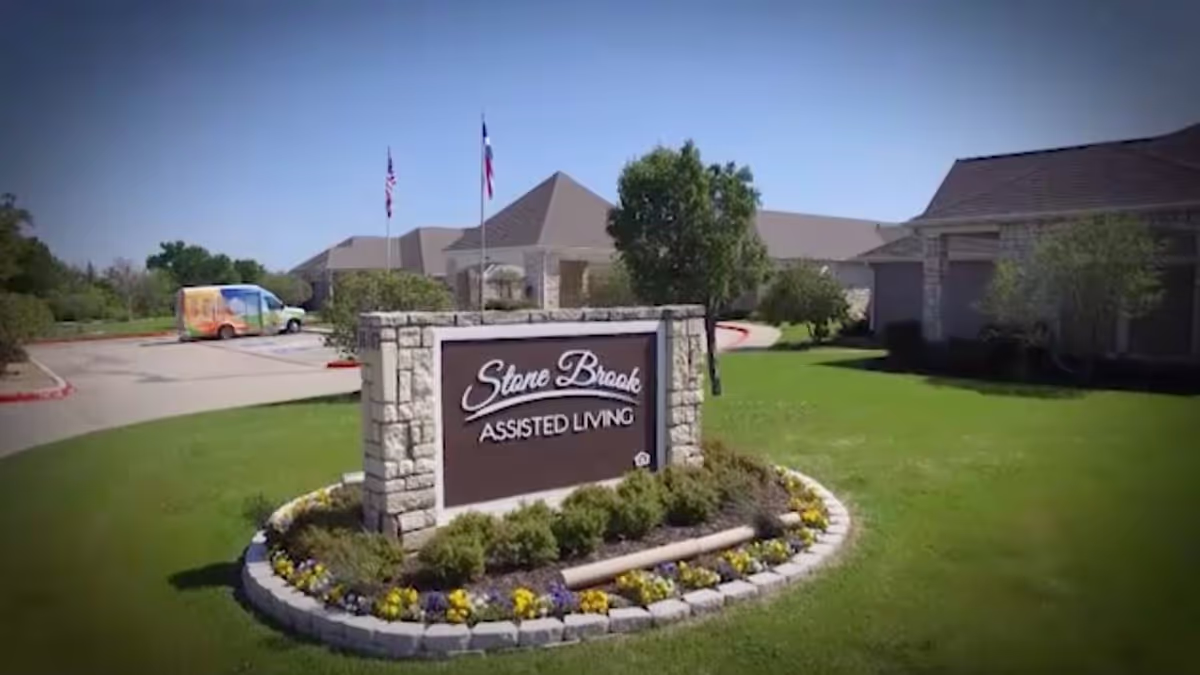
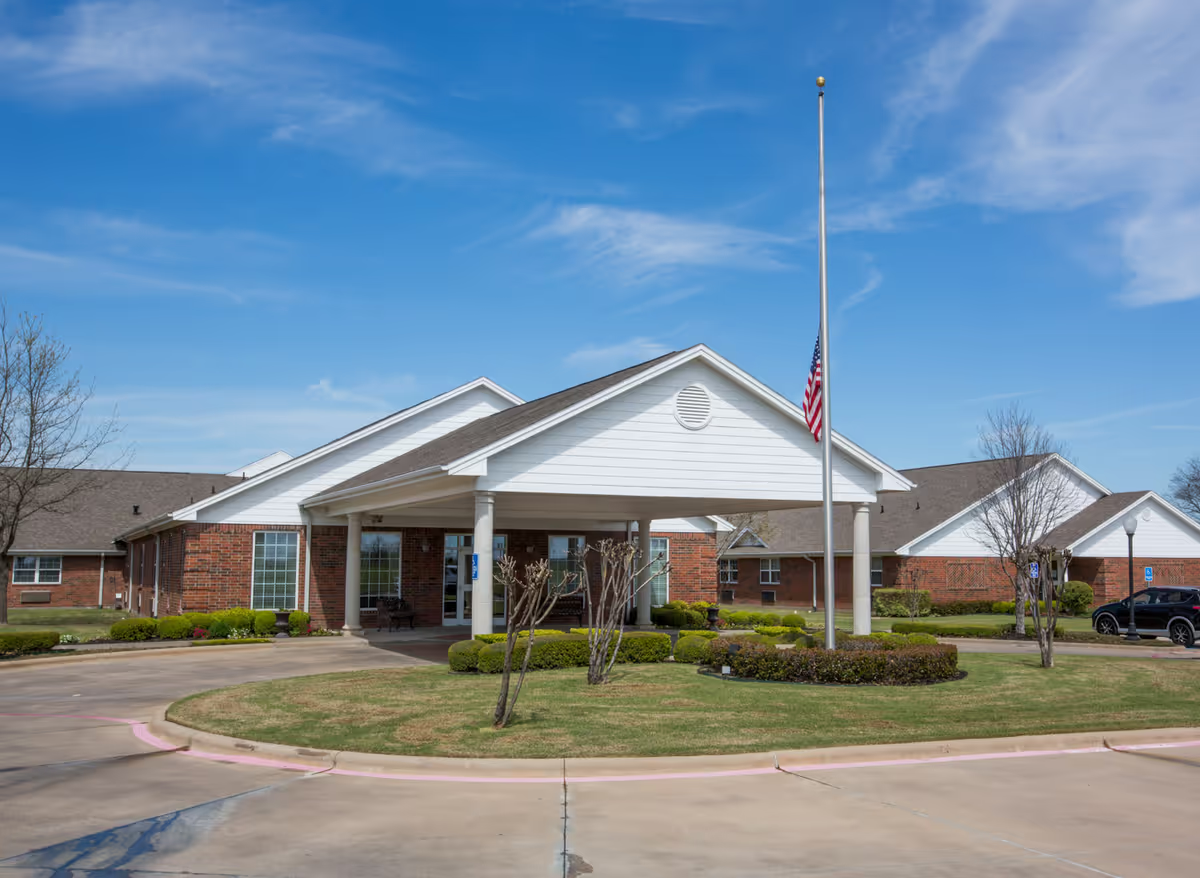
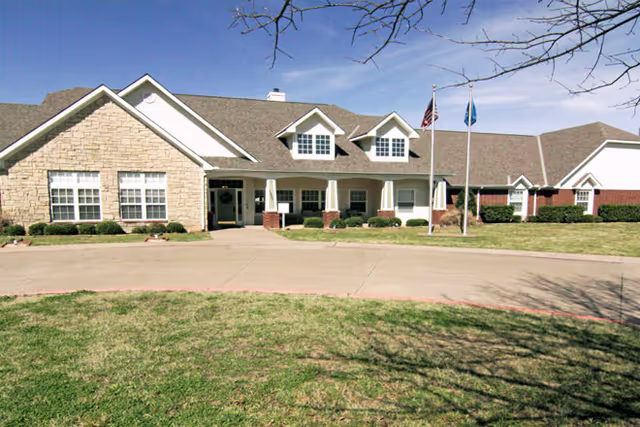
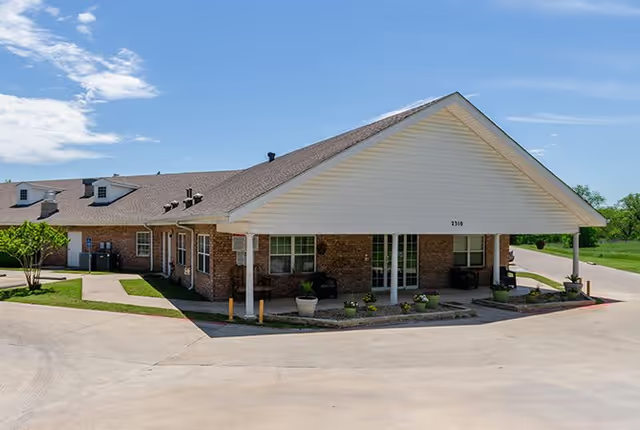
Facilities and amenities: The physical environment is described as clean, bright, and home-like, with private apartments that offer good storage and comfortable common areas. Amenities such as a beauty salon, library, community garden, and accessible parking contribute to a positive impression. Housekeeping standards are generally praised, though a few comments note variability that some families have observed; some improvements were reported after management changes.
Management and operations: Reviewers note strengths in hospital coordination, individualized care plans, and proactive problem resolution when staff are available. Communication with families is often cited as a positive, especially when staff keep families informed of progress. Conversely, recurring operational issues include gaps in medication-related communication, inconsistent follow-through on promises, and perceptions of high cost relative to value. Specific programmatic policies — for example, restrictive short-stay/respite terms requiring a minimum stay and room furnishing — have been flagged as inconvenient by prospective users.
Notable patterns and cautions: The dominant theme is a competent, caring staff and a supportive community environment that works well for many residents, particularly those needing rehab or memory-care support. Areas to verify during a visit include current staffing stability, frequency and variety of activities, consistency of dining quality, and clarity on short-stay/respite policies and fees. A small number of serious allegations concerning staff conduct and on-premises substance use were mentioned; because these are significant if substantiated, prospective residents and families should ask management about incident reporting, staff vetting, and human-resources follow-up during a tour or meeting with leadership.
Recommendation: Brookdale Willows Sherman appears to offer strong, individualized care in a clean, home-like setting with engaged staff and useful amenities. Prospective residents should confirm current staffing patterns, recent leadership changes, and the facility’s approaches to activity programming, dining consistency, and short-stay policy details to ensure alignment with their priorities.