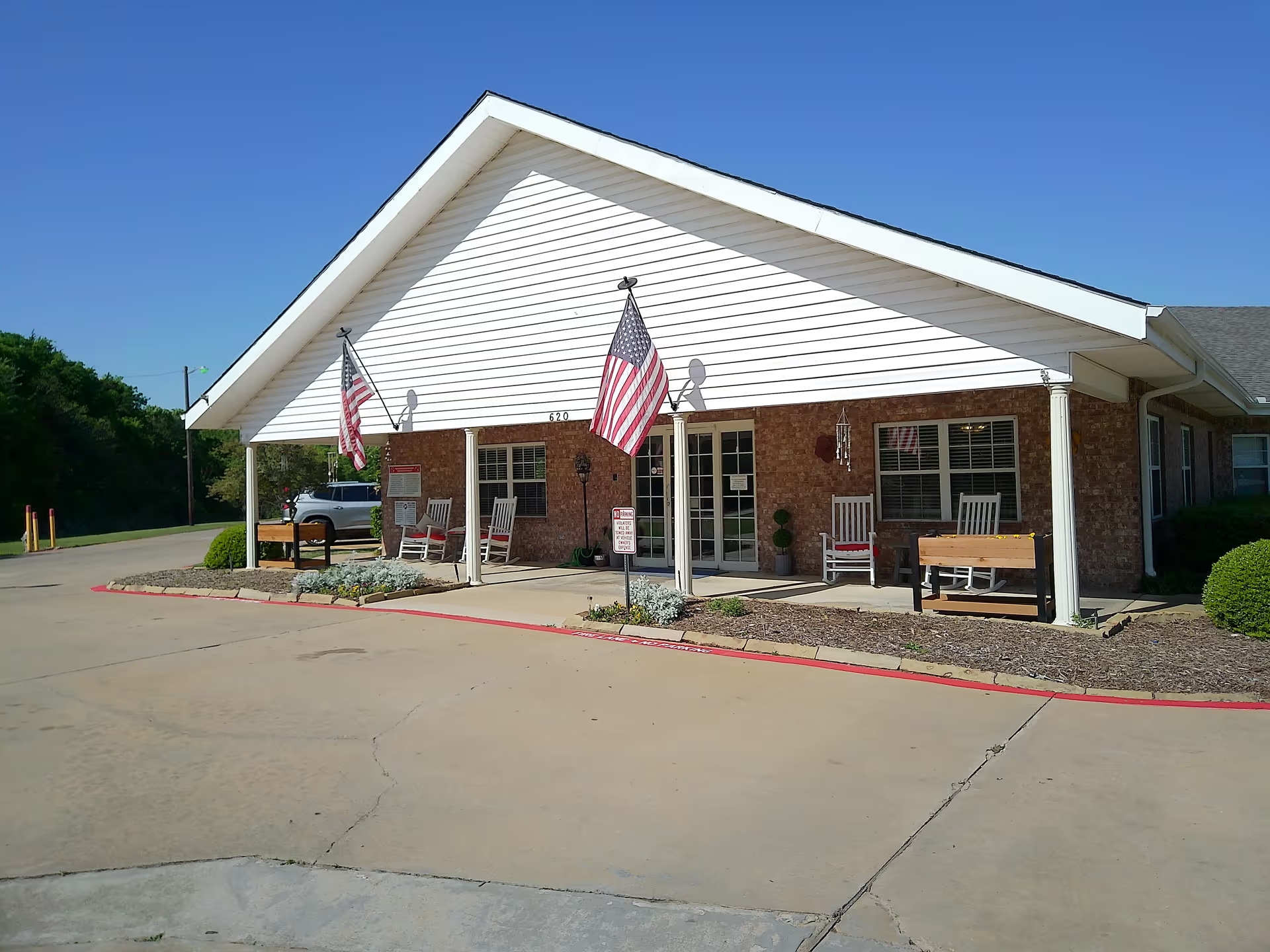
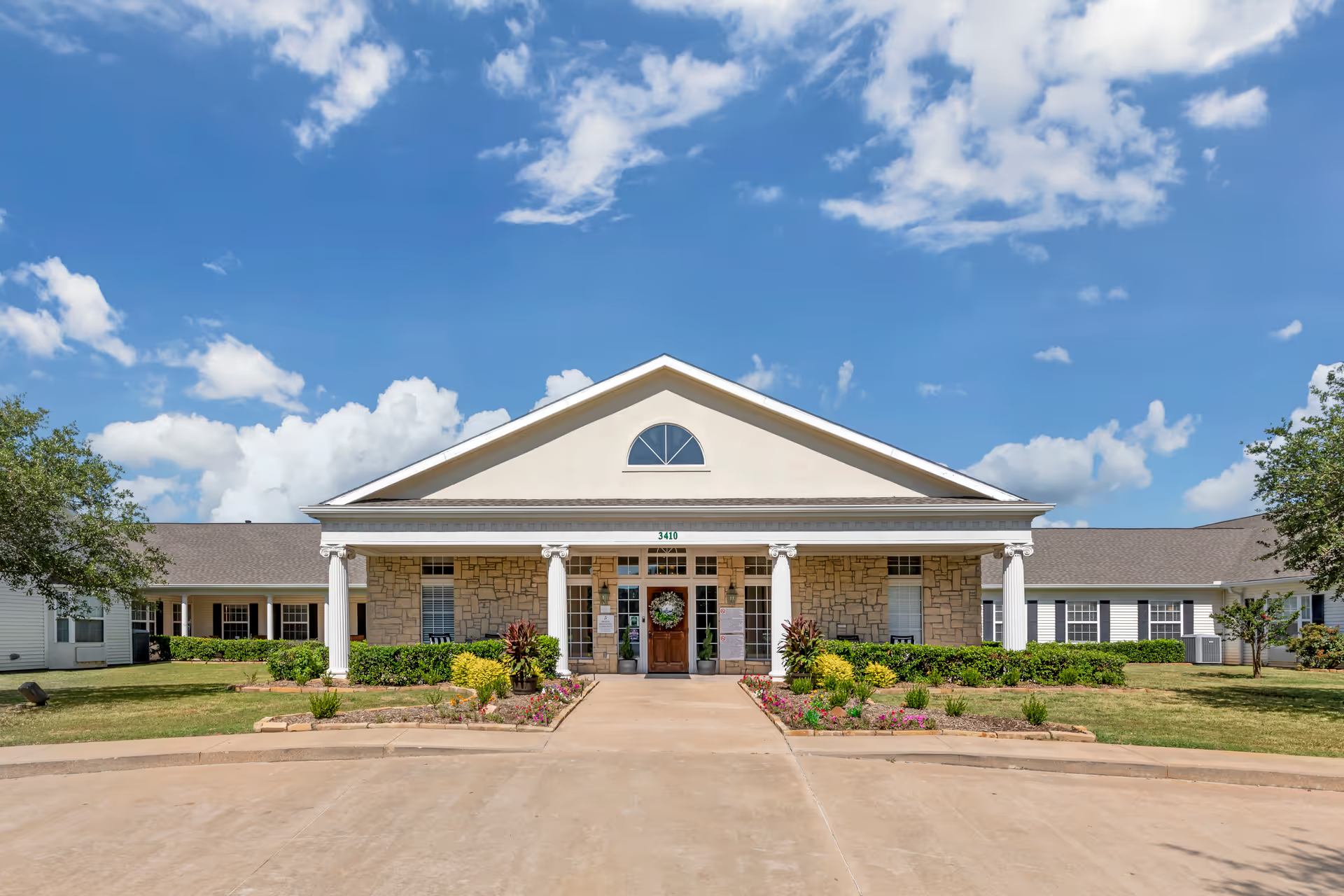
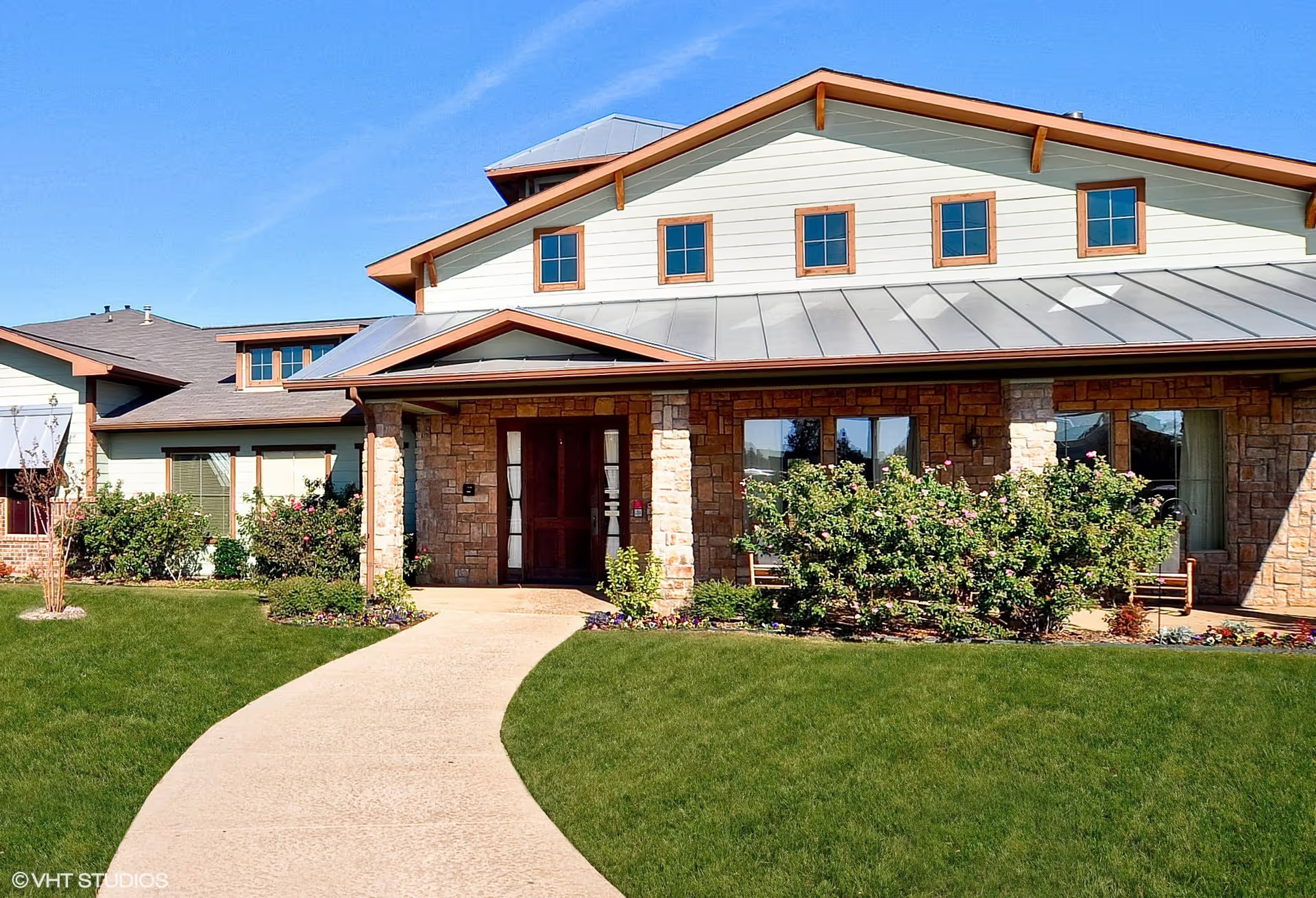
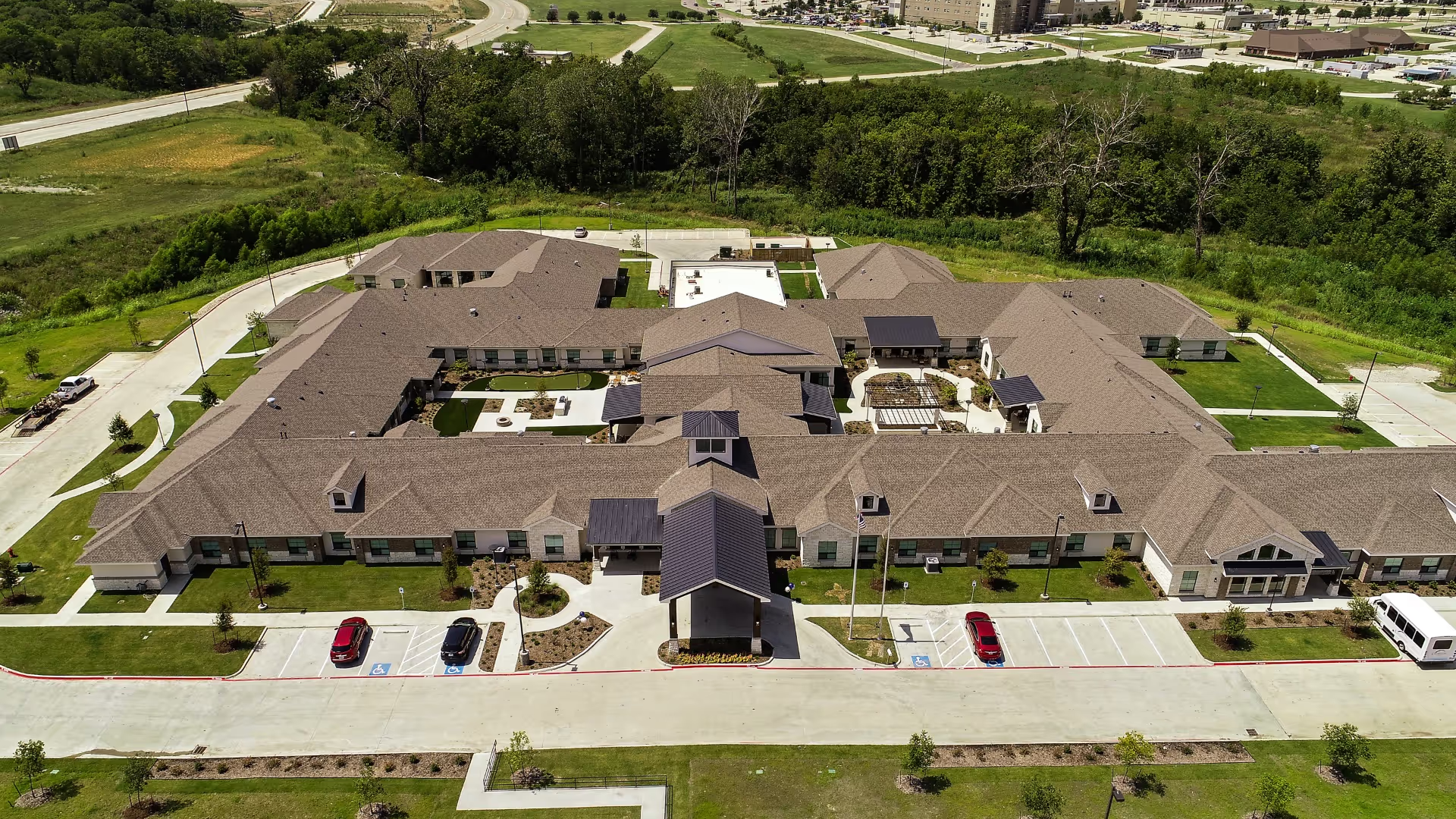
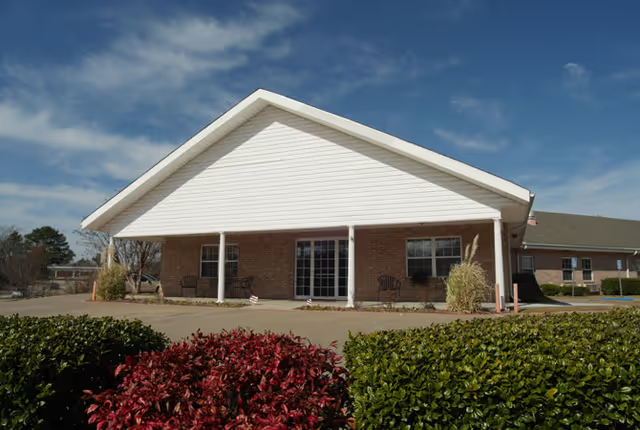
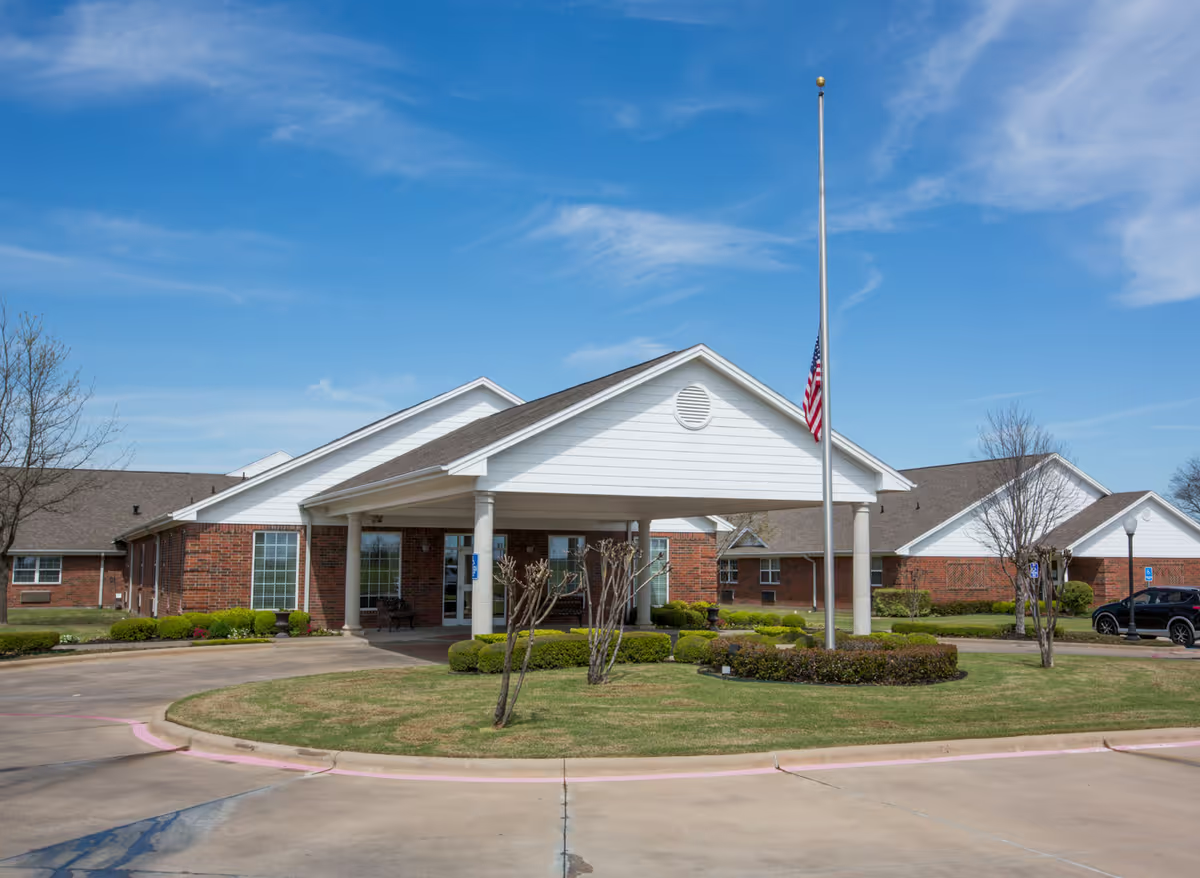
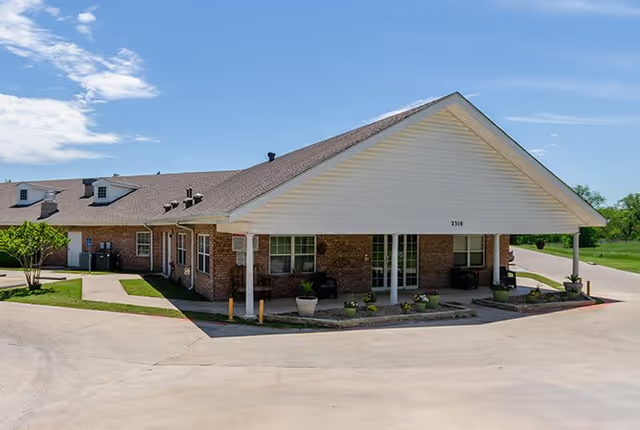
Traditions Senior Living and Memory Care presents a mixed but instructive profile. Positive themes recur across reviews: many families describe staff as compassionate, attentive, and family-oriented, creating a homelike atmosphere. Housekeeping and laundry services are frequently highlighted, and the facility’s interior, common areas and courtyard receive regular praise for cleanliness and décor. The memory-care area benefits from controlled access and a quieter environment that some families find appropriate. Apartment-style units, accessible outdoor spaces, and an overall welcoming presentation are additional strengths.
Care quality and staffing show more variability. Numerous reviewers praised individual caregivers, nurses, and directors for personalized attention and good coordination with outside health providers. At the same time, several reviewers flagged inconsistent staffing levels, turnover among aides, and instances of weak supervision—issues that families tied to lapses in routine care and medication handling. Some reviews referenced medication-administration problems and communication breakdowns around clinical issues; these point to gaps in clinical-administration reliability rather than uniformly poor clinical capability.
Dining and activities are pronounced strengths for many residents but are not uniformly consistent. Multiple families report varied, tailored meals with good variety and special accommodations handled well; others mentioned periods of lower culinary quality and a desire for a new chef. Activity programming is often described as imaginative and engaging—live music, themed events, and family gatherings are noted—yet several comments indicate that memory-care residents receive fewer or less stimulating activities and that programming quality can depend on staff experience and scheduling.
Facility maintenance and sanitation show a split picture. While the building is frequently described as clean, well-decorated, and pleasant-smelling, there are recurrent operational concerns: odor and sanitation issues in particular rooms or areas, maintenance shortfalls such as malfunctioning shower fixtures or missing bathroom hardware, and at least one pest-control concern cited. These are presented as localized problems by families but are sufficiently recurrent to flag as areas needing attention.
Management and communication patterns vary over time. Reviewers note periods of responsive leadership and strong, personable directors who provide reassurance and individualized attention. Concurrently, multiple reviewers described administrative transitions, occasional uninformative tour experiences, and lapses in proactive family communication. Several accounts suggest improvements after managerial change, indicating that leadership stability has a material effect on resident experience.
Overall, Traditions offers many of the attributes families look for—kind staff, a clean and comfortable environment, good laundry and housekeeping, and engaging social programming. However, prospective residents and families should evaluate operational consistency: clarify staffing levels (including weekend coverage), ask about medication-administration protocols and incident reporting, tour the memory-care activity schedule, inspect bathing fixtures and room climate controls, and inquire about pest-control and maintenance processes. These targeted questions will help determine whether the current operational practices align with a given resident’s needs and expectations.