Advanced Rehabilitation and Healthcare of Vernon elicits predominantly positive feedback for its compassionate staff, rehabilitation focus, and modern facility, while also generating a set of operational concerns that prospective families should evaluate. Many accounts emphasize a welcoming, family-like atmosphere, visible teamwork, and clinically focused rehabilitation services that integrate with VA and local community resources. Multiple reviewers highlight strong leadership, attentive nursing and caregiving, and active social programming; the building and resident rooms are frequently described as clean and well maintained.
Care quality is characterized by two contrasting patterns. Numerous reviews describe attentive, dignified care from nurses and aides and successful short-term rehab stays; reviewers also credit staff with acting promptly during emergencies and providing reassuring family communication. However, a number of accounts indicate a decline in care quality over time, with delays in attending to resident needs and concerns that staffing levels contribute to slower response times. These comments point to variability in day-to-day clinical responsiveness rather than a uniform standard of care across all shifts.
Staffing and conduct are central themes. Praise centers on caring, professional teams who create a friendly, familial environment; leadership and teamwork are singled out as strengths. At the same time, reviewers describe inconsistent caregiver professionalism, occasional unprofessional interactions with visitors, and gaps in CNA instruction and competency. These patterns suggest that training consistency and staff supervision may vary across units or shifts.
Dining and activities receive mixed marks. Several reviewers report enjoyable meals and an active recreational calendar (bingo and other social opportunities were mentioned), while others describe inconsistent food quality. This variability suggests meal satisfaction can depend on timing, menu, or individual expectations.
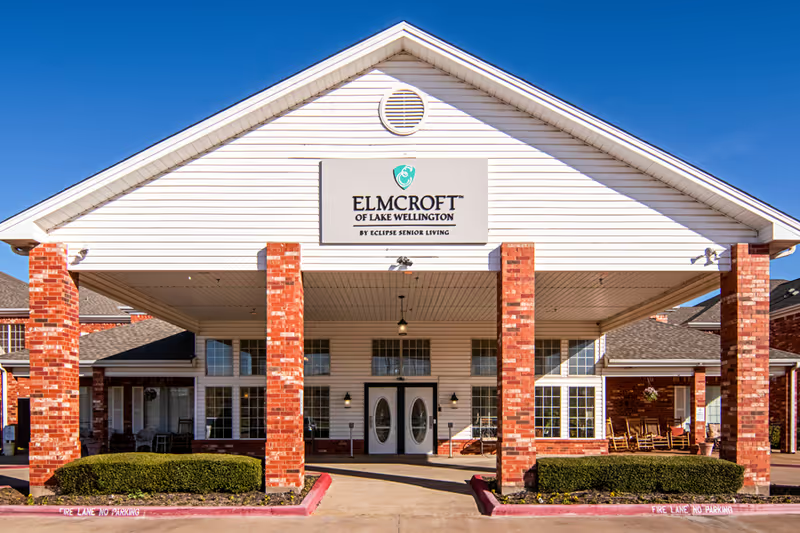
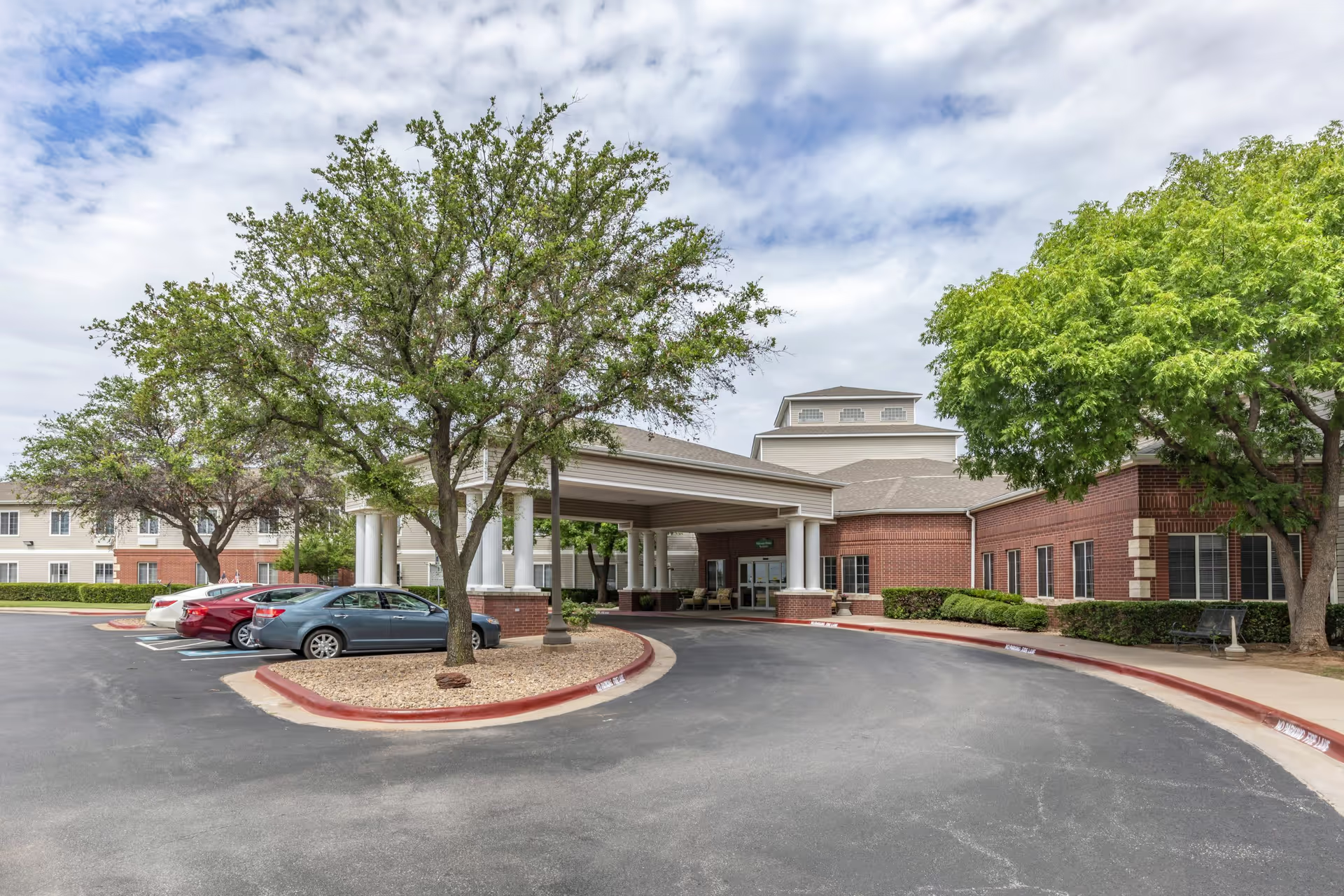
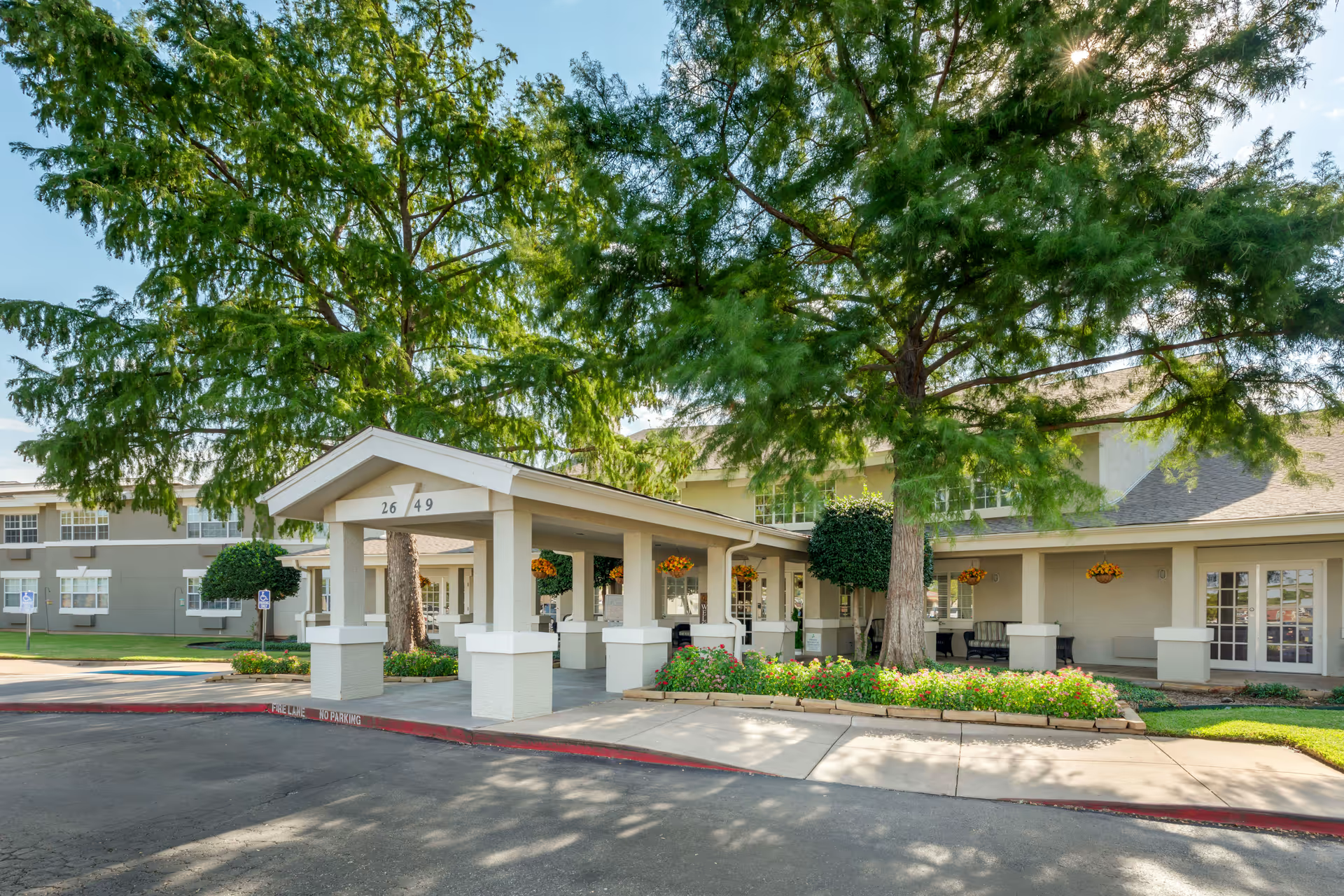
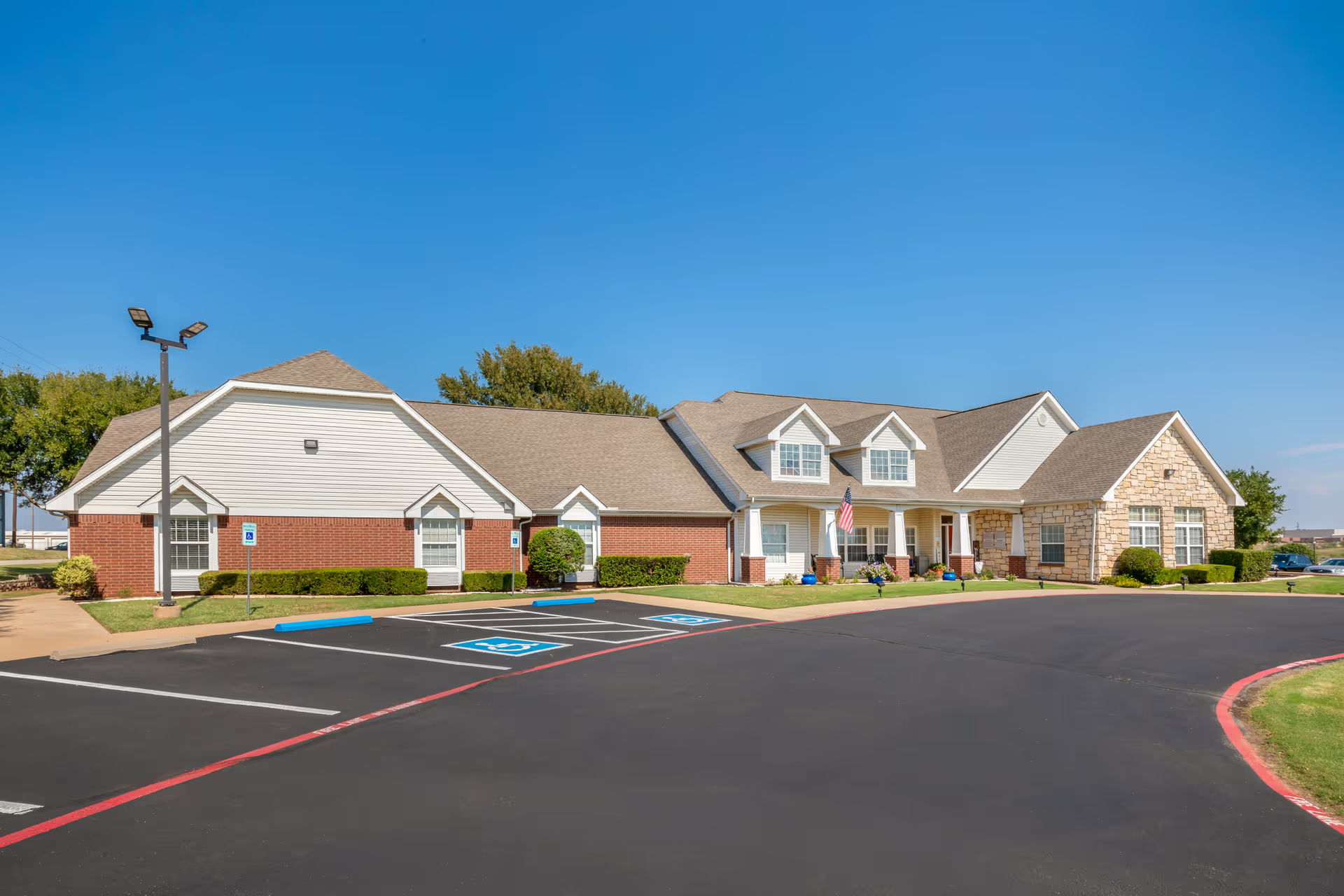
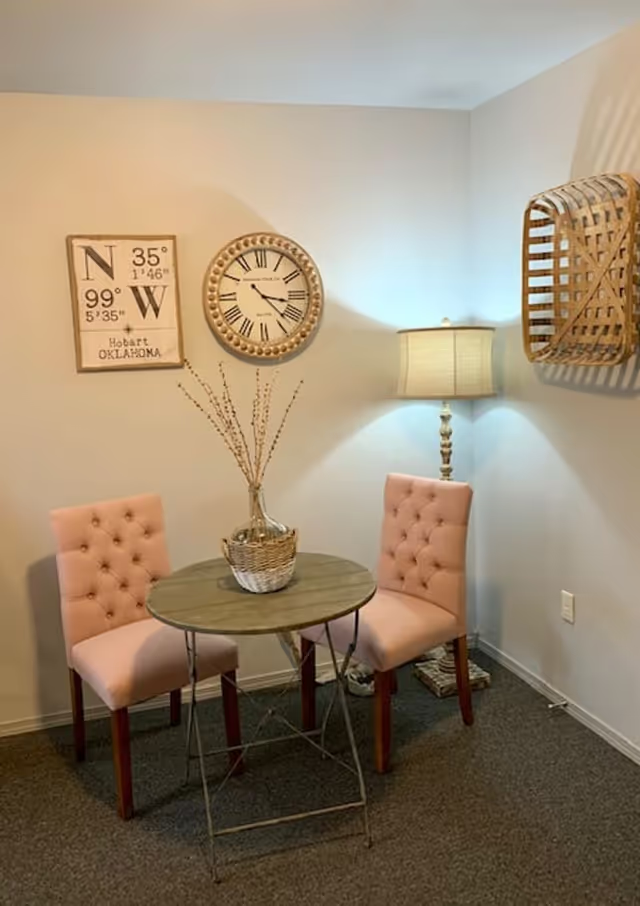
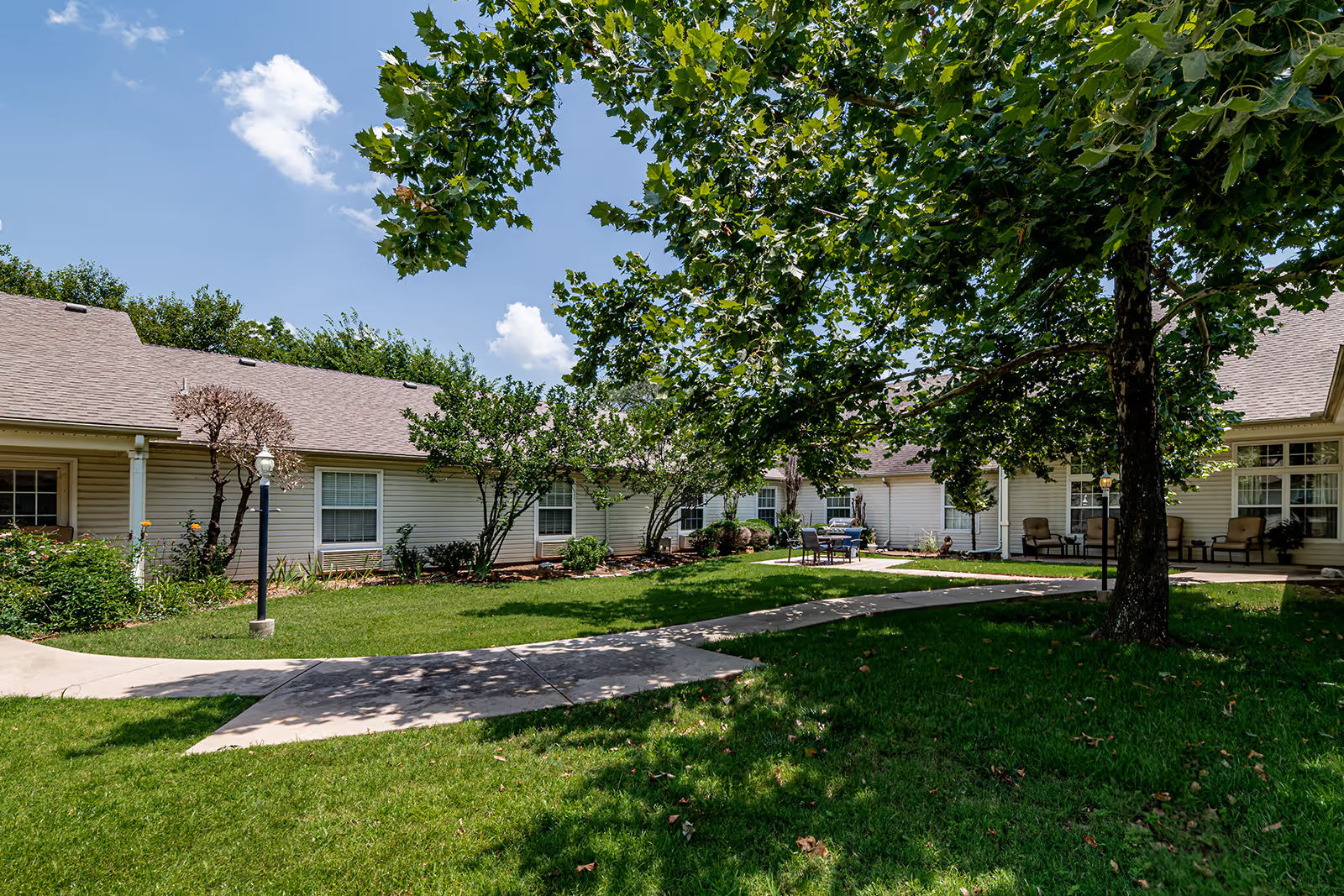
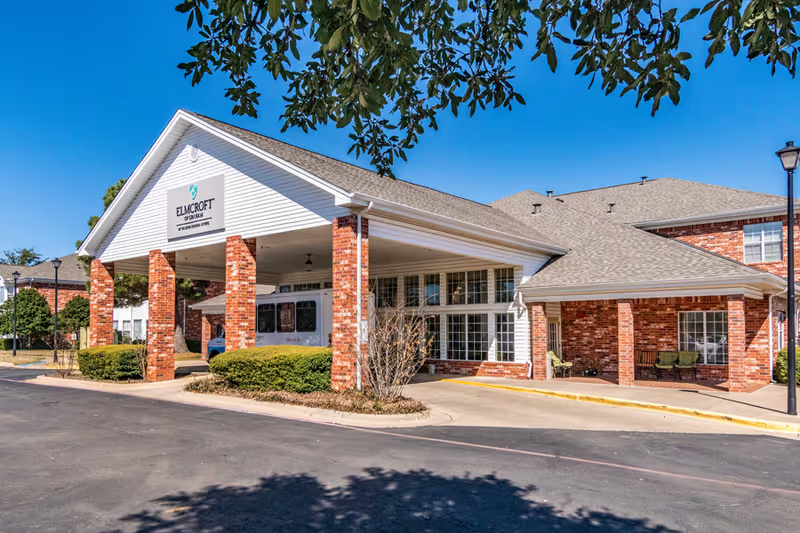
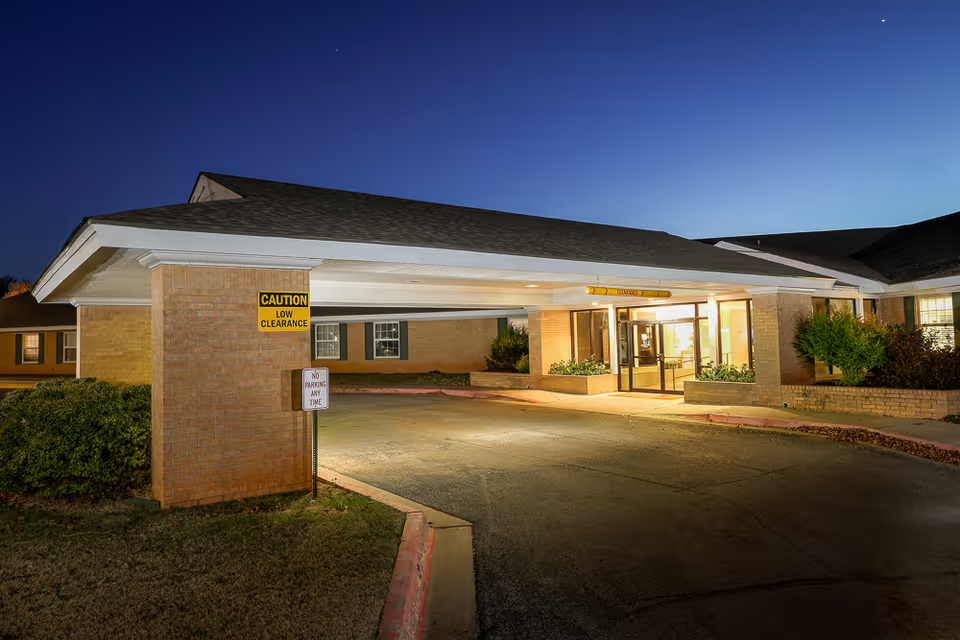
Facility condition and sanitation present a similar split. Many families call the building attractive and well kept with easy access and pleasant common areas. Contrasting comments raise sanitation concerns specifically about interior cleanliness and housekeeping consistency. Prospective visitors may want to observe housekeeping routines and common-area conditions in person.
Management is generally viewed positively when it comes to coordination and emergency responsiveness; reviewers credit leadership with creating a coordinated team environment. Still, the pattern of concerns about staffing levels, CNA training, responsiveness, and occasional declines in care quality points to operational areas for improvement that could affect the resident experience.
Notable patterns for decision-making: strong rehabilitation services, compassionate staff, and a modern facility are recurring strengths. The primary operational risks identified are inconsistent interior cleanliness, variable dining, staffing-related delays, and uneven caregiver training/professionalism. Families touring the facility should observe staff–resident interactions across different shifts, ask about staffing ratios and CNA training programs, and sample the dining experience to assess consistency.