Royal Estates of Wichita Falls presents a mixed but informative profile for prospective residents and families. Strengths commonly cited include a consistently described culture of friendly, compassionate staff and available clinical coverage, with multiple comments referencing 24/7 nursing presence and helpful admissions/tour personnel. The community offers a broad set of amenities — theater, billiards, multiple hobby and game rooms, a salon and barber, exercise spaces, and landscaped garden areas — and many reviewers highlighted active programming, social events, and transportation to shopping and medical appointments. Apartment configurations include larger efficiencies and full kitchens, and move-in assistance and in-unit modifications are available for residents who need them.
Dining and household services are a clear area of divergence. Numerous reviewers praised the restaurant-style dining room, weekly housekeeping, and occasional meal delivery, while a sizable portion described inconsistent food quality, limited variety, and an emphasis on fried items. There are specific operational concerns around accommodating therapeutic diets (for example, renal diets) and occasional reports of inconsistent dining-staff conduct. Laundry and basic service fees are described as modest by some (with free washers/dryers cited), but other reviewers raised concerns about rent increases and overall cost transparency; prospective residents should verify current fee structures and any escalator clauses in contracts.
Care quality and staffing show both strengths and vulnerabilities. Many families described attentive, caring employees and responsive maintenance and support staff; others raised concerns tied to staff turnover, shifts in management tone, and variability in day-to-day supervision. For residents with dementia or higher-acuity needs, reviewers noted gaps in supervision or the need for more intensive oversight than the community sometimes provides. There are also isolated but important operational issues noted: pest-control concerns requiring ongoing attention, occasional sanitation variances in service areas, and reports suggesting lapses in security protocols and emergency-response timing. These items indicate areas to probe during a visit and through the contract and policy review process.
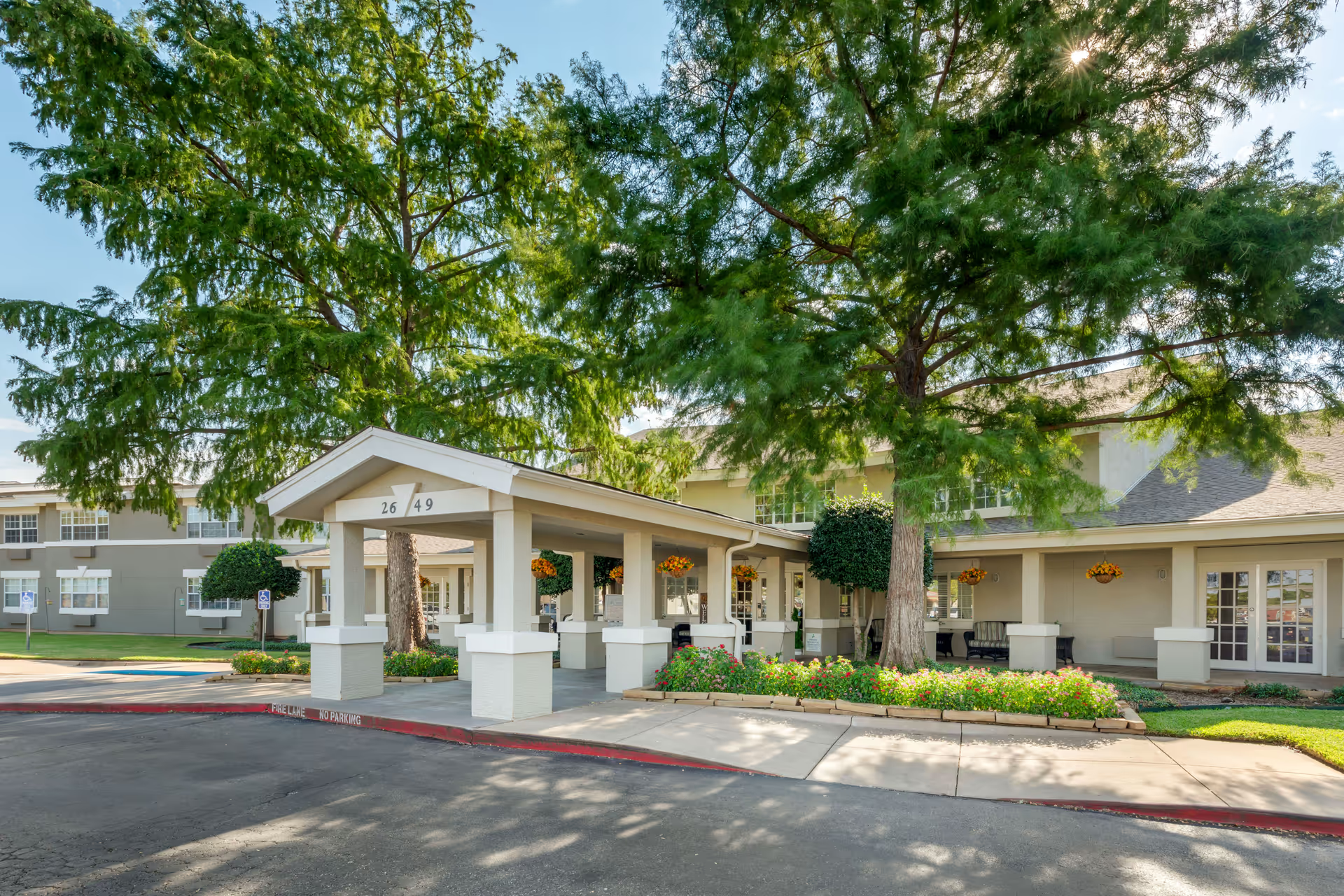
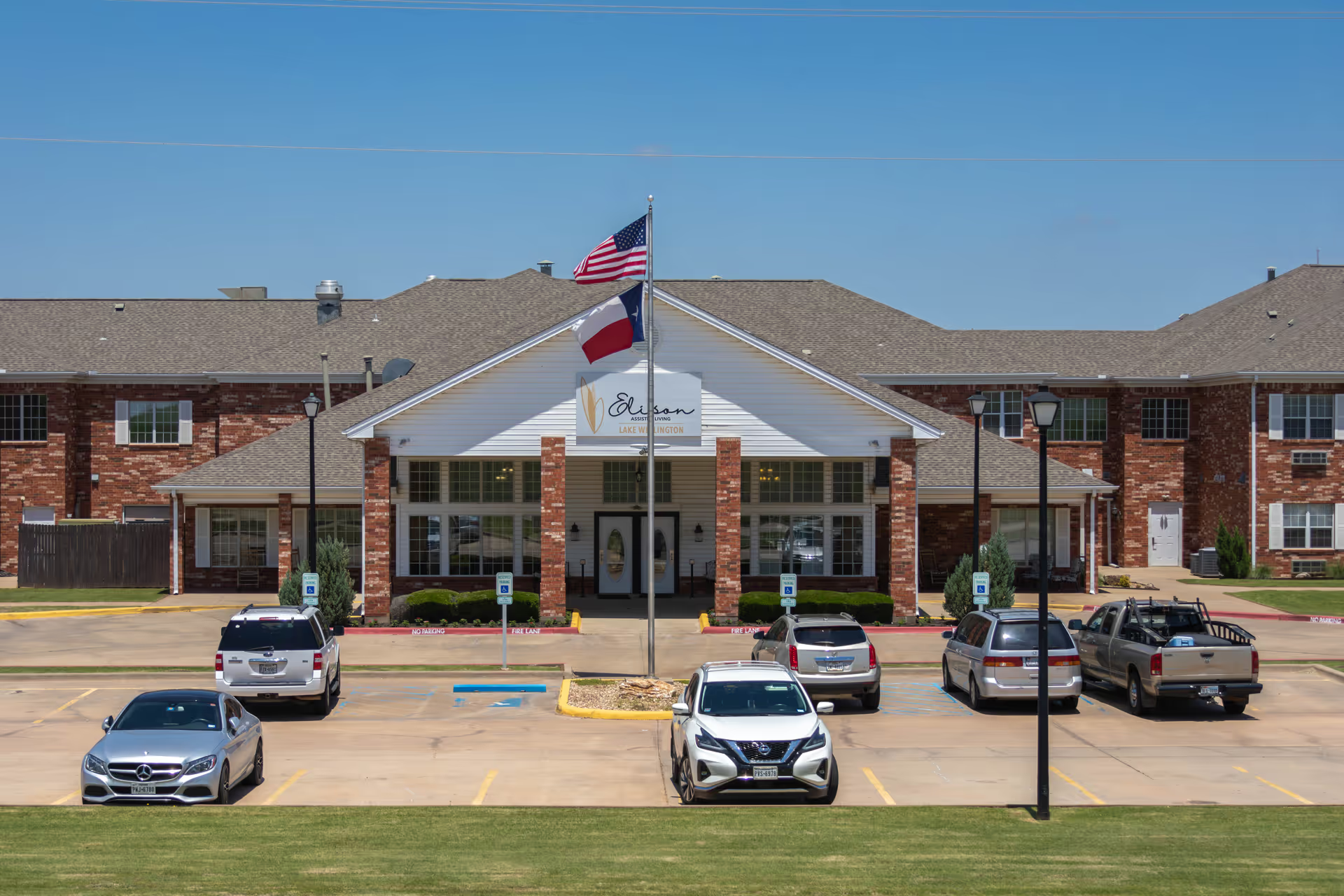
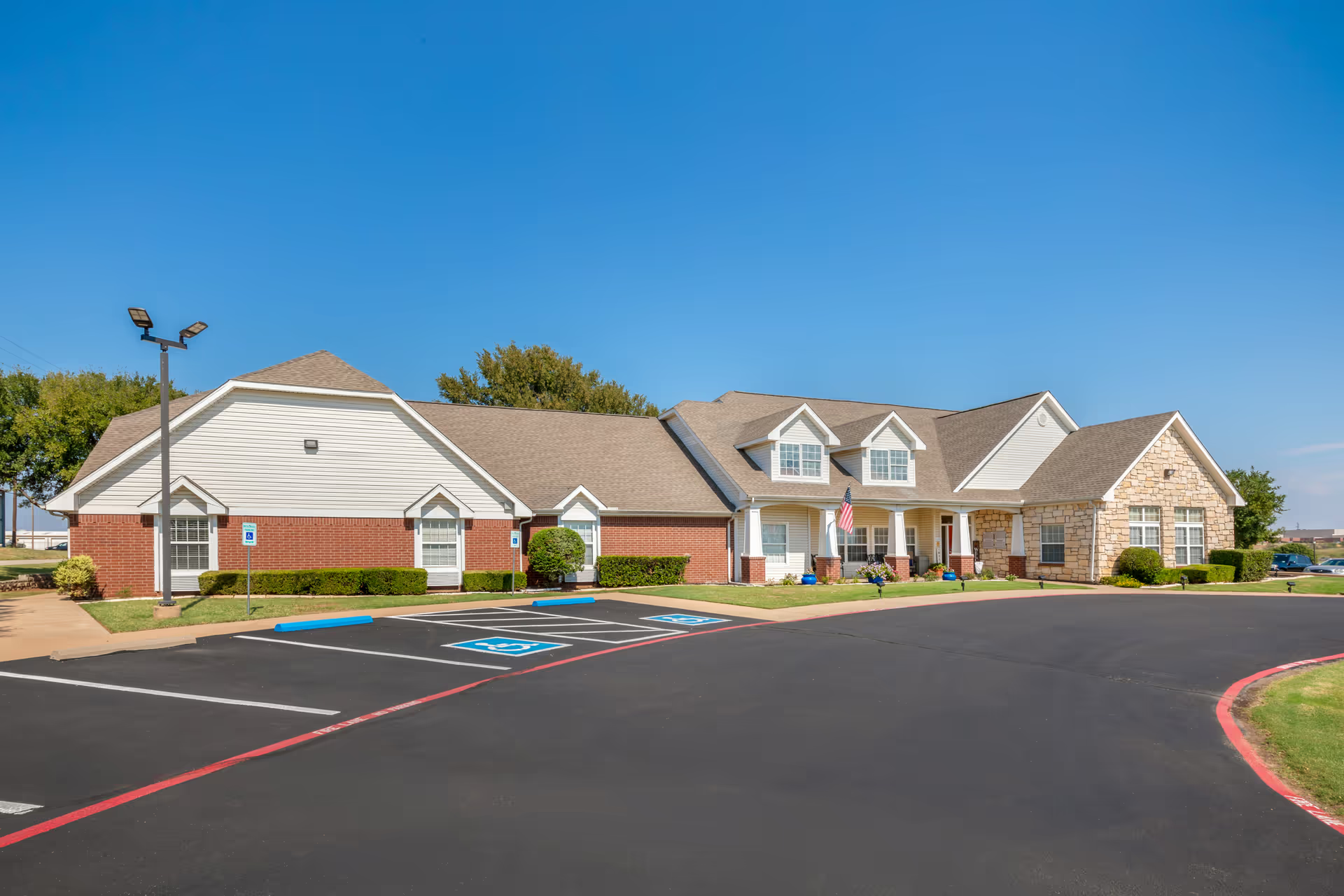
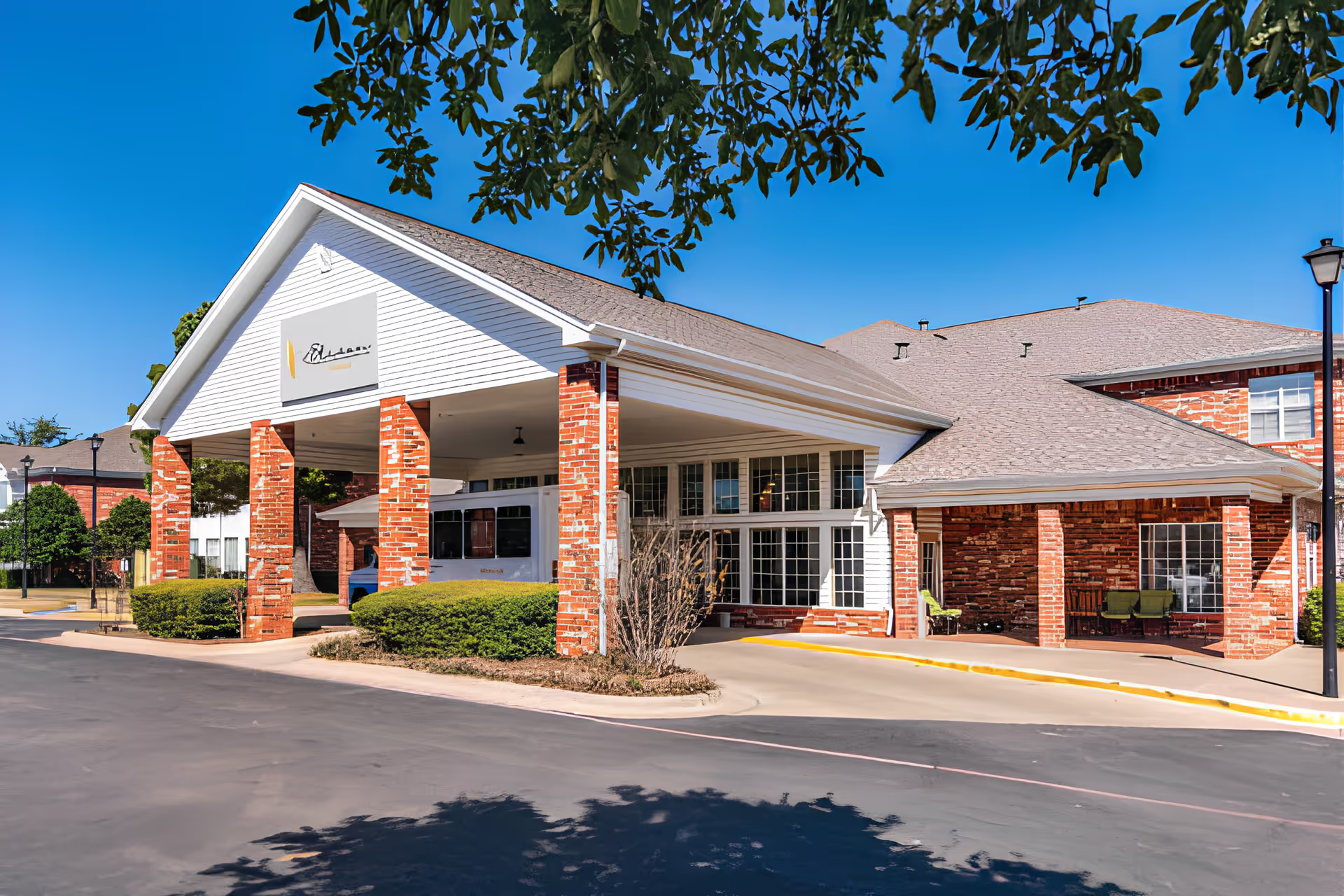
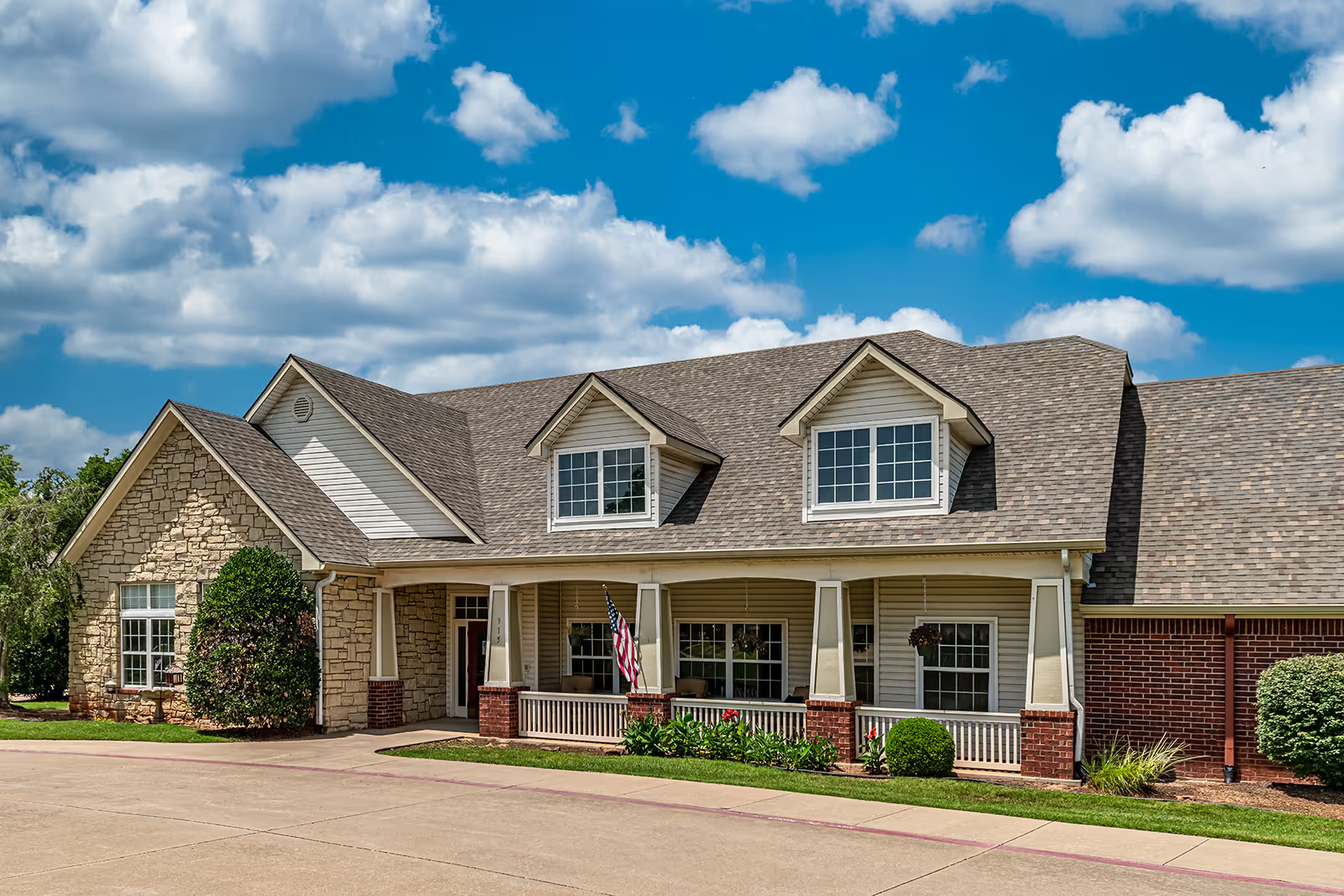
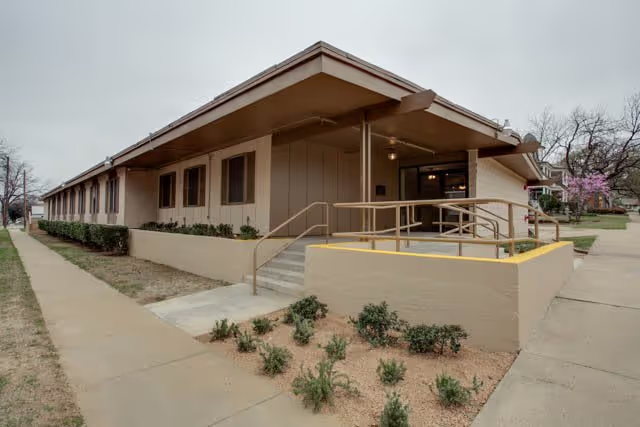
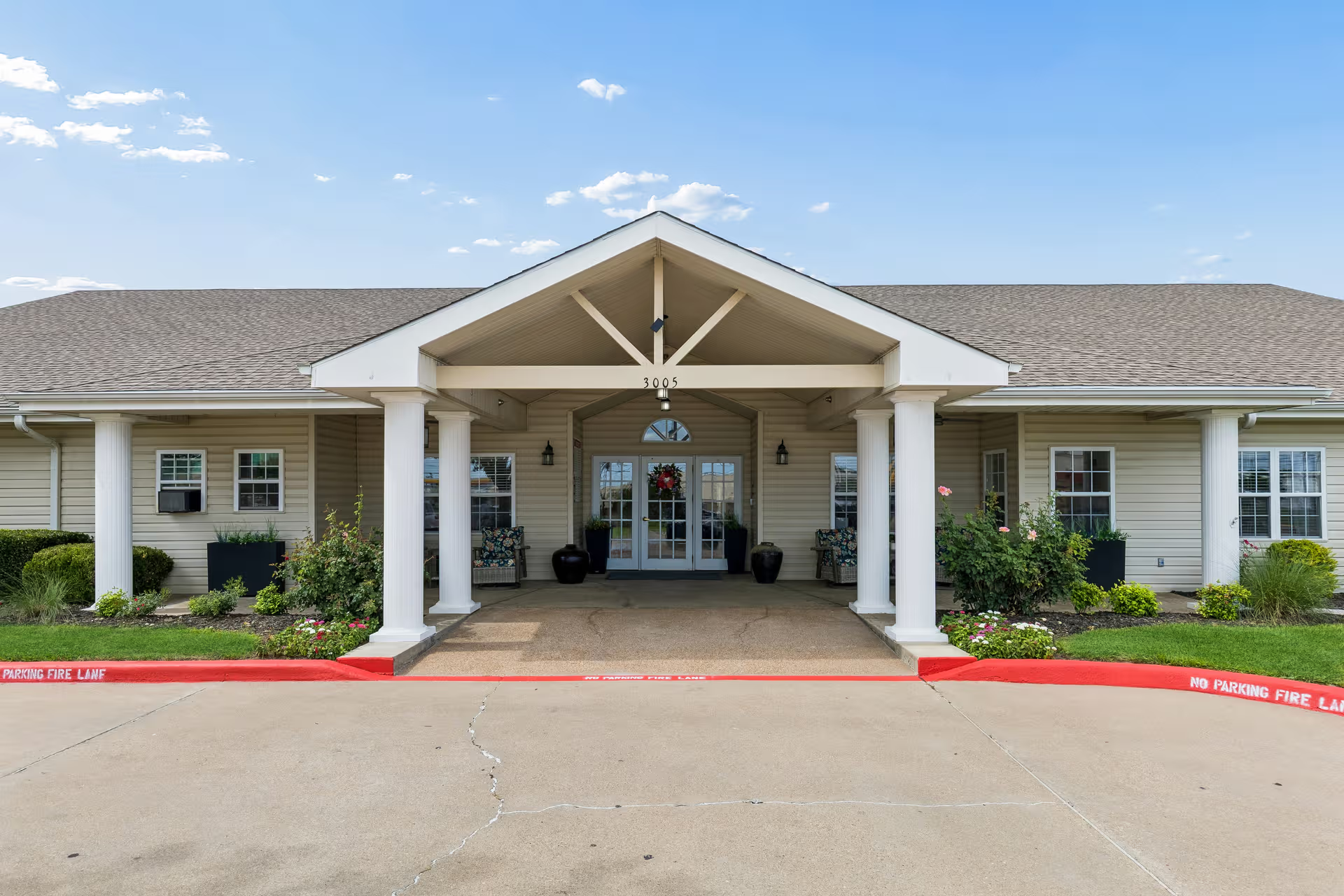
Facilities and grounds are generally described as clean and recently renovated in many areas, with an active social atmosphere and family-style programming that many residents enjoy. That said, reviewers flagged outdoor maintenance and safety items (cracked courtyard sidewalks, limited outdoor seating, walker-safety concerns) and noise impacts for units adjacent to the freeway. Social dynamics can be positive and welcoming for many, but some visitors described a cliquish atmosphere that may slow integration for newcomers.
Overall patterns suggest a community with substantial social and amenity value supported by a largely committed staff, but with operational inconsistencies that could affect dining satisfaction, higher-acuity care, and long-term affordability. Recommended due diligence for families: schedule an in-person tour that includes meal sampling and a review of sample menus; ask about therapeutic-diet policies and dining-staff training; request current staffing ratios, turnover metrics, and protocols for dementia supervision and emergency response; review pest-control and maintenance logs; and verify fee escalation language and what services are included versus extra-cost. These targeted questions will help align expectations with the facility’s strengths and the operational variability described by reviewers.