The reviews for Sistersville Center present a mixed but clear pattern: many families and long-term residents describe warm, attentive care and strong rehabilitative services, while a subset of recent admissions and transition cases report operational and clinical gaps that warrant attention.
Care quality and clinical services: Several reviewers praised the facility's rehabilitative focus, noting effective physical therapy and measurable progress toward discharge for some residents. Long-term residents and their families highlighted personalized care such as grooming and dressing assistance. However, there are specific clinical concerns tied to transitions and post-acute follow-up: reviewers described delays in wound-care interventions and other post-hospital clinical follow-up, as well as delays in delivery of mobility equipment and assistance with activities of daily living. These items suggest variability in how reliably the facility manages short-term, medically complex admissions.
Staff and staffing patterns: Many comments describe compassionate and attentive staff, including long-tenured employees who contribute to continuity of care and a welcoming atmosphere. At the same time, a number of reports point to inconsistent staff responsiveness, variable competency, and notable weekend staffing or service continuity gaps. Family communication was praised in multiple accounts, but other families experienced unanswered calls and unresponsive casework, indicating inconsistency in communication practices and escalation pathways.
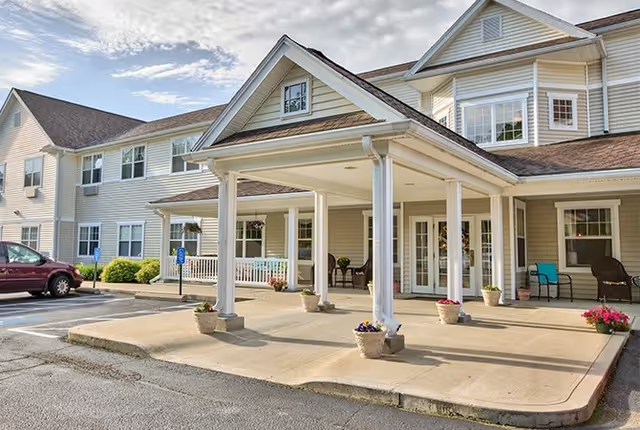
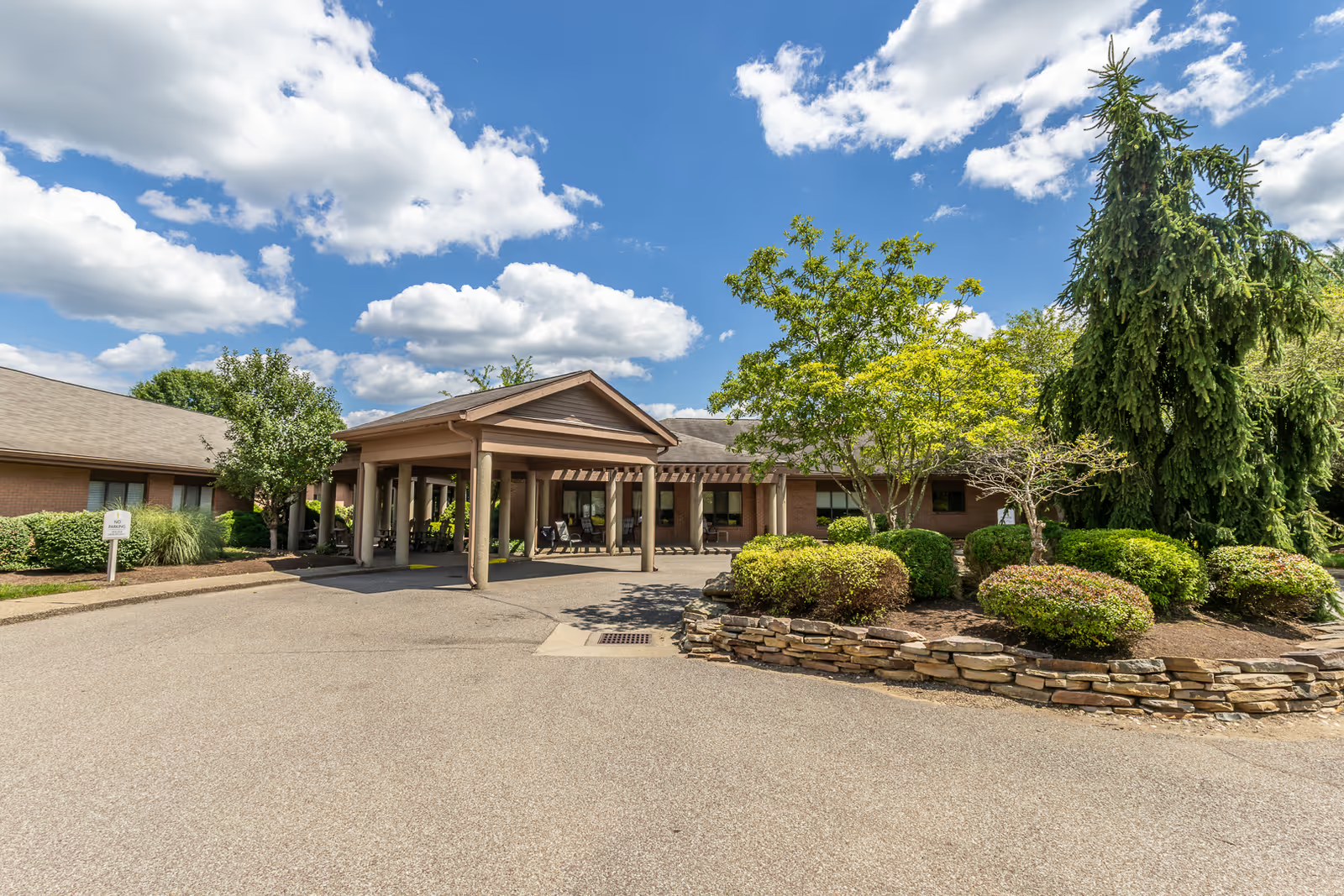
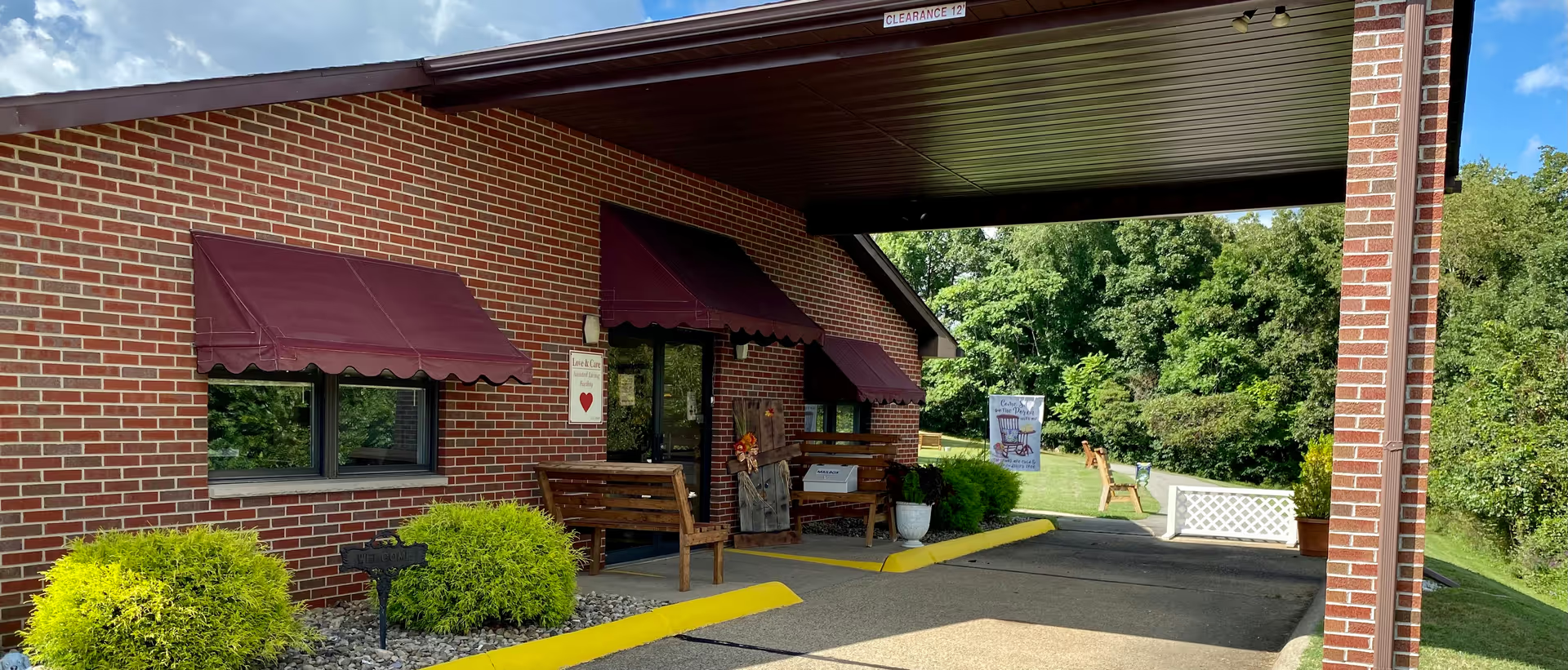
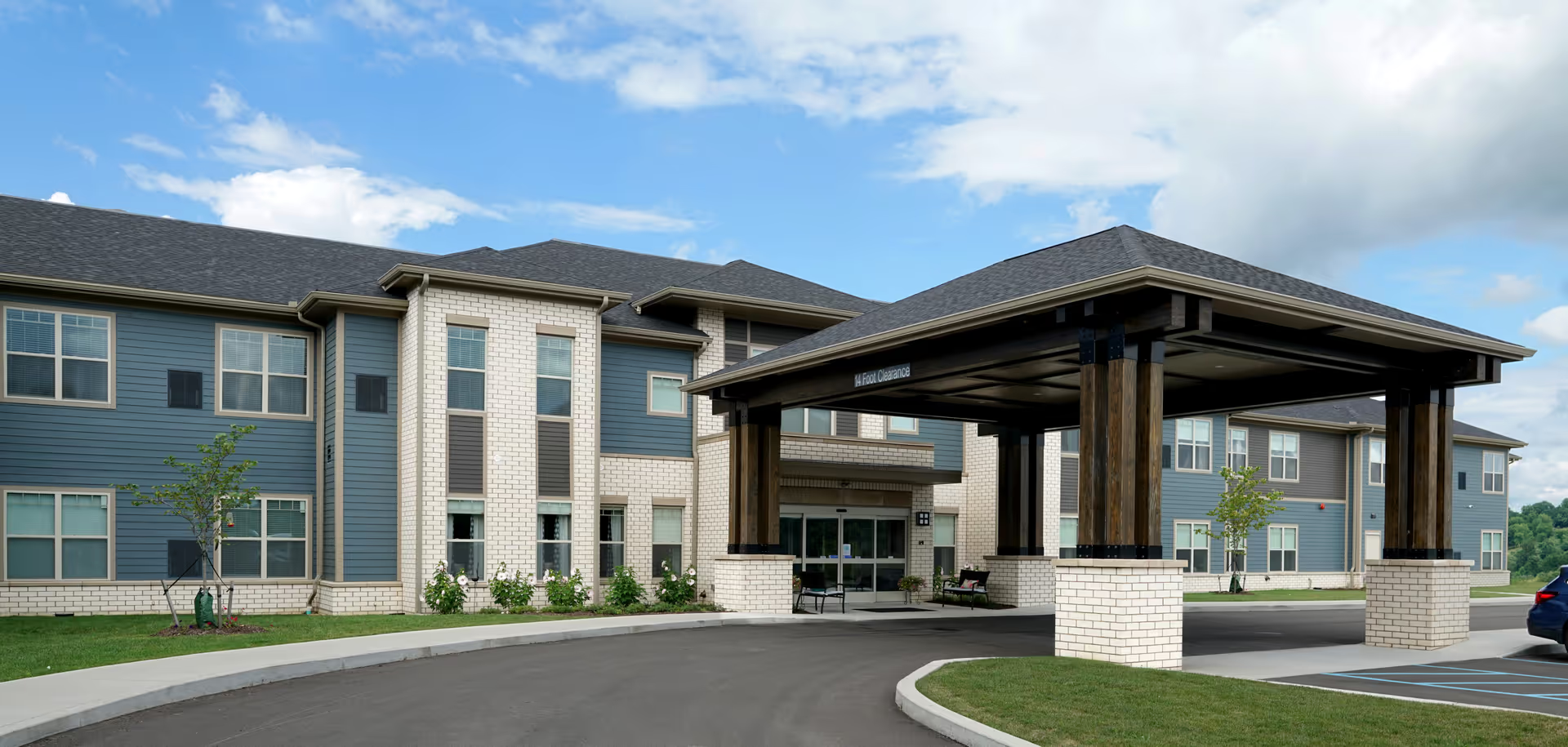
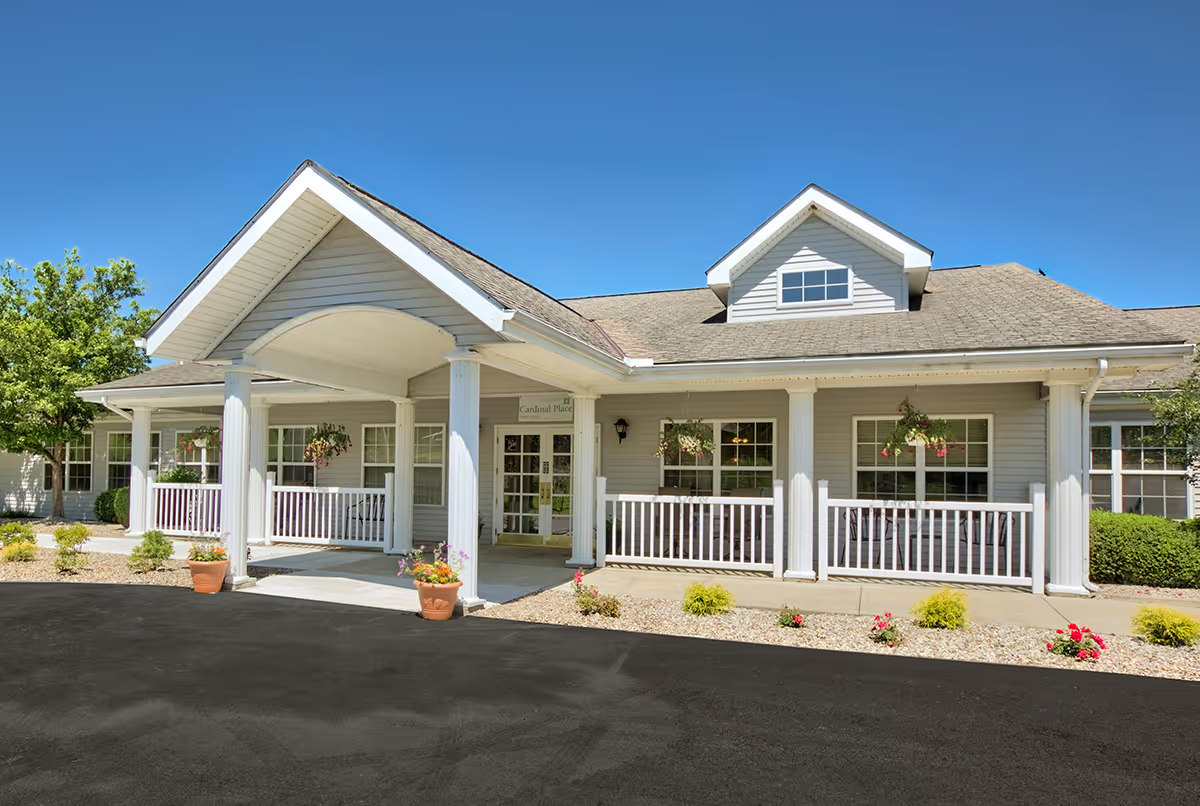
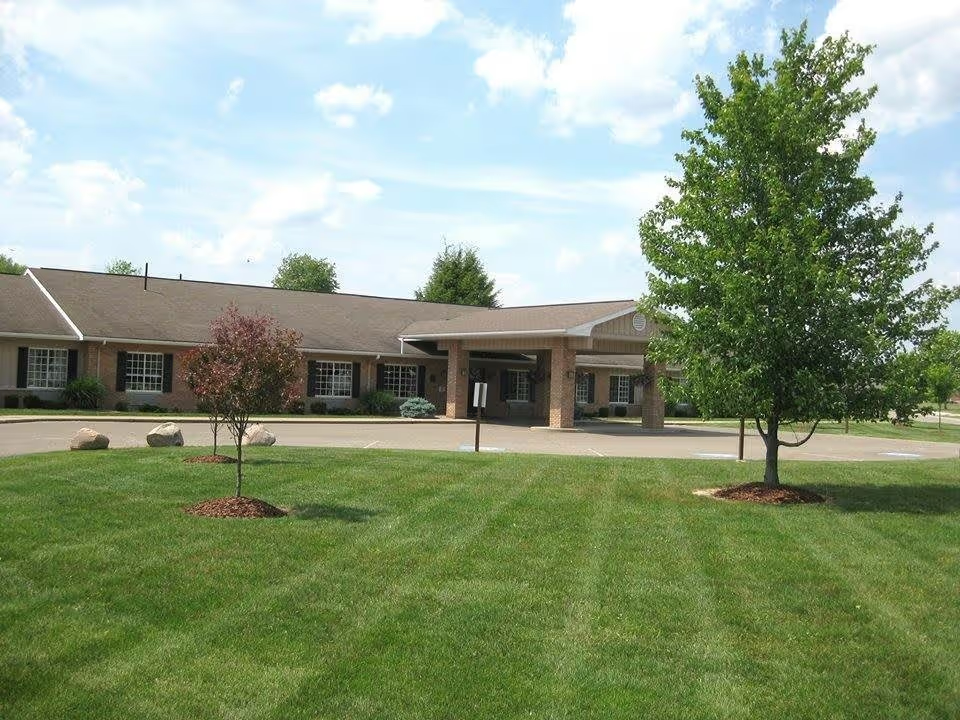
Facilities, sanitation, and amenities: Positive remarks about the physical plant are consistent—reviewers described a clean, attractive building and pleasant grounds. Conversely, some reviews raised odor and sanitation concerns in particular areas, which may reflect sporadic housekeeping or maintenance issues rather than facility-wide conditions. There was little detailed feedback about dining or organized activities in the provided summaries, so no strong conclusions can be drawn about those domains from this dataset.
Management and care coordination: A recurring operational theme involves care transitions and coordination with hospitals. Several accounts flagged abrupt or poorly communicated discharges, difficulty reaching social work or administrative staff, and occasional lapses in handling resident belongings during transfers. These items point to weaknesses in discharge-planning protocols, handoffs, and cross-institution communication rather than an absence of clinical capability.
Notable patterns and guidance for families: The overall picture is polarized—many long-term residents and families report excellent, compassionate care and good rehab outcomes, while some post-acute or transition cases experienced significant service and communication failures. Prospective residents and families should consider confirming the facility's protocols for post-acute clinical follow-up (wound care, medication reconciliation), timelines for equipment delivery, weekend staffing levels, and escalation/contact procedures for social work and administration. Asking for written discharge-planning steps and examples of recent hospital-to-facility handoffs may help assess whether the facility's strengths align with an individual resident’s needs.