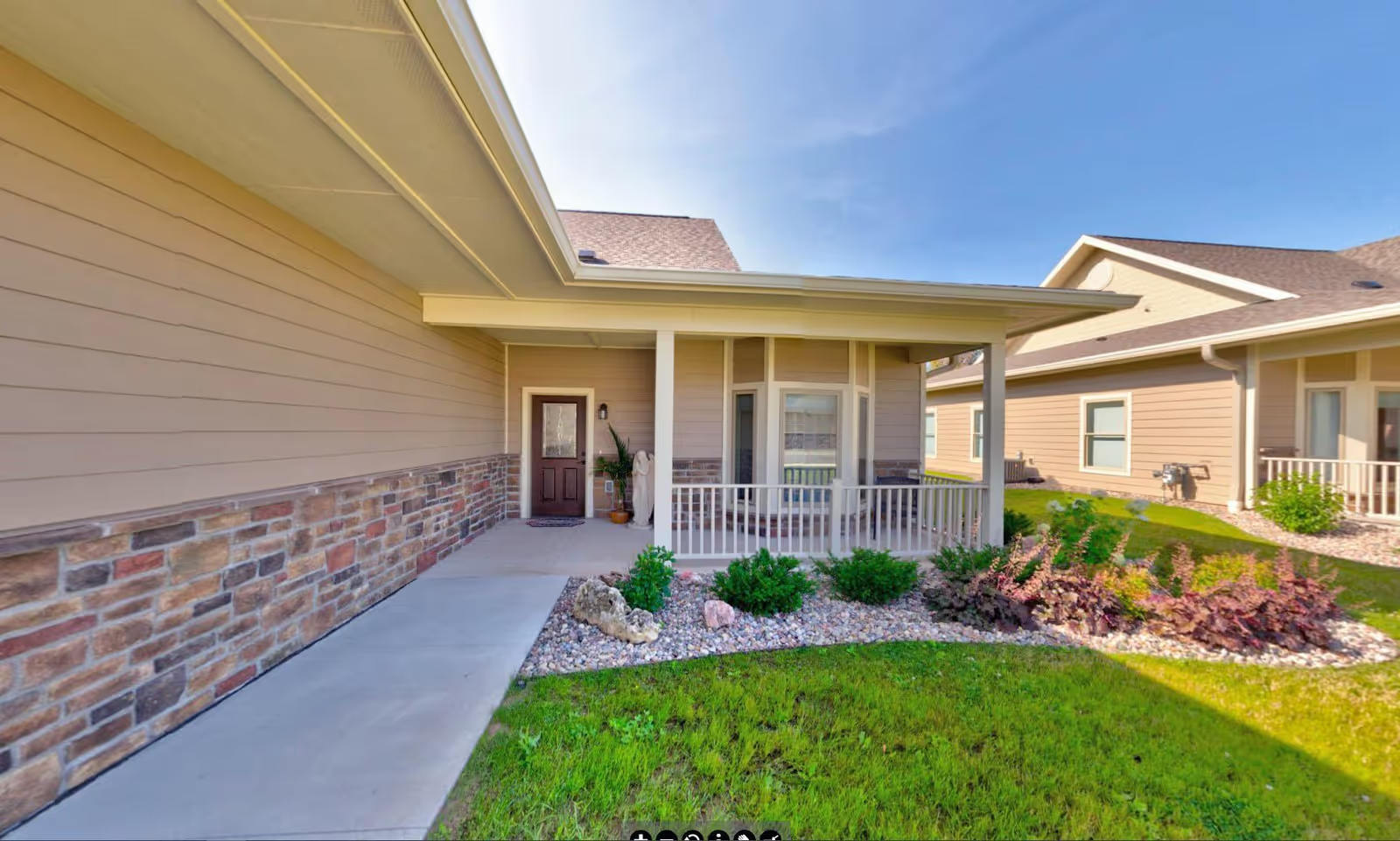
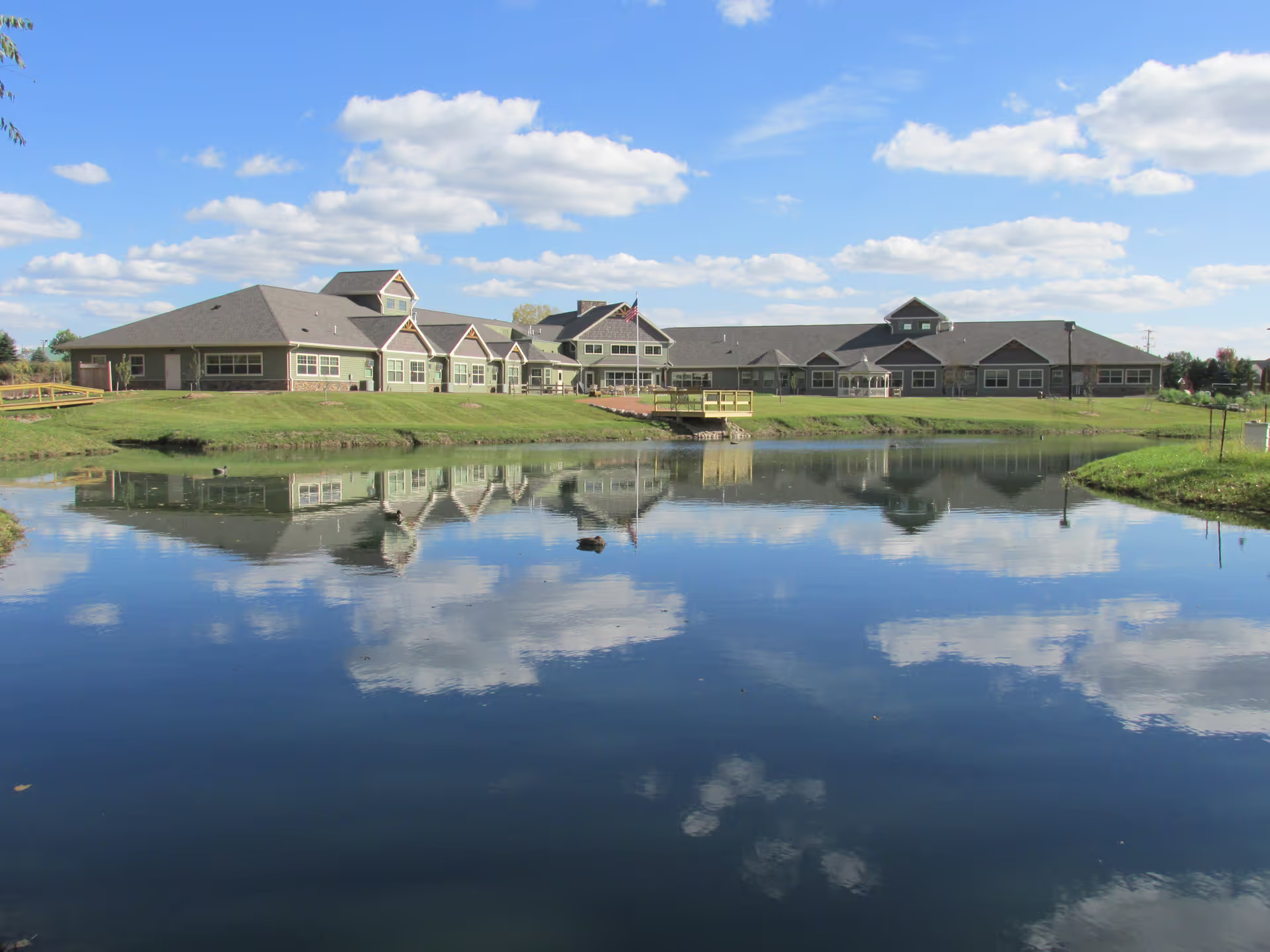
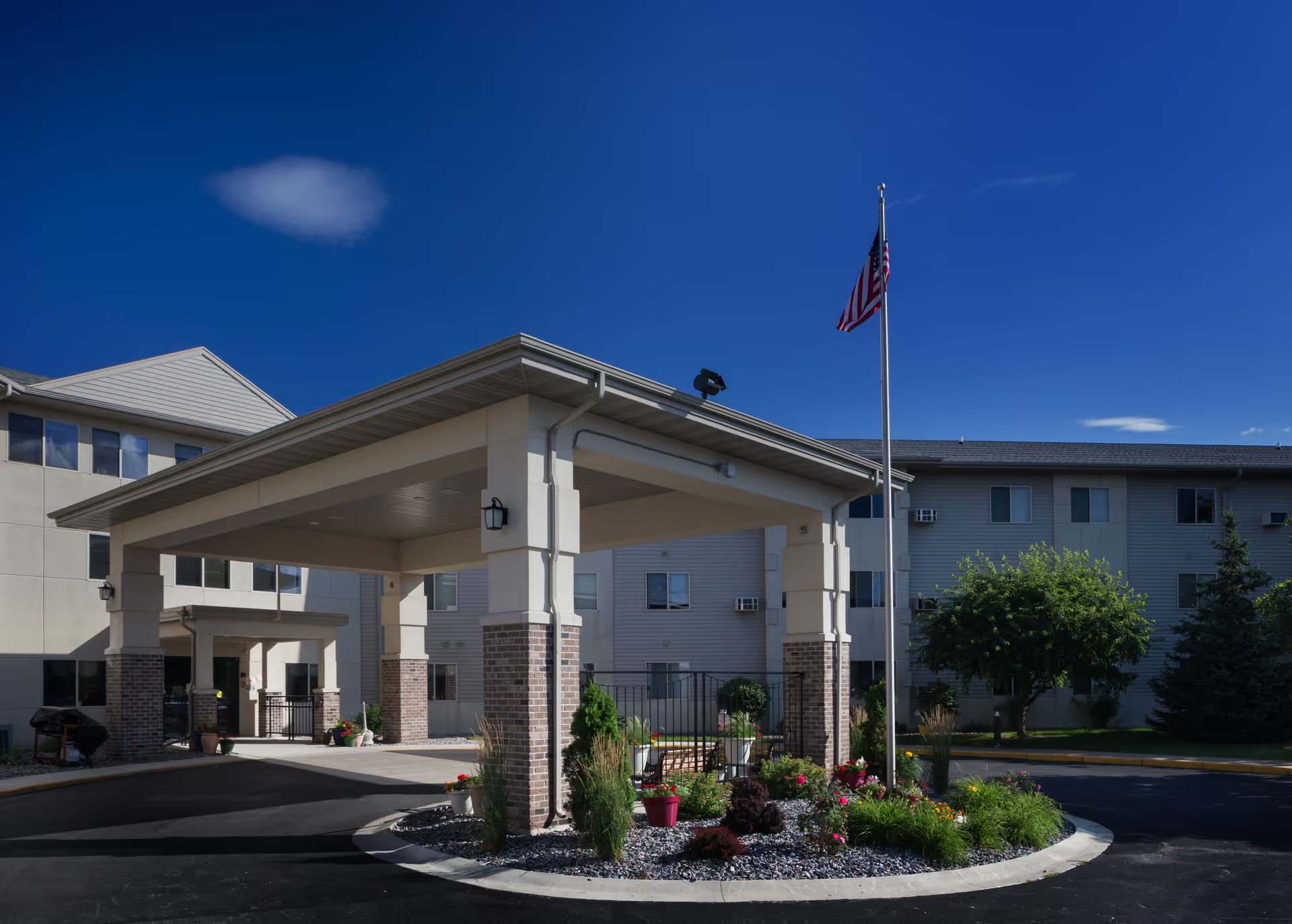
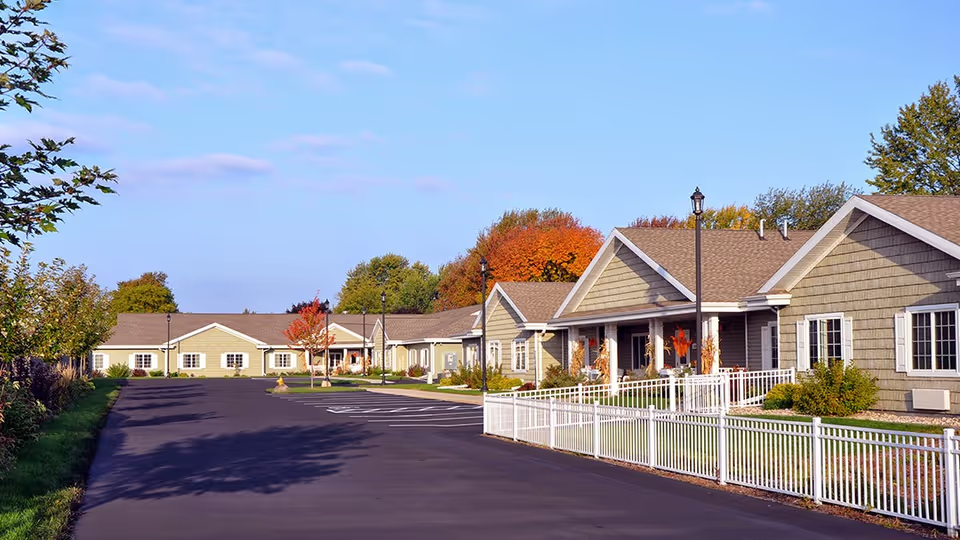
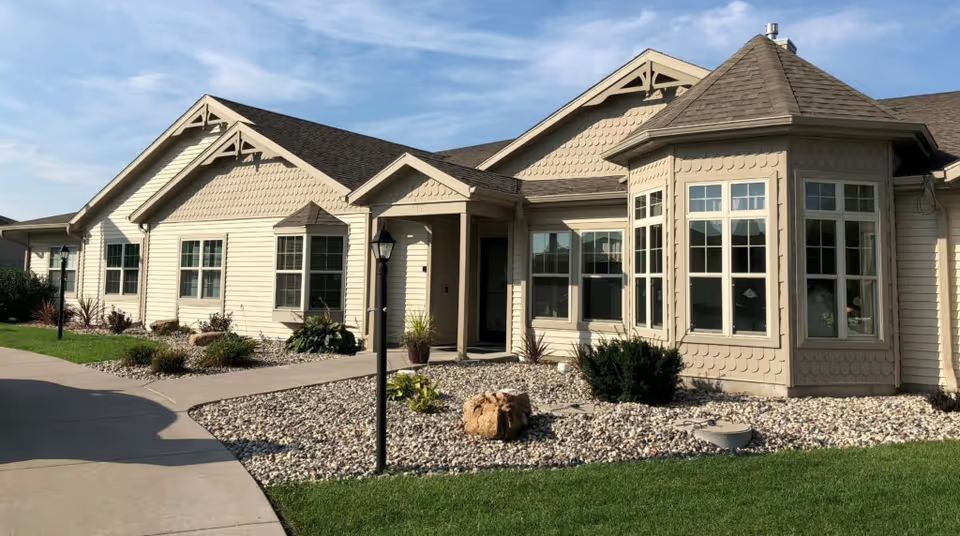
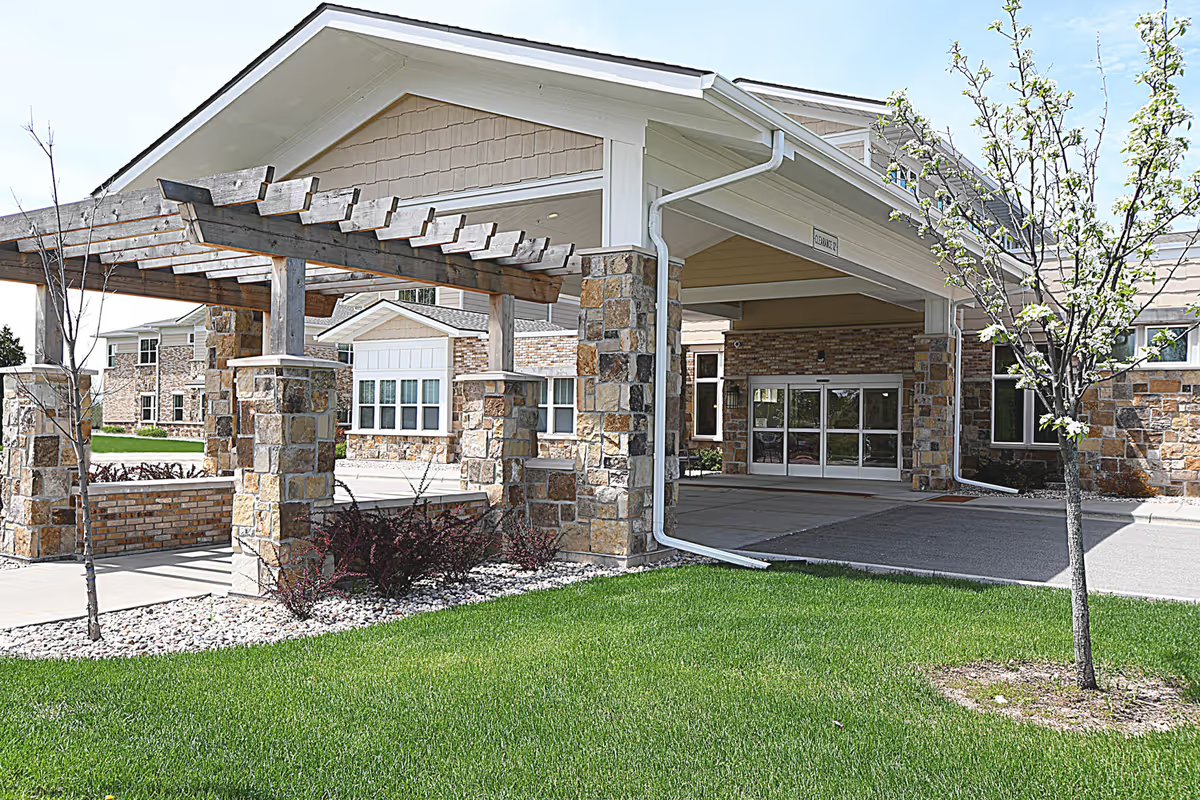
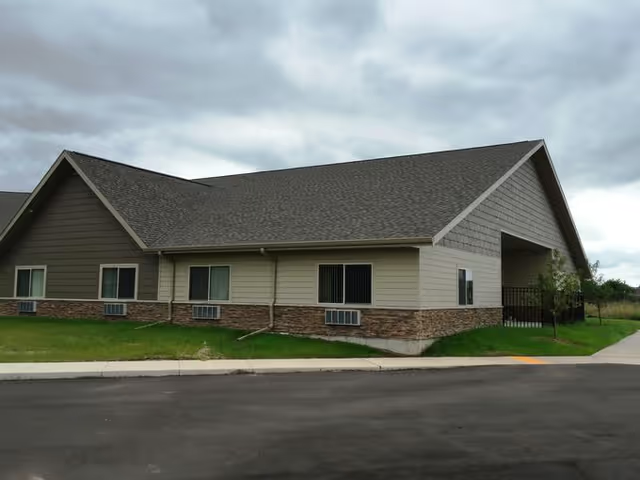
The review set paints a facility with many physical and programming strengths alongside notable operational inconsistencies. Ballard Glenn is repeatedly described as a bright, attractive, newly built community with spacious, apartment‑style suites, well‑designed common spaces, and amenities that create a hotel‑like atmosphere. Families frequently praise the dining program (chef‑prepared meals, multiple entrée choices, salad bars, and self‑serve beverage/snack stations) and the visible investment in lifestyle enrichment — creative activities, outings, and family‑friendly spaces for private events. Many accounts highlight compassionate, personable caregivers and an overall welcoming culture that supports social engagement and recovery for short‑term residents.
Care quality and staffing responses are mixed. Positive feedback emphasizes attentive, respectful caregivers, reliable medication pass and nursing support in some units, and low turnover that fosters continuity. Contrasting reports describe inconsistent staffing levels, slow responses to call lights and phones, and variability in staff training and professionalism. Review content points to gaps in clinical oversight at times (limited licensed staff coverage on site), and a few reviews describe medication‑management and documentation concerns. These themes suggest that resident experience may depend substantially on current staffing patterns and which staff are on duty.
Dining and activities are commonly cited strengths, with robust programming and an engaged lifestyle team noted by several families. At the same time, there are reports of inconsistency in meal solicitation and occasional dissatisfaction with food quality; memory‑care programming is described as less consistent in some accounts. Prospective families should clarify how programming is tailored for residents with cognitive impairment and how activity staffing is allocated across care levels.
Facility condition and operations show a generally positive profile — clean, well‑decorated interiors, functional apartment amenities, and accessible outdoor spaces. However, some reviews raise sanitation and pest‑control concerns in certain areas and note irregularities in housekeeping frequency and personal hygiene assistance (for example, inconsistent scheduled showers). Safety‑related operational issues are also referenced, including lapses in supervision and concerns about secure access in memory‑care settings, indicating a need to confirm current protocols for resident monitoring and outdoor supervision.
Management and governance are another mixed area. Several families praised leadership, responsiveness, and improvements after staffing changes, while other reviews point to turnover in ownership/management, periods with no on‑site management, and a small number of substantiated regulatory complaints. These divergent accounts suggest recent transitions that may be affecting consistency of operations.
Recommendation for families: a tour and targeted questions will be helpful. Ask about current staffing ratios by shift, on‑site licensed nursing coverage, medication‑management policies, call‑system response expectations, housekeeping and bathing schedules, memory‑care activity plans and secure‑access protocols, pest‑control routines, and how leadership handles incidents and family communication. Observing activity engagement during a visit, sampling a meal, and requesting written policies on supervision and clinical oversight can clarify whether the facility’s strengths align with a prospective resident’s needs. Overall, Ballard Glenn offers strong environmental and social amenities, but families should verify operational consistency and clinical safeguards for higher‑acuity or memory‑care residents.