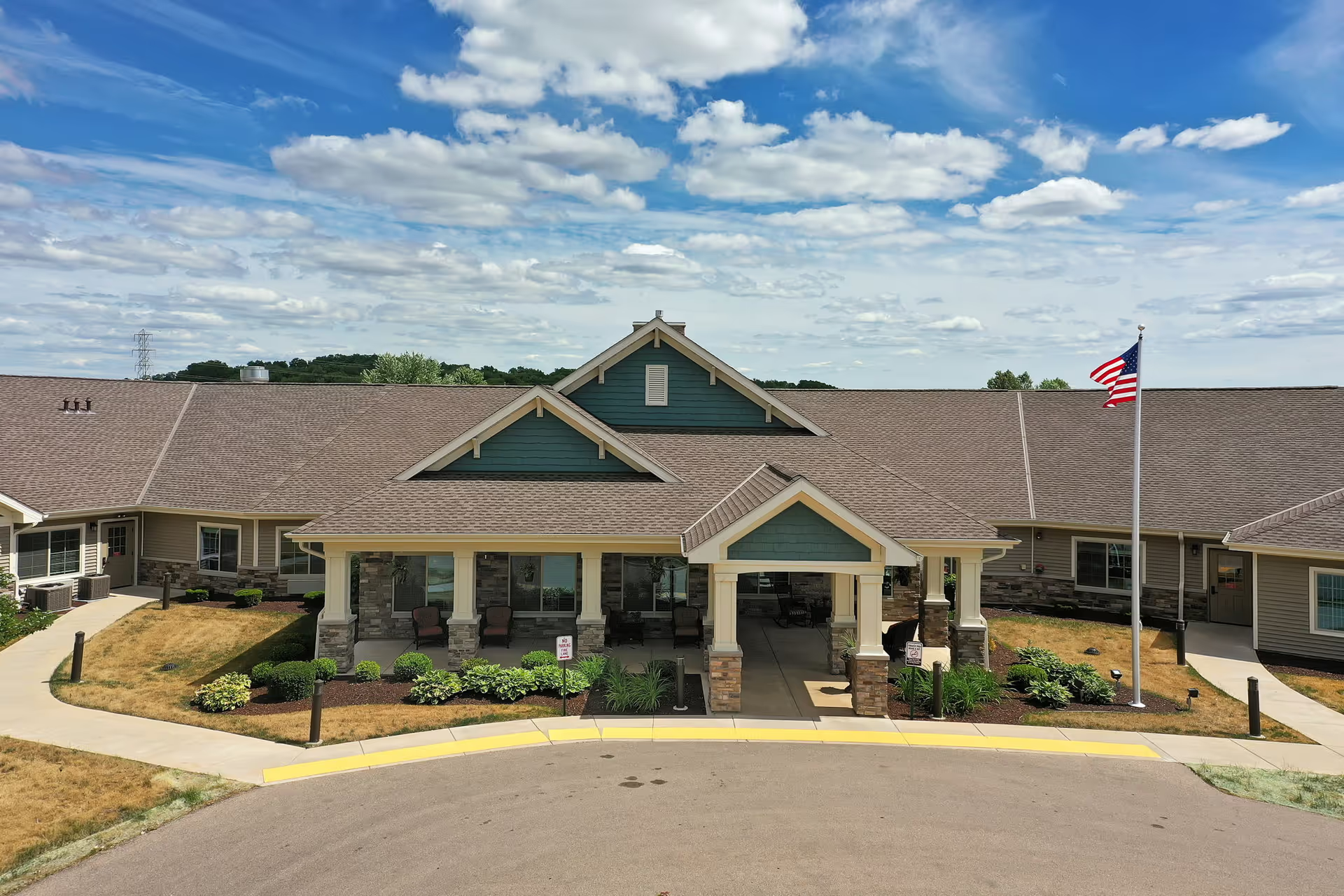
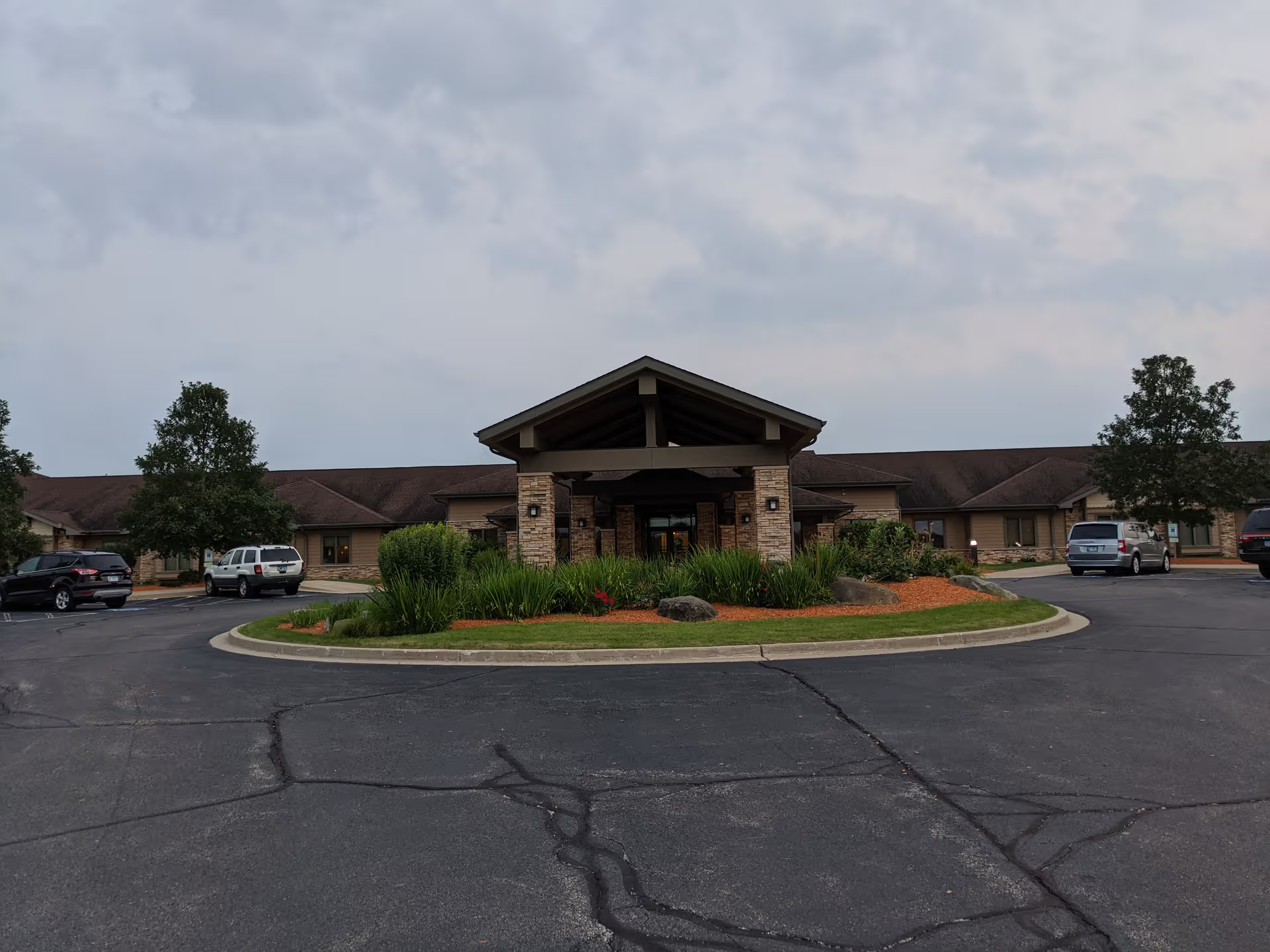
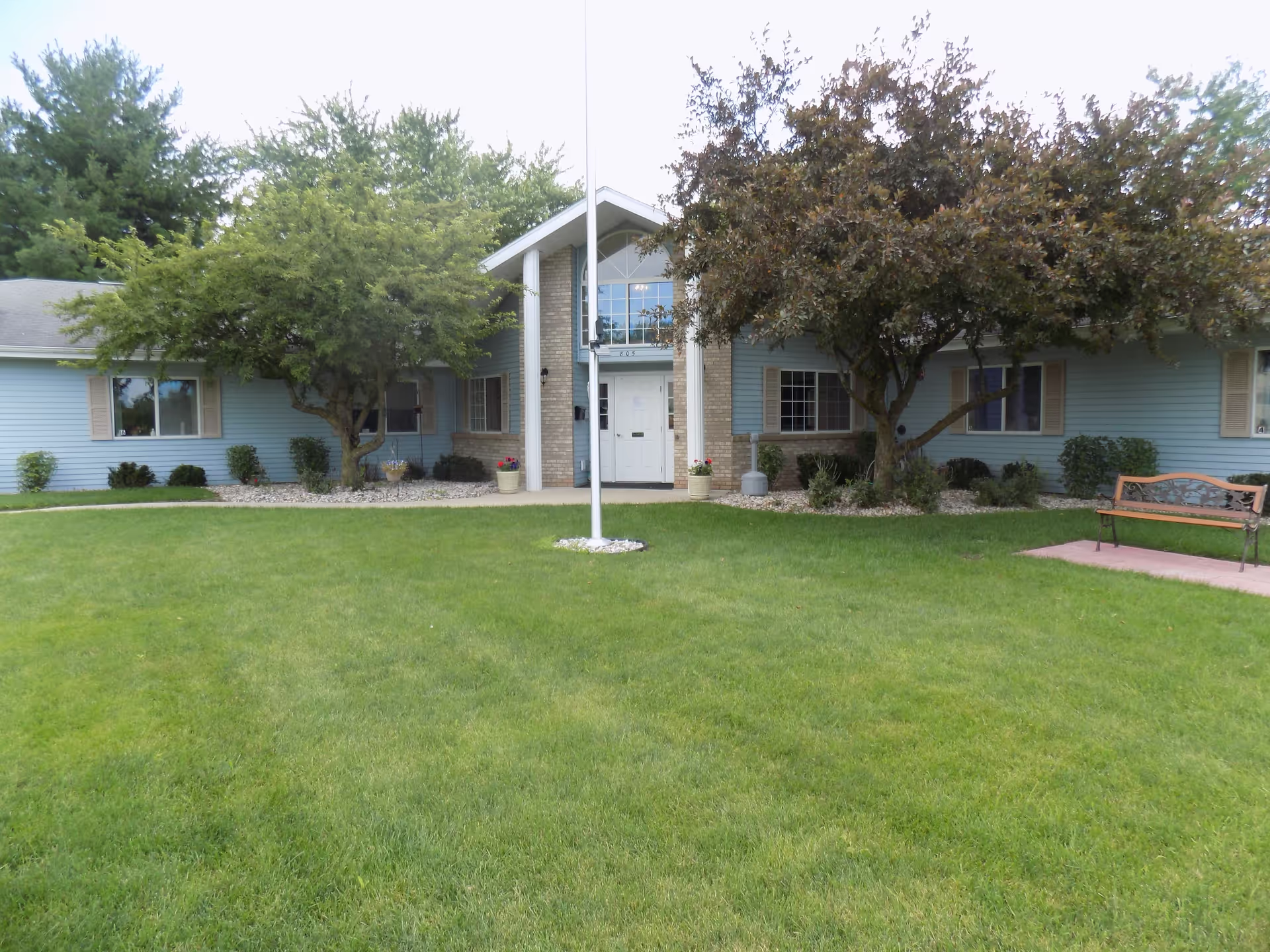
Overall impression: Riverside Terrace presents as a well‑maintained, quieter senior living community with a generally positive resident atmosphere. Reviewers emphasize the facility’s clean, well‑laid‑out interiors, a range of apartment sizes, and private, comfortable units. The community’s hospital affiliation and apparent clinical collaboration are cited as strengths that provide added access to resources and clinical input.
Care and staff: Staffing is consistently described as a strength. Families and visitors note compassionate, attentive CNAs and knowledgeable nursing staff, and several comments reference low staff turnover and positive staff morale. Staff interactions are characterized as welcoming and respectful; nurses and CNAs were described as engaged in residents’ needs and involved in admission interviews and ongoing care communication. These elements point to stable caregiving processes and accessible clinical oversight.
Dining and activities: Dining is regularly highlighted for both quality and presentation. Meals are described as hot, ample in portion size, and varied; the dining room uses linens and china rather than disposables, and a fruit and snack table is maintained. Activity programming appears broad and inclusive, with structured options such as games, crafts, baking, art, music, topical discussion, and even light sports, along with organized outings and transportation for off‑site activities. Reviewers indicate that residents are routinely included in activities and outings, supporting social engagement.
Facilities and management: The physical plant is portrayed as clean and thoughtfully arranged, with multiple floor plans and a peaceful environment that some families preferred for their loved ones. The hospital connection and staff expertise are noted as management strengths that can facilitate continuity of care. At the same time, a few families flagged operational issues around the admissions experience: some tours felt rushed, and there was limited clarity about on‑site security measures and the facility’s deposit and fee policies. These items suggest opportunities for clearer communication and greater transparency during the admissions process.
Notable patterns: Strengths cluster around caregiving stability, robust activity offerings, meal quality, and a calm facility environment. The most consistent operational concerns are informational rather than clinical — specifically, gaps in how security protocols and financial terms are explained to prospective residents and families, and variability in the thoroughness of tours and admissions encounters. Prospective residents and families may benefit from asking targeted questions about security measures, written fee/deposit terms, and arranging extended visits to evaluate the admissions and orientation experience before committing.