Overall impression: Heartland Country Village presents as a small, community-oriented facility with a number of clear strengths and some operational vulnerabilities. Many families and residents describe a warm, familiar atmosphere where staff learn residents’ names, engage personally, and prioritize participation in daily life. The facility’s therapy department, activity programming, and kitchen staff receive frequent praise for successful rehabilitation outcomes, creative programming (exercise classes, bingo, themed parties, holiday events), and willingness to accommodate meal substitutions.
Care quality and staffing: Clinical care is described in mixed terms. Positive accounts highlight compassionate nursing, hands-on directors of nursing, and around-the-clock coverage that supported successful therapy and discharge outcomes. Conversely, several accounts raise concerns about inconsistent staffing levels, frequent turnover, and reliance on contract staff. These staffing patterns are associated with delays in clinical responsiveness, instances of untimely medication administration, and gaps in continuity of care for residents with more complex needs. Reviewers praised specific clinical staff and therapists for beneficial outcomes, but also advised prospective families to ask about current staffing ratios and coverage patterns.
Dining and activities: The dining program is noted for flexibility and a willingness to provide substitutions, and the kitchen team is described as active and holiday-focused. At the same time, some families felt dietary plans were not always tailored to specific medical needs. Activities are a consistent strength: an engaged activities director, frequent group options, in-room alternatives, outings and themed events, and broader social programming contribute to a bright, participatory environment. Weekend programming appears more limited, which may reduce engagement on non-weekdays for some residents.
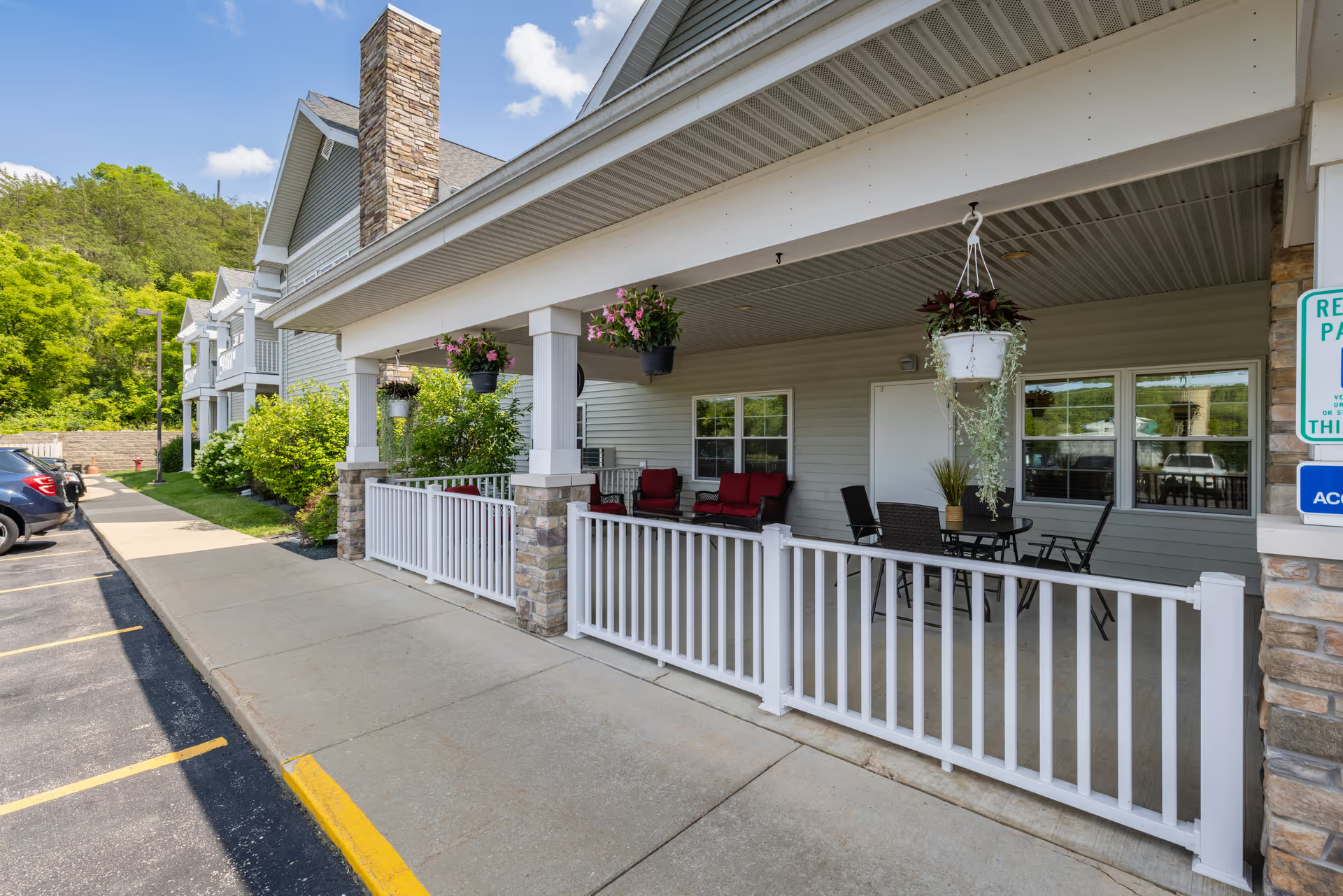
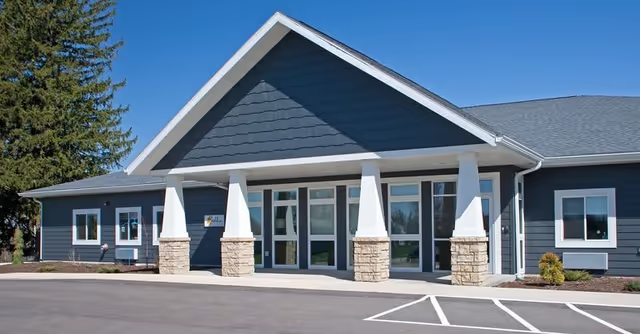
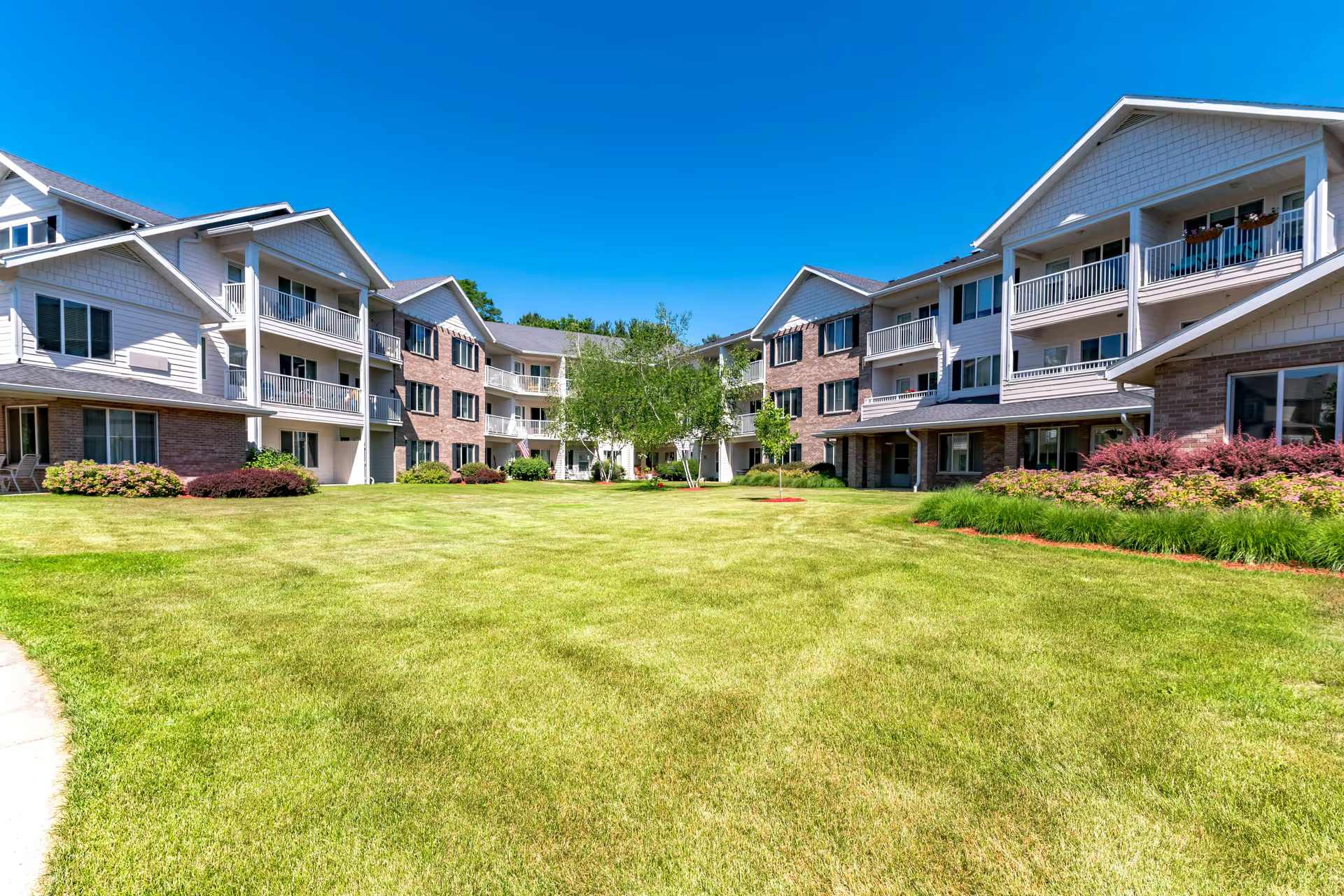
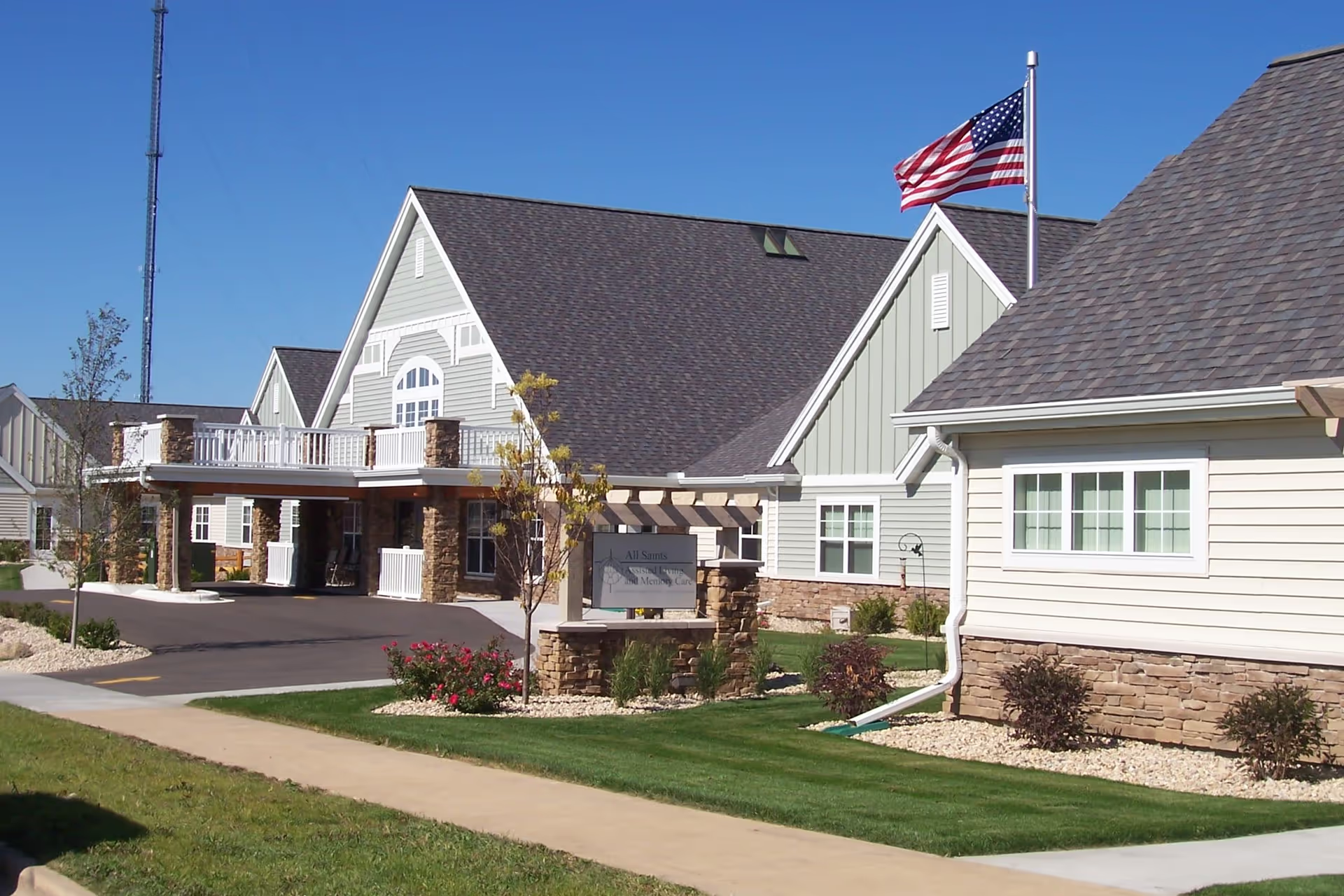
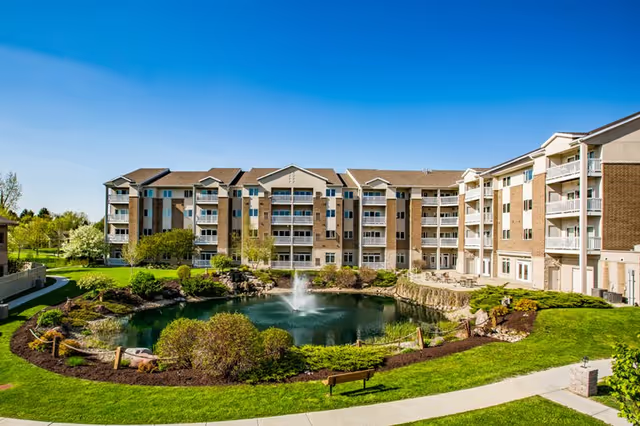
Facilities and environment: The campus and outdoor areas (including a pleasant yard and updated décor such as an aquarium) are positively described and contribute to a homelike ambiance. Simultaneously, reviewers noted visible wear and tear in places and identified housekeeping/maintenance issues such as carpets that need cleaning or replacement. These maintenance items appear to be localized rather than facility-wide, but they are important to review during a site visit.
Management and leadership: Leadership received mixed feedback over time. Some families reported frustration with prior administrative instability; others specifically praised recent leadership changes, describing an administrator and nursing director who are calm, hands-on, and resident-focused. The presence of engaged leaders and a proactive activities director is cited as a meaningful contributor to positive resident experience. Prospective families should inquire about current leadership tenure and turnover trends when evaluating the facility.
Notable patterns and recommendations: The balance of strengths (compassionate staff, strong therapy and activities, small-community feel) against operational weaknesses (staffing inconsistency, care-coordination gaps for complex needs, localized maintenance needs) suggests this facility may be well suited to residents who prioritize rehabilitation, social engagement, and a familiar environment, provided adequate clinical oversight is in place. Families considering placement should (1) confirm current staffing ratios and use of contract staff, (2) review medication-administration and wound-care protocols, (3) ask how dietary needs are individualized, (4) tour maintenance-affected areas, and (5) clarify weekend activity and clinical coverage. These inquiries will help match a prospective resident’s medical and psychosocial needs to the facility’s current capabilities.