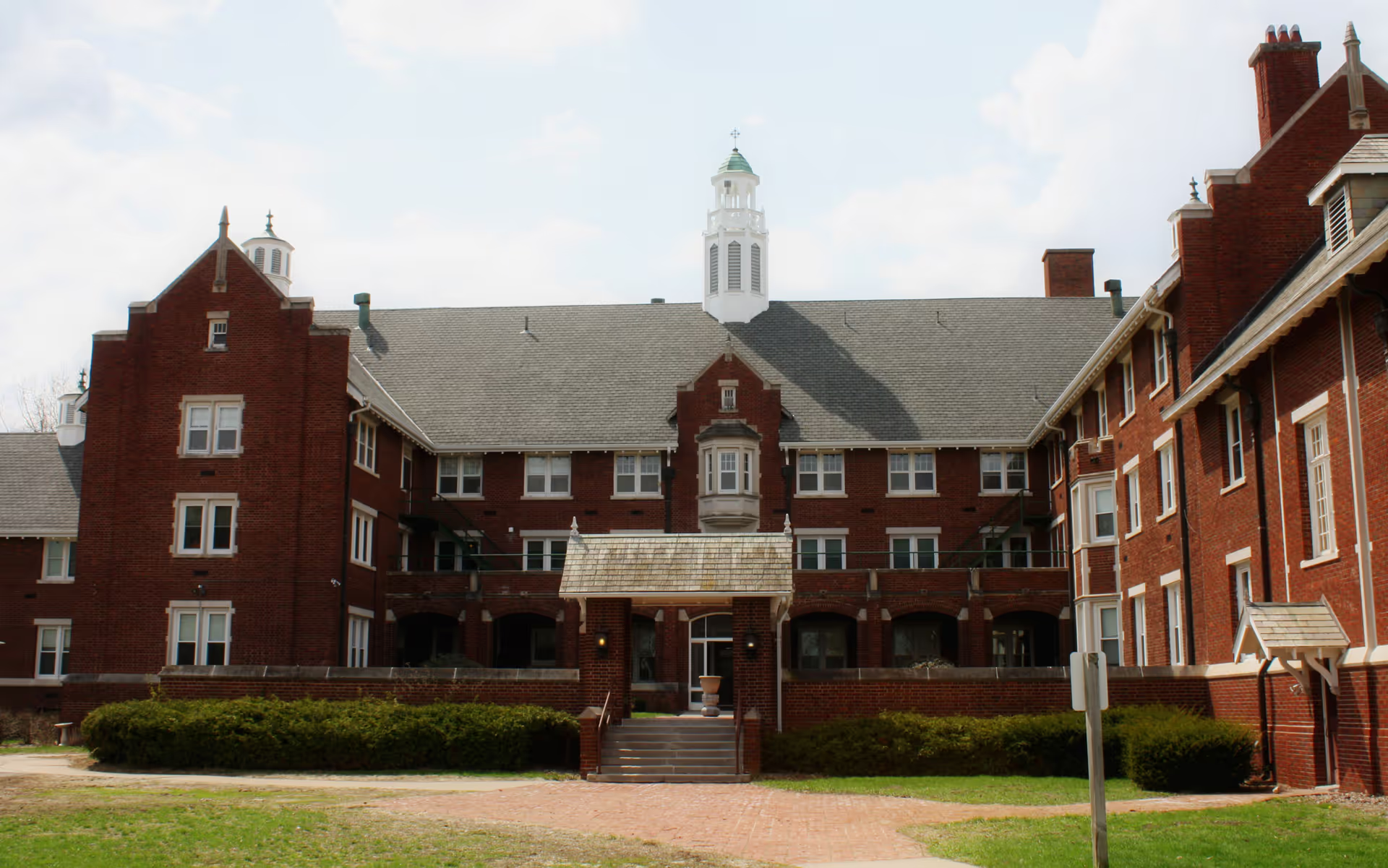
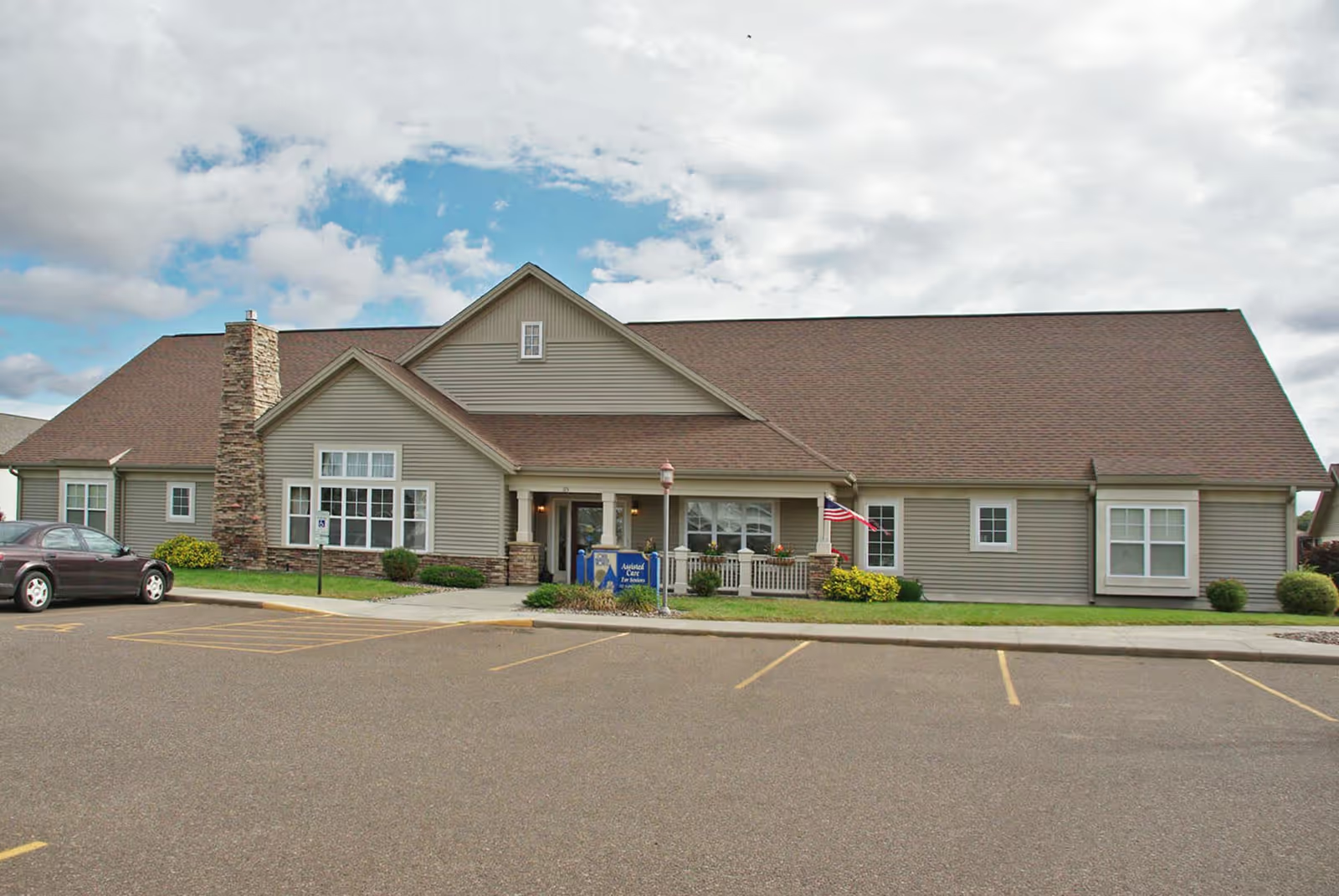
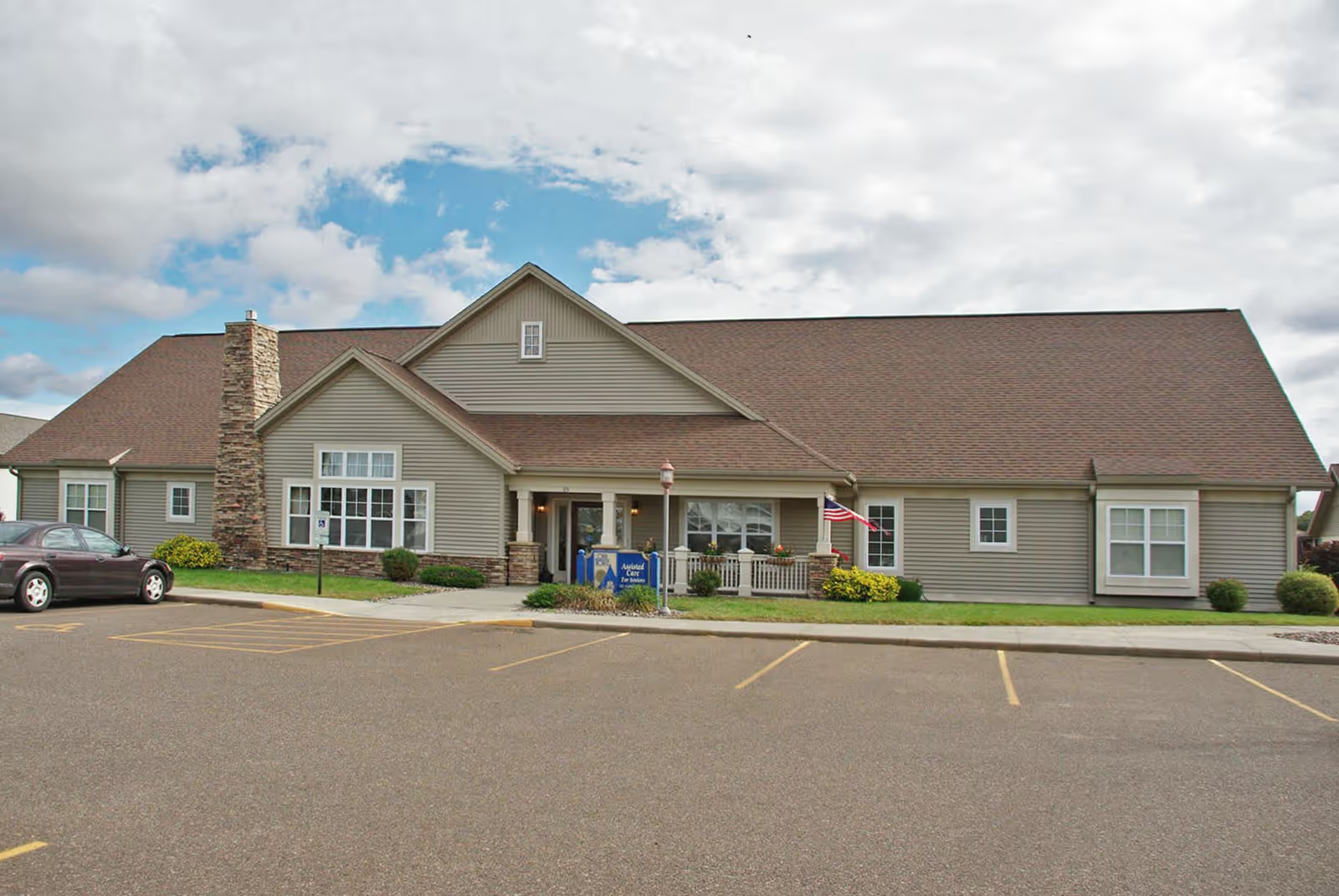
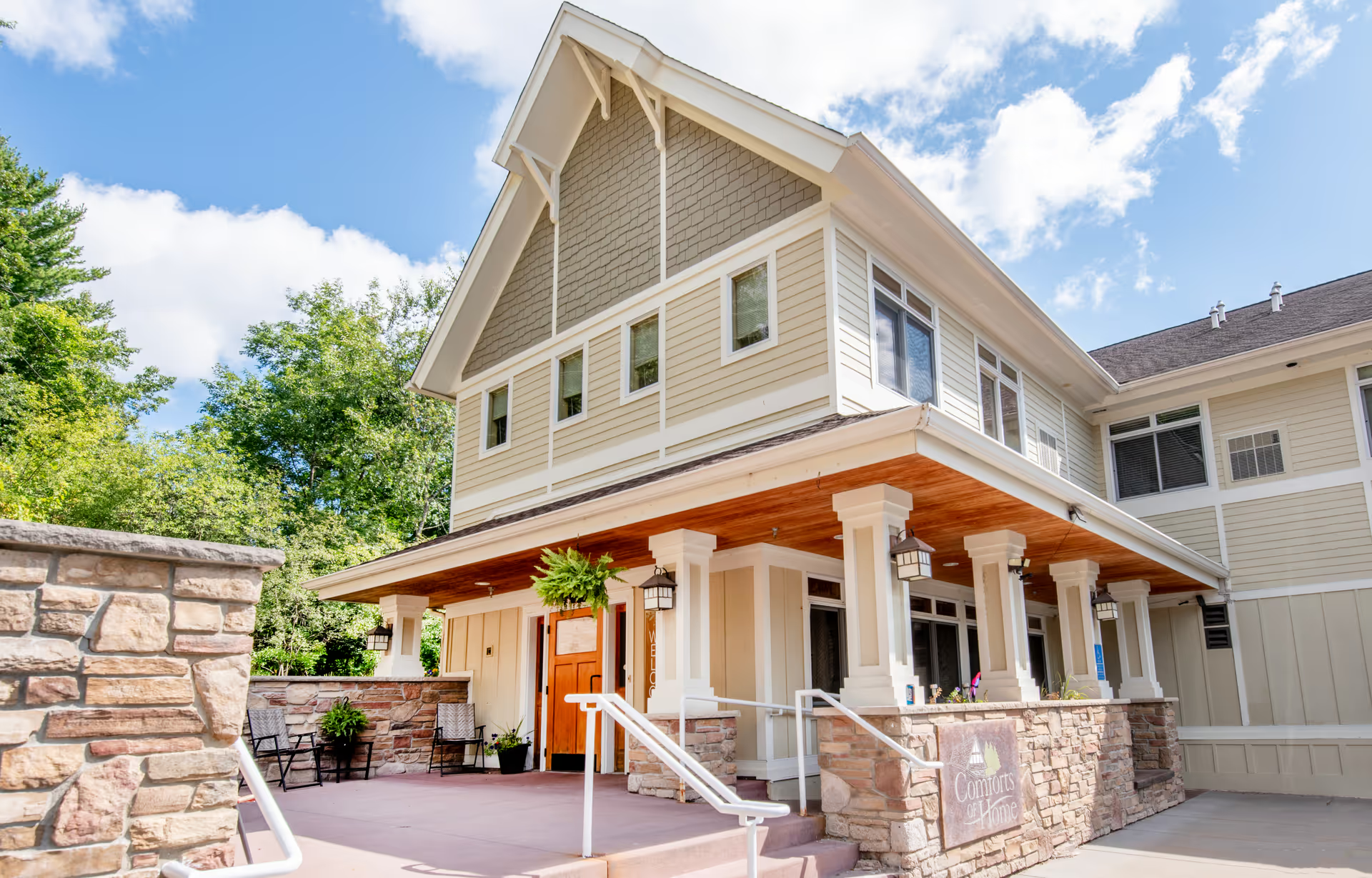
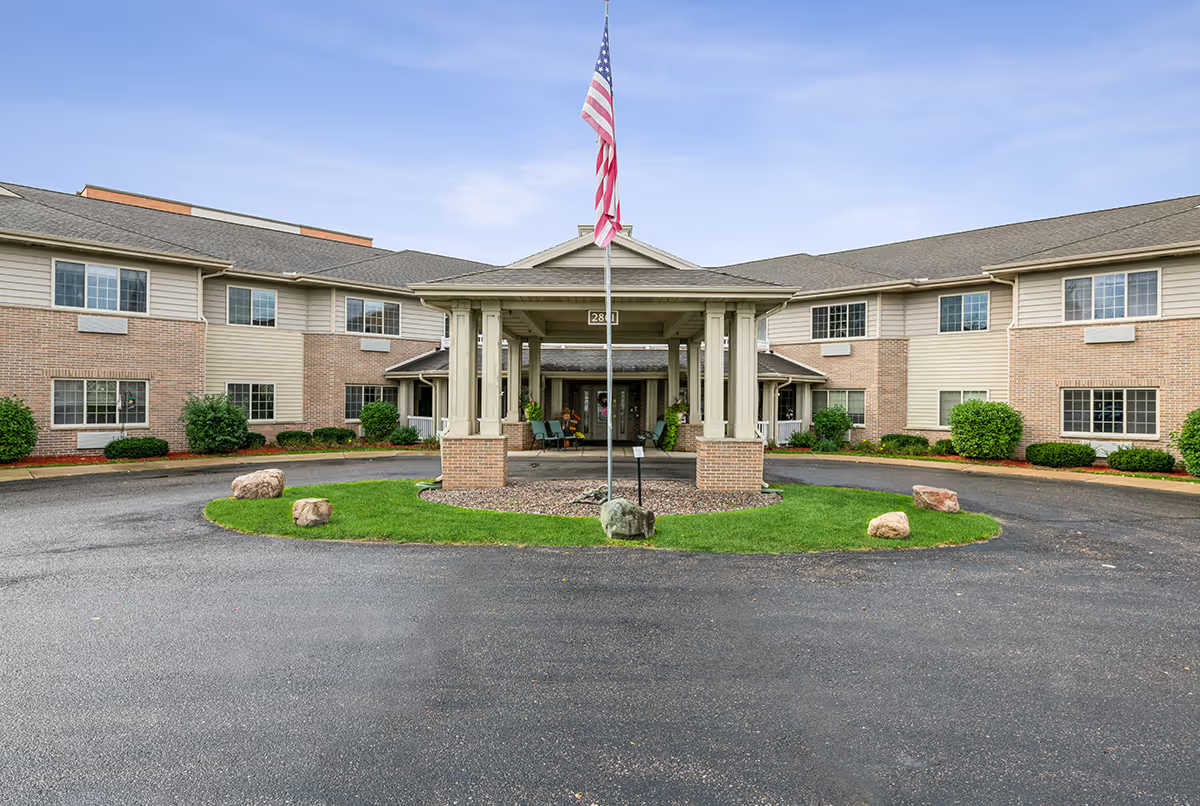
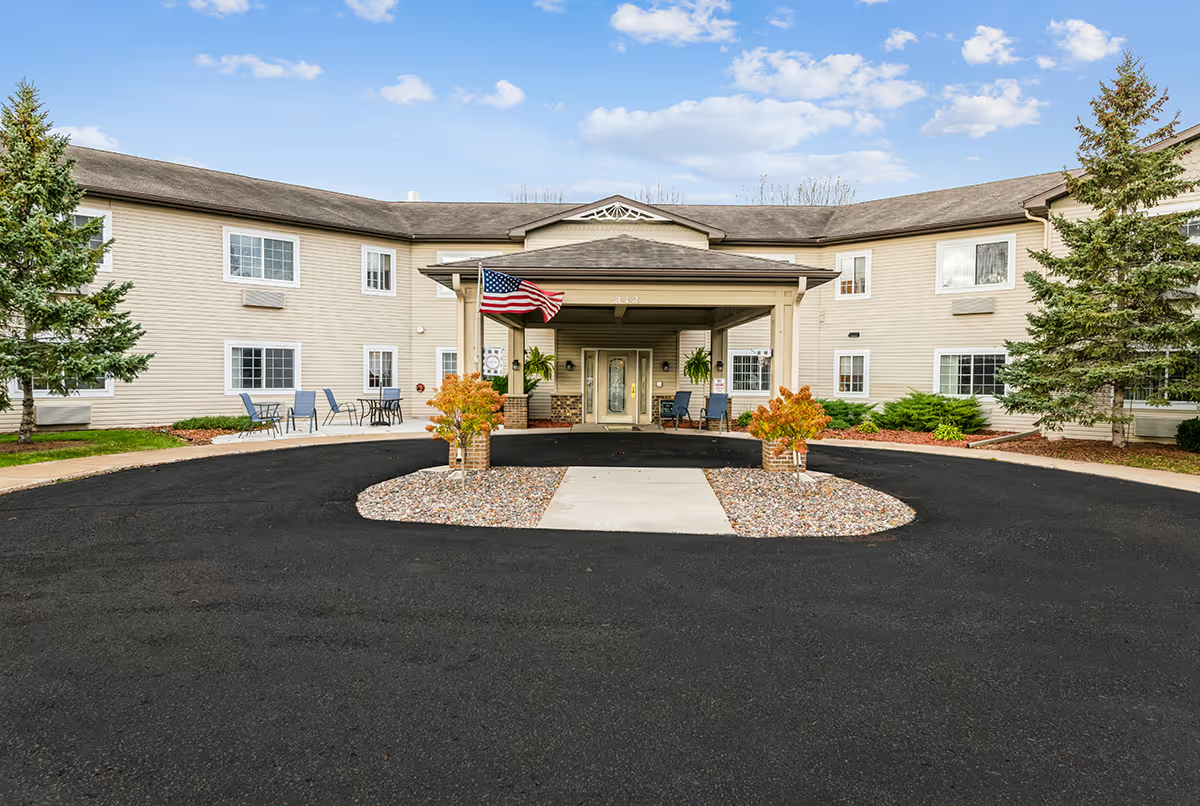
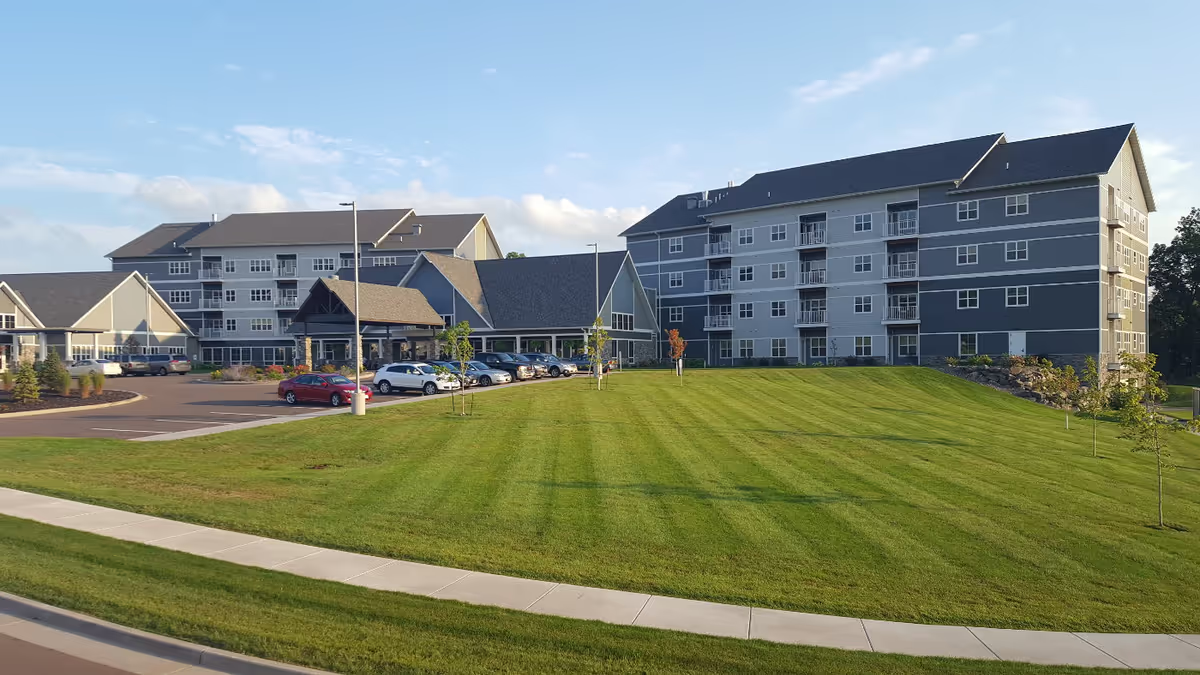
Overall impression: Lake Hallie Memory Care is consistently described as a clean, modern, single-level memory-care community with attractive outdoor areas and an active life-enrichment program. Families frequently highlight compassionate, hands-on floor staff and an administrator who is willing to assist; reviewers noted calm and effective staff performance during emergencies and evacuations. The community’s design — separate wings or sections with dedicated aides and nearby dining centers — supports smaller household-style care and regular snack/meal availability.
Care and staff: Care quality is generally characterized as attentive and responsive. Reviewers described staff who keep families informed, handle stressful situations calmly, and provide direct, personalized attention such as meal customization. Life-enrichment staff and activities leaders are repeatedly praised for offering engaging programming (crafts, music, singing, outings), and residents are described as enjoying the activities. However, there are recurring operational concerns around staffing consistency; reviewers noted periods when staff appeared short or fatigued, and there are broader concerns about gaps in communication and administrative clarity that affect family interactions and intake processes.
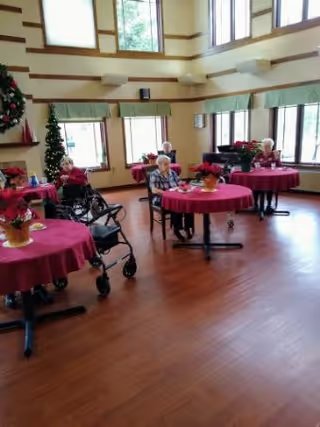
Dining and meals: The facility offers multiple dining spaces (one per wing/section) and allows meal personalization and frequent snacks, which families generally liked. Dining rooms are described as pleasant, but seating capacity is limited in some areas, which may constrain communal dining at peak times. A few reviewers described issues with meal continuity during transitions or check-in, suggesting occasional lapses in meal-service logistics.
Activities and amenities: Programming is a clear strength — daily activities, themed crafts, music, and occasional outings (when available) contribute to resident engagement. The grounds, patios, gardens, and an on-site pond provide accessible outdoor opportunities. Rooms have limited built-in amenities compared with some settings: reviewers noted the absence of larger living-area features and limited closet/storage configurations, and some rooms lack sinks or other plumbing features. The community permits certain small personal appliances (for example, a personal refrigerator) subject to memory-care electrical restrictions.
Management, safety, and operations: Management is often praised for being supportive and hands-on, but reviewers also identified operational weaknesses that families should consider. Communication gaps (unanswered questions, unclear procedures, inconsistent phone/tour responsiveness) were noted alongside concerns about pendant issuance and pendant-response times. Security-related issues affecting resident property control were cited, indicating a need for clearer asset-protection processes. Visiting-hour policies and intake/tour coordination were described as inflexible or uneven in some instances.
Bottom line: The facility appears to provide a compassionate, activity-rich memory-care environment with attractive grounds and generally strong front-line caregiving. Prospective families should weigh those strengths against operational issues — particularly communication processes, staffing consistency, in-room amenity limitations, dining-capacity constraints, and aspects of safety/property control — and ask targeted questions about pendant-response protocols, visitation flexibility, intake/tour procedures, and property safeguards during a visit.