Overall impression: East Troy Manor elicits strongly mixed but specific impressions. Many family members and residents described high-quality hands-on care in areas where the facility focuses—particularly short-term rehabilitation and therapy—while also praising a consistently clean environment and a warm, family-like culture. At the same time, several operational and administrative weaknesses were raised that affect day-to-day resident experience and placement suitability.
Care and staff: Reviewers frequently commended nursing, therapy, and social-work staff for compassion, clinical competence, and individualized attention. Rehabilitation outcomes were highlighted, with examples of measurable recovery and successful transitions home; therapy staff and named clinicians were singled out for expertise. The community atmosphere is repeatedly described as welcoming and familial, with staff who engage residents, support family involvement, and accommodate visits. However, concerns about inconsistent staffing levels surfaced repeatedly. Families reported delays in response to resident needs—long waits for call lights—and raised questions about staff workload and management responsiveness. A smaller but notable set of comments pointed to concerns about staff conduct and a need for clearer management follow-up when issues arise.
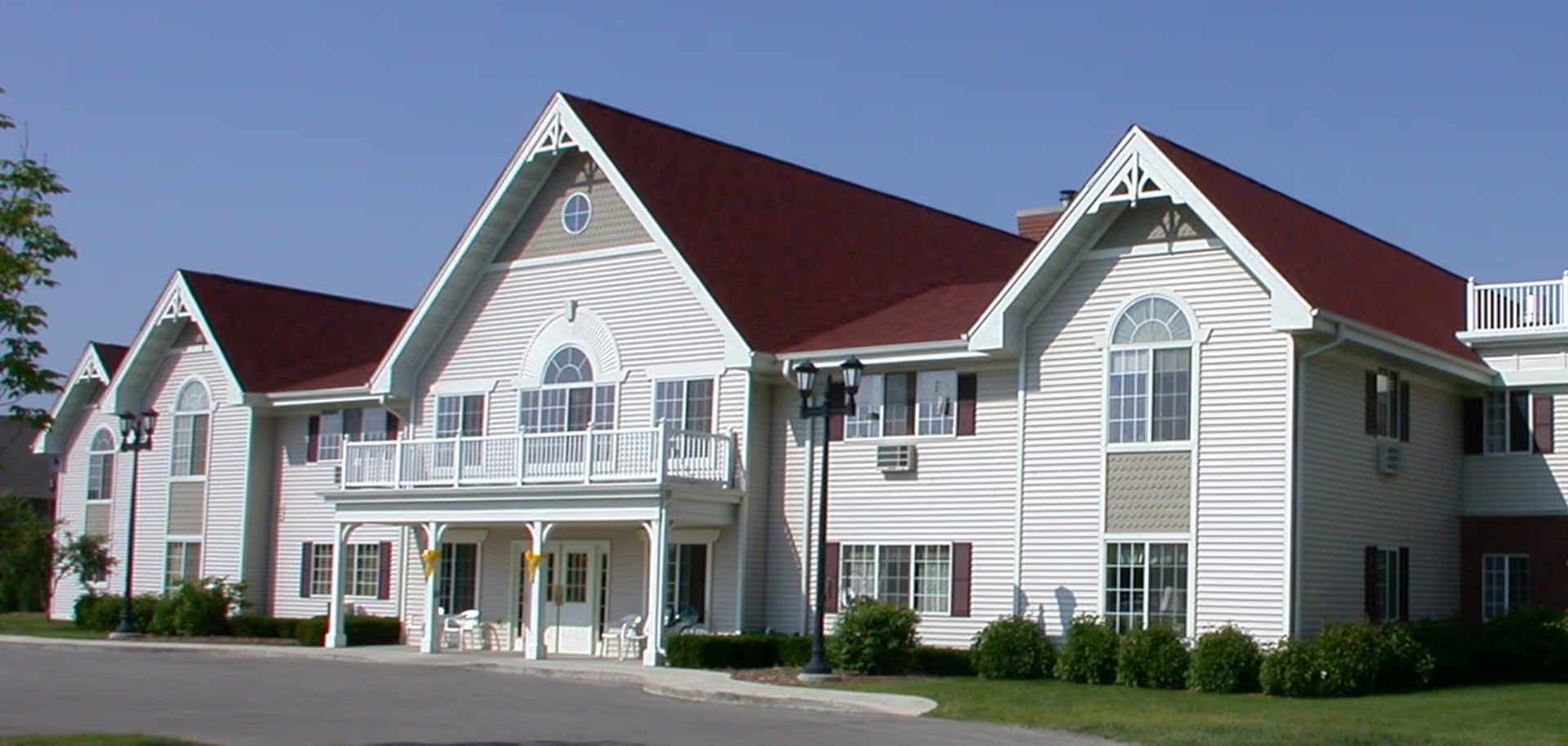
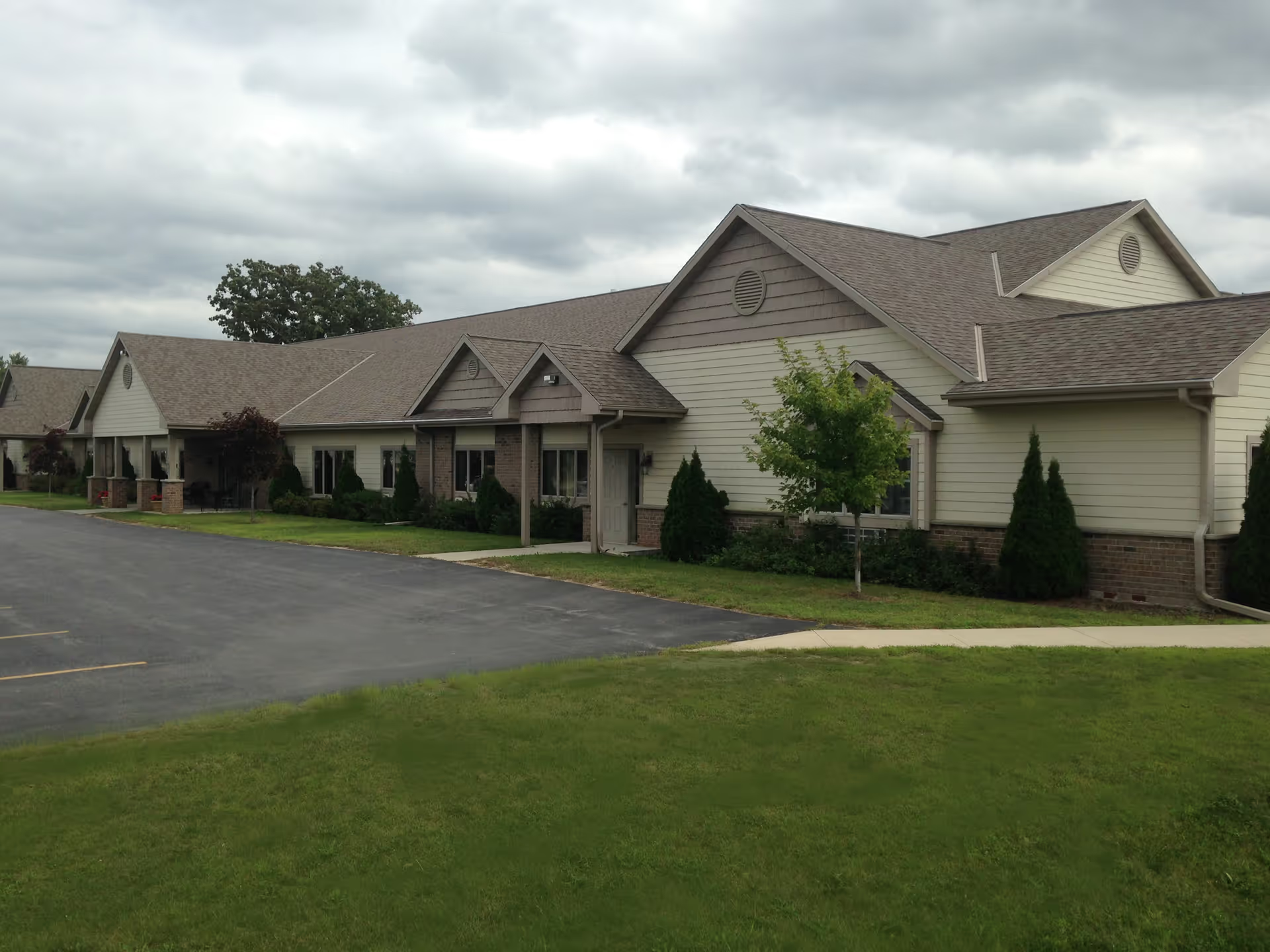
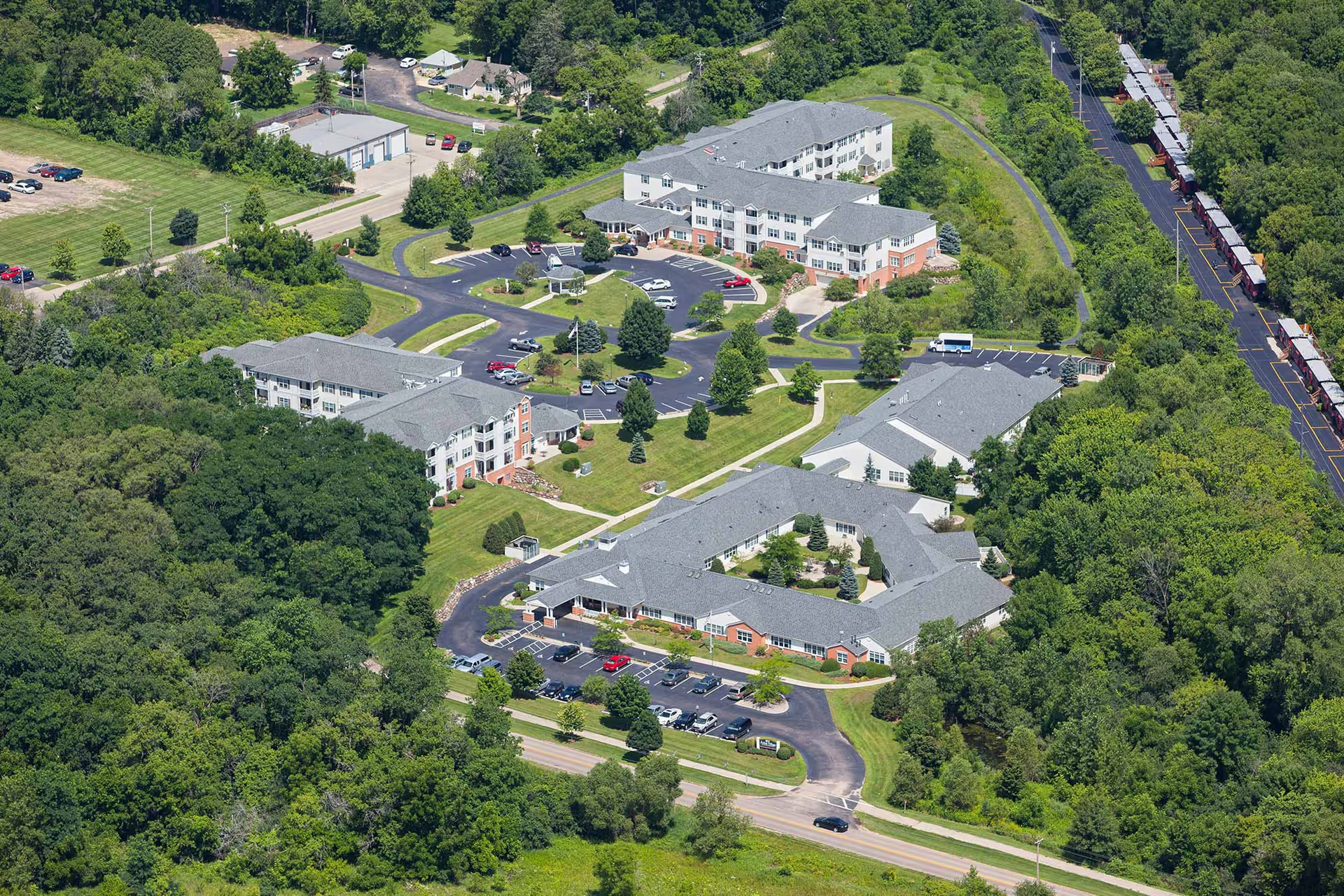
Dining, activities, and facilities: Dining and recreational programming are strengths in visitor perceptions. Meals were described as enjoyable and staff in food service responsive. Activities and social programming are characterized as engaging and inclusive, contributing to residents’ well-being. The physical environment is generally reported as clean and well maintained, even if the building itself is not the newest facility; cleanliness and upkeep are cited as positives.
Management, admissions, and safety patterns: Administrative operations present a mixed picture. Positive experiences with admissions staff and care coordination (including transportation help and discharge follow-up) coexist with reports of administrative disorganization, poor communication during referrals, and occasional refusal or delays in admission/rehabilitation transfers. Families also flagged specific operational issues such as mail-handling and financial-process problems that had downstream impacts. Importantly, several reviewers indicated the facility is not equipped to meet higher-level memory-care needs; placement suitability for residents with dementia needs appears limited and can lead to transfer. Safety oversight was another recurrent concern—reviews referenced preventable incidents and fall-related worries, suggesting opportunities to strengthen fall-prevention protocols, staffing models that support timely assistance, and related safety processes.
Notable patterns and guidance for families: East Troy Manor appears well suited for residents seeking short-term rehabilitation, hands-on therapy, and a clean, socially active environment staffed by caring caregivers. Prospective residents and families should, however, verify current staffing levels, ask about call-system response times and fall-prevention measures, and confirm the facility’s dementia-care capabilities and admission/transfer policies. Also inquire about administrative practices for mail, billing, and referral coordination to ensure these processes meet your expectations. Taken together, the feedback suggests a facility with clear clinical and relational strengths that would benefit from focused improvements in administrative consistency, dementia placement clarity, and staffing/staff-response reliability.