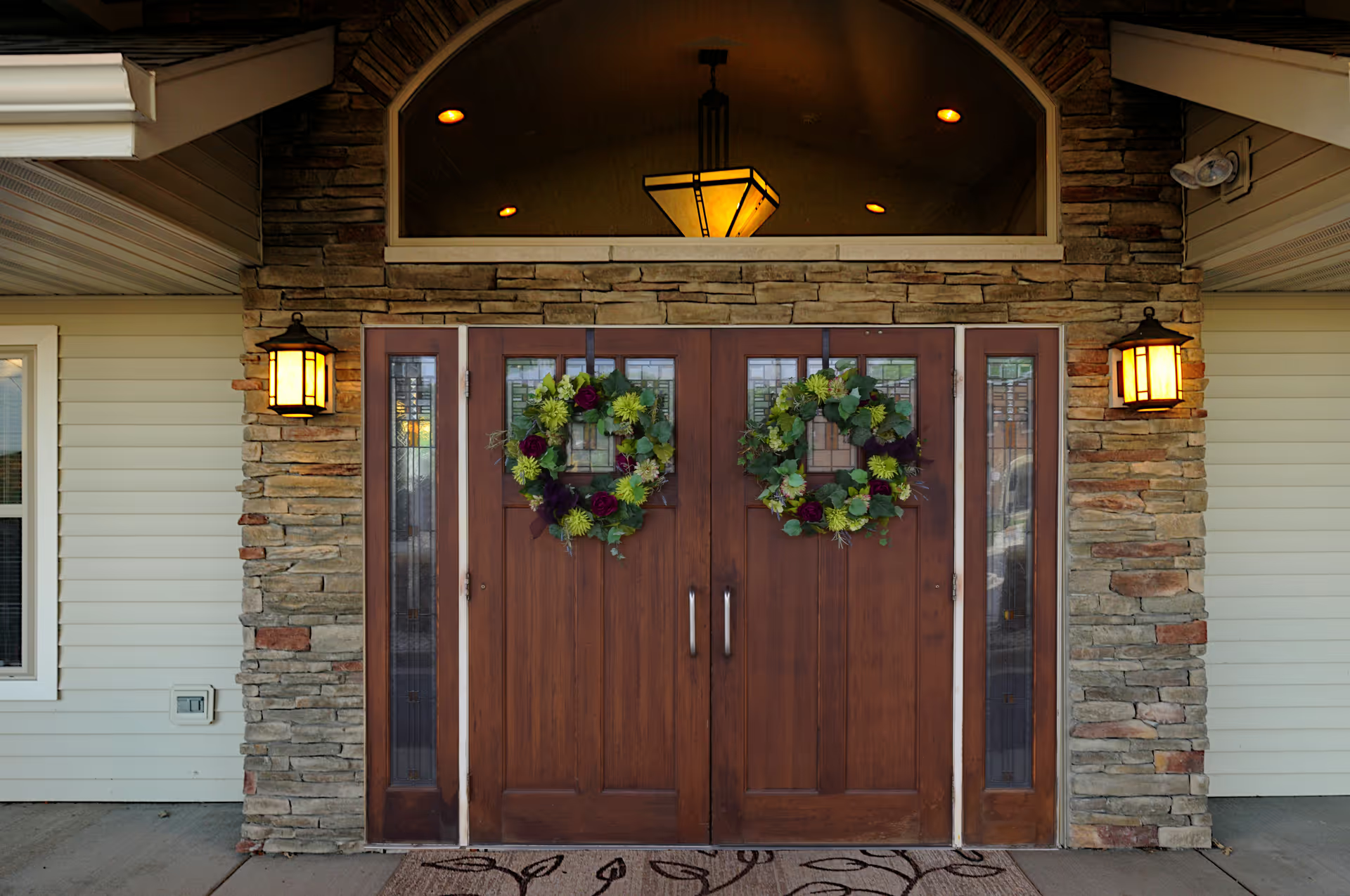
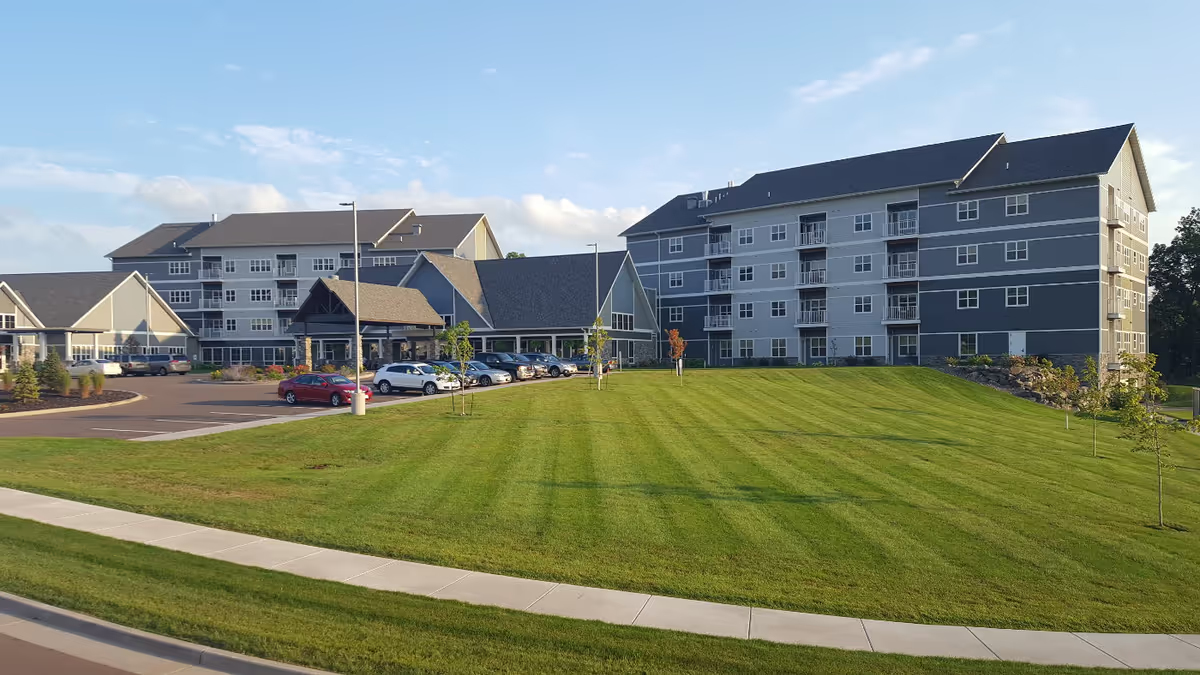
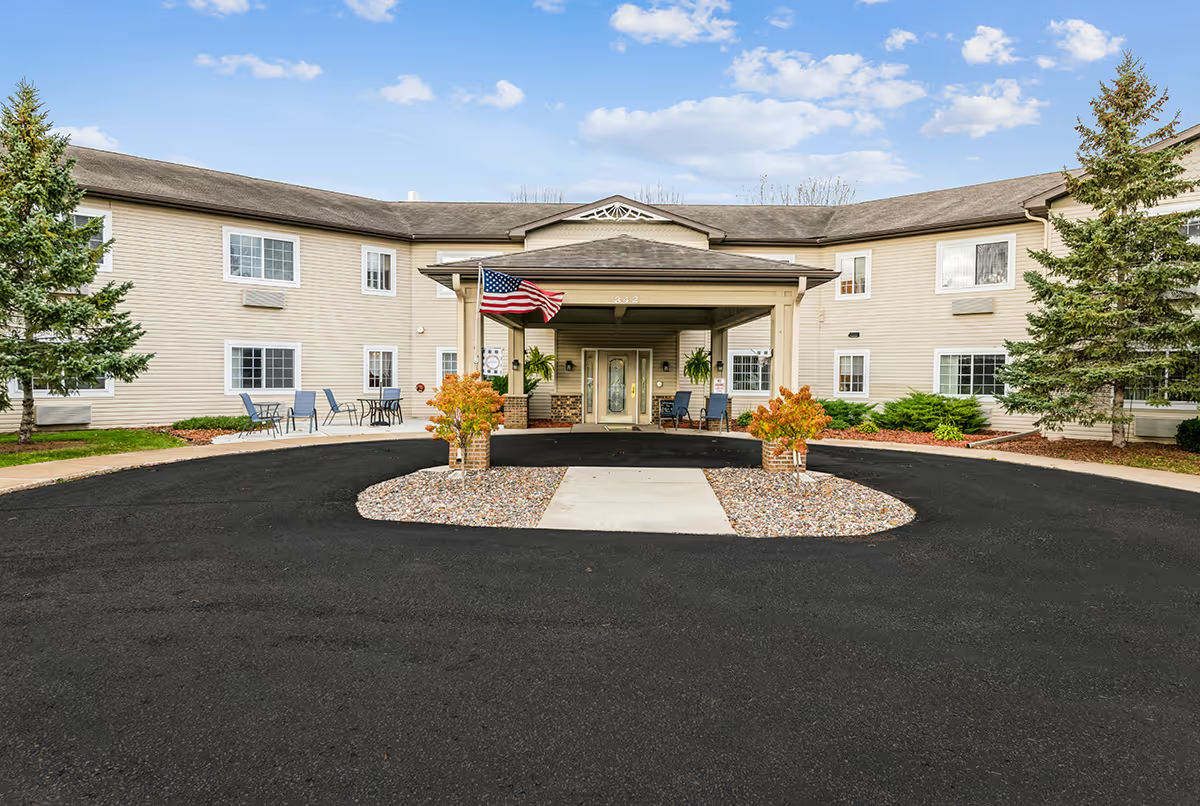
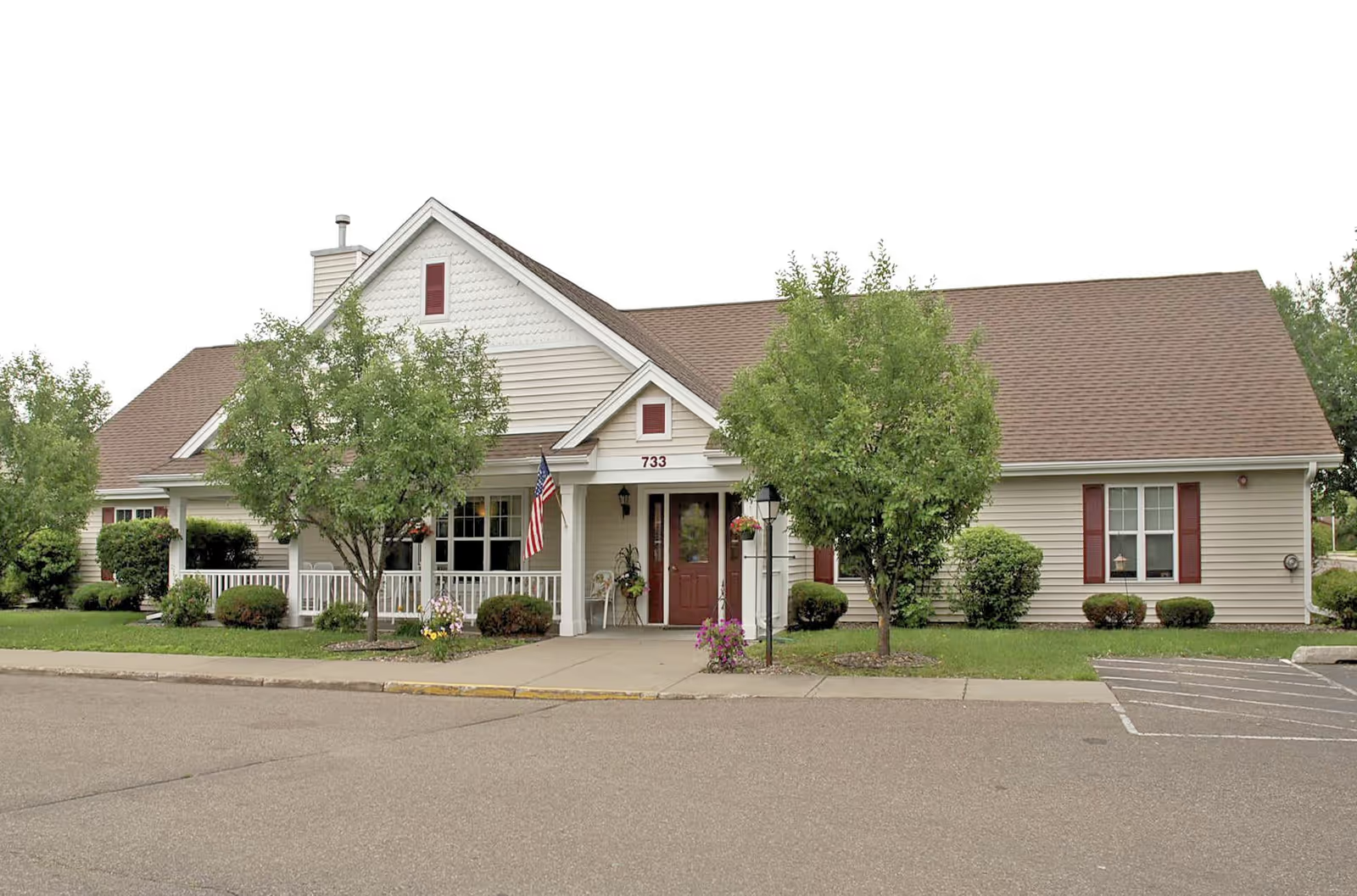
Overall impression: Azura Memory Care of Eau Claire receives frequent praise for its memory-care focus, activity offerings, and physical environment. Many families highlighted compassionate, dementia-trained staff and described the community as home-like with accessible layouts, patios, gardens, and secured outdoor space. Reviewers commonly noted strong person-centered care, including attention during end-of-life transitions and support that preserves resident independence.
Care and staff: The dominant theme across feedback is positive regard for caregiving staff — described as caring, patient, and skilled with dementia-specific needs. Multiple accounts emphasize smooth move-ins, strong responsiveness, and staff who prioritize resident dignity. At the same time, there are isolated but notable negative perceptions: one reviewer expressed strong dissatisfaction with staff, and a subset of comments indicate uneven impressions of overall care quality. Operationally, reviewers raised concerns about staff compensation levels; this suggests a potential risk for turnover that could affect continuity of care if not addressed.
Clinical operations and medications: Several reviewers identified gaps in medication-related processes: delayed callbacks regarding medications, questions about pricing, and requests for clearer communication from clinical staff. There are also concerns about medication-pricing transparency. These indicate opportunities for more consistent medication communication, clearer billing explanations for pharmacy charges, and strengthened protocols for timely clinical callbacks.
Dining and resident independence: The community offers features that promote independence, including opportunities for residents to participate in light cooking. While explicit comments on food quality are limited, the independence-oriented dining options were viewed positively where mentioned.
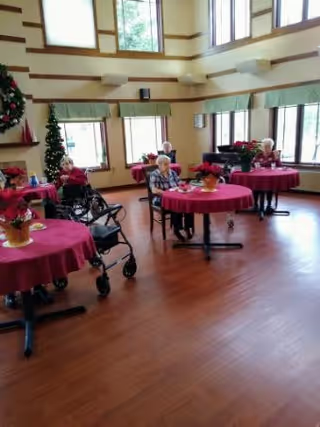
Activities and amenities: Activity programming is a clear strength. Reviewers cited a variety of engaging events (including live performances and beauty-parlor services), an active calendar, and social opportunities that contribute to a lively atmosphere. The facility’s activity room and outdoor areas are frequently noted as valuable resident resources.
Facilities and logistics: Physical spaces are described as well-maintained, easy to navigate, and comfortable. Multiple private room-size options allow families to choose based on needs and budget. Some people found the community’s location to be farther from family, which may be a consideration for prospective residents whose support network expects close proximity.
Management and financial practices: A recurring operational concern involves billing and contract practices. Reviewers cited contract and billing questions, medication-pricing issues, and firm ACH fund-control policies that they perceived as inflexible or lacking straightforward refund mechanisms. These comments point to a need for clearer financial communication, more transparent pricing, and reviews of ACH/refund procedures to reduce family frustration during admissions or billing disputes.
Patterns and recommendations for prospective families: Prospective residents and families should weigh the community’s strong memory-care focus, active programming, and reportedly compassionate staff against the practical considerations of location and financial procedures. During a tour or intake, families may wish to ask specific questions about medication administration and pricing, staff turnover and compensation initiatives, contract terms including ACH policies and refund processes, and to request examples of recent activity calendars. Given mixed impressions in a small number of accounts, an extended visit or conversation with current families may help clarify fit for an individual resident’s needs.