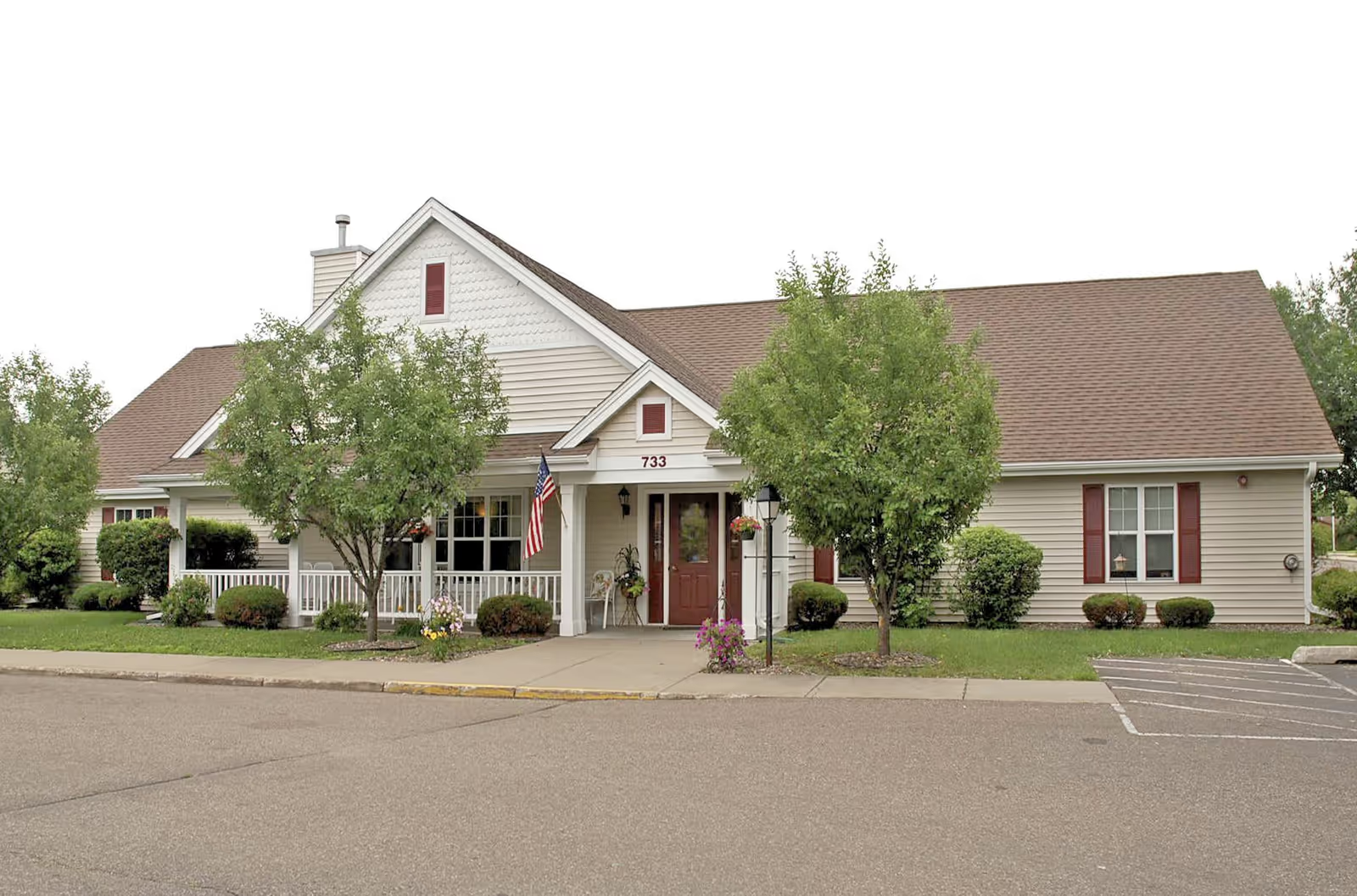
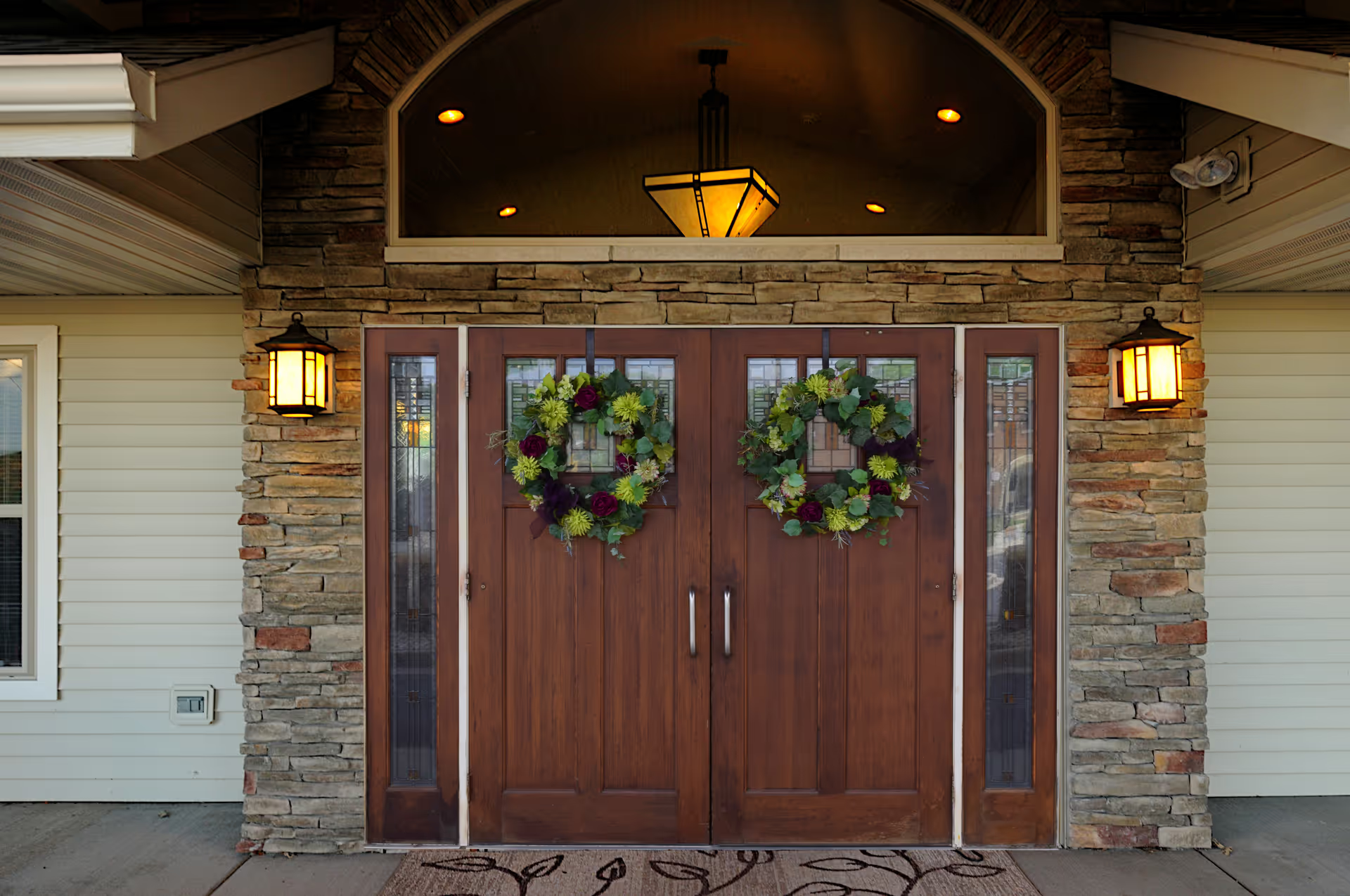
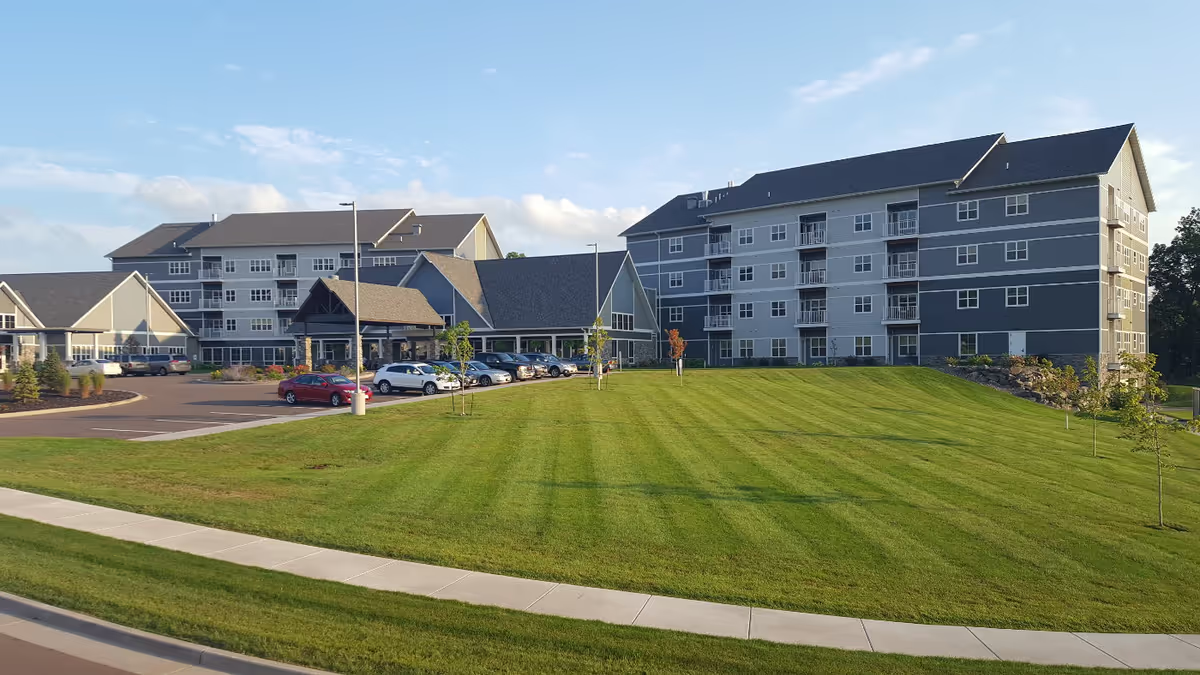
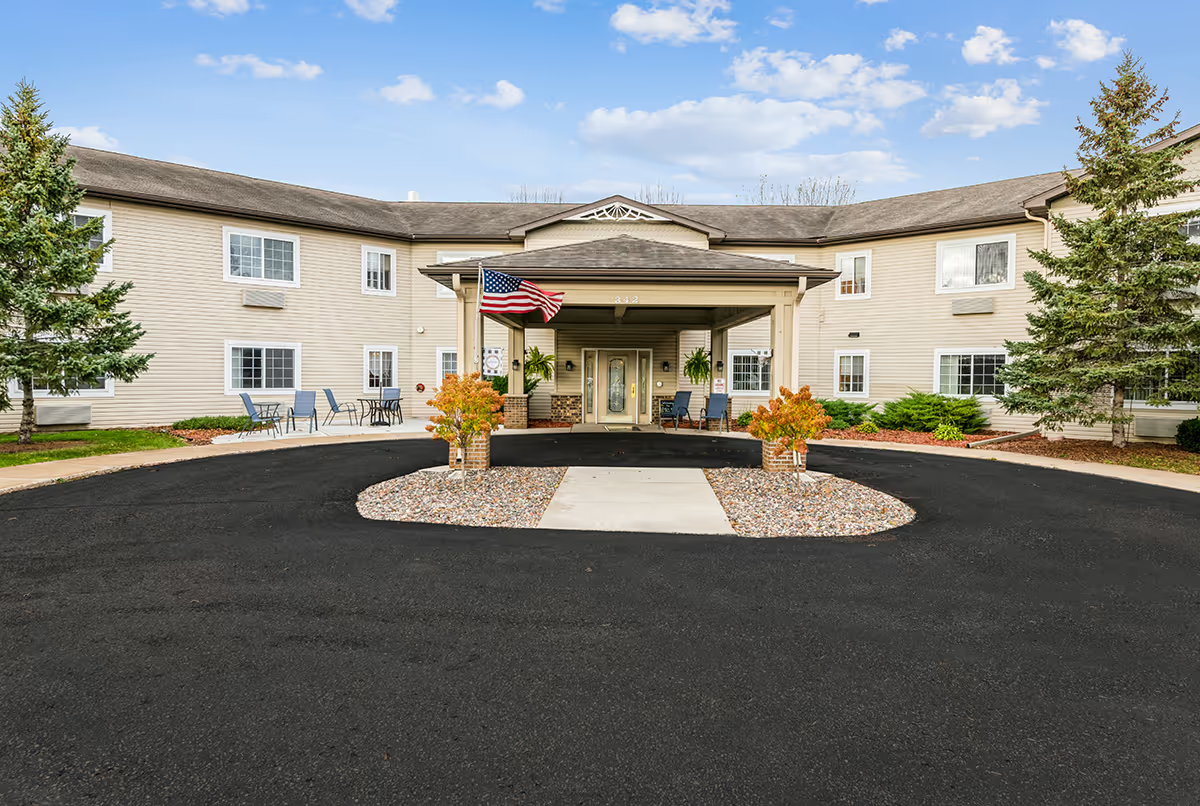
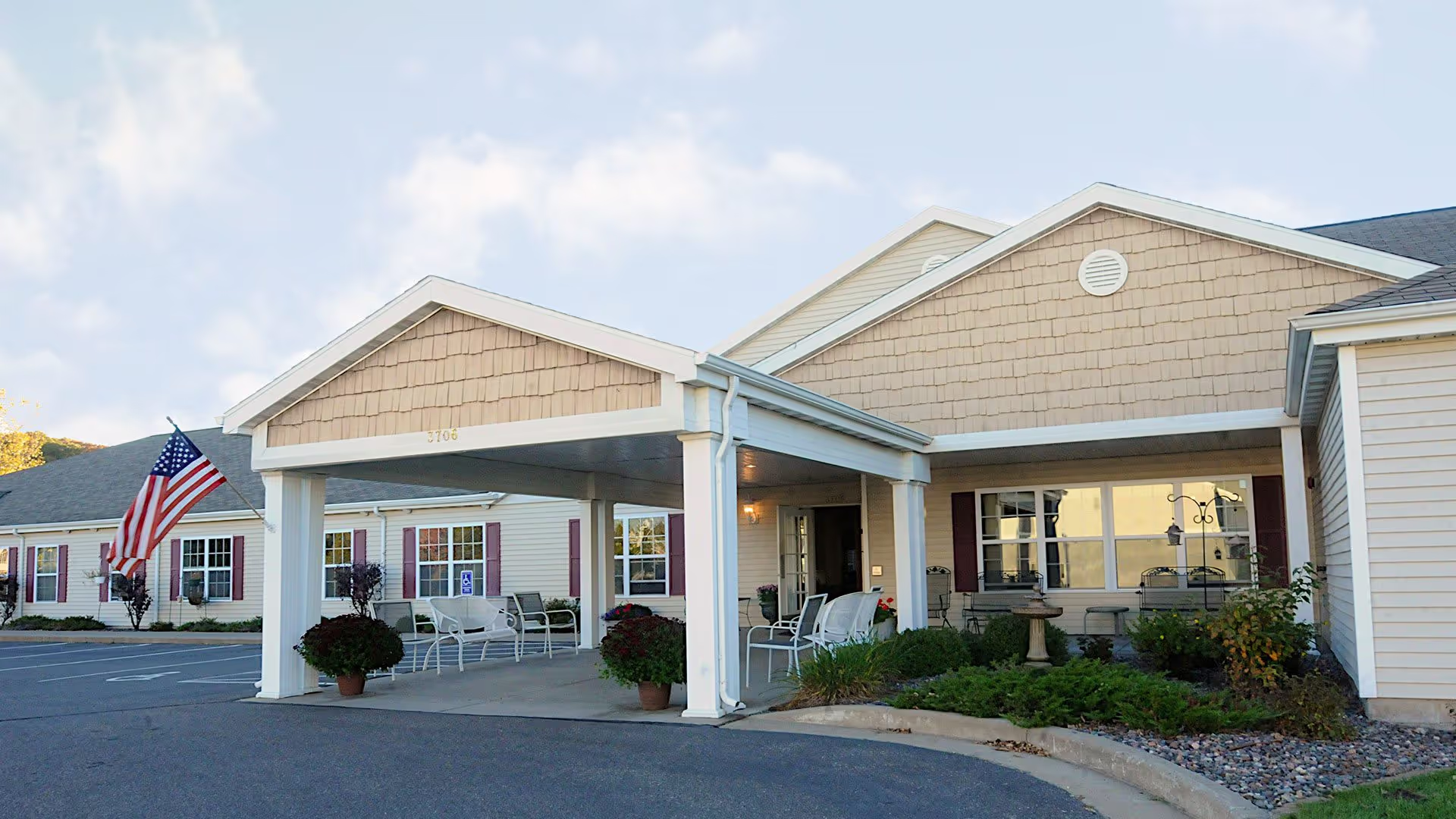
Clearwater Care Center presents a mixed but distinct profile: it is generally strong as a short-term rehabilitation destination while exhibiting operational weaknesses that affect some aspects of longer-term and transitional care. The therapy department is consistently praised for clinical skill and engagement; families singled out individual therapists and described active, effective programs and social therapy events. Physical spaces associated with rehab are described as newly remodeled, spacious, wheelchair-accessible, and comfortable, supporting a positive rehabilitation experience.
Direct-care staffing and clinical oversight received divergent comments. Several families and visitors commended specific CNAs and licensed nurses for attentiveness, kindness, and efficiency, and some noted timely pain management and attentive skin-care monitoring. Conversely, a number of accounts describe staffing shortfalls and delays in responding to resident requests, which caregivers characterized as reduced responsiveness and slower assistance. These staffing inconsistencies appear to be a recurring operational concern that can affect day-to-day resident experience.
Medication management, communication, and transitional processes emerged as important patterns of concern. Multiple accounts describe missed or misplaced medications, incomplete medication lists at discharge, and limited explanations from nursing staff when discrepancies occurred. These issues point to gaps in medication reconciliation and discharge documentation that families should verify during placement or transitions of care.
Dining and activities present a similarly mixed picture. Therapy-supported activities and occasional social events were appreciated, and food quality was described as improving by some families. At the same time, there were examples of inconsistent meal-service timing and inadequate menu communication, which indicate variability in dining operations and hospitality routines.
Facility cleanliness and environmental maintenance are generally described positively—housekeeping is credited with keeping many areas clean and odor-free, and the newer rooms and accessible features are strengths. However, some families described cleanliness and sanitation concerns in particular units or rooms, suggesting variability in housekeeping performance across the facility.
Leadership and administration show signs of active improvement: an administrator received commendation for working to restore reputation and clinical leadership was visible in some positive interactions. Nevertheless, family communication systems (phone and voicemail), nursing communication with families, and finance/billing procedures were flagged as unreliable or problematic in several accounts; aggressive collections handling and poor billing communication were specific operational red flags.
Overall recommendation: Clearwater Care Center appears to be a strong choice for short-term rehabilitation because of its therapy resources, physical environment, and many capable direct-care staff. Prospective residents and families considering longer-term placement should evaluate current staffing levels, medication-reconciliation practices, discharge documentation procedures, and billing communication; arranging direct conversations with therapy leads, nursing leadership, and business office staff and observing call-response times can help assess whether the facility’s operational gaps have been addressed.