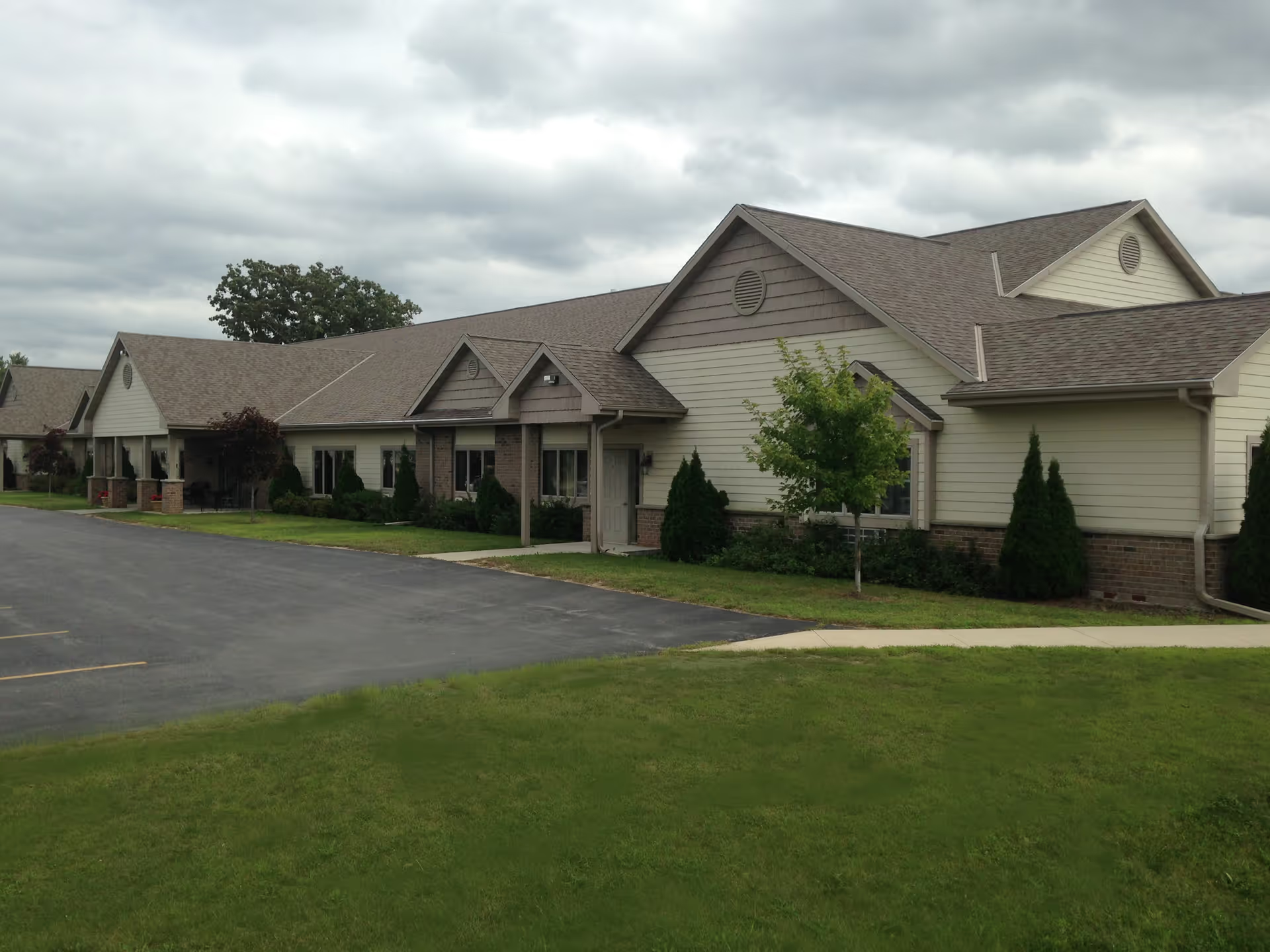
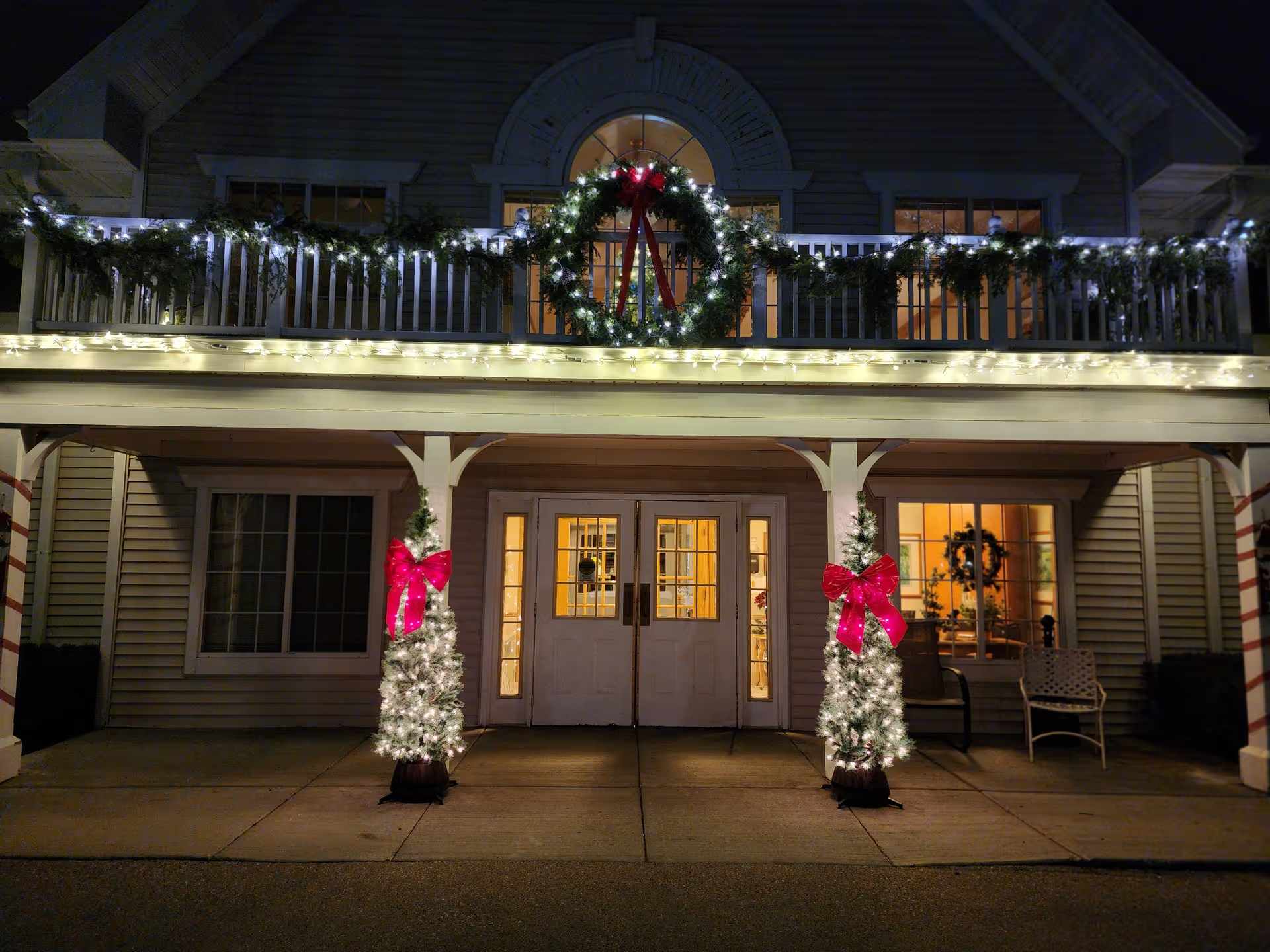
Overall impression is of a facility with strong clinical and rehabilitative capabilities supported by a largely compassionate and professional staff. Reviews emphasize effective therapy services—physical, occupational, and speech therapy—with particular praise for warm-water aquatic therapy and individualized therapist guidance. Families and residents frequently cite measurable functional improvements, successful post-discharge planning, and hands-on caregiver training that aid transitions home.
Staff culture and direct care are commonly described as a strength. Caregivers, therapists, and kitchen teams receive repeated positive mention for respectful, attentive interactions and a family-focused approach. Several reviewers named individual clinicians and aides who provided especially helpful or empathetic care. Safety features such as fall-risk alarms and active monitoring, alongside documented follow-up plans, contribute to a perception of good clinical oversight for higher-acuity or post-stroke patients.
Dining and nutrition services receive mixed but generally favorable comments. Many reviewers praise high-quality meals and the facility’s ability to provide thickened liquids and other modified diets. At the same time there are recurring operational notes about variability in food quality and occasional meal-delivery errors; kitchen staff are often praised even when these service issues are noted. Prospective families should confirm current menu practices, meal-delivery controls, and accommodations for specific dietary needs during a visit.
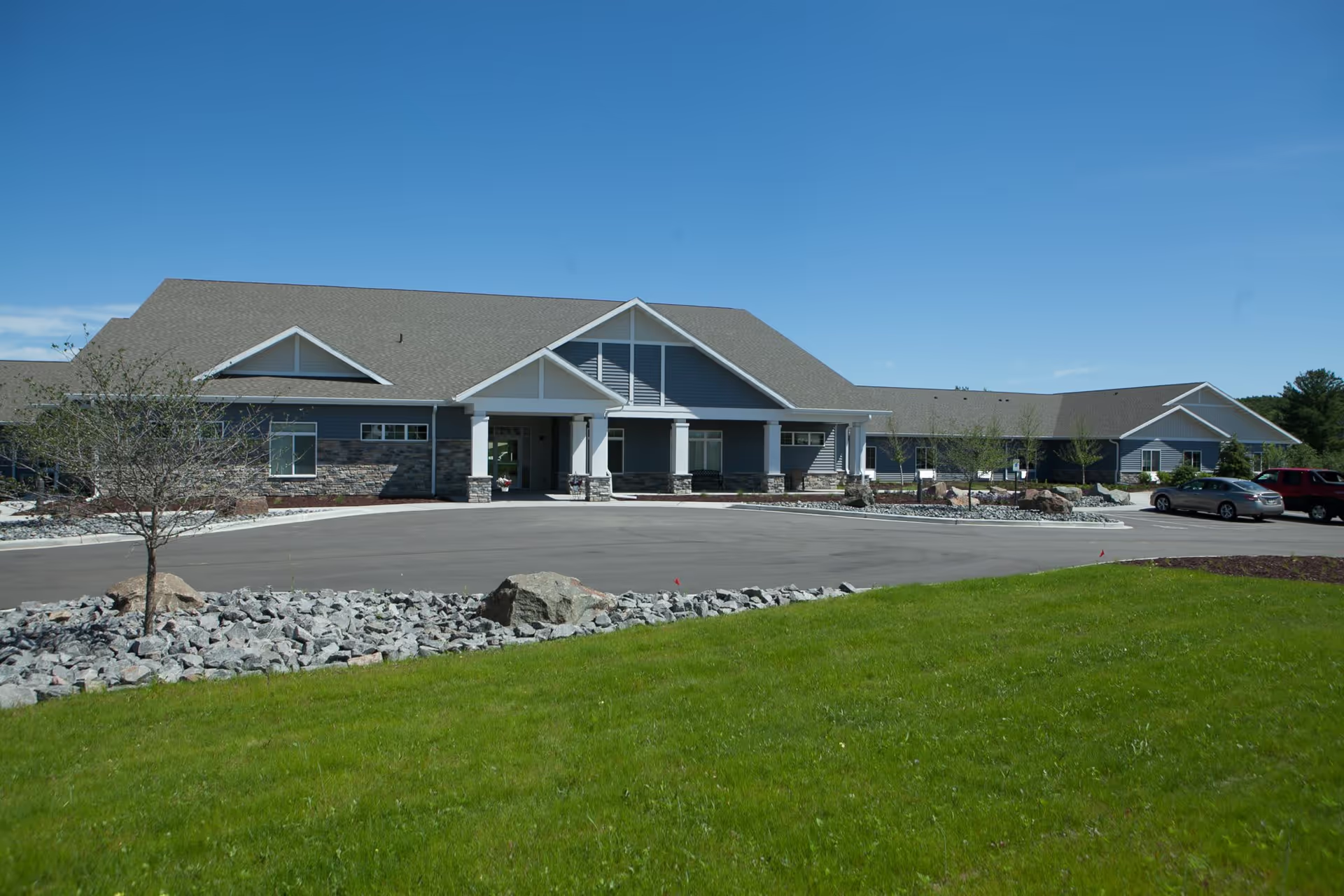
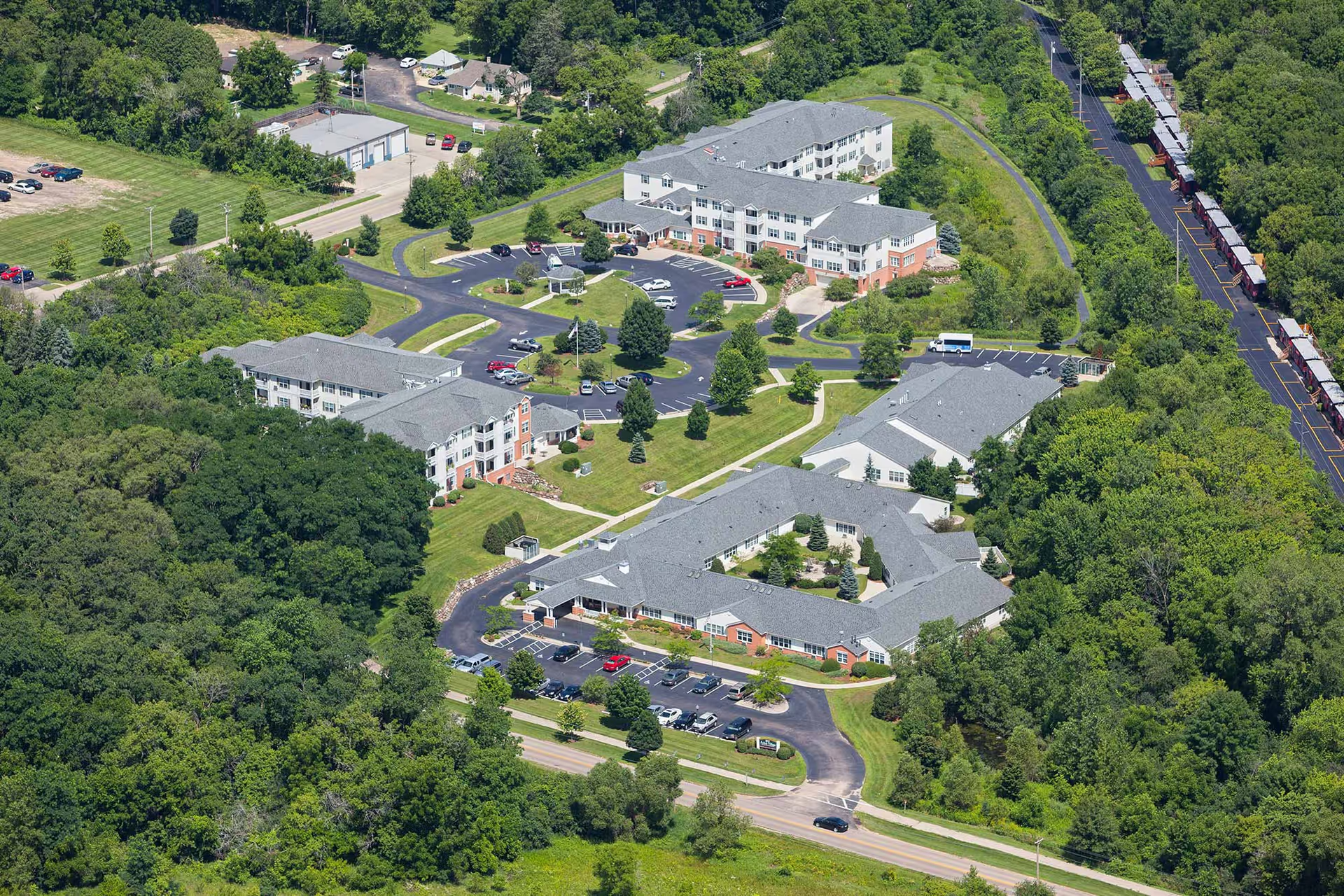
The facility’s activity and amenity profile is robust. Reviewers describe an active schedule (bingo, crafts, outings), accessible outdoor courtyards, resident artwork, pet visits, and therapy animals. Physical spaces are characterized as clean, well-kept, and home-like; some rooms include private bathrooms and accessible equipment. Rehabilitation-specific amenities—rehab gym, private pool, lift chairs, and therapy equipment—are repeatedly noted as differentiators.
Operational patterns worth attention include episodic staffing constraints, particularly at night, and variability in staff responsiveness. These patterns manifest as delays in personal-care assistance and occasional inconsistencies in housekeeping or dining-area sanitation. While many families report excellent communication with administration and coordinated care, others describe uneven experiences tied to staff availability or turnover. Visitors evaluating the facility should ask about current staffing ratios (day and night), fall- and toileting-assistance protocols, cleaning schedules, food-service quality controls, and how the facility manages coverage gaps.
In sum, Holton Manor appears to provide strong rehabilitative care and a compassionate culture with solid facilities and therapy programs. Operational limitations tied to staffing and occasional service inconsistencies are the main areas to probe further when making a placement decision.