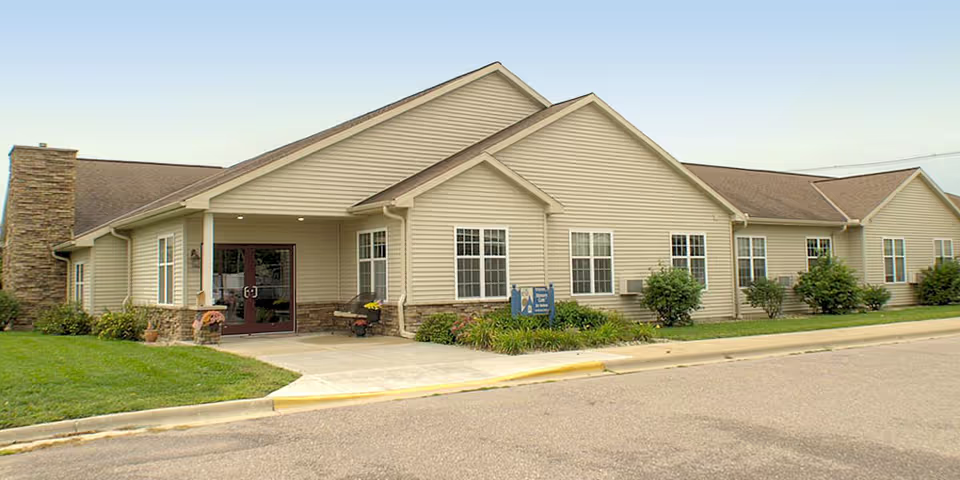
Elroy Health Services elicits mixed impressions: many reviewers highlight strong day-to-day caregiving, therapies, and activity programming, while others raise operational and safety-related concerns. The facility receives consistent praise for staff demeanor, therapy outcomes, and engagement—comments emphasize caring, attentive teams, encouragement during rehabilitation, and a welcoming environment that some residents describe as family-like.
Care quality is characterized by a broadly positive bedside and rehabilitative experience. Reviewers frequently note effective physical and occupational therapy, successful short-term recoveries, and staff who ‘‘go above and beyond’’ to keep residents safe and comfortable. At the same time, there are reported gaps in medication administration timing and reliability; these describe inconsistent delivery of evening or bedtime medications and suggest a need to strengthen medication-administration protocols.
Dining experiences vary. Several reviewers say meals are good and accommodating, while others identify inconsistent provision of texture-modified or bite-sized/thickened options for residents with swallowing needs. That pattern points to uneven dietary accommodations rather than a universally poor or good kitchen service. Cleanliness and housekeeping receive generally favorable comments, with specific notes about daily room cleaning and tidy common areas.
Activity and therapy offerings are a distinct strength. Reviewers mention a variety of activities that promote resident engagement and numerous positive interactions with therapists. These programmatic elements appear to support successful short-term rehabilitation and improved levels of resident satisfaction for many families.
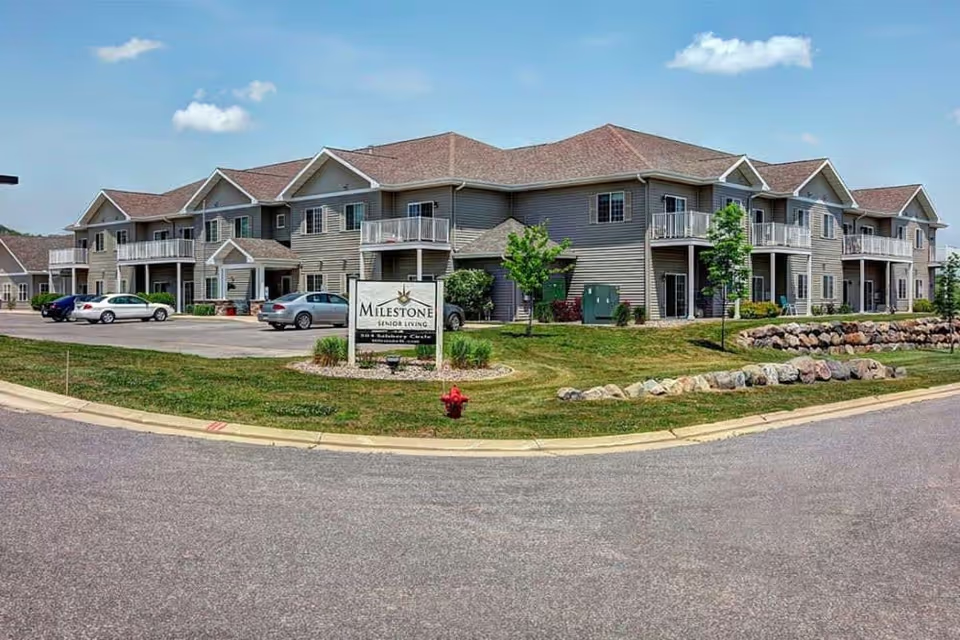
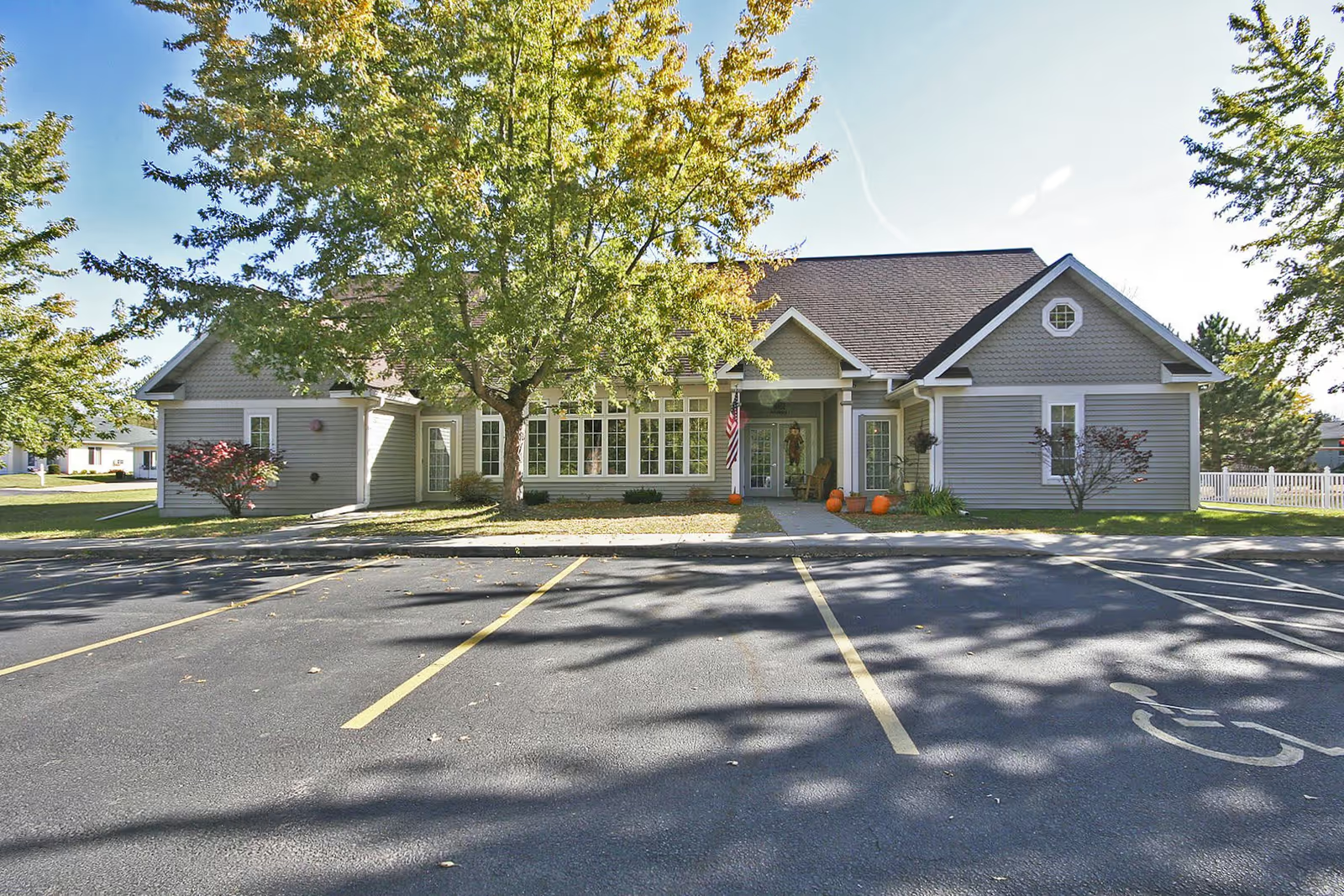
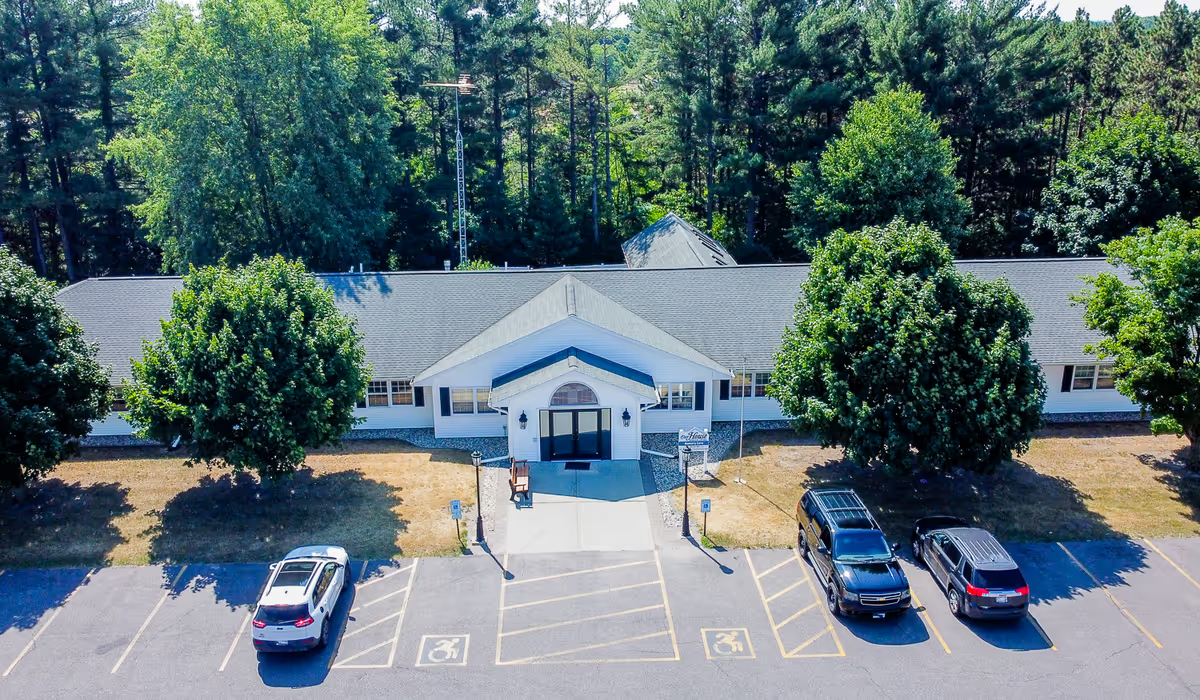
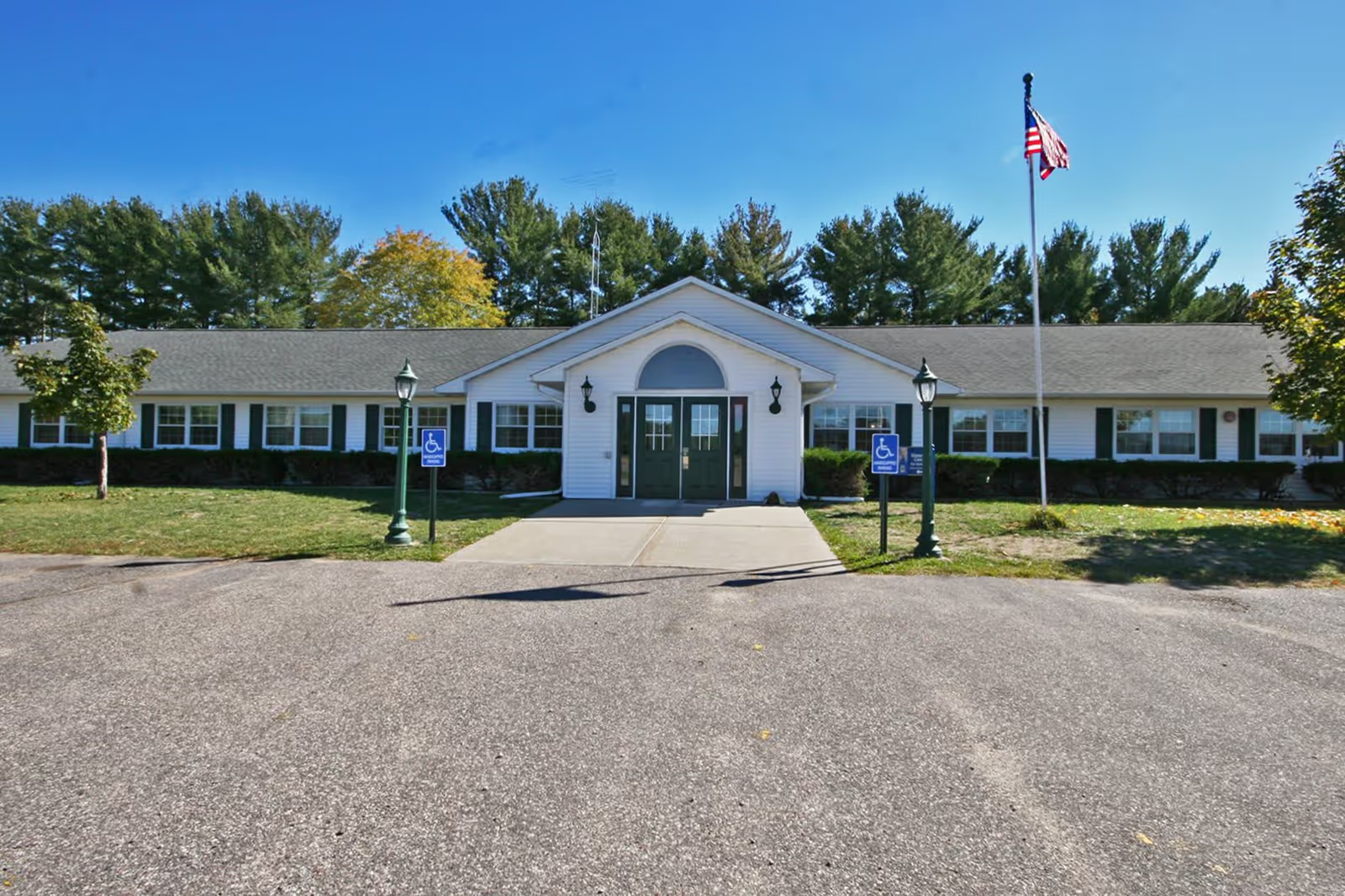
Facility condition and safety features are a recurrent area of concern. Observations describe an older physical plant with shared rooms that limit privacy, accessibility challenges, and inadequate bedside safety equipment such as guard rails and modern beds. There are also accounts of belongings being mishandled during transport, which point to weaknesses in property-tracking procedures. Together, these items suggest investments in infrastructure, safety equipment, and logistics would materially improve resident experience.
Management and operational patterns show strengths and weaknesses. Positive reports cite responsive staff and management that addresses concerns quickly; however, other feedback describes high staff turnover, frequent personnel changes, and what families perceive as inconsistent nursing coverage. More serious issues include allegations of communication failures after critical incidents, including concerns following a resident's death; these emphasize the need for clearer incident-response protocols and more timely family notification. The for-profit operating model is referenced by some reviewers as a contextual factor in staffing and resource decisions.
In summary, prospective residents and families can expect engaged therapy services, a personable caregiving culture, and active programming at Elroy Health Services. Those considering the facility should weigh these strengths against operational limitations: an aging building, shared-room layouts, inconsistent dietary and medication practices, accessibility and safety-equipment gaps, and variability in staff stability and incident communication. Asking administrators about specific measures for medication timing, dietary accommodations, bed and rail availability, belongings-tracking procedures, staff turnover rates, and incident-notification policies would be advisable when evaluating placement.