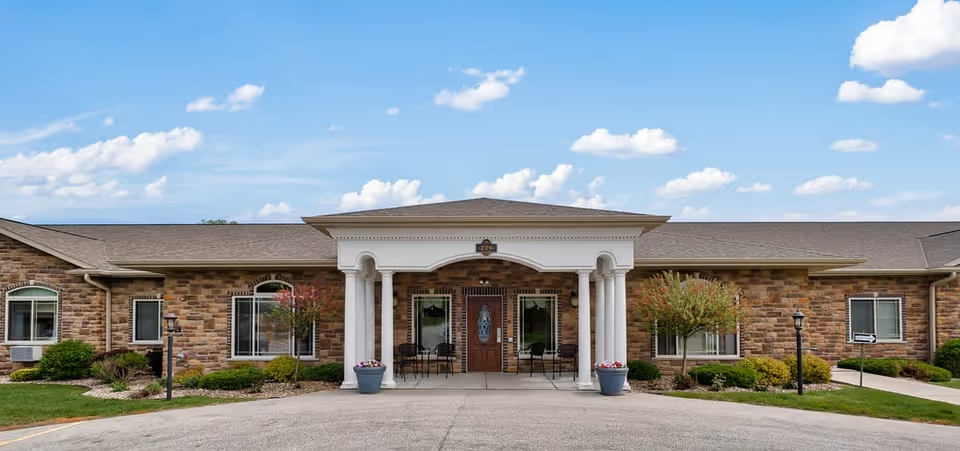
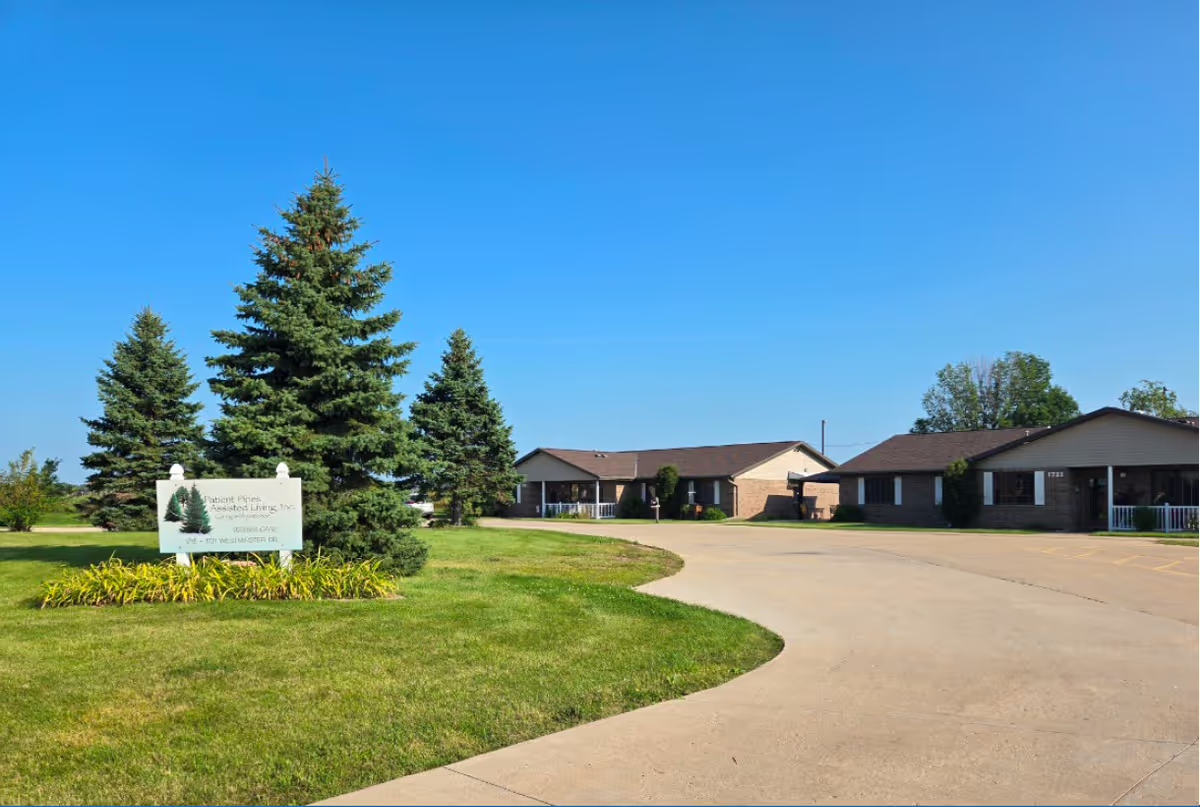
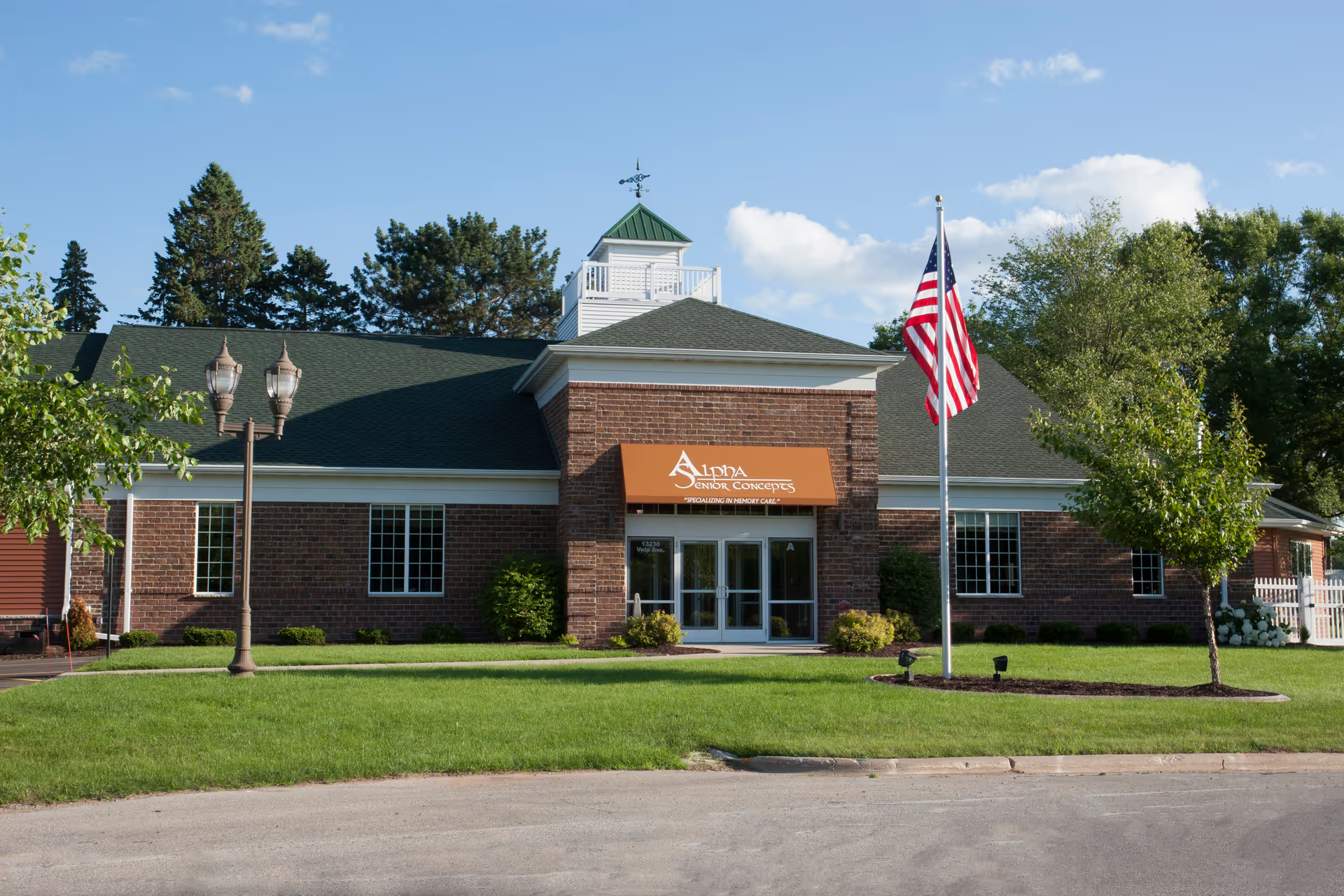
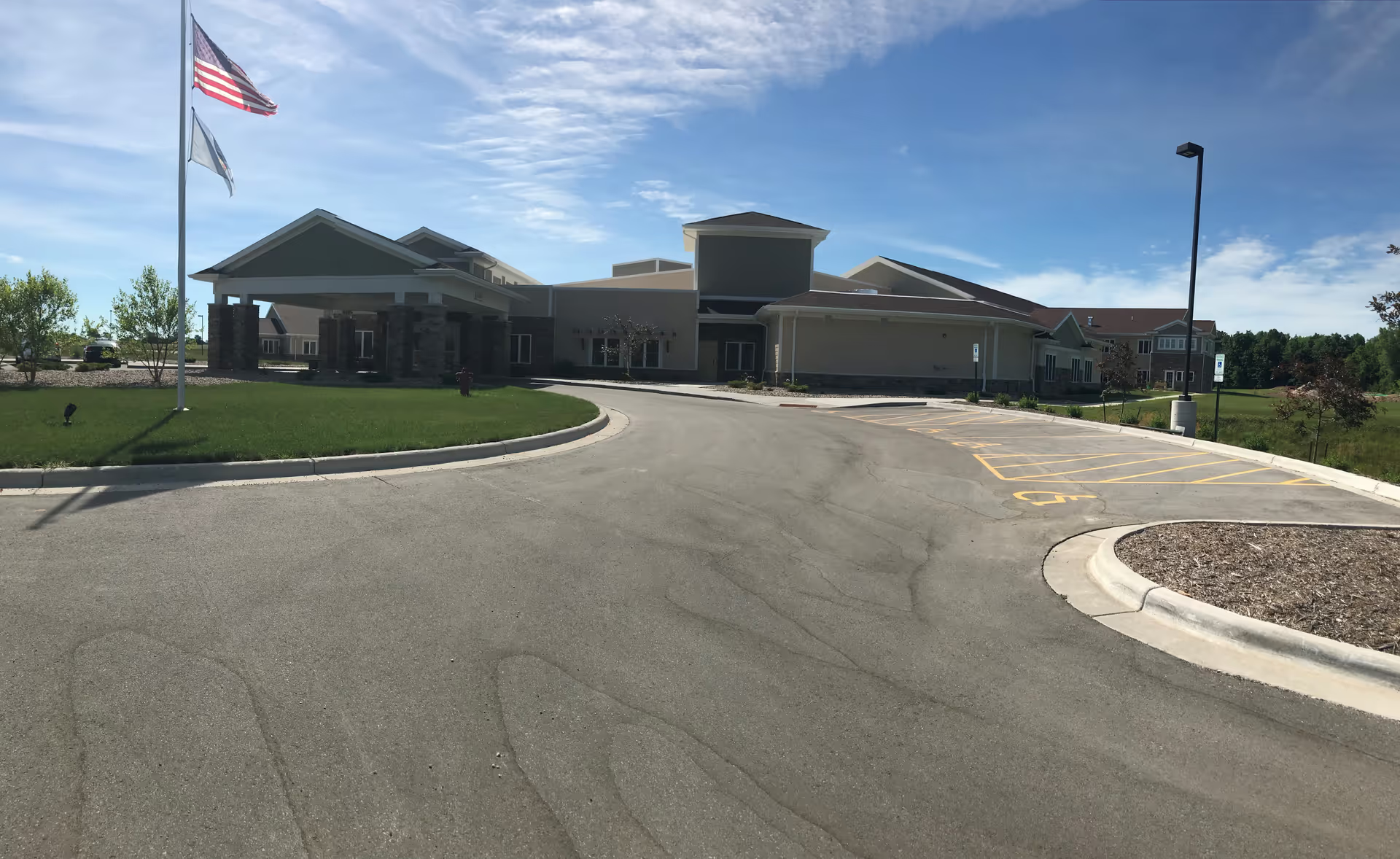
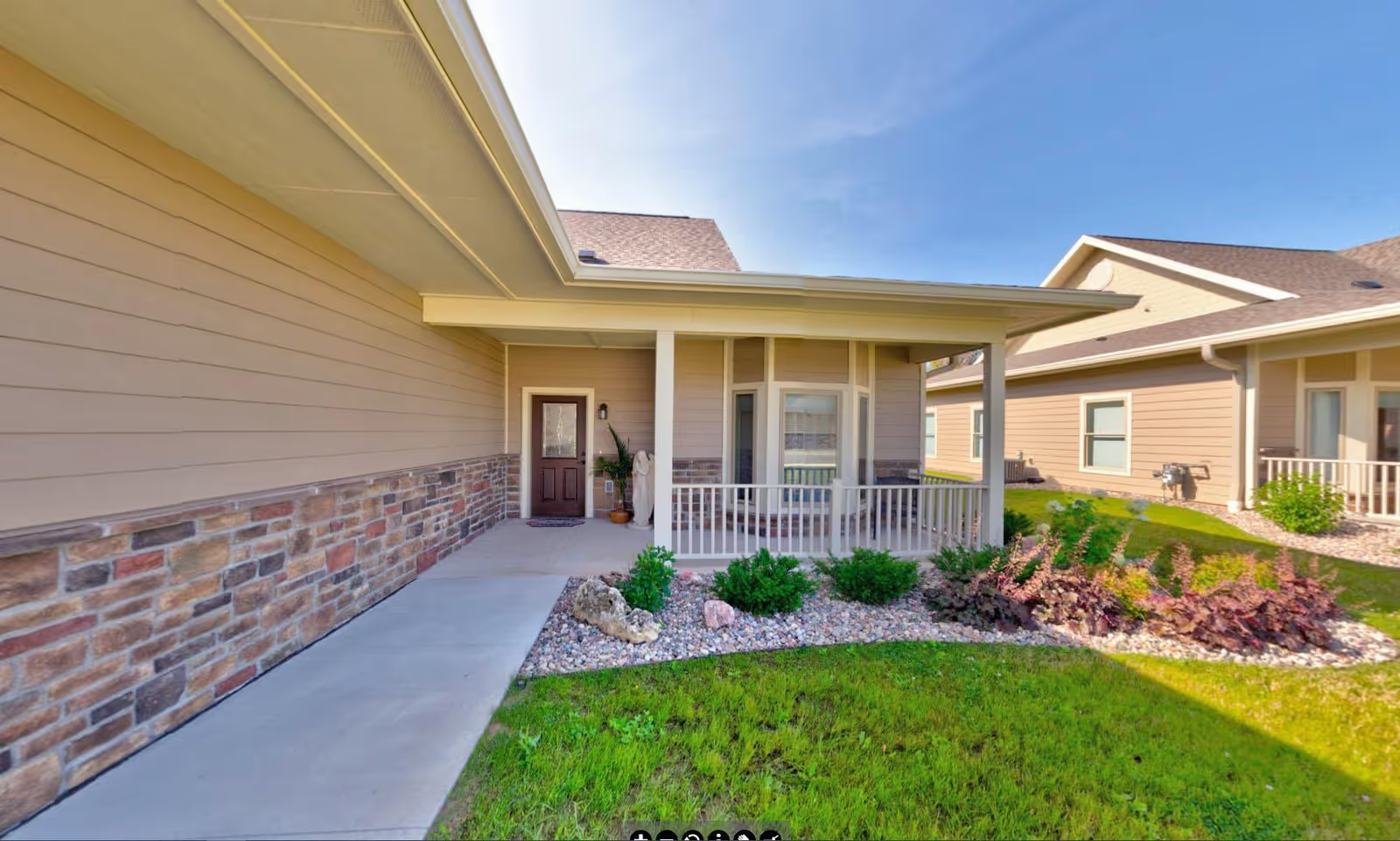
Cottonwood Manor elicits a mix of strongly positive impressions and recurring operational concerns. Many families praise the caregiving staff as compassionate and attentive, and several reviews highlight a warm, home-like atmosphere with a clear sense of community. The facility is described as having engaging activity programs, offsite outings, and useful on-site amenities such as a barber shop; these elements contribute to residents’ socialization and reported enjoyment. Visitors frequently note an easy move-in process, convenient location for family visits, and a generally clean appearance in public areas. Some apartments are described as spacious and comfortable, and the availability of respite care is a practical option for short-term stays.
Care quality shows variability across reports. Numerous reviews commend floor staff for timely identification of resident needs and emotional support to families, while other accounts describe lapses in clinical oversight when residents require higher-acuity care. Specific operational themes include inconsistent medication and wound-care practices and situations where hospice coordination was perceived as inadequate. These patterns suggest the facility may manage routine assisted-living care well but has uneven performance when residents need more skilled clinical coordination.
Staffing and leadership are another area of contrast. Positive comments emphasize kind, engaged caregivers and managers who take time to know residents and families. At the same time, several reviewers raise concerns about staffing instability, turnover, and slow responses to call systems. Leadership accessibility and continuity of activity programming have also been questioned; some families described changes in activity leadership and perceived reduced availability of managers on the floor. These operational weaknesses appear linked to experiences of delayed assistance and variable day-to-day supervision.
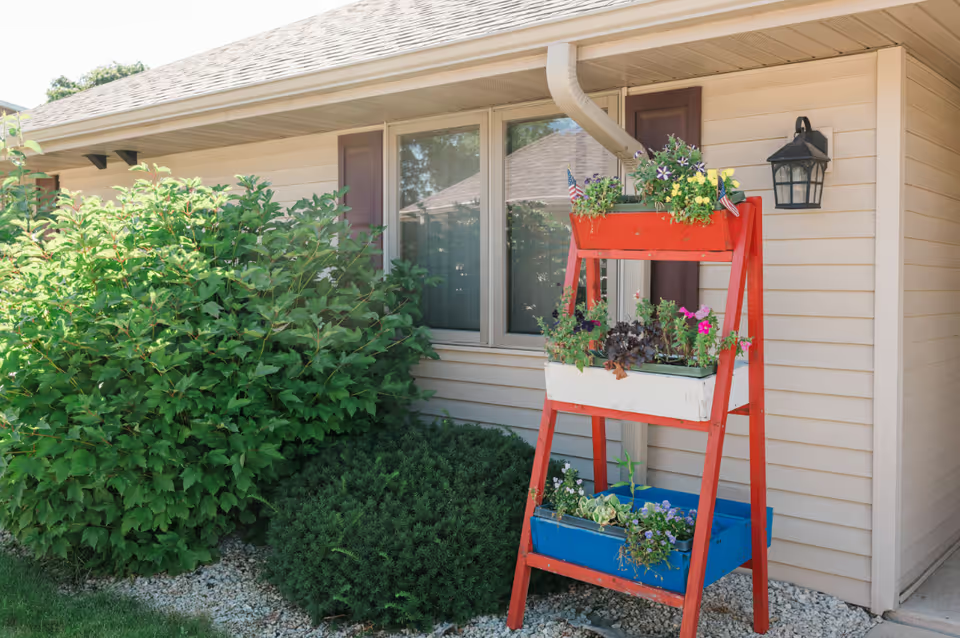
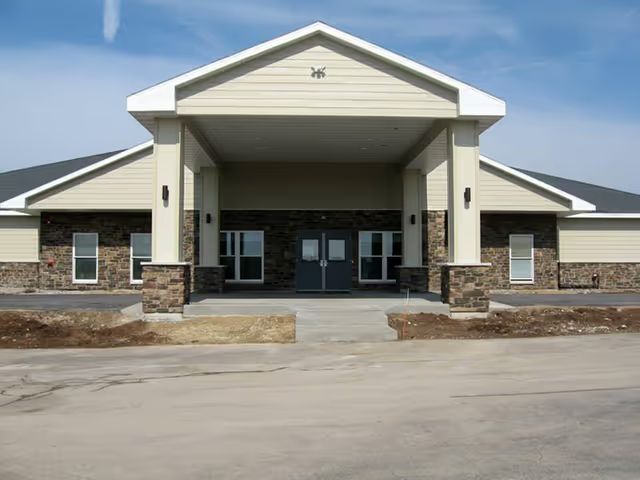
Dining and activities generally receive favorable remarks for social programming, encouraging participation, and occasional praise for food. However, others described inconsistent meal satisfaction and activity depth, indicating programming can vary by unit or by staffing. Facility amenities and common areas are often described positively, though the building itself shows signs of age for some visitors: dated décor, darker hallways, and low lighting were noted alongside a well-kept backyard and common spaces.
Cost and unit-level features are also mixed. Several families find the pricing higher than local alternatives, and unit characteristics vary: some residents have large, pleasant apartments, while others cite smaller rooms with limited storage. Cleanliness and sanitation generally appear adequate in public spaces, but a subset of reviews raises concerns about variable attention to incontinence care and private-room housekeeping.
Overall, Cottonwood Manor presents as a community with strong relational strengths — compassionate staff, social programming, and a homelike environment — that may suit many assisted-living needs. Prospective residents and families should weigh those strengths against operational patterns that emerged in reviews: staffing turnover, intermittent clinical coordination for more complex needs, variability in activity leadership, and above-average pricing. For families considering placement, an on-site conversation about current staffing levels, clinical protocols for wound care and hospice coordination, call-response times, and a unit-specific tour of room size and storage will help determine fit given the variability described in reviews.