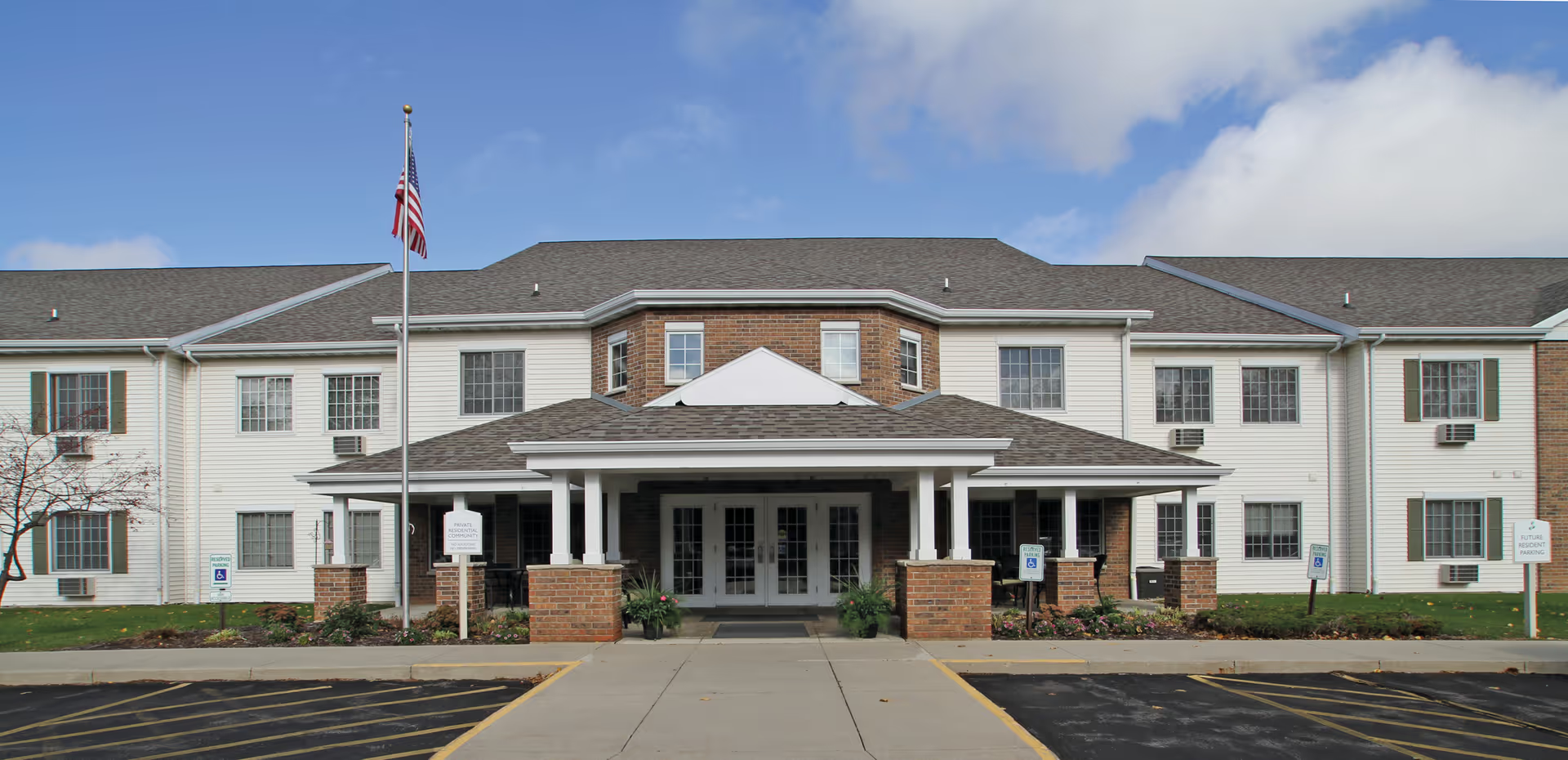
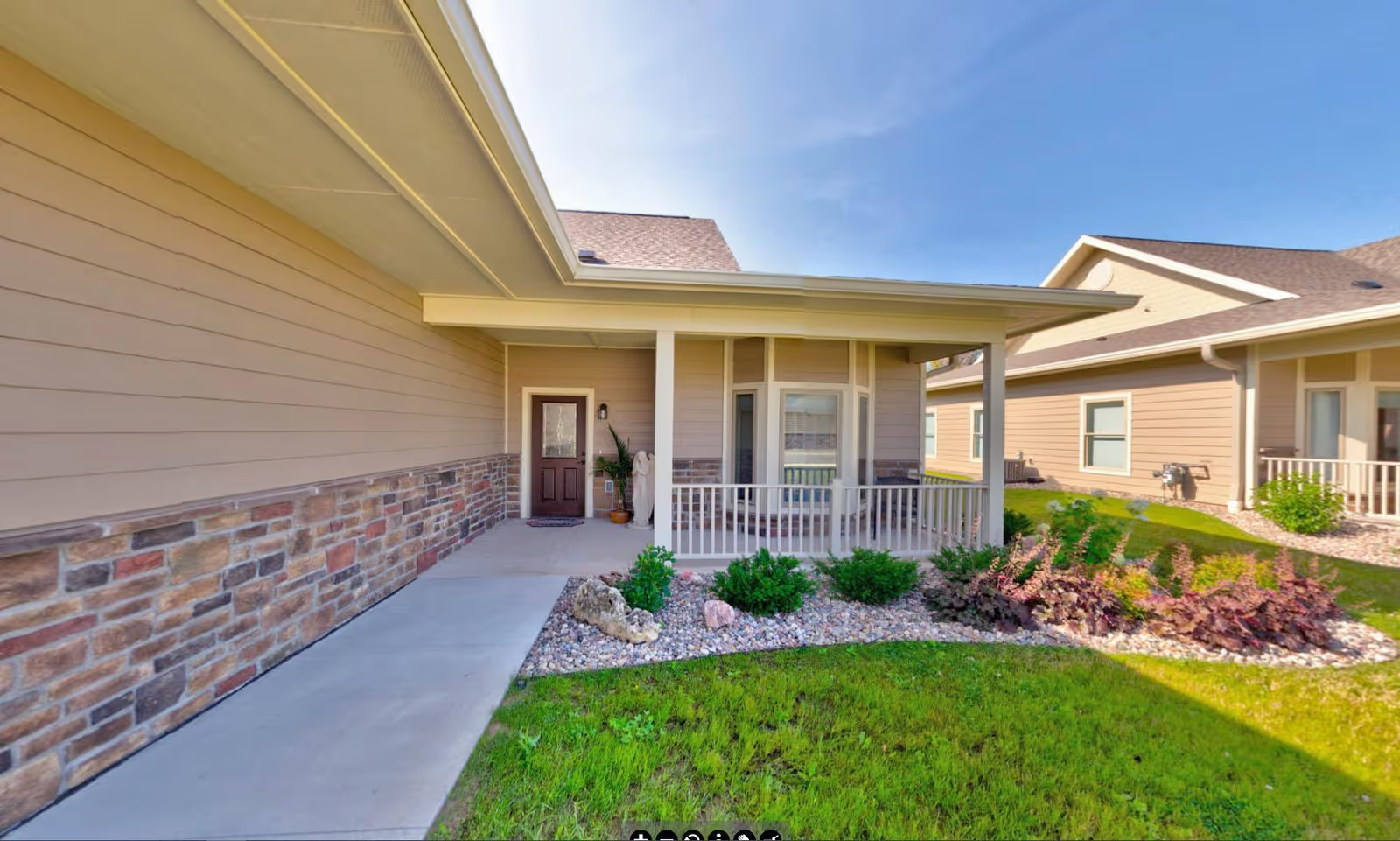
Living Tree Estates is consistently described as a small, home-like assisted living community with a strong emphasis on personalized, family-style care. Many families highlight a warm, welcoming atmosphere and describe staff as compassionate, helpful, and skilled; several accounts indicate long-term stays where loved ones are comfortable and well looked-after. On the clinical side, the presence of on-site therapists, monthly podiatry visits, and transportation to medical appointments are noted as useful supports for residents' ongoing care needs.
Dining and food service are a prominent feature. Numerous comments praise made-from-scratch, home-style meals and an involved kitchen staff or chef, with a spacious dining area that contributes to a family-meal feel. That said, reviewers also describe variability: occasional kitchen staffing shortages and differences in perceived food quality mean meal experience can be inconsistent from one visit or period to another. Operational continuity in the kitchen appears to be an intermittent challenge.
Activity offerings combine regular social events, holiday buffets, bingo, Happy Hour, and themed days such as Farm Day with animals, which many residents enjoy. At the same time, some residents and visitors find the programming limited or less engaging—particularly for people who expect a high-volume, highly active schedule. COVID-era reductions and difficulty engaging certain residents were reported, suggesting that activity intensity and resident participation can vary over time.
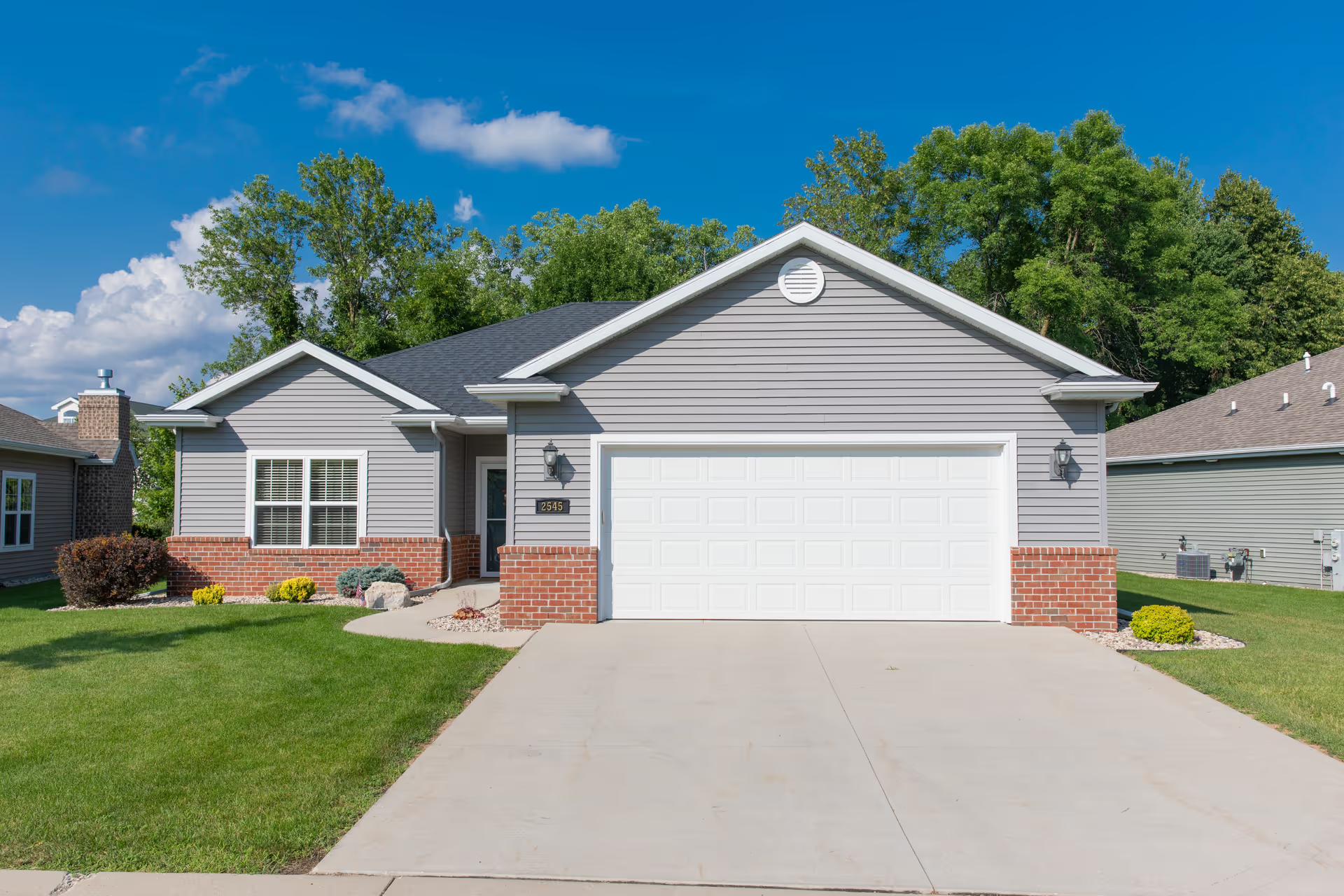
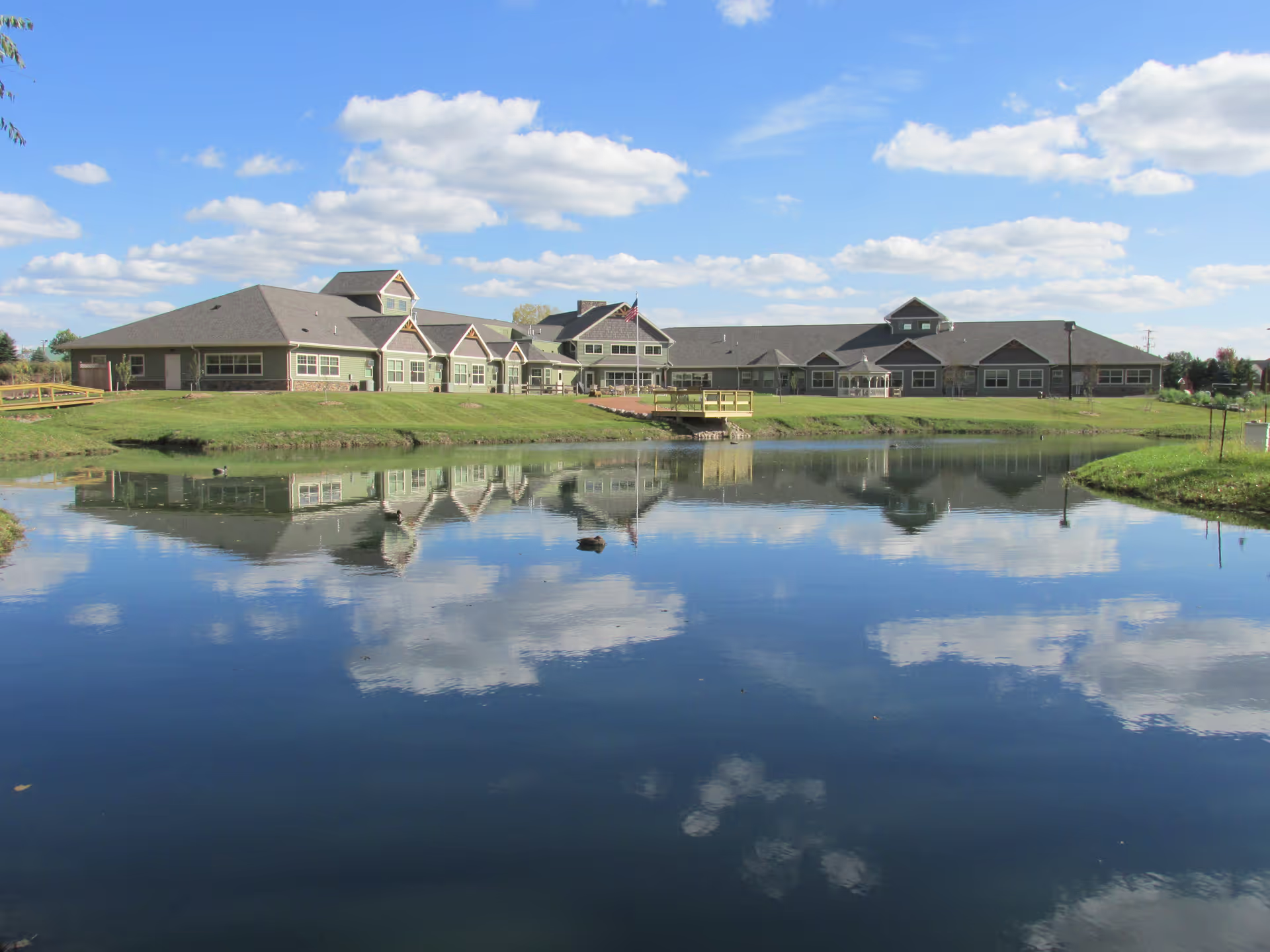
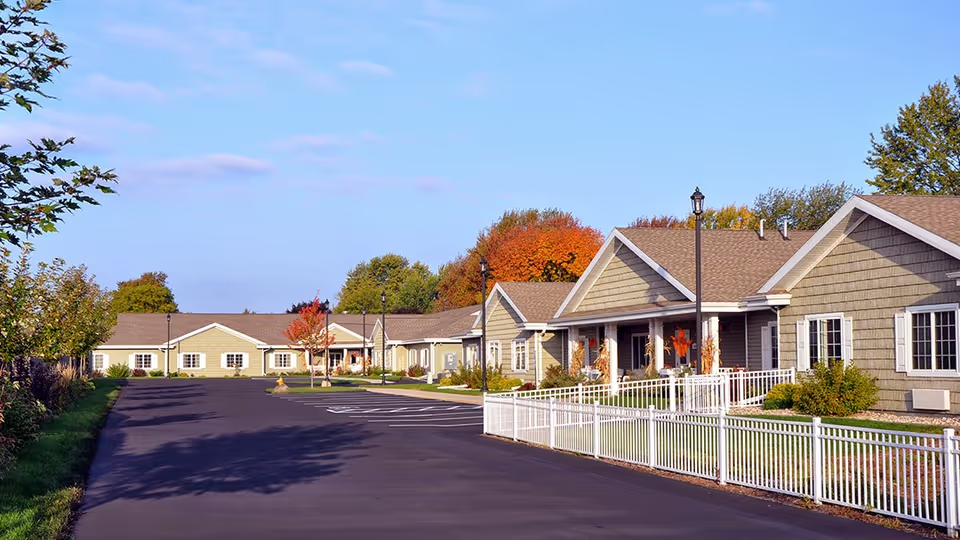
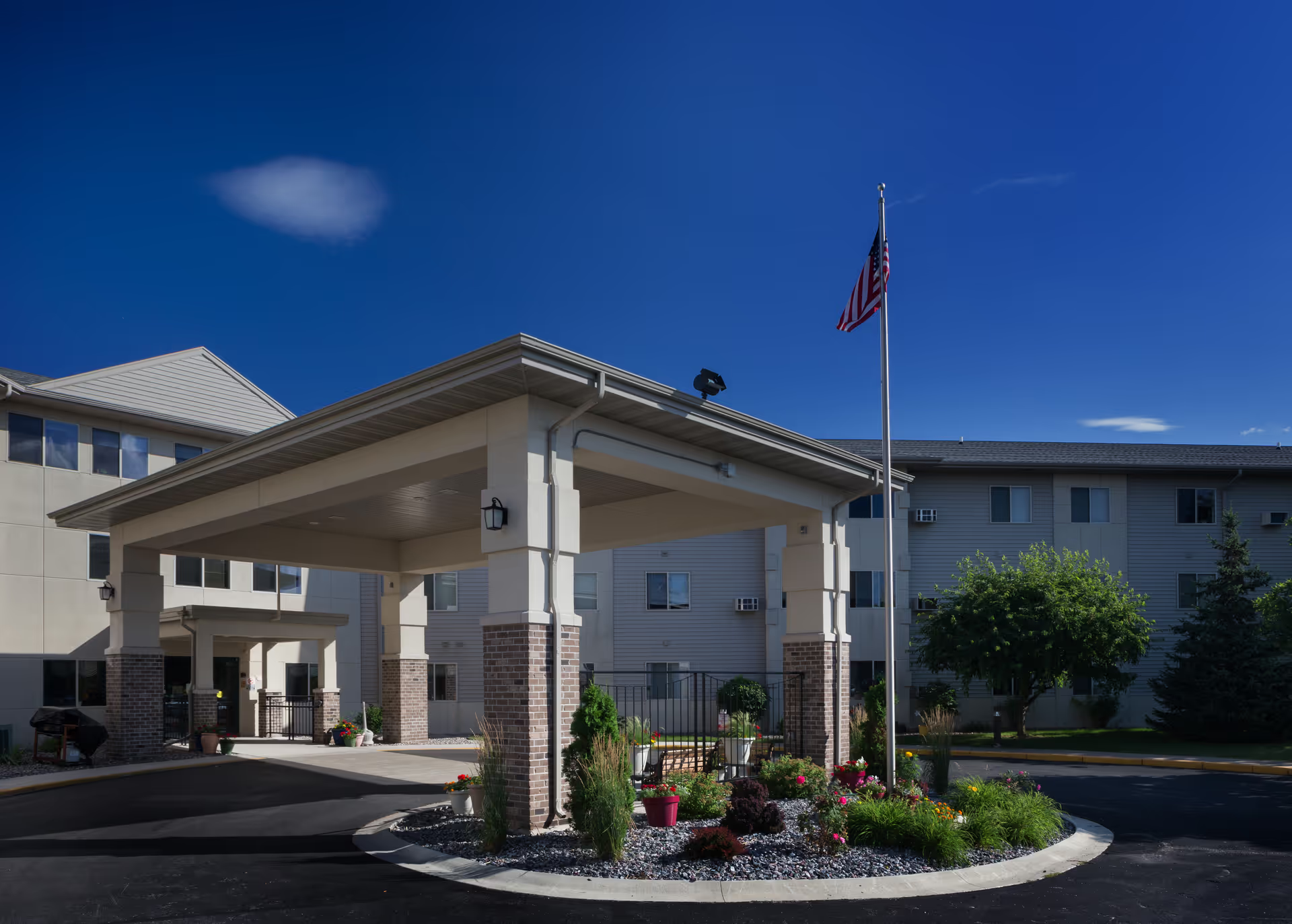
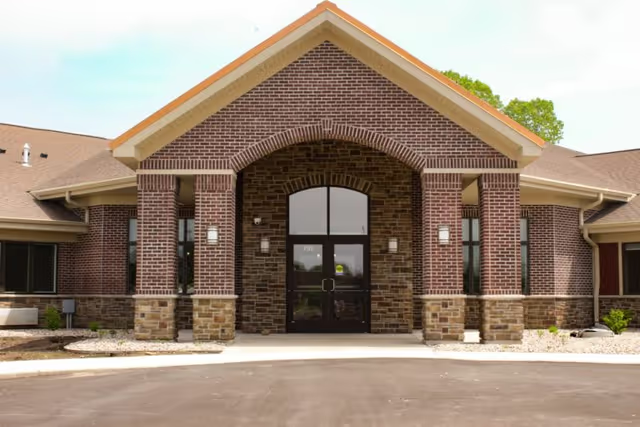
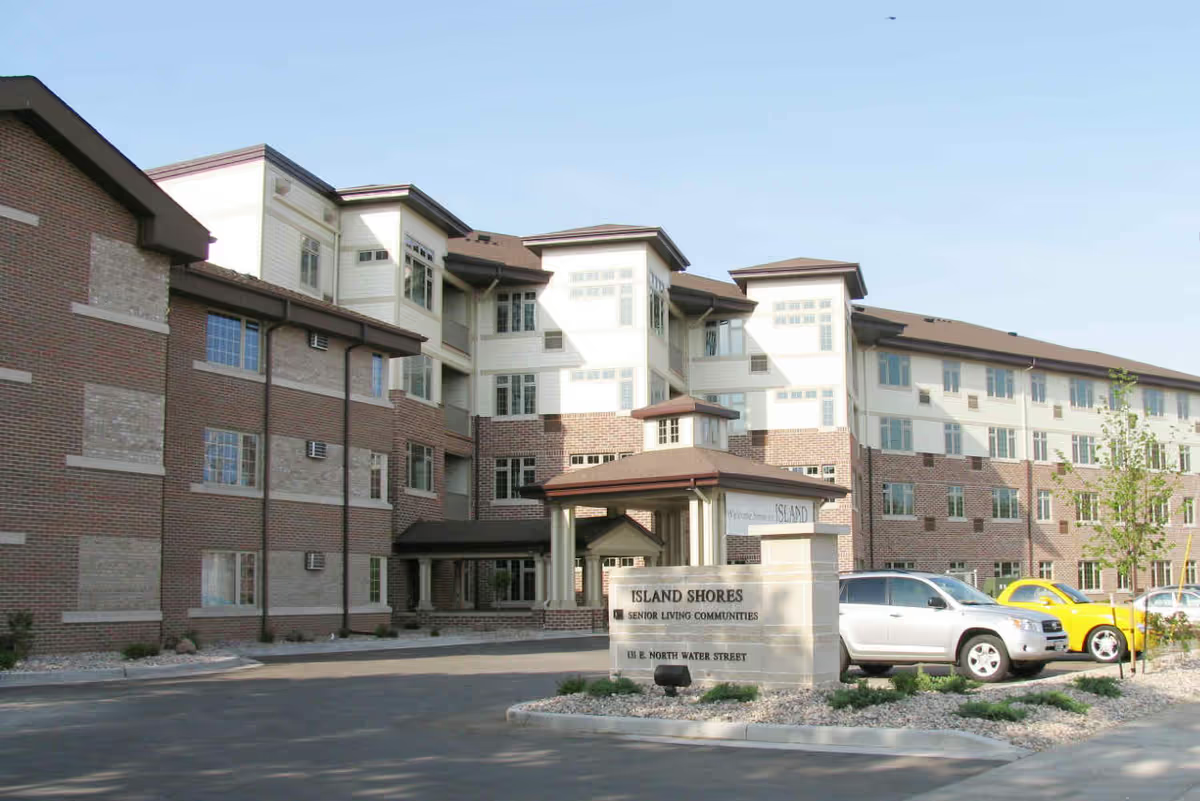
The physical environment receives strong positive notes: consistently clean rooms and common areas, private rooms with full bathrooms and ample closet space, sun room, gazebo, and a rural setting with pleasant outdoor views and wildlife. On-site conveniences such as a beauty salon and therapy services add to resident comfort. Space constraints are mentioned as well; some units are described as smaller, so prospective residents who prioritize larger apartment-style accommodations should confirm unit sizes.
Perceptions of management and staff conduct are generally favorable but not uniform. Many accounts praise hands-on, caring owners and an approachable staff; however, there are also comments indicating variability in staff conduct, responsiveness, and management communication or prioritization. These comments point to occasional leadership or scheduling gaps rather than to a single, consistent failing. Prospective families should meet leadership, ask about staffing patterns, and verify how the facility manages kitchen staffing and activity programming to ensure alignment with their expectations.
Overall, Living Tree Estates appears to suit those seeking a smaller, home-oriented community with attentive caregivers, home-style dining, and a rural setting. It may be less well matched to prospective residents who want a large campus-style facility, a very active social calendar, or guaranteed consistency in meal service during staffing fluctuations. Families should tour, sample a meal if possible, and discuss recent activity calendars and staffing plans to evaluate fit.