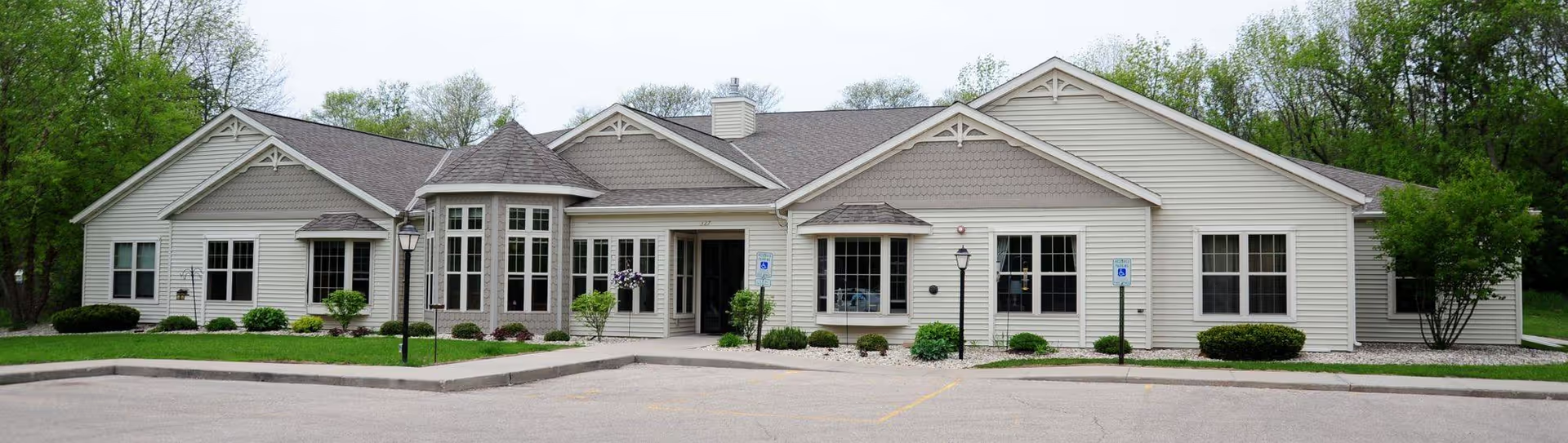
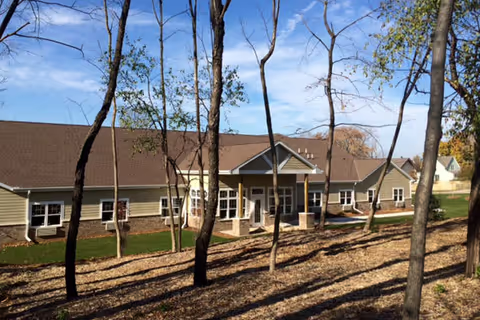
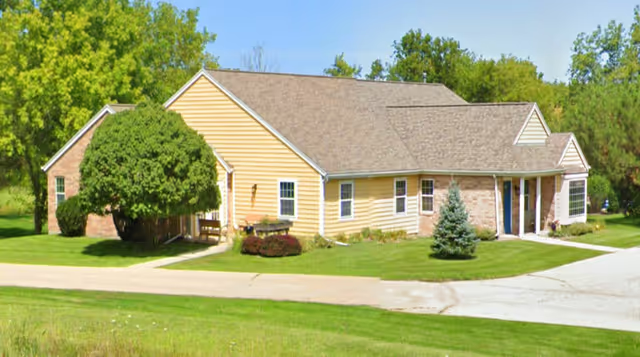
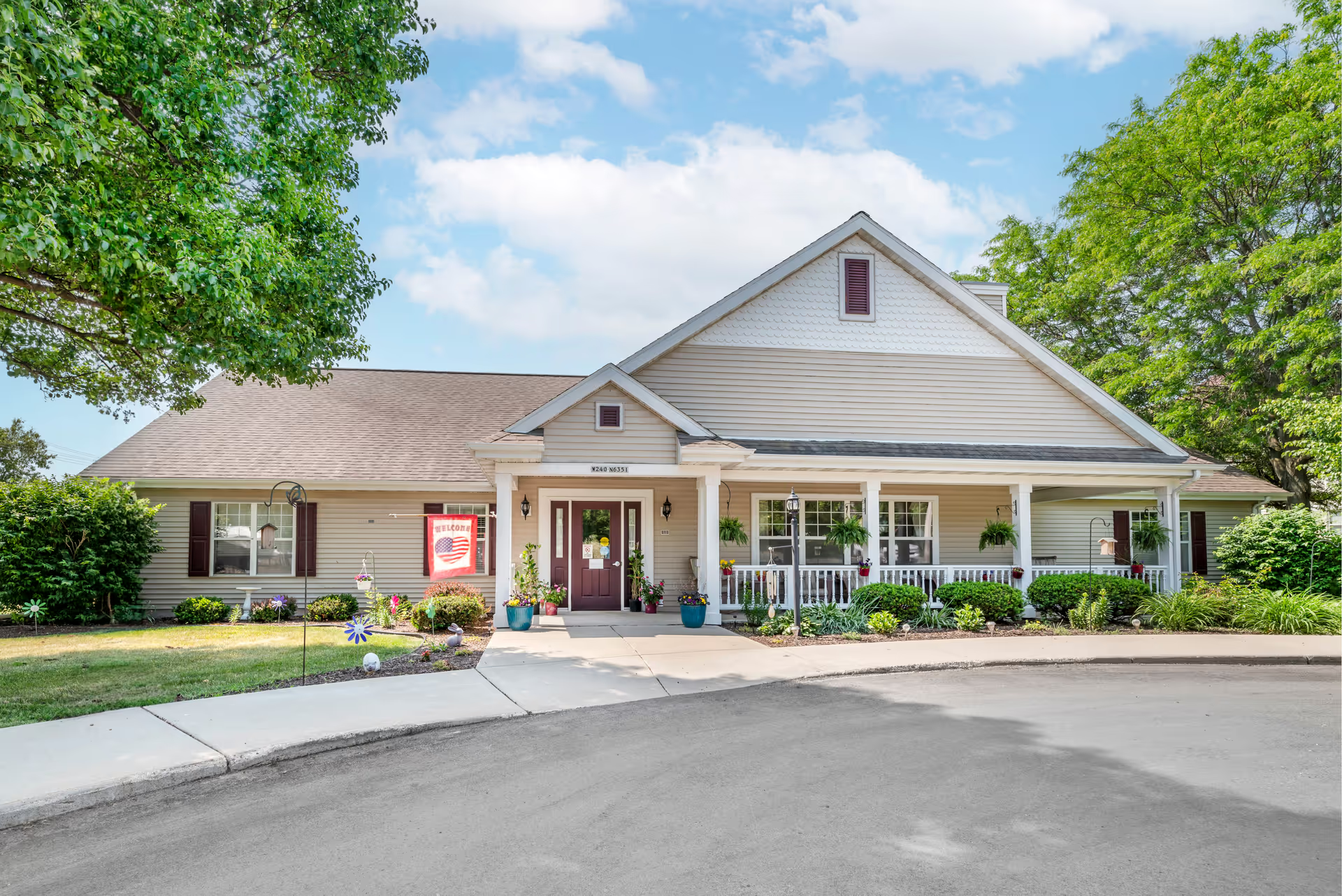
Hartland Meadows is presented across reviews as a small, independently operated 52-unit senior living community that emphasizes an engaged, family-like atmosphere and walkable downtown convenience. Reviewers consistently praise the owner-managed model and name on-site managers, describing prompt maintenance, day-to-day responsiveness, and a visible ownership presence. The property is described as clean and well maintained with underground parking, secure entry, private patios or balconies, in-unit laundry options in some units, a fitness room, library/computer room, an on-site Country Store, and park-like landscaping that residents value for its tranquility and walkability to restaurants, the post office and local library.
Social programming and resident life are core strengths. The community offers a broad slate of optional activities — card groups, bingo, Wii bowling, coffee hours, Happy Hour/fish fry events, monthly birthday/welcome luncheons and organized outings — that support social engagement and long-term friendships. Multiple reviewers emphasize a sense of safety, seasonal decorating and attention to communal spaces, which contributes to a consistent, home-like environment for independent seniors.
Care and service in the independent-living context are framed as attentive but limited. Owners and staff are frequently described as caring and available for day-to-day needs; maintenance response times are repeatedly cited as prompt. However, Hartland Meadows functions primarily as independent living rather than assisted living. Several reviewers who needed higher-acuity support or whose health declined eventually transitioned elsewhere, which indicates that the facility may not provide an extensive continuum of clinical or assisted-care services on site.
Dining is characterized mainly by social meal events rather than a full institutional meal program: community luncheons and celebratory meals appear regularly as part of the activity calendar, and reviewers describe those offerings positively. Prospective residents should clarify the extent and regularity of any formal meal service during a tour.
Notable patterns of concern appear in a small number of reviews and warrant careful consideration. Several reviewers raised allegations related to lease enforcement and deposit handling, and some described management conduct or communication tone as problematic; a few also found the facility's signage and rule presentation to be restrictive. These comments suggest potential risks in tenant–management relations and financial/lease practices and are not part of the broader positive narrative but are significant enough to merit direct inquiry.
Recommendations for prospective residents and families: tour the property during an activity period to observe social life and staff–resident interactions; ask owners/management for written lease terms, deposit and refund policies, and eviction procedures; clarify the scope of on-site care and the process for transitioning to higher-acuity services if needs increase; and request references from current long-term residents. Overall, reviewers convey a strong sense of community, well-maintained facilities and hands-on ownership, balanced by a need to verify administrative and transitional-care practices before committing.