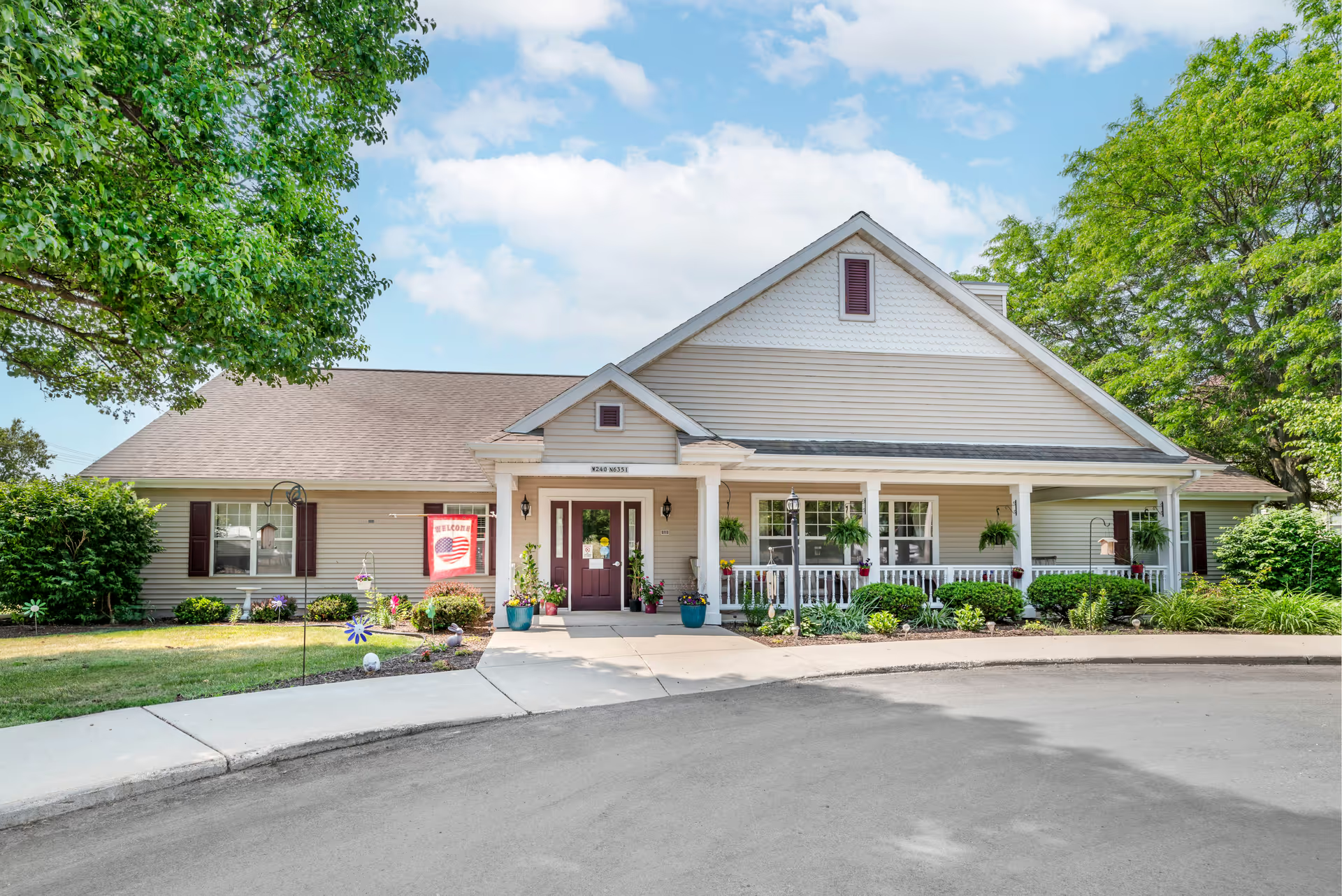
Hartland Terrace projects the character of a small, home-like assisted living community with many families praising its hands-on caregiving and clean, well-maintained environment. Reviewers commonly describe attentive certified nursing assistants and an involved owner presence that contributes to a family-style atmosphere. Praise includes individualized, above-and-beyond attention and supportive end-of-life care, which several families framed as compassionate and dignified.
Daily life appears centered in two primary communal spaces — a dining/kitchen area and a larger community room — where residents participate in activities such as art projects and games and gather around a large television. Meals are frequently described as good and well-received, and the activity program is characterized as engaging. The facility’s small size (around 20 residents) supports close staff–resident relationships, which many families view as a strength and a contributor to perceived resident happiness.
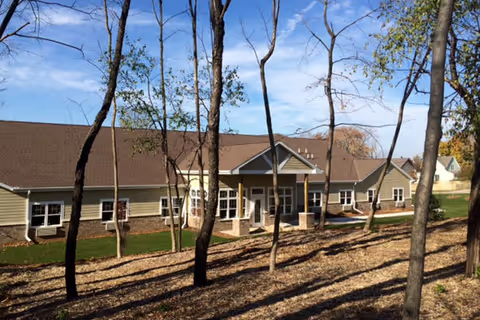
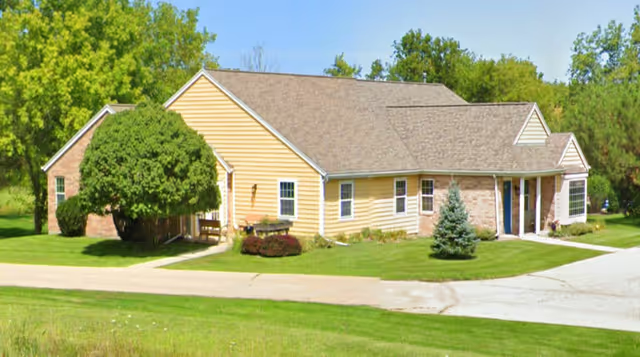
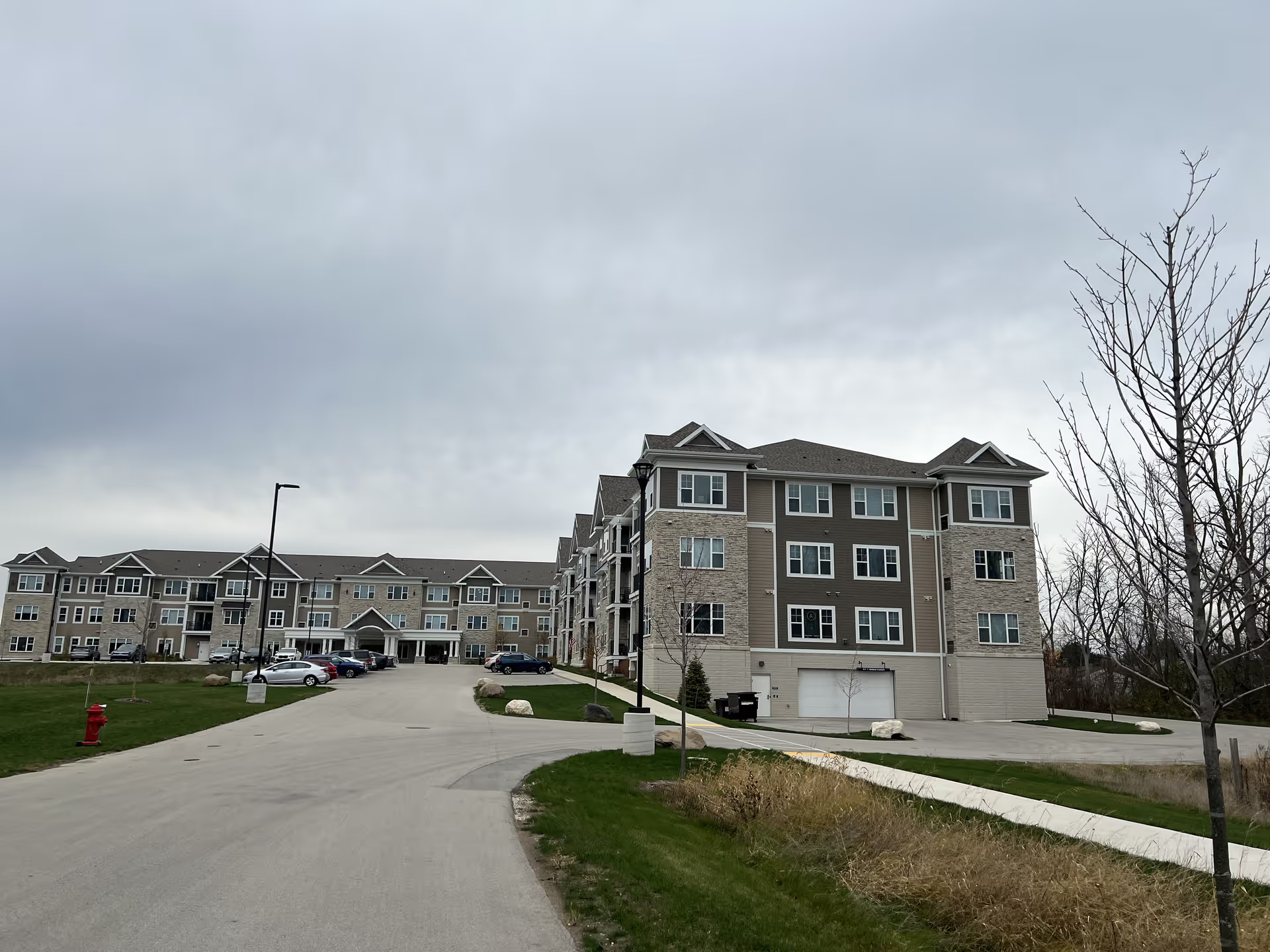
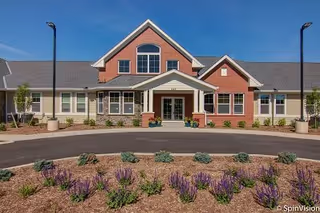
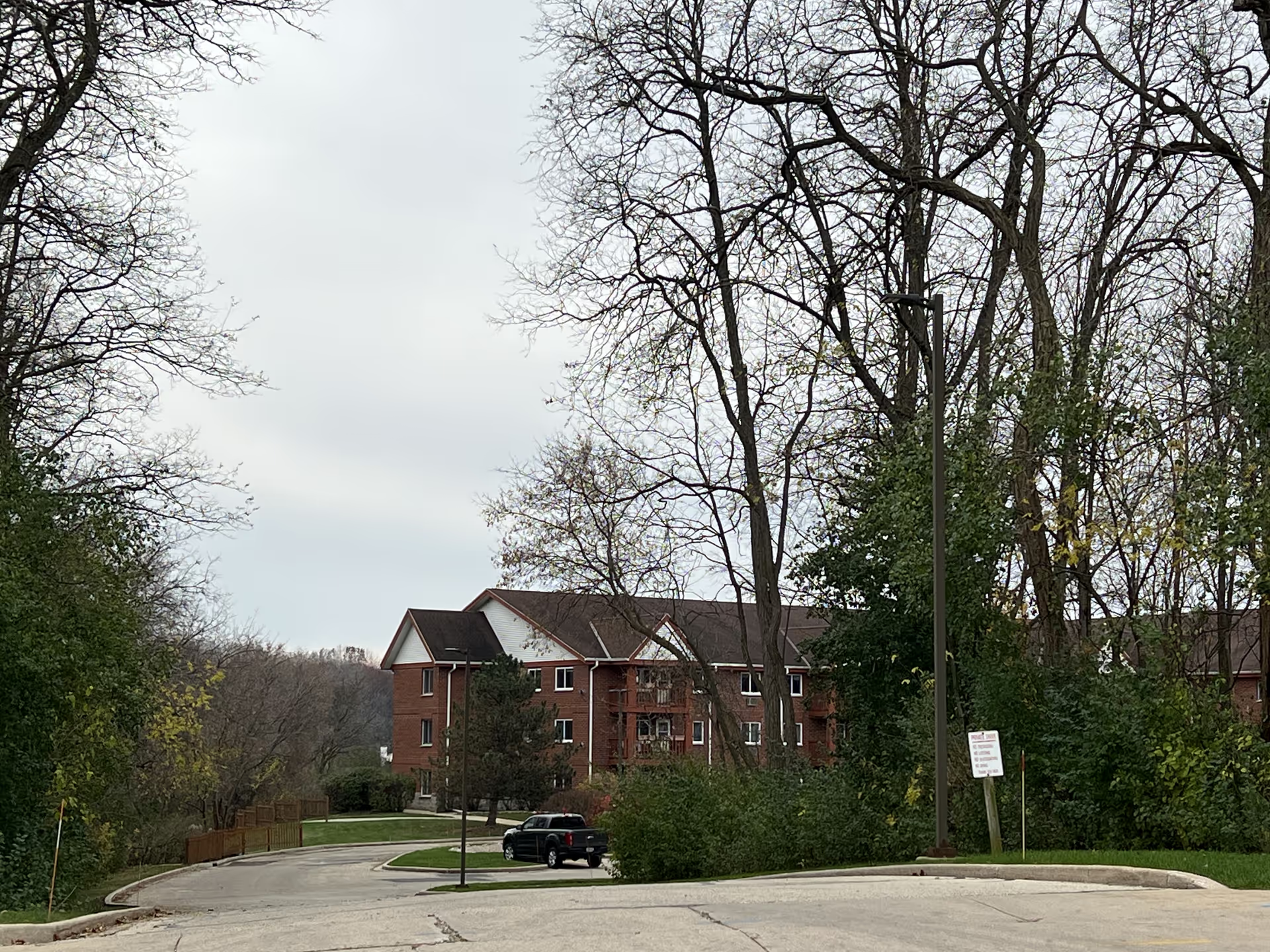
Facility and site characteristics include a clean interior and a pleasant, natural setting. The small scale contributes to a home-like feel but also appears to limit immediate availability: there are references to wait-listing for prospective residents. Reviewers also note wildlife on and near the property, which can require extra driving caution for visitors and staff.
Administrative and leadership observations are mixed. While several accounts praise management as kind and knowledgeable, other accounts describe inconsistent administrative and billing practices, delays, and poor responsiveness. There are serious allegations of discriminatory behavior and harassment; these are notable and contrast sharply with other families’ positive experiences. Some reviewers characterize the community as having undergone a marked improvement in quality after changes were made, suggesting variability over time in leadership or operational practices.
For families considering Hartland Terrace, the dominant pattern is one of strong, personal caregiving in a small, comfortable setting with engaging activities and well-liked meals. However, prospective residents and their families should ask specific questions about current administrative procedures, billing and dispute-resolution policies, staff training on conduct and nondiscrimination, bed availability, and site access safety given local wildlife. Verifying recent management changes and following up on how concerns are handled will help clarify whether the operational weaknesses raised by some families have been addressed.