These reviews present a mixed but informative picture. On the positive side, reviewers consistently highlight the quality of frontline caregiving: staff on the floor are described as compassionate, respectful and knowledgeable, and several families praised proactive, adaptive care plans and daily comfort maintenance. The memory-care neighborhood itself is described as clean, new/updated and well kept, with spacious, home-like rooms and bathrooms, multiple dining areas, accessible outdoor space and pleasant views. The unit’s physical safeguards—door sensors and safety buzzers—are noted as appropriate for memory-care needs. Activity programming and family-oriented events (religious services, creative classes, community meals) are also regularly cited as strengths that support social engagement.
Care quality observations are mixed. Many families praised hands-on staff who provided attentive, reassuring daily care; others described operational gaps that affected timeliness and consistency. Specific operational concerns cluster around delayed assistance with personal-care needs and occasional difficulty locating residents promptly. Reviewers also flagged inconsistent handling of laundry and personal items, including at least one allegation of a missing piece of jewelry. Together these comments suggest strengths at the bedside level but variability in ancillary care processes and property tracking.
Dining and activities receive generally positive marks for variety and engagement, though meal quality is described as inconsistent—some days impressing families and other days falling short of expectations. The programming appears robust, with regular activities, family events, and opportunities for outdoor walks and social classes that families find valuable for residents’ quality of life.
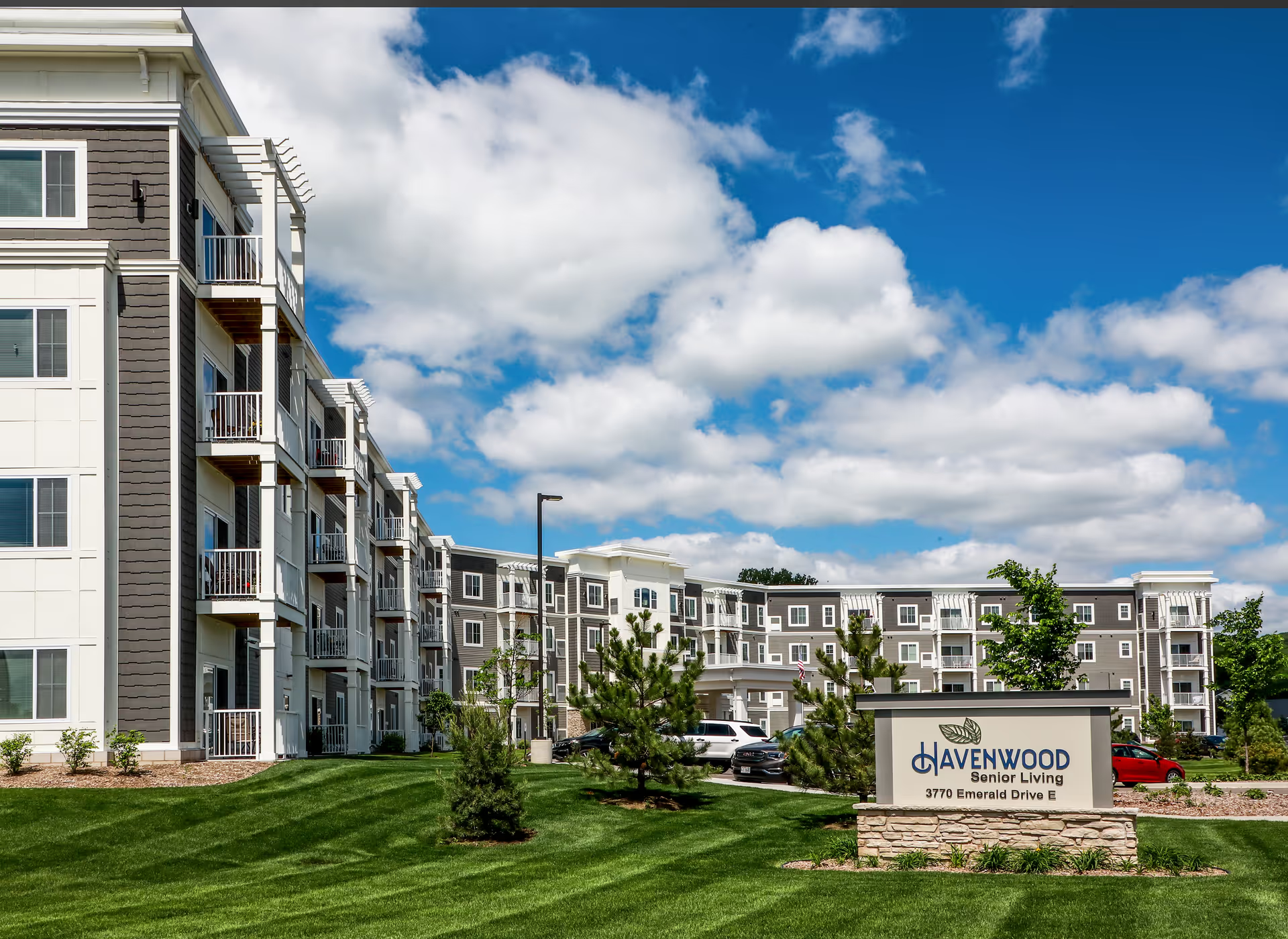
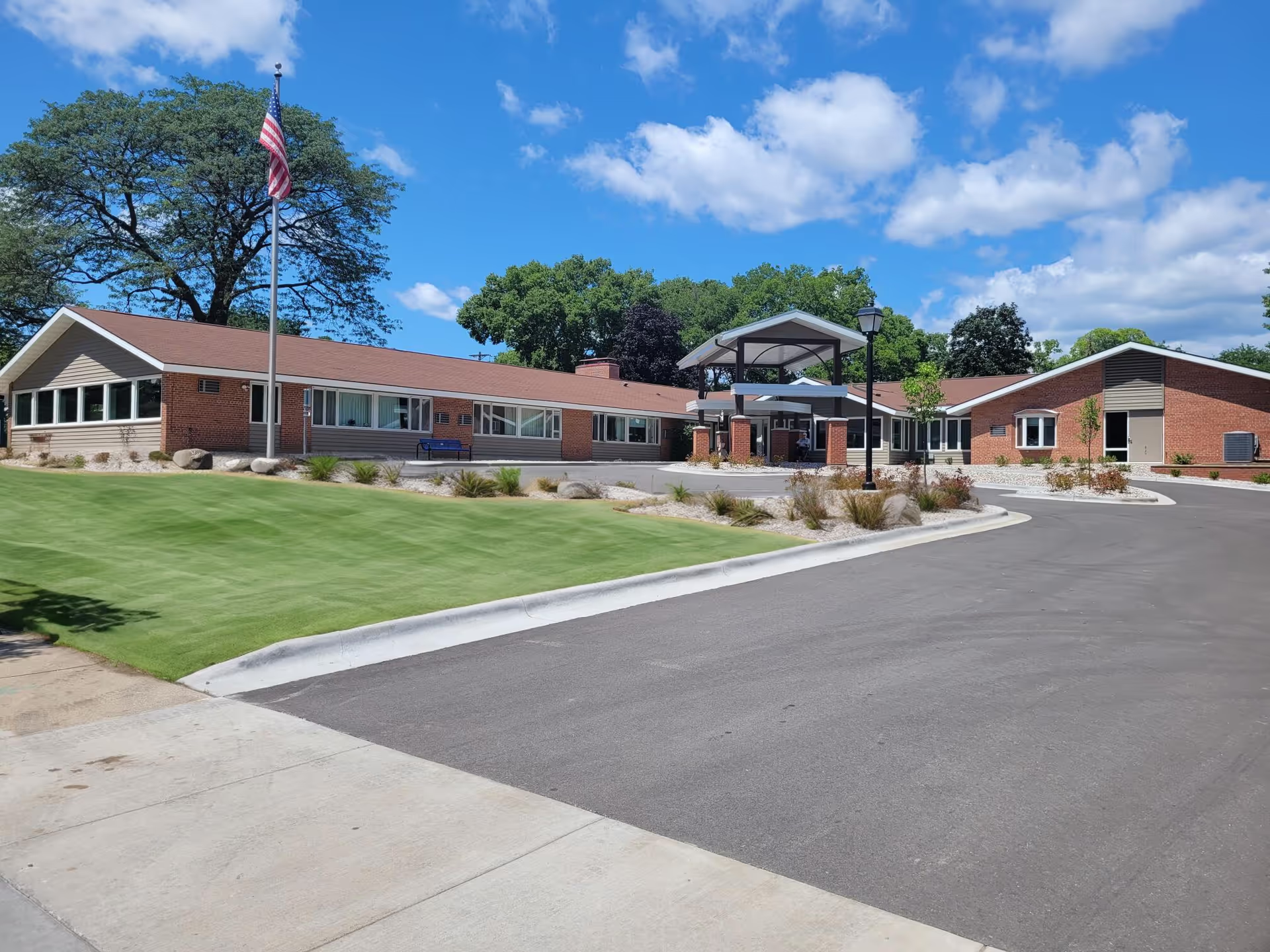
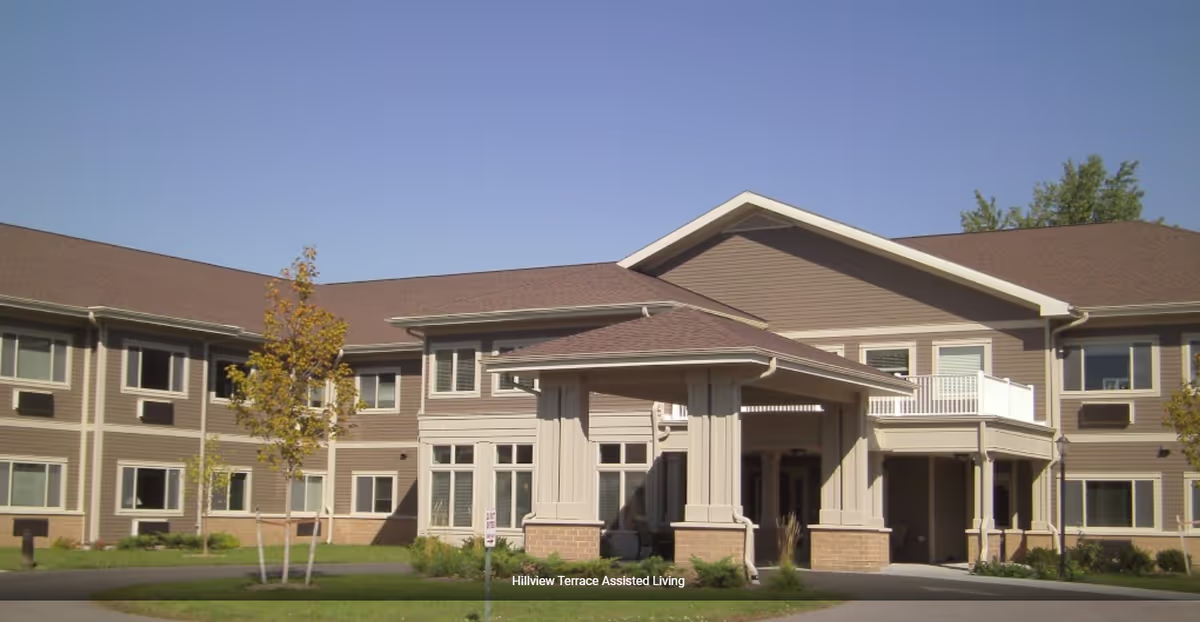
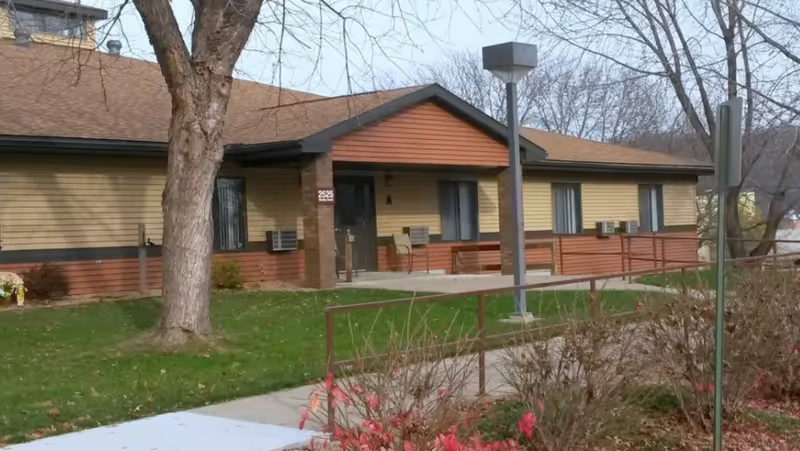
Facility features are a clear selling point: updated memory-care spaces, four dining areas, well-maintained grounds, and easy visitor access. Safety features were also noted as appropriate for the population. However, reviewers raise concerns about how the facility manages challenging resident behaviors and safety incidents: there are comments about uneven follow-through on behavior-management protocols and about specific situations that left families unconvinced that administrative processes reliably mitigate risk.
Management and organizational issues are the most consistent source of negative feedback. Several families describe defensive or unresponsive communication from administration, limited visible accountability after incidents, and what they perceive as inadequate escalation to corporate leadership. Staffing shortages and turnover are cited as underlying contributors to inconsistent service in laundry, timely personal care, and communications with families.
For prospective residents and families: the facility appears to offer strong bedside caregiving, a well-kept environment, meaningful activities, and appropriate physical security for memory care. Those considering Bluffview should balance these strengths against documented operational weaknesses—especially management responsiveness, staffing stability, personal-item handling, and consistency of personal-care timeliness. Suggested questions at a tour: current staffing ratios and turnover, incident escalation and follow-up procedures, property-tracking and laundry protocols, examples of behavior-management plans and staffing back-up, and how meal planning and quality improvement are monitored.