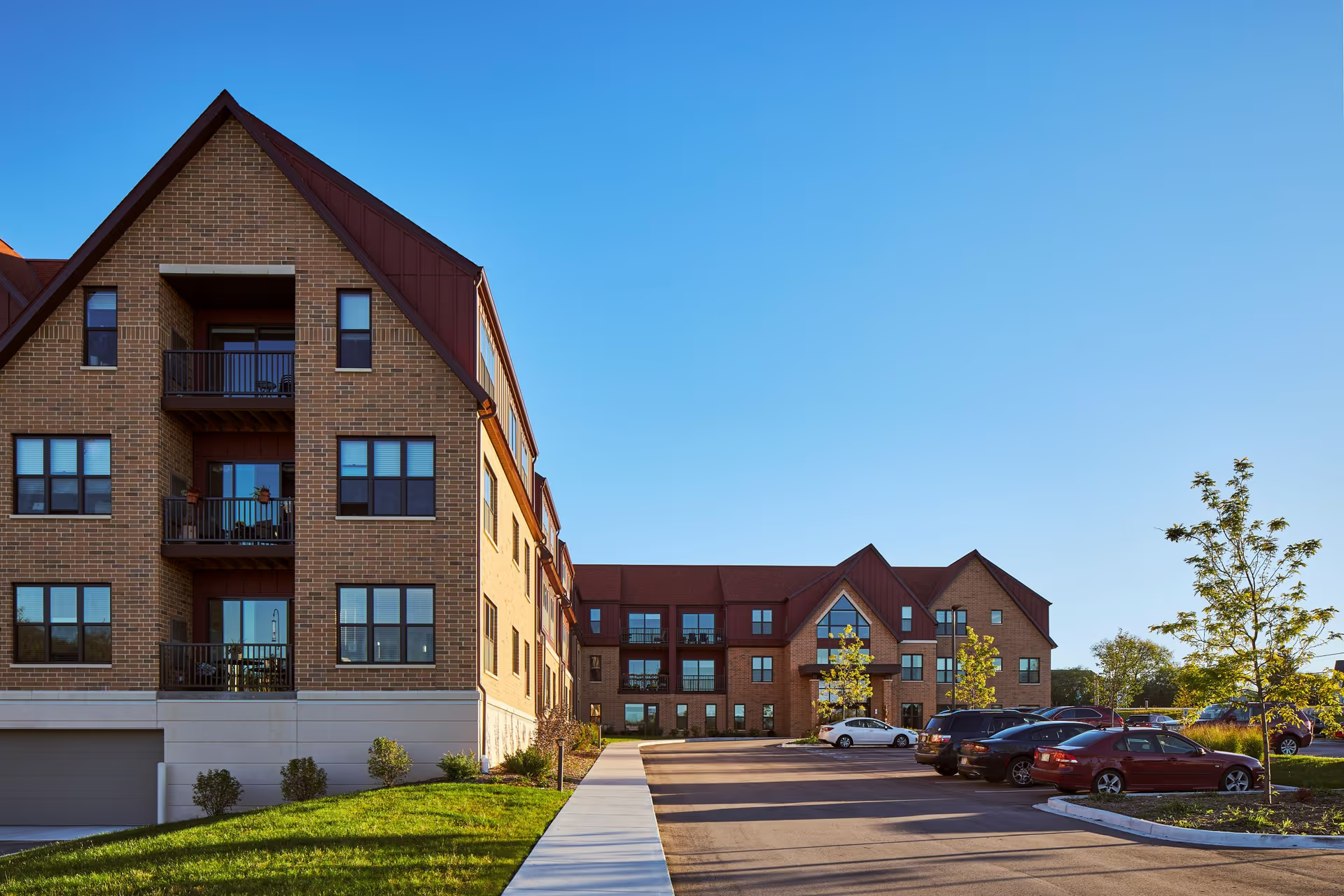
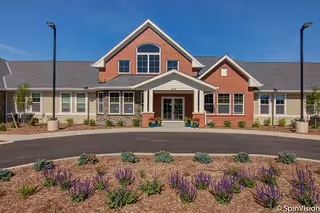
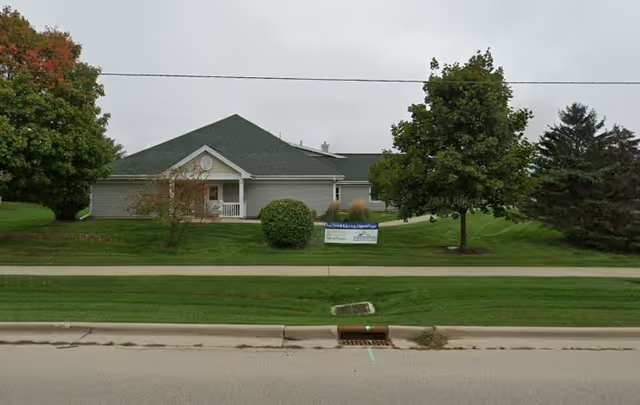
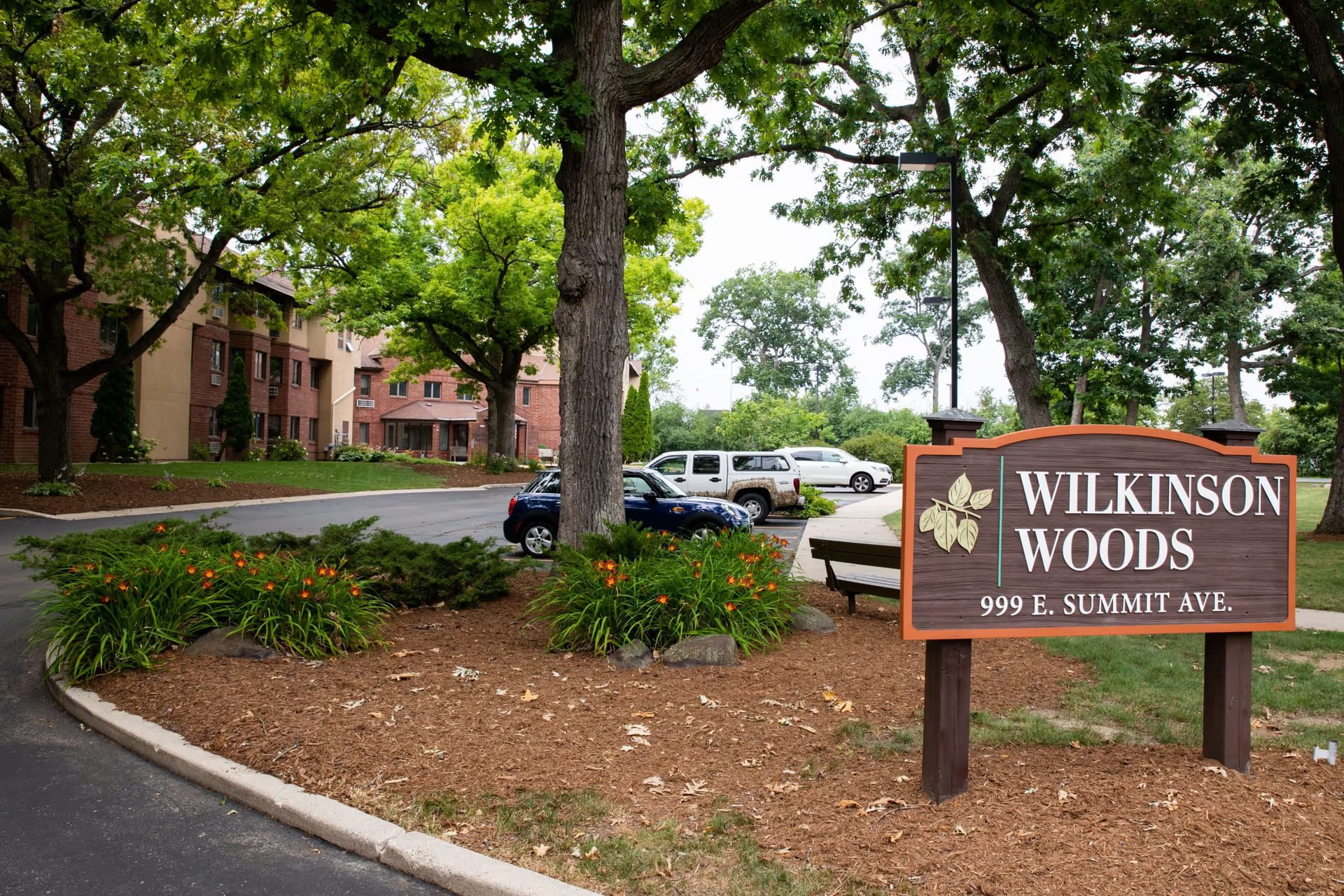
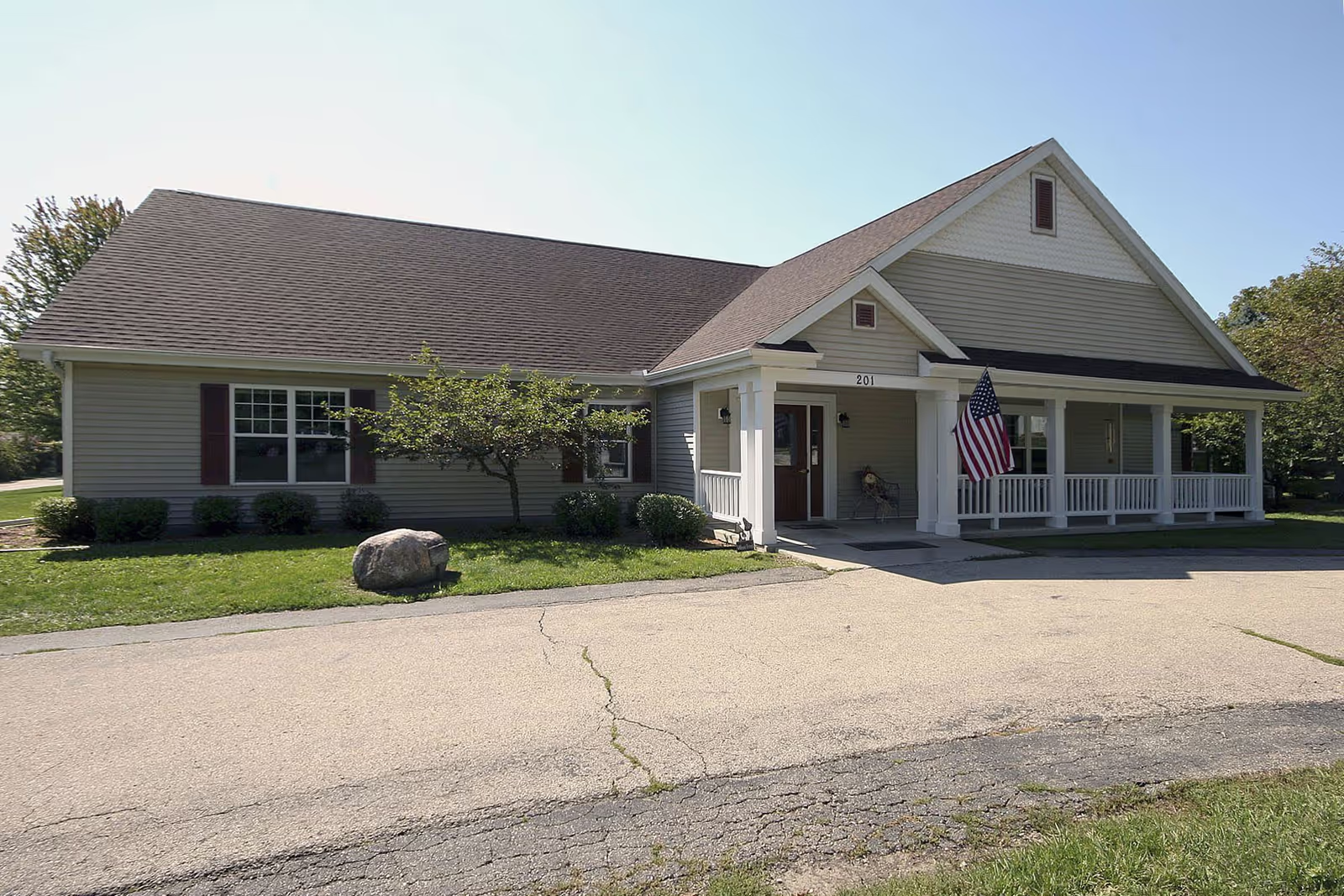
Reviews present a polarized picture: the facility's physical environment and some front-line personnel receive frequent praise, while clinical oversight, staffing reliability, and operational consistency raise significant concerns. Positive comments highlight spacious, pleasant rooms, a clean dining area with a veranda, agreeable building presentation, and several staff members (including administration staff like Tracey) who are described as warm and accommodating. For some families the facility felt home-like and convenient.
Care quality and clinical oversight are the most serious areas of concern. Accounts describe advanced pressure injuries and emergency hospital transfers in connection with gaps in repositioning and wound-prevention protocols. Reviewers also describe limited availability of licensed nursing staff on site and inconsistent oversight of clinical tasks. These patterns point to weaknesses in clinical-procedure oversight, nurse coverage, and the facility's ability to manage higher-acuity needs on a sustained basis.
Staffing and communication issues recur across reviews. Positive interpersonal interactions with certain caregivers are contrasted by reports of frequent caregiver shortages, inadequate dementia-specific training, and weak handoffs between shifts. Several comments indicate delays in responding to resident needs and lapses in alarm response. There are also mentions of policy-enforcement problems (for example, staff smoking during shifts in at least one account), which suggest inconsistent management oversight.
Dining and activities are mixed. The main meal is served at midday and the dining room environment is generally considered pleasant, but multiple accounts criticize meal quality and preparation methods, describing heat-and-serve style entrées and inconsistent tray handling. Activities programming has been praised at times—an engaged activities director is mentioned—but several reviewers report that offerings are limited or diminished over time, producing inconsistent engagement opportunities.
Facility housekeeping and sanitation show a split pattern: while common areas and the dining room are often described as well maintained, some families report inconsistent room cleaning and visible dust or carpet issues in resident rooms. These inconsistencies reinforce concerns about housekeeping scheduling and quality control.
Management impressions are mixed. Individual administrative staff receive commendation for being supportive and accessible, yet other comments point to a less positive demeanor from ownership and to weaknesses in communication with families. Notably, reviewers reference state regulatory action, indicating past compliance problems that prospective families should review further.
Overall pattern: the facility offers a pleasant physical environment and several compassionate staff members, but persistent operational weaknesses—especially in dementia care expertise, clinical staffing, pressure-injury prevention, housekeeping consistency, meal-service quality, and management enforcement—create risk for residents with higher medical or supervision needs. Prospective residents and families should ask targeted questions about current nurse coverage, dementia training, pressure-relief and turning protocols, recent regulatory history and corrective actions, housekeeping schedules, sample menus, staffing ratios by shift, and how the facility documents and communicates clinical incidents and handoffs.