Overall impression: Feedback about ABridge Care Cottage of Kewaunee is mixed. Several accounts highlight strong, compassionate caregiving and a small-community atmosphere with comfortable rooms, pleasant outdoor and lounge spaces, and generally satisfactory food. At the same time, there are recurring operational concerns—particularly around management, staffing, and cleanliness—that have produced strongly negative impressions among some families.
Care quality and staff: Positive comments emphasize individualized, attentive care from caregivers who sometimes exceed routine duties and make residents comfortable. Reviewers singled out specific staff for exceptional service and noted that interactions can produce observable resident well-being (for example, family members describing smiles and comfort). Conversely, other accounts describe inconsistent staff professionalism, communication challenges, and behaviors that families found troubling. Short staffing is cited as a regular operational constraint; staff shortages appear to affect responsiveness and make the community a poor fit for residents with behavioral or higher-acuity needs.
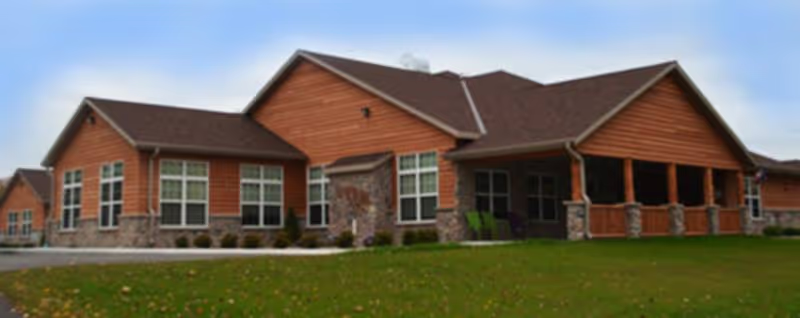
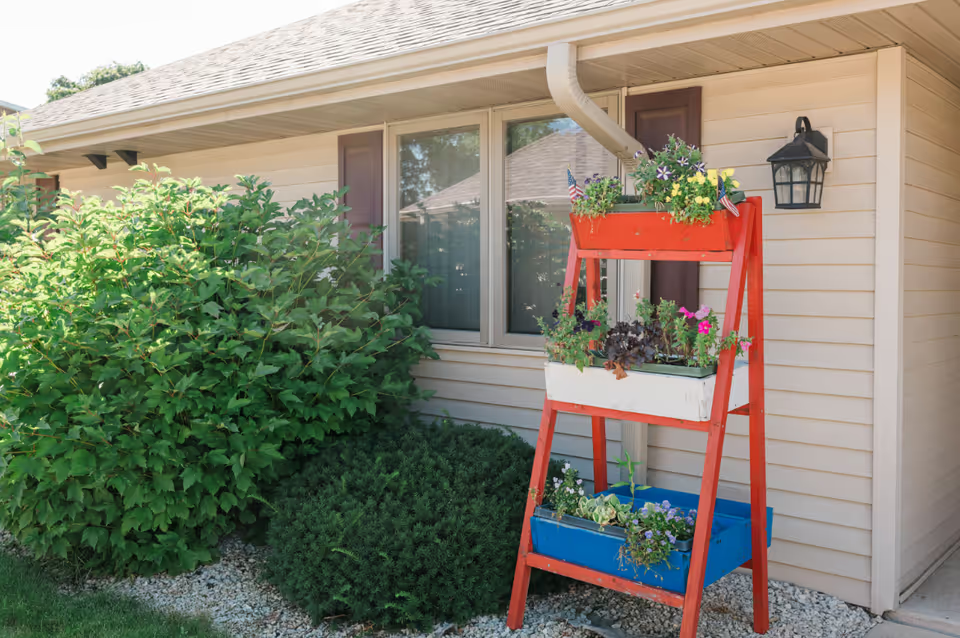
Dining, activities, and social spaces: Dining receives generally favorable mentions for quality. The community is described as small and intimate, with usable outdoor areas and lounge space that residents can access. At least one recreational or library-style amenity was noted as lacking, suggesting limited programming or fewer dedicated quiet/reading spaces than larger communities might offer.
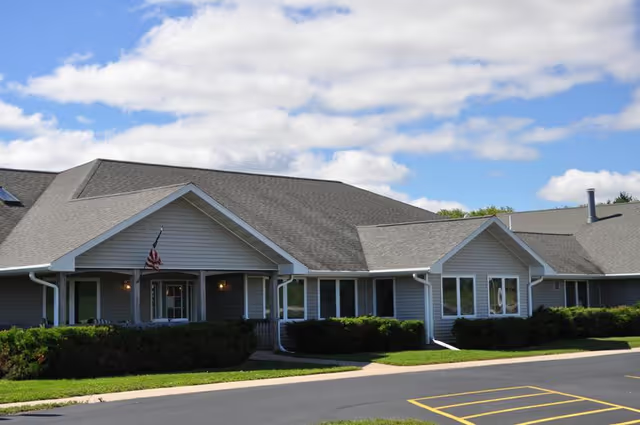
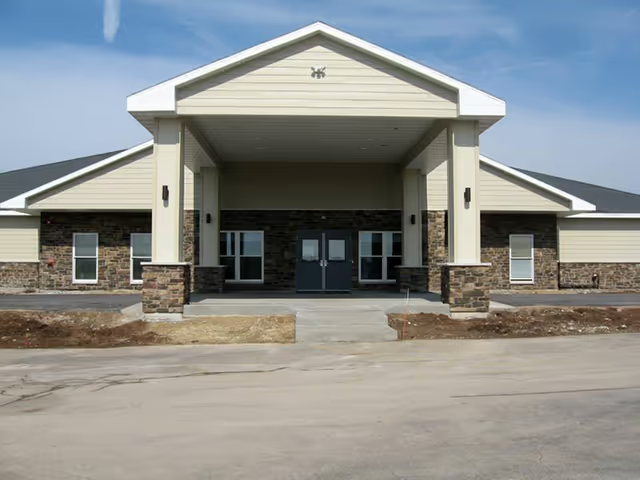
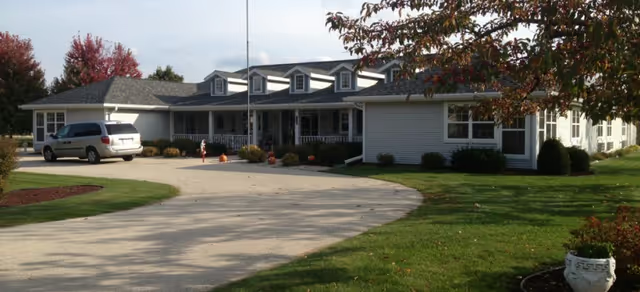
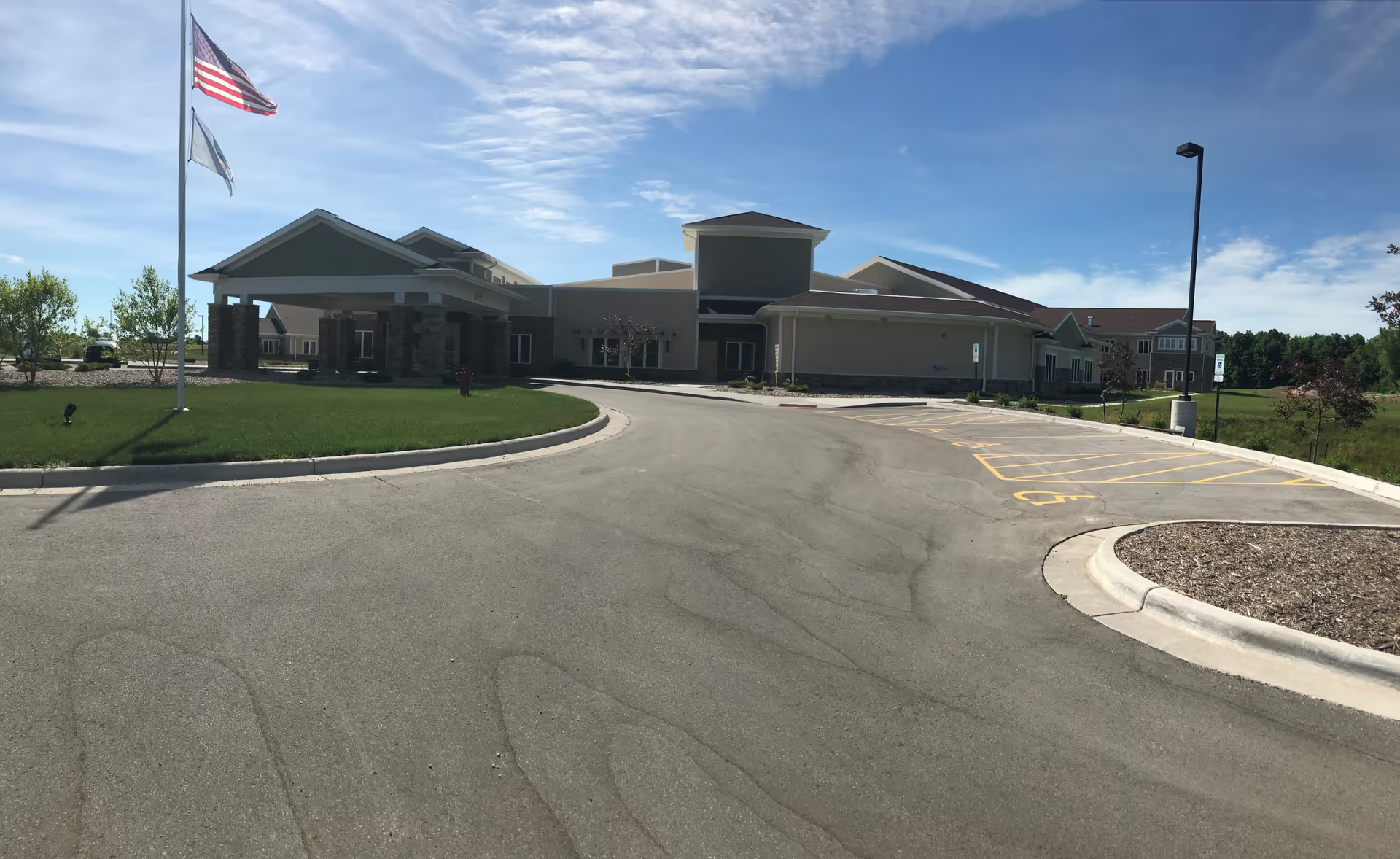
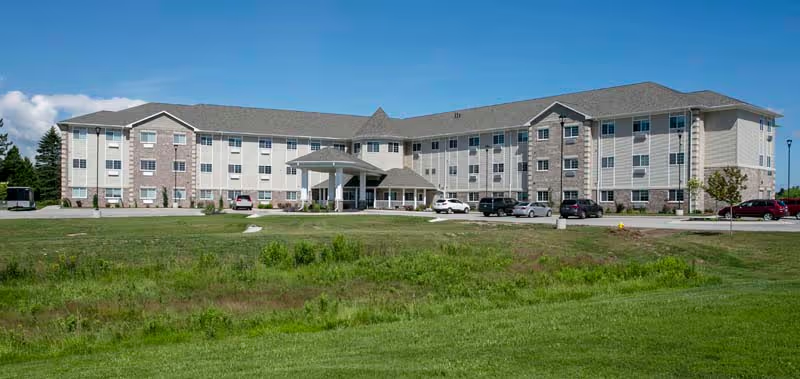
Facilities and cleanliness: The physical plant is described as an older building undergoing remodeling and upgrades; recent improvements such as new carpeting in rooms were seen positively. However, sanitation and cleanliness issues in resident rooms and bathrooms were raised by some reviewers, indicating uneven housekeeping or environmental controls. On-site smoking by staff was also mentioned as a concern for indoor air quality and comfort.
Management and operations: Reviewers portray management as uneven. Some families were impressed by a new executive director who engaged thoughtfully and showed commitment to improving the community. Others described unprofessional management behaviors, intermittent shortages of supplies, and inconsistent oversight that contributed to family dissatisfaction. These divergent impressions point to transitional leadership dynamics and variability in daily operations.
Notable patterns and guidance: The pattern across feedback is one of contrasts—strong individual caregiving and positive physical updates coexisting with operational weaknesses that affect safety perception, cleanliness, and suitability for residents with complex behavioral needs. Prospective residents and families should tour the community, observe staffing levels at different times of day, ask about current cleaning and infection-control protocols, request documentation of staffing ratios and recent inspections, clarify the facility smoking policy and pet policy, and discuss how behavioral or higher-acuity needs are managed. Follow-up conversations with the executive director about recent or planned corrective actions (remodel timeline, supply procurement, staff training) may help determine whether the community’s positive elements are being sustained while operational issues are addressed.