The reviewer set describes a facility with a mixed service profile: rehabilitation and activities are consistently identified as strengths, while operational and environmental deficits create significant concerns for many families. Therapy staff and several individual caregivers received specific praise for patience, effective rehabilitative outcomes, and individualized attention. Activity programming and short-term rehab outcomes (notably hip-replacement recovery) are frequently cited as positive experiences.
Care quality assessments are polarized. Positive comments note timely medication and attentive nursing for some residents, and specific staff members were named for strong performance. However, numerous accounts describe missed basic care tasks (for example, inconsistent bathing and grooming assistance), delayed assistance with toileting and incontinence-care needs, and delayed response after falls. There are also concerns about medication handling and secure storage practices that families regarded as unsafe.
Staff behavior and responsiveness are uneven. Many reviewers praised individual aides, therapists, and nurses for compassion and dedication. At the same time, recurring comments describe long call-light waits, brusque or dismissive communication from some staff and social services, and inconsistent supervisory follow-through. A small number of reviewers alleged seriously unsafe staff behavior while on duty; these allegations are serious and would require investigation by management or regulators.
Dining and nutrition appear inconsistent. Several families described bland, poorly timed, or incomplete meal service, while others noted accommodations for dietary needs. Food temperature and availability of condiments were specific practical complaints. Activity scheduling and therapy pull residents for sessions during meal periods in a manner some families found disruptive.
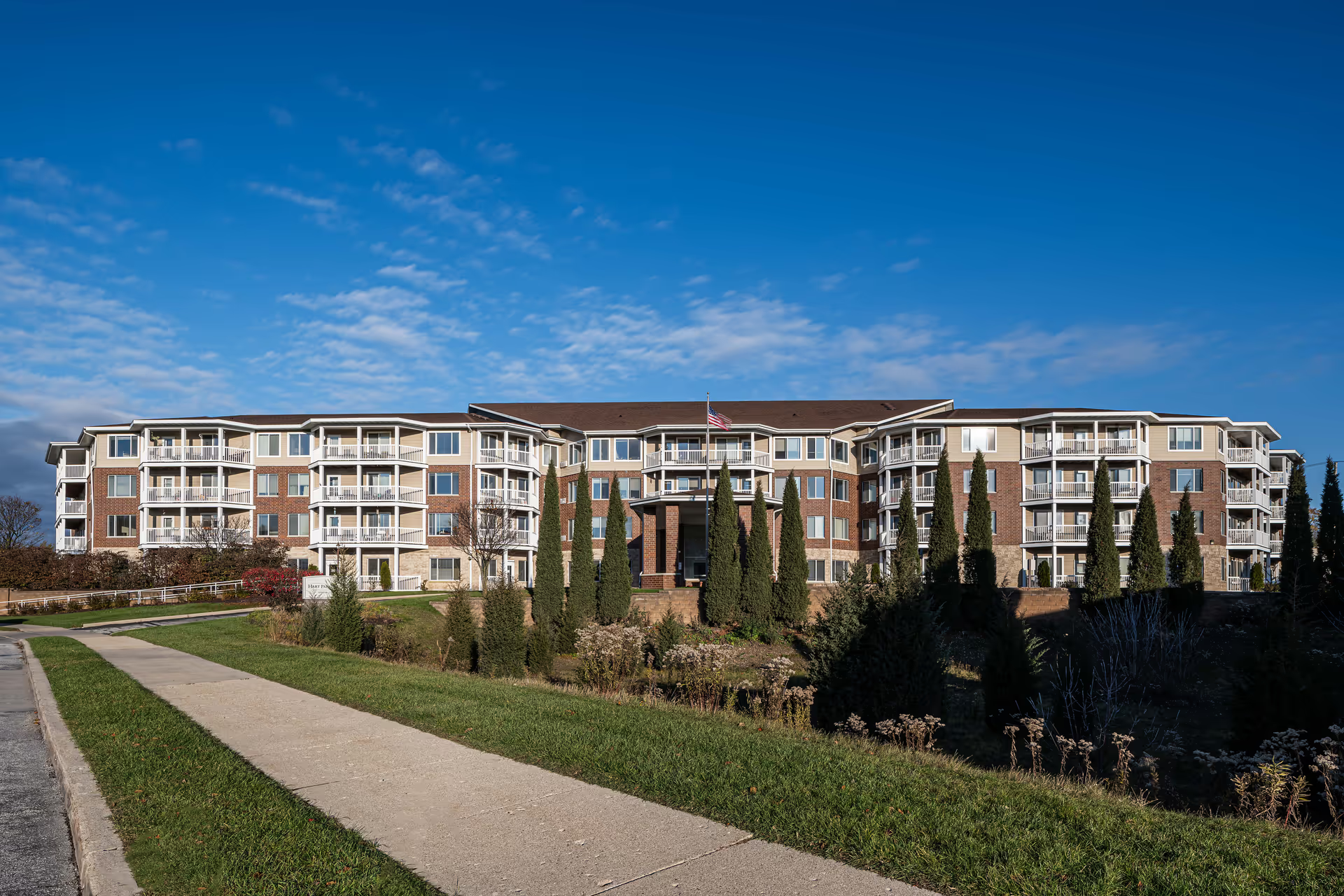
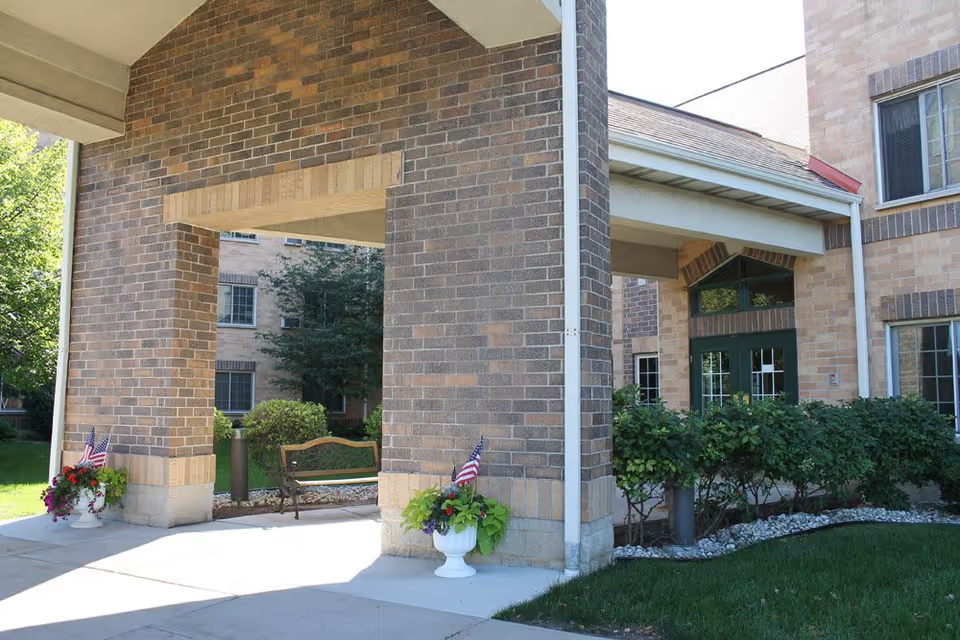
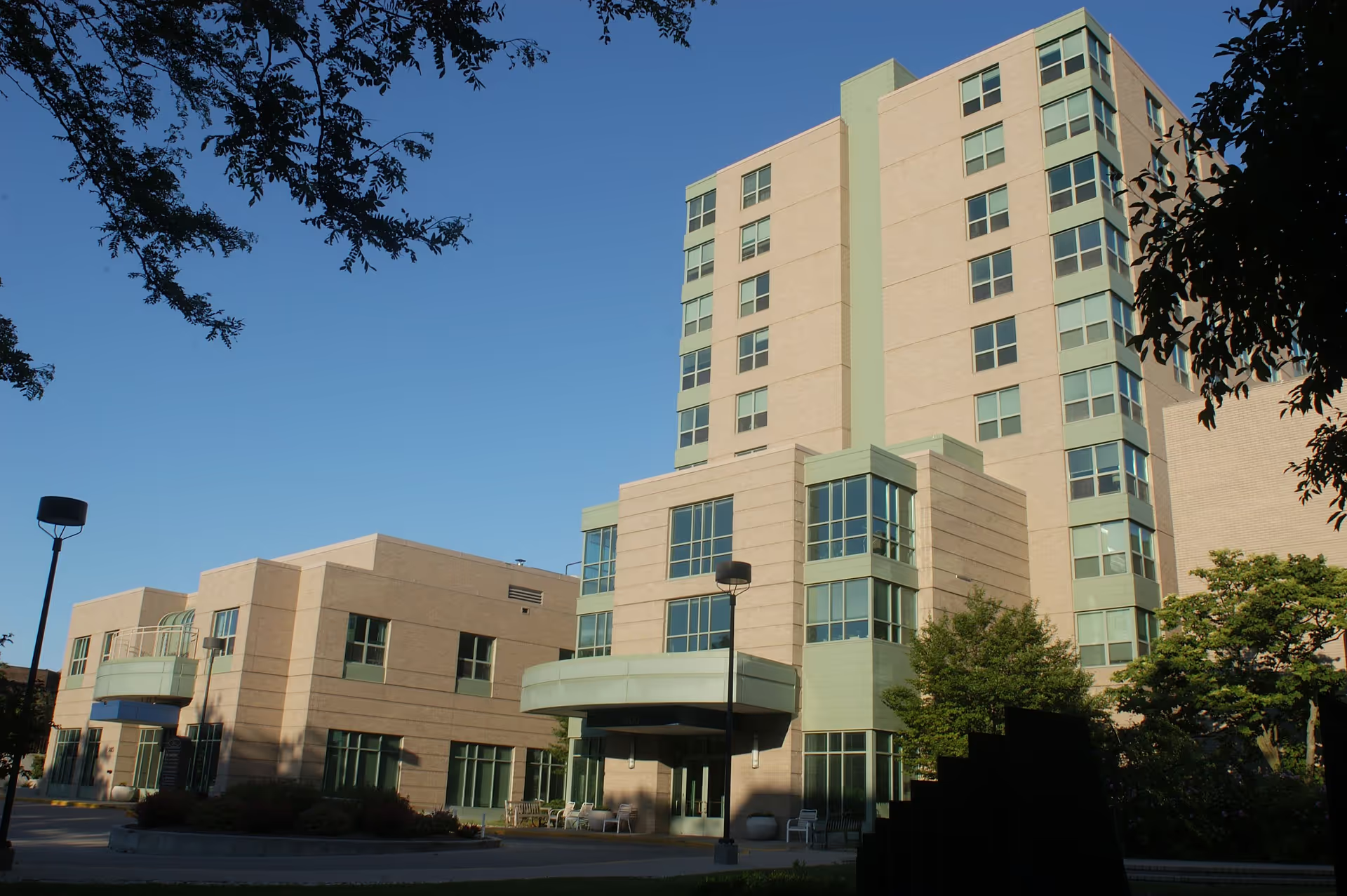
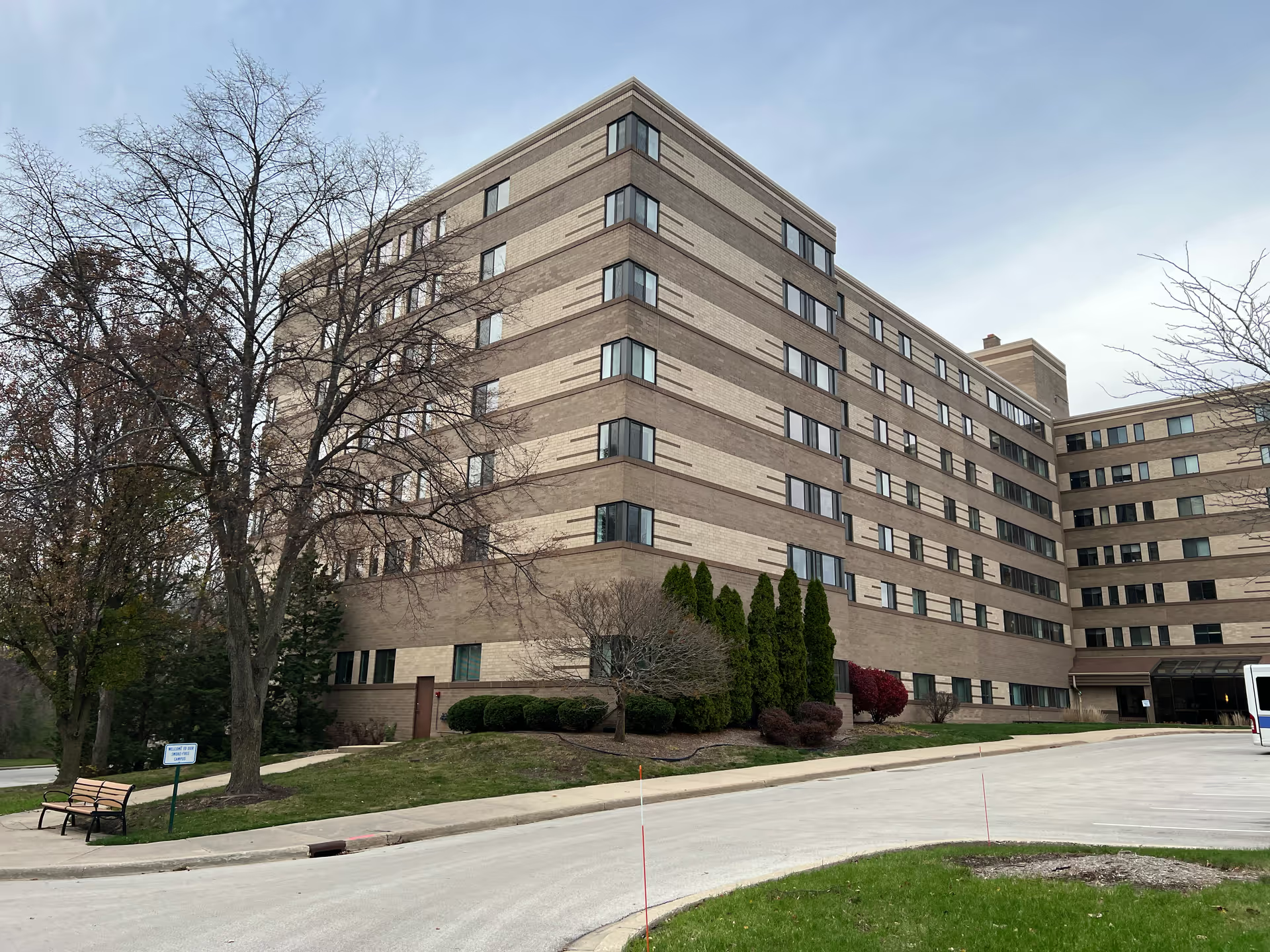
Facility and environment issues are prominent. Reviewers noted maintenance deficits such as peeling paint, mold and rust concerns, privacy curtains in poor condition, elevator delays, and limited in-room amenities (no phone or TV in some rooms). Shared rooms and crowded common spaces were described as limiting privacy. Sanitation and housekeeping shortfalls in both resident rooms and shared bathrooms were a frequent theme. Security and access-control weaknesses — including unlocked doors at night and perceived lack of night supervision — were also raised.
Management and communication generated mixed impressions. Some families observed improvement under new administration and cited better responsiveness and rising public ratings. Conversely, many described ineffective complaint resolution, slow or absent follow-up on incidents, and inadequate engagement from leadership. Communication gaps were highlighted after clinical events such as falls or infections, where families reported delayed notification or unsatisfactory explanations.
Notable patterns: the facility shows clear strengths in therapy and in several individual staff members who deliver strong, attentive care. These positives coexist with system-level weaknesses in maintenance, sanitation, staffing levels, medication/security controls, and management responsiveness. Prospective residents and families should weigh the strong rehabilitative and activity offerings against the operational concerns described here, ask targeted questions about staffing ratios, infection-control and medication policies, housekeeping procedures, and leadership responsiveness, and consider an in-person tour that inspects room conditions, bathrooms, and security measures prior to placement.