Experiences at the community vary. Many family members describe attentive, patient staff, a comfortable home-like atmosphere, and care teams who learn residents’ preferences and use redirection effectively. Some families felt well informed about care plans, while other accounts raise concerns about communication, follow-through, and whether staffing levels consistently meet residents’ needs. One family described serious concerns about fall-risk supervision and alarm responsiveness for a high-risk resident, as well as a separate concern about belongings missing after the resident’s death. These accounts point to areas families may wish to ask about directly, including supervision plans, alarm checks, incident follow-up, and procedures for safeguarding personal property.
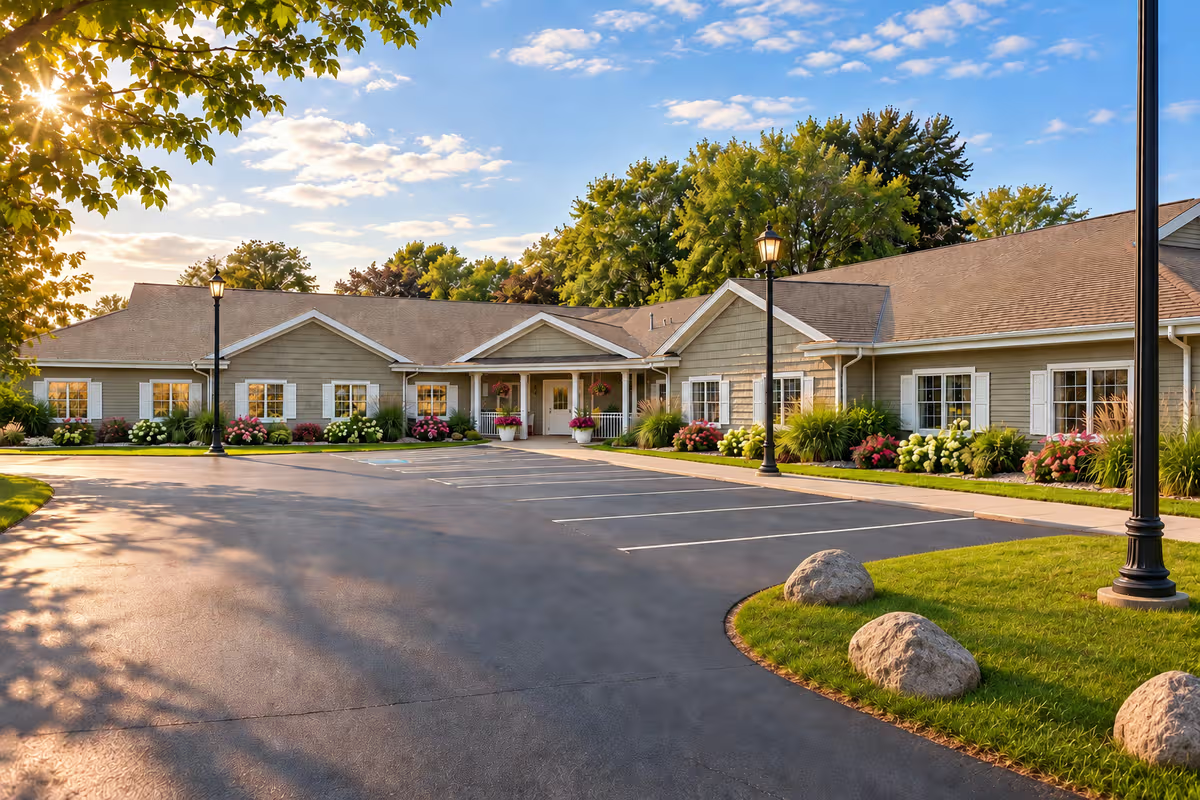
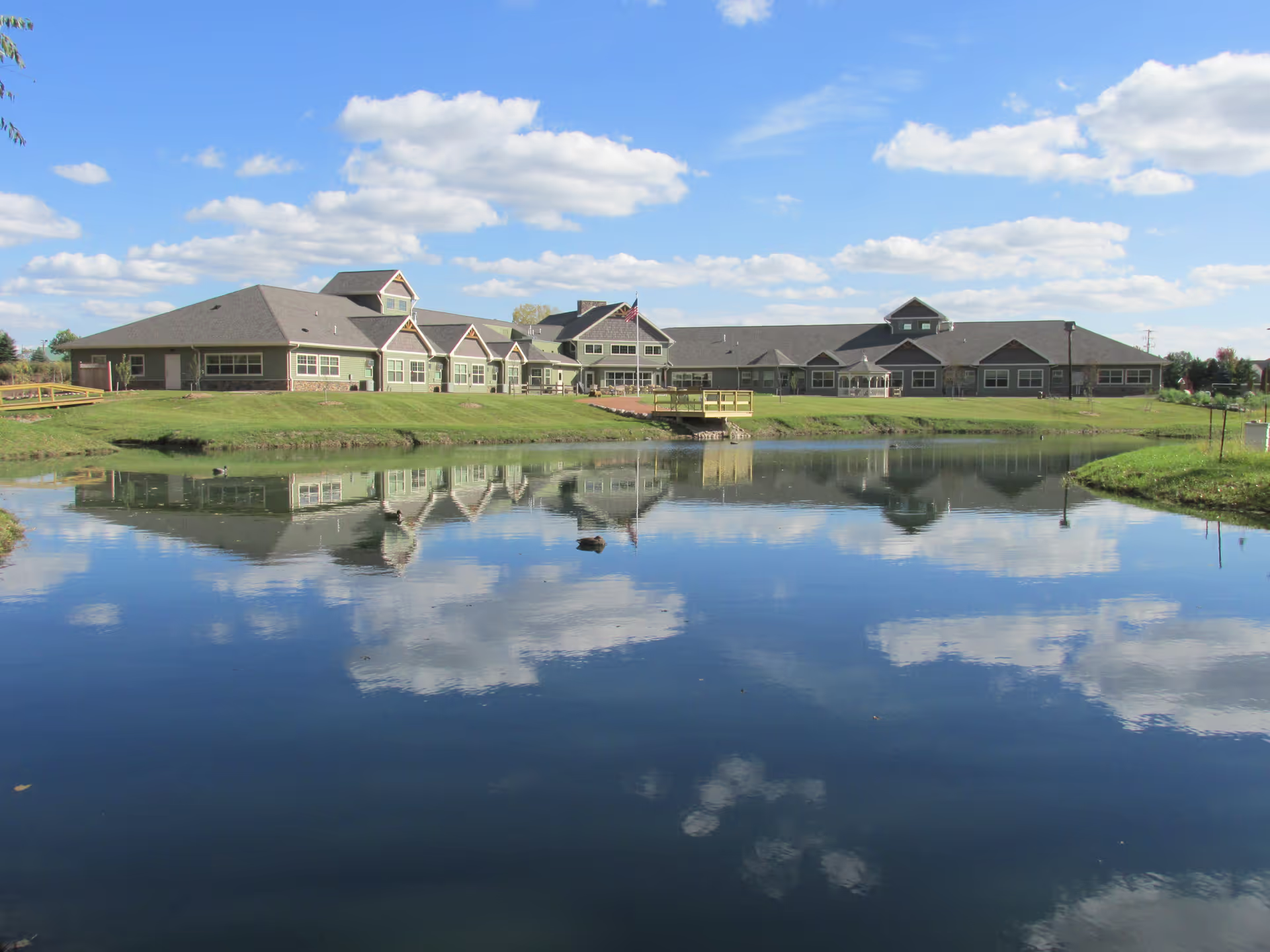
Activities are a notable strength in several accounts, with exercise, crafts, bingo, devotion, music, sing-alongs, and special events described. However, one family said its resident spent much of the day alone in her room and felt bored, suggesting that participation and social connection may differ by resident. Dining feedback is also mixed: some families praise the food and variety, while another describes the food less favorably. The community is described as clean and comfortable, with rooms that can be personalized and common spaces for socializing. Room layouts vary, and some bathrooms have limited counter space; one reviewer also noted limited outdoor space for memory-care residents.
Several reviewers appreciated the dedicated, secured memory-care setting and the community’s layout. Others raised concerns about whether the facility was suited to a resident’s care needs. A strongly negative account links a decline in confidence to ownership and management changes, while other families describe positive management and care experiences. Taken together, the reviews suggest meaningful variation in perceptions over time and across residents. Prospective families may want to ask about current leadership, staffing coverage, how care needs are assessed, activity support for residents who do not join group programs, meal options, and communication procedures.