The reviews for Neillsville Retirement Community present a mixed picture. Several families describe genuinely positive interactions with frontline staff and a comfortable, well-kept physical environment. At the same time, other accounts raise operational concerns that prospective residents and their families should evaluate closely before making a placement decision.
Care: Opinions about clinical and personal care diverge. Positive comments emphasize attentive, compassionate caregiving and responsiveness to calls for assistance when staff are available. Conversely, some families reported inconsistent medication administration and delays in attending to routine personal-care needs. There are specific concerns about incontinence-care and broader sanitation practices; these comments suggest the facility may struggle to maintain consistent assistance and hygiene for residents with higher assistance needs.
Staff: Many reviewers praised individual staff members as kind, helpful, and accommodating. However, a recurring operational theme is staffing instability: high turnover, general understaffing, and limited one-on-one time for residents. Several accounts specifically noted insufficient overnight coverage. These staffing patterns correlate with reports of delayed services and reduced individualized attention.
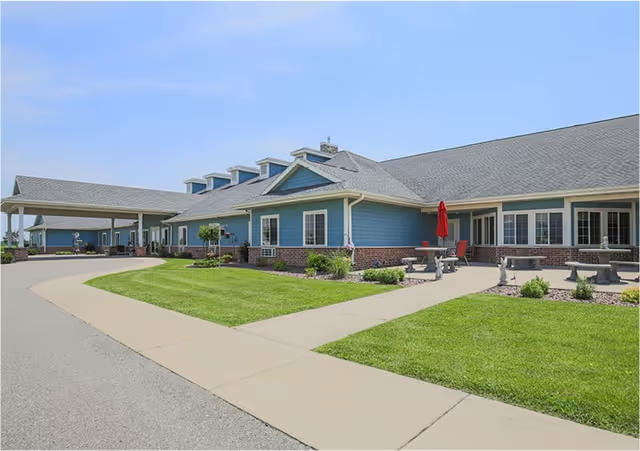
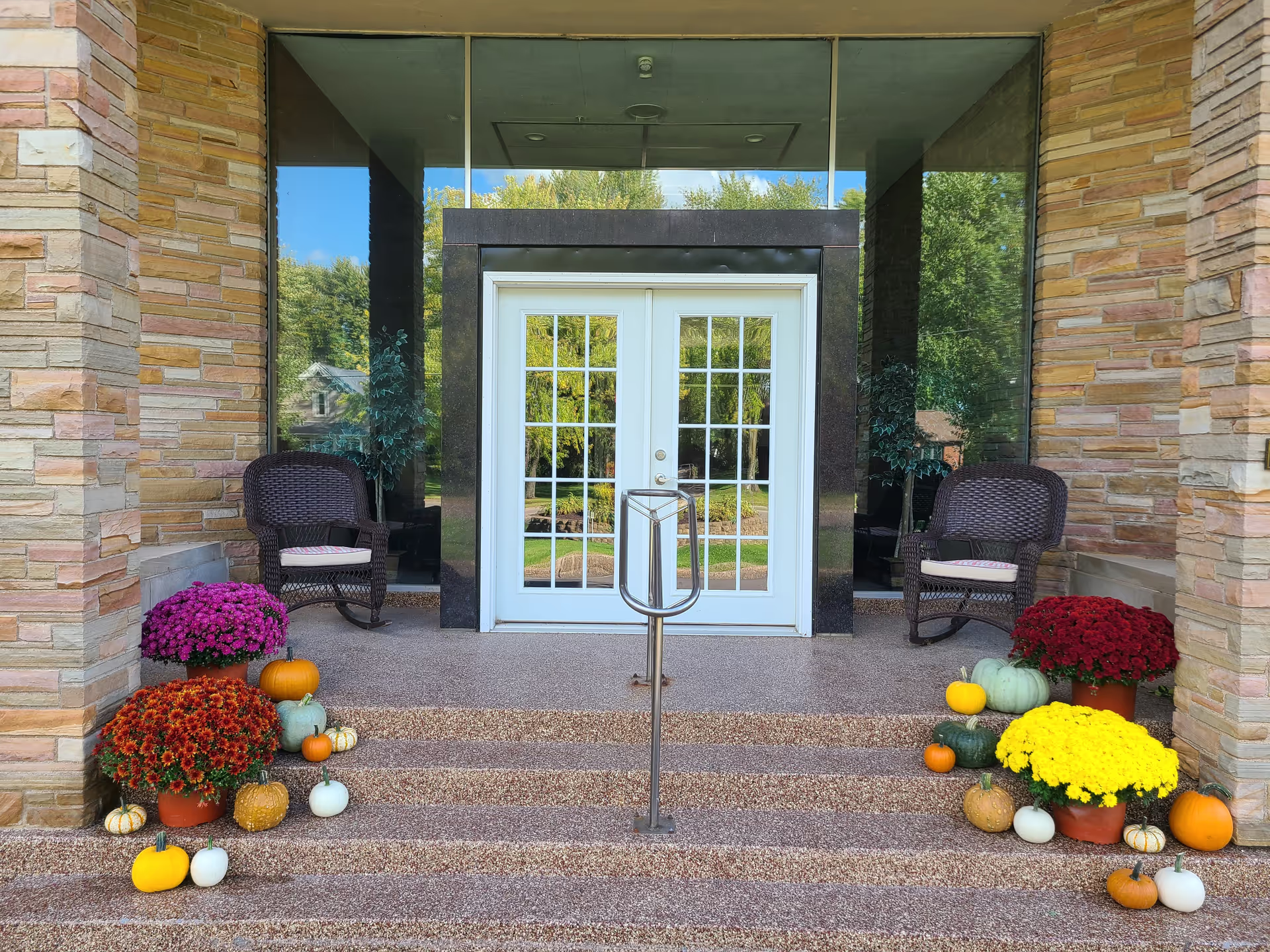
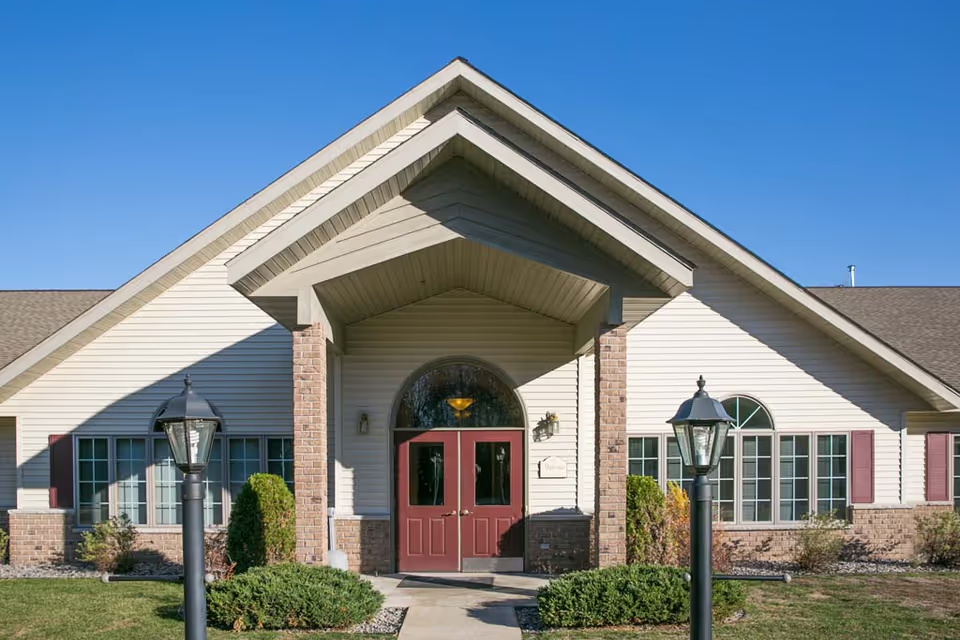
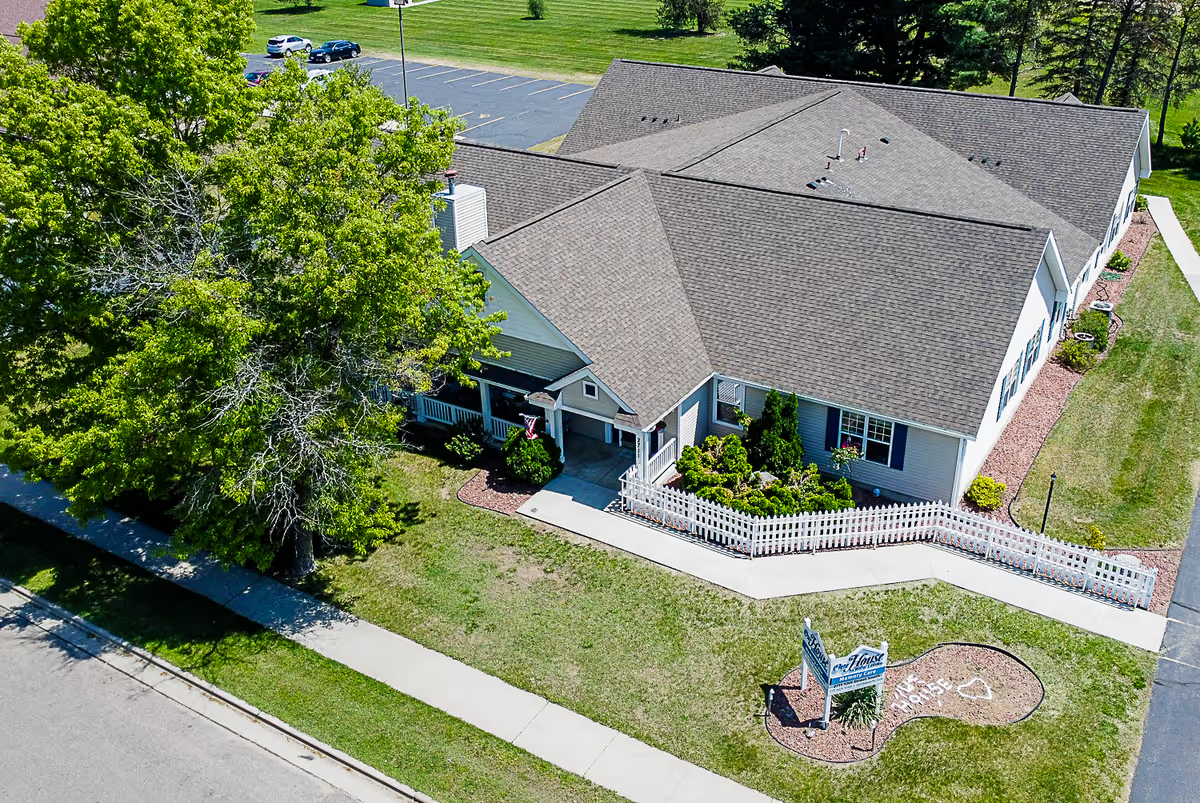
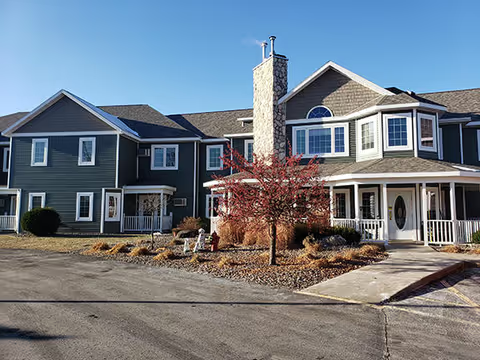
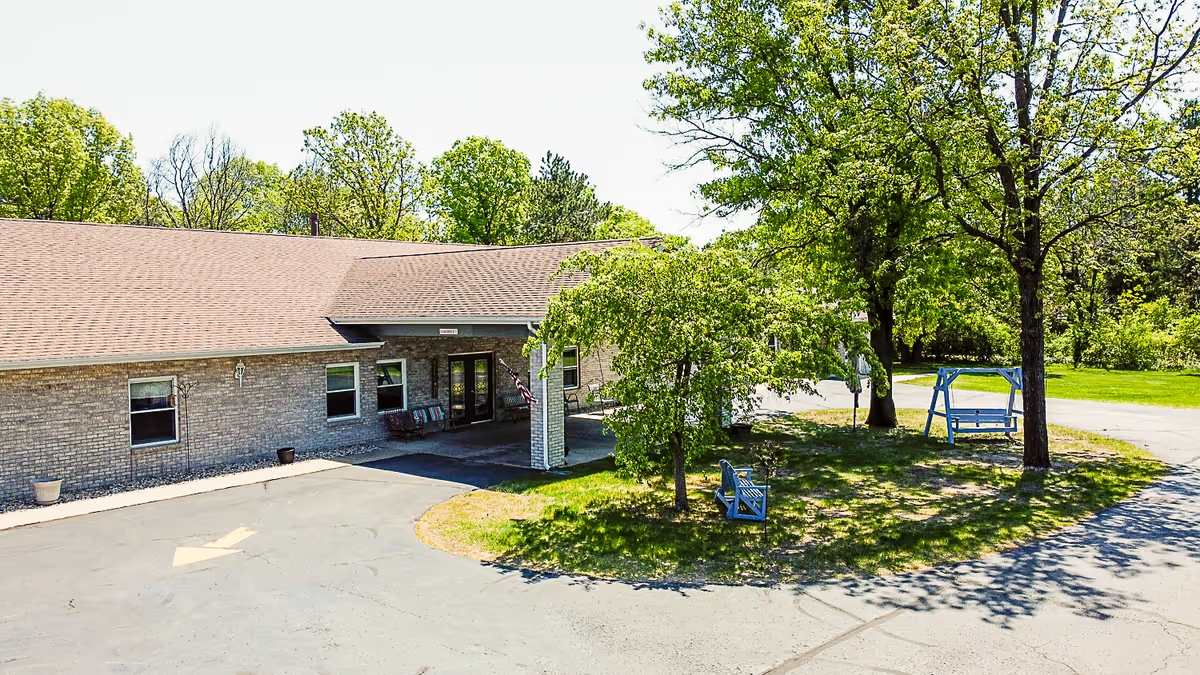
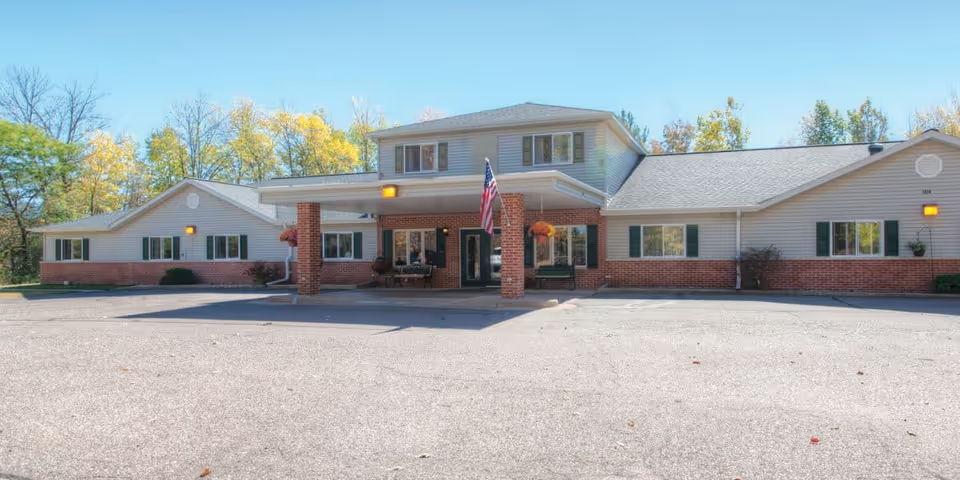
Dining, activities, and facilities: There is limited, mainly positive feedback about the facility’s physical appearance — reviewers noted comfortable accommodations and well-maintained common areas. Reviews provide little consistent detail about dining quality or the breadth of activity programming; prospective families should request current menus, activity schedules, and examples of resident engagement during a tour.
Management and operations: Management received the most polarized feedback. Some reviewers said the manager interacts positively with residents, but multiple families expressed concerns about leadership, communication, and professionalism. Several comments link a decline in care quality to a recent management change and to broader corporate-level influence. These observations suggest recent operational transitions that may be affecting day-to-day care delivery.
Notable patterns and recommendations: The strongest patterns are staffing-related (turnover, understaffing, overnight coverage), inconsistency in medication and basic-care processes, and limited capacity for residents with advanced dementia or high-acuity needs. For families considering this community, recommended follow-ups include: asking for current staffing ratios and turnover data, reviewing medication-administration and hygiene protocols, confirming overnight staffing levels, touring at different times of day to observe care routines, and verifying whether the community can meet specific cognitive or medical needs. These targeted questions will help clarify whether the facility’s current operations match the prospective resident’s care requirements.