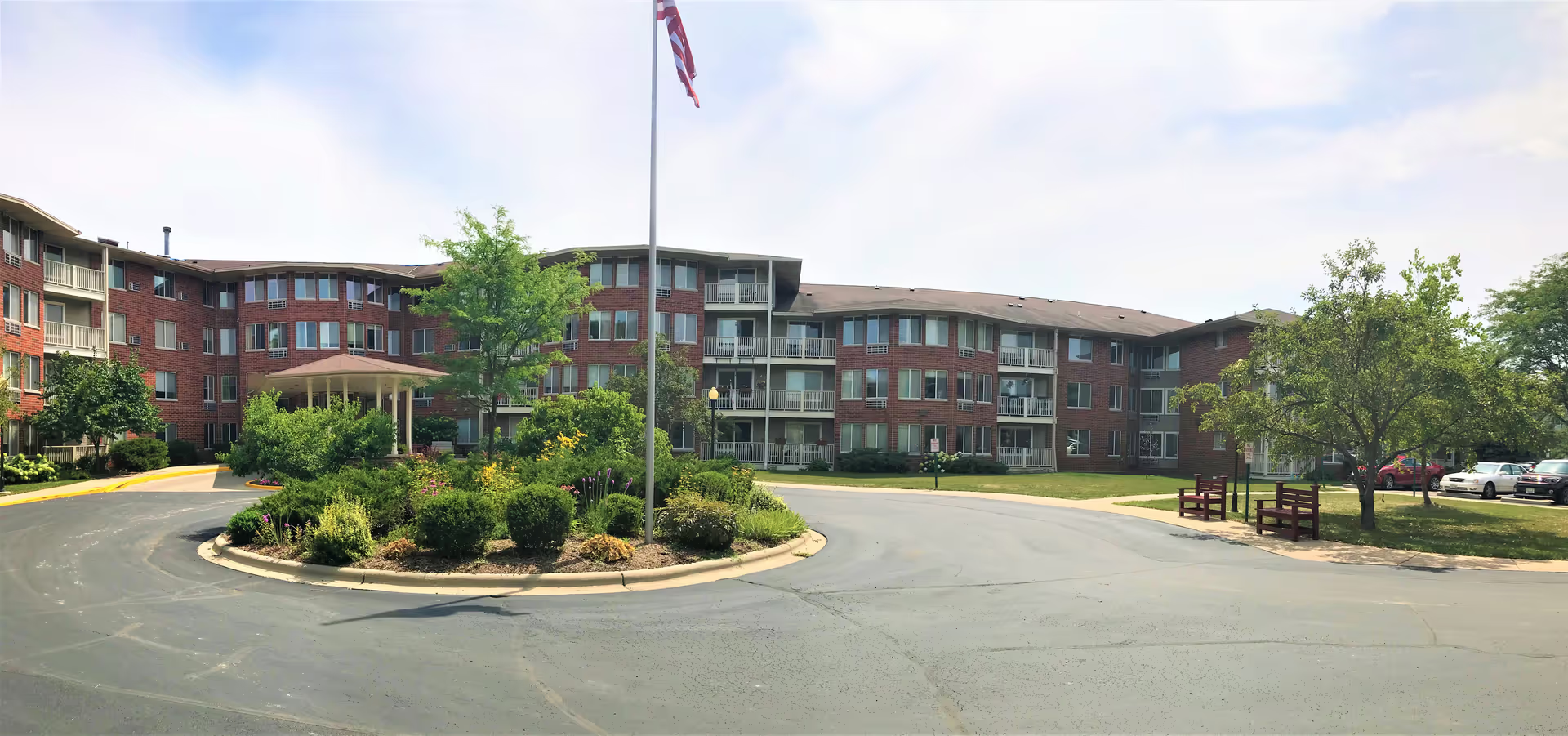
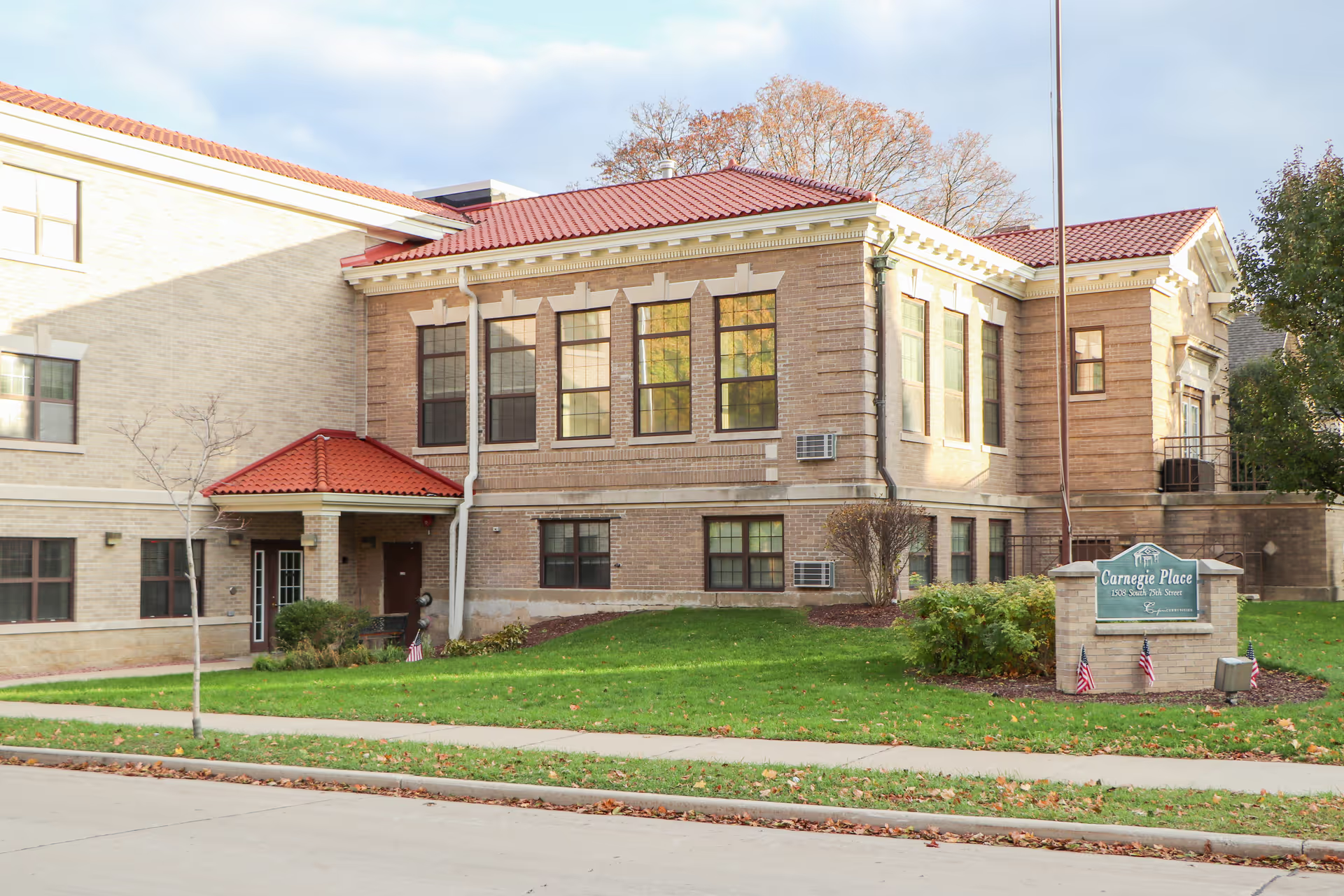
The reviews for LindenGrove New Berlin present a strongly mixed picture. Many families and residents describe genuinely positive experiences: direct-care staff who are caring and attentive, an active and varied activities program (painting, music, bingo, gardening), attractive outdoor spaces, a pet-friendly, home-like environment, and helpful social-work and hospice support during transitions and end-of-life care. Several accounts highlight effective physical therapy services and long-tenured employees who contribute to continuity and a welcoming atmosphere.
Counterbalancing those positives are recurring operational weaknesses that appear to drive most negative experiences. A dominant theme is chronic understaffing and turnover, which reviewers connect to long call-button response times, delayed assistance, and periods with limited nursing coverage on evenings and weekends. Reviewers describe inconsistent medication administration and instances of poor clinical oversight (including wound care and monitoring of clinical changes), which in some cases led to rehospitalization or further clinical decline. These clinical-safety concerns are raised with considerable seriousness in a few individual accounts, including contested incidents and disputed post-discharge outcomes.
Dining and rehabilitation are areas of mixed performance. Some families praised meal service and rehabilitation outcomes; others reported cold or low-quality meals, wrong or duplicate trays, inconsistent portioning, and variability between therapy disciplines (physical therapy frequently praised; occupational therapy less consistent). The activities program is a clear strength for many residents, providing socialization and routine engagement that families valued.
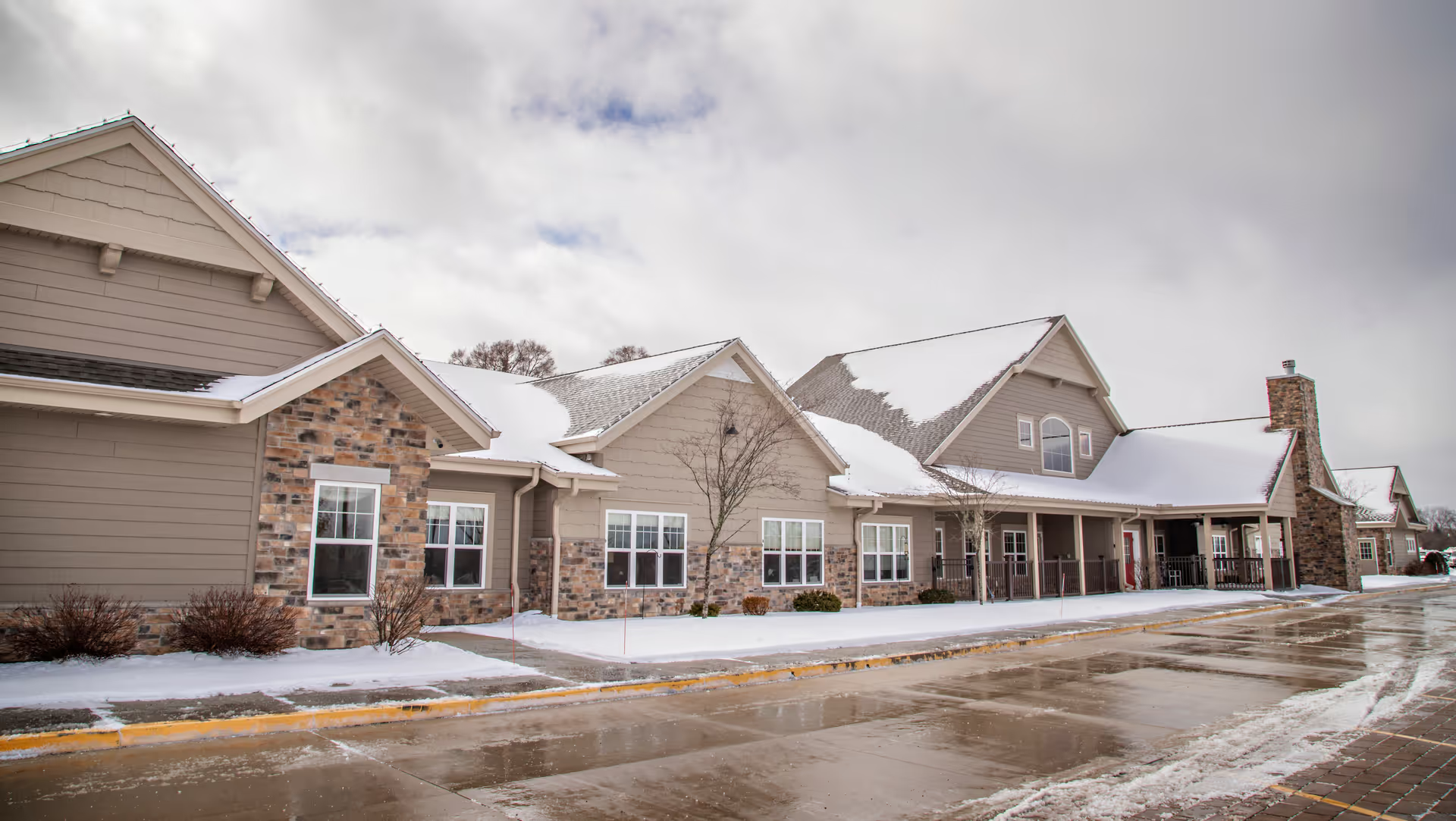
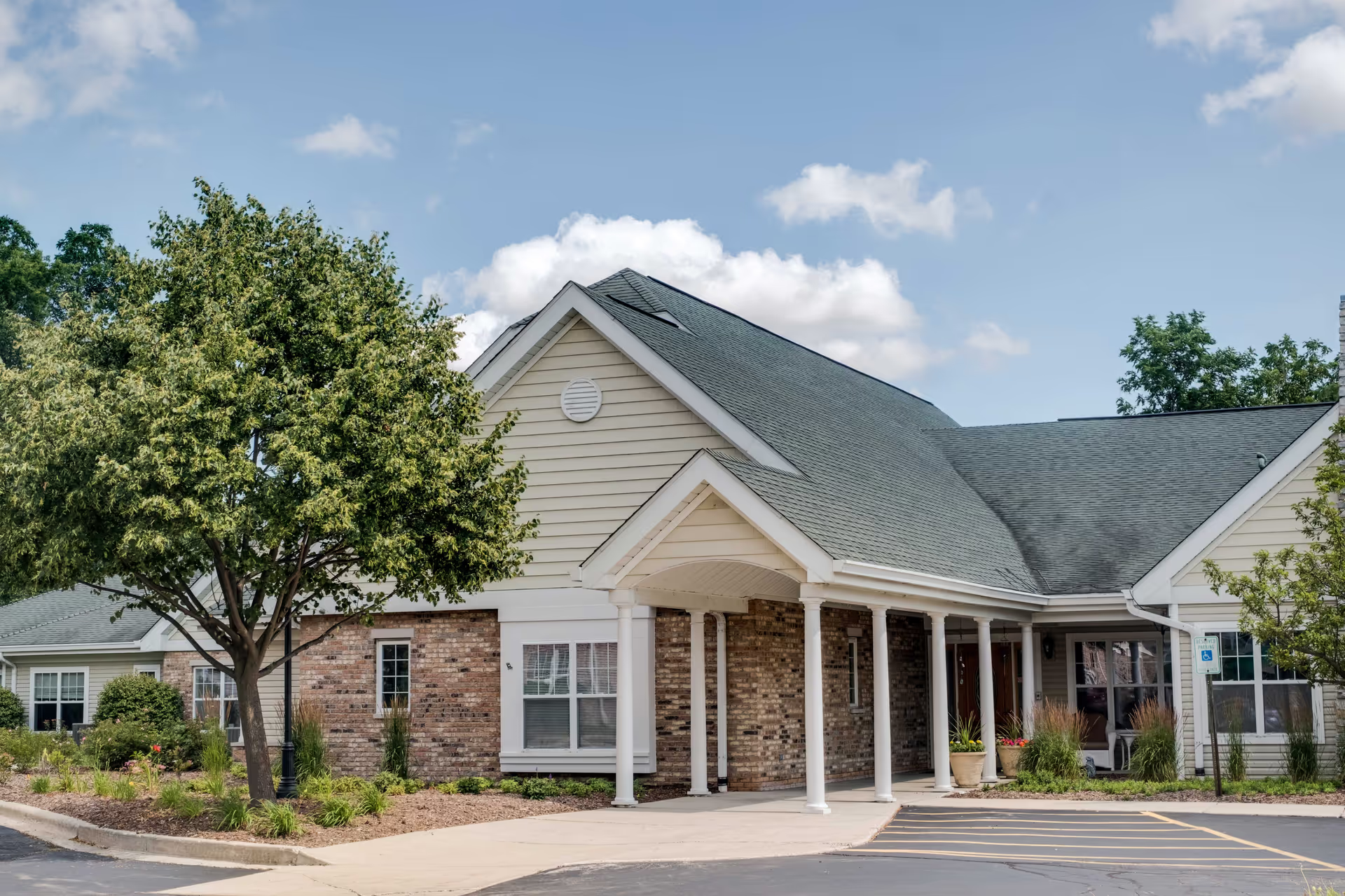
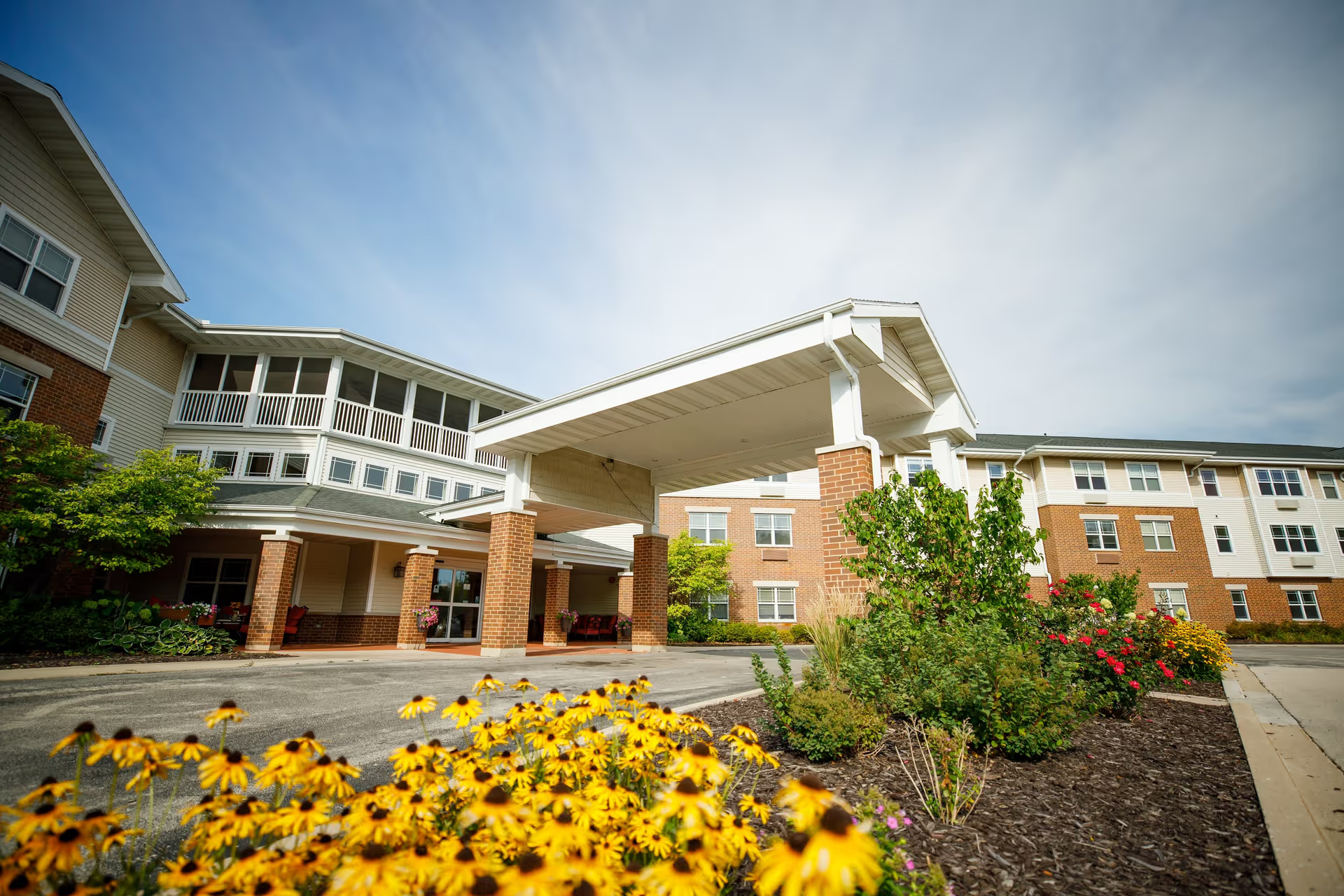
Facility condition and housekeeping receive mixed remarks as well. Several reviewers complimented newer or well-maintained common areas and attractive outdoor gardens, while others noted sanitation and housekeeping lapses, occasional maintenance defects, and inconsistent room-level cleaning. Management and administrative practices are another polarizing area: some reviewers found management responsive and resolved issues satisfactorily, while others described poor communication, slow complaint resolution, contentious billing interactions, and escalated financial disputes.
Taken together, the pattern suggests that LindenGrove New Berlin can deliver strong person-centered care, social programming, and therapy when staffing and supervisory systems are functioning well. However, persistent staffing instability, lapses in routine clinical monitoring and medication controls, inconsistent housekeeping and meal service, and variable administrative responsiveness create risks for families to consider. Prospective residents and families should weigh the facility's activity and therapy strengths against these operational concerns, and discuss staffing levels, clinical oversight, housekeeping protocols, and billing practices with facility leadership during the placement process.