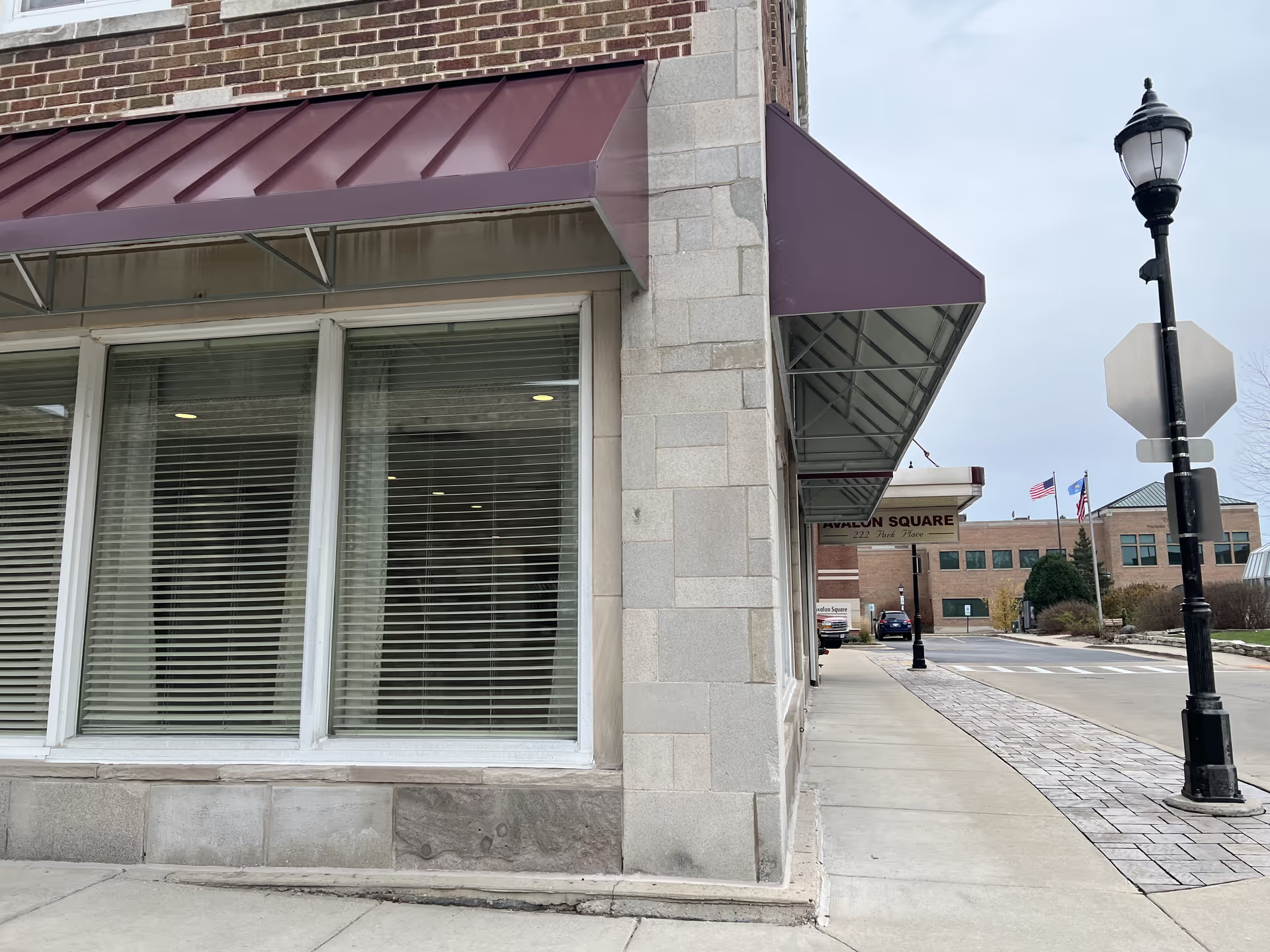
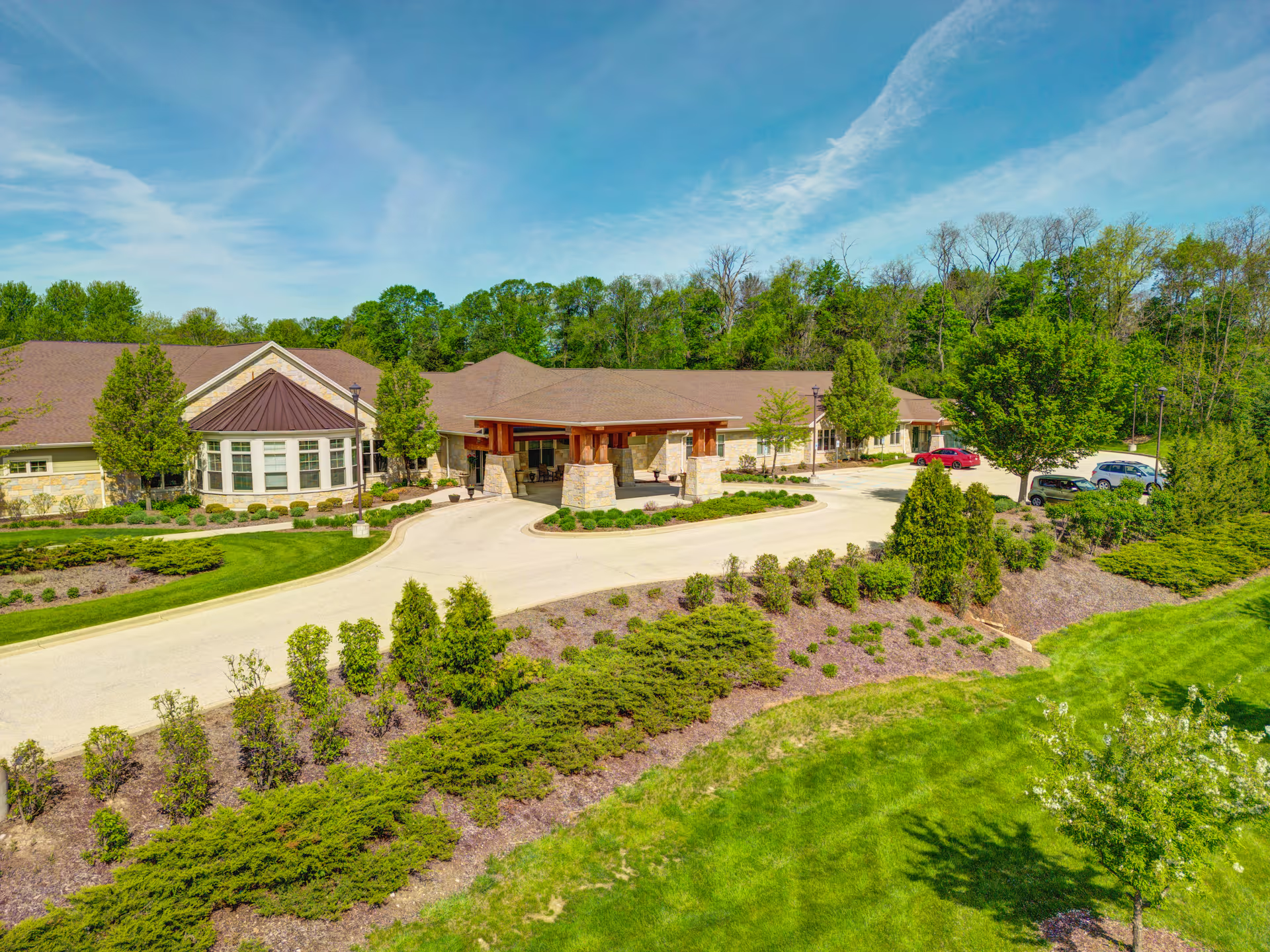
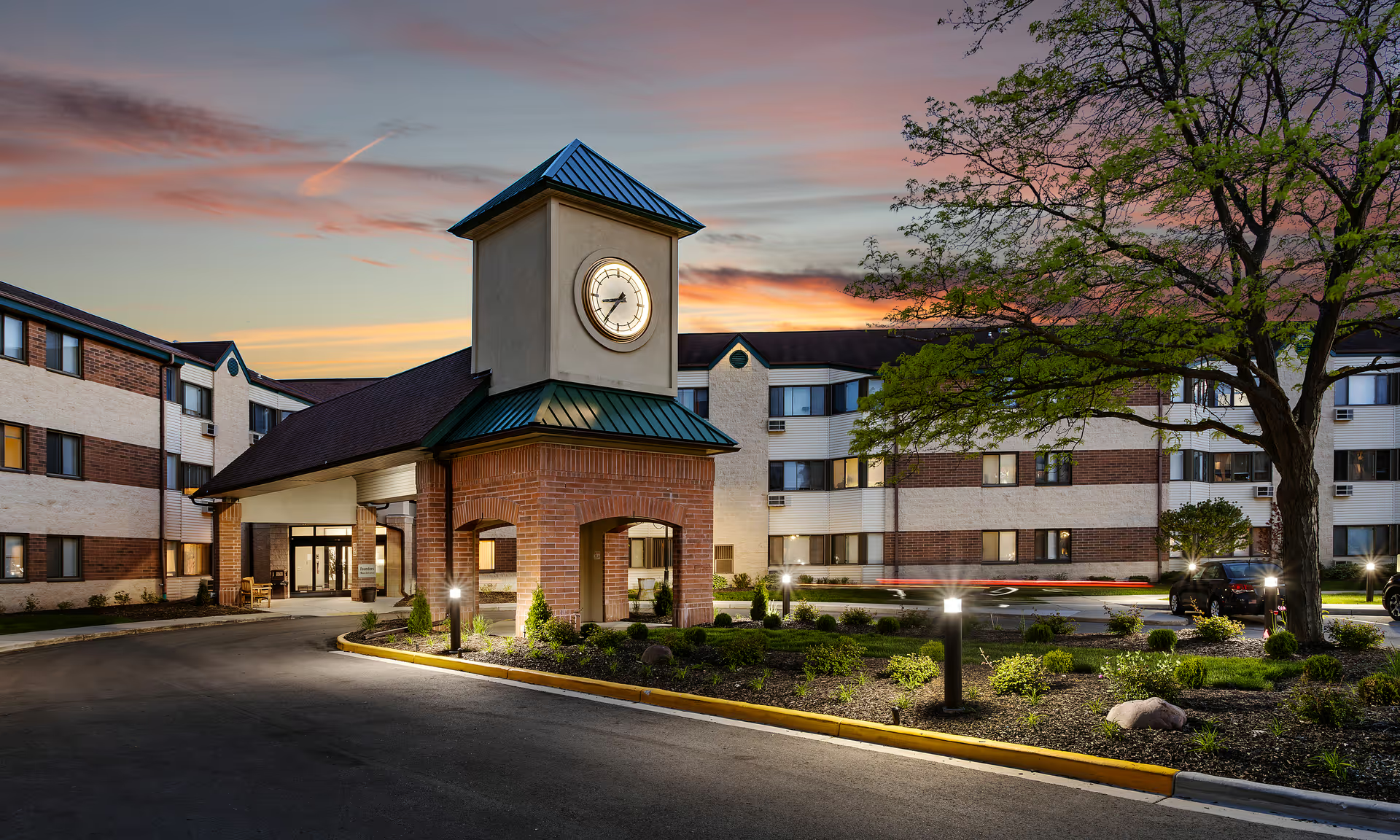
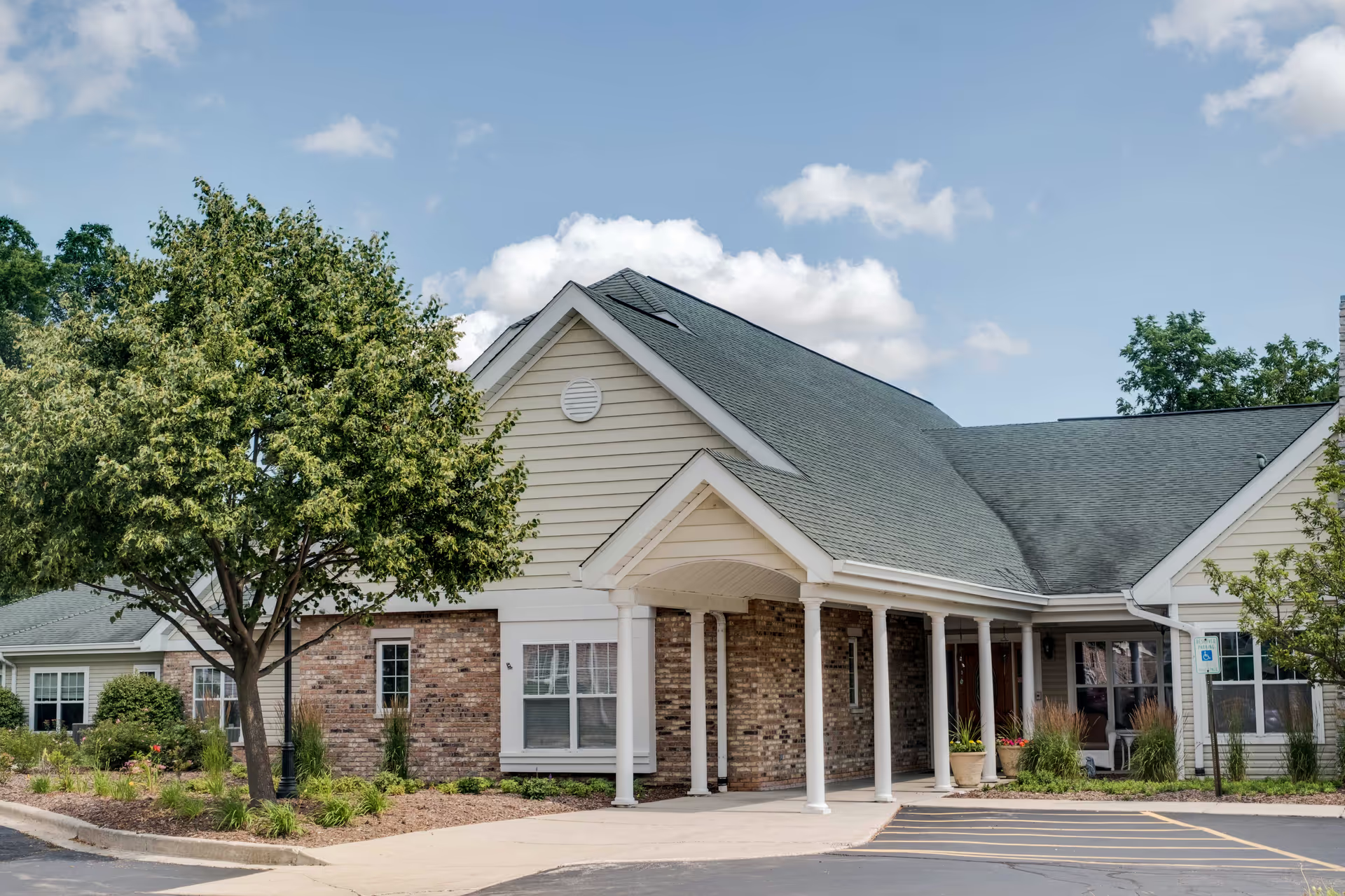
Renaissance Memory Care of New Berlin is described consistently as a small, highly personalized memory-care home with an emphasis on one-on-one attention and a family-like atmosphere. The eight-bed scale is repeatedly cited as a central feature: it enables staff to develop close relationships with residents, maintain detailed routines, and provide tailored dementia care. Families highlight calm, home-like surroundings and staff who take time to learn residents’ preferences and keep families informed.
Care quality and staffing are presented as strengths. The facility is owner-operated by an RN who is described as meticulous and communicative; reviewers emphasize that clinical oversight, coordination with hospice, and end-of-life care are handled thoughtfully. Staff are characterized as compassionate and attentive, regularly engaging in personalized care and respectful interactions. The presence of specific safety equipment — such as beds that lower to the floor and alternating-air mattresses — is noted as part of the clinical attention to resident safety and comfort.
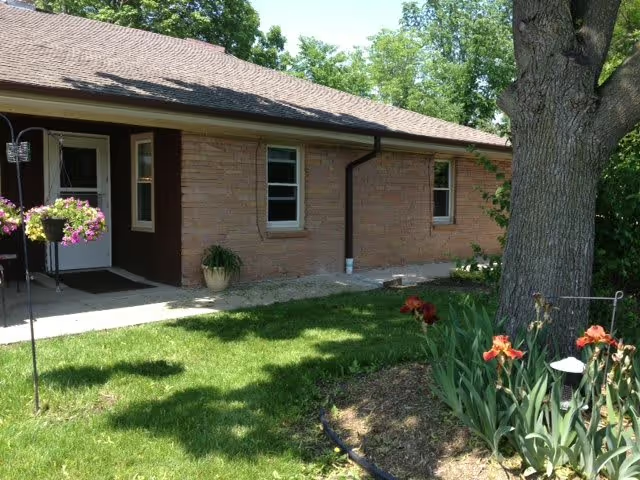
Dining and basic services are another repeated positive theme. Meals are reported to be homemade, prepared fresh, and adapted (chopped, pureed, or thickened) to meet individual swallowing or texture needs. Included services such as linens and laundry are mentioned, along with an immaculately clean environment and accessible outdoor spaces (front and back patios) that contribute to a home-like setting.
Activities and social life are framed primarily around individualized engagement rather than a broad roster of formal programs. Reviewers emphasize close personal interaction and staff-led companionship; there is less mention of structured group activities or an organized life-enrichment calendar. Prospective families should confirm the facility’s activity schedule and opportunities for outside engagement if a wider social program is a priority.
The facility’s small size and owner-driven model produce clear advantages in personalization and communication but also suggest operational considerations. Limited capacity can reduce availability and social variety, and the apparent reliance on an owner-RN for clinical oversight raises questions about depth of clinical coverage and backup staffing during extended absences or high-acuity events. Likewise, while the home appears well-suited to residents with dementia and modest medical needs, families should verify the facility’s capability and protocols for residents who require higher-intensity medical care.
Overall, the pattern in these summaries is a carefully run, compassionate small memory-care home with strong family communication, tailored dining, and a clean, home-like environment. When evaluating this type of setting, families may want to ask specific operational questions about staffing depth and schedules, contingency plans when the owner or primary clinical staff are unavailable, availability and waiting lists given the eight-bed capacity, and the scope of formal activity programming.