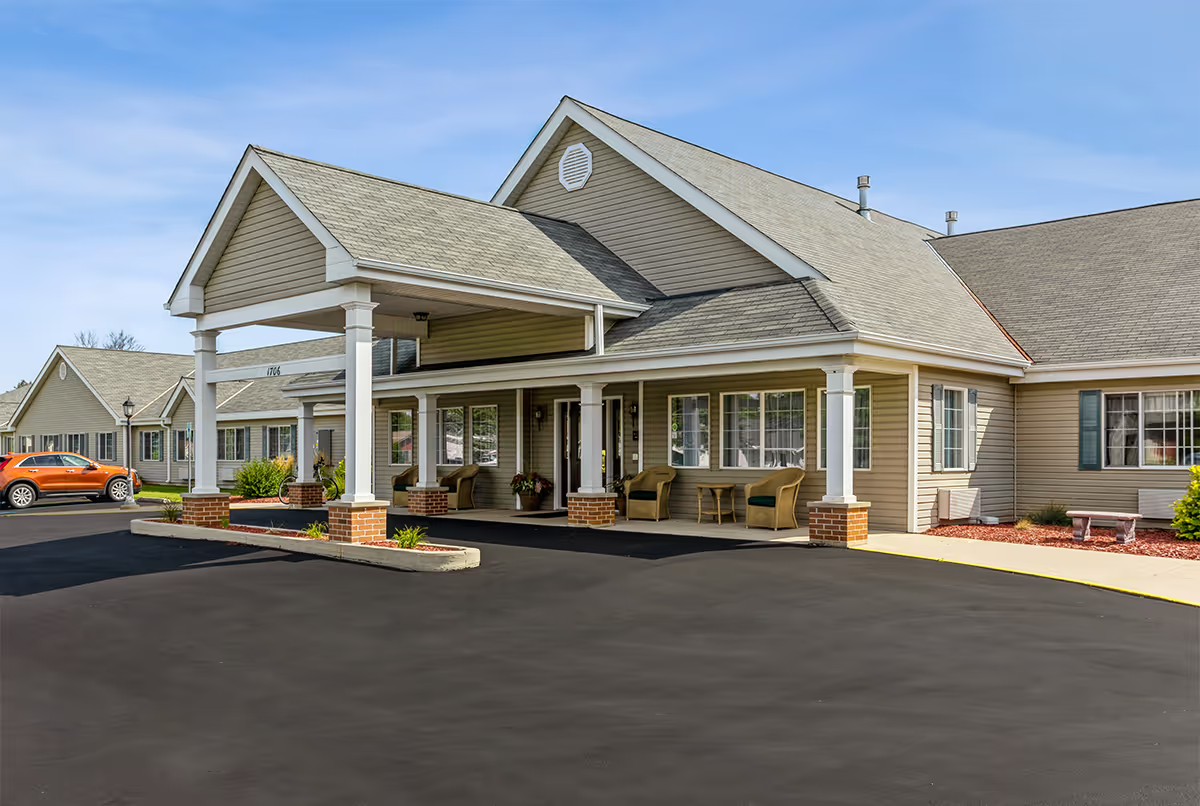
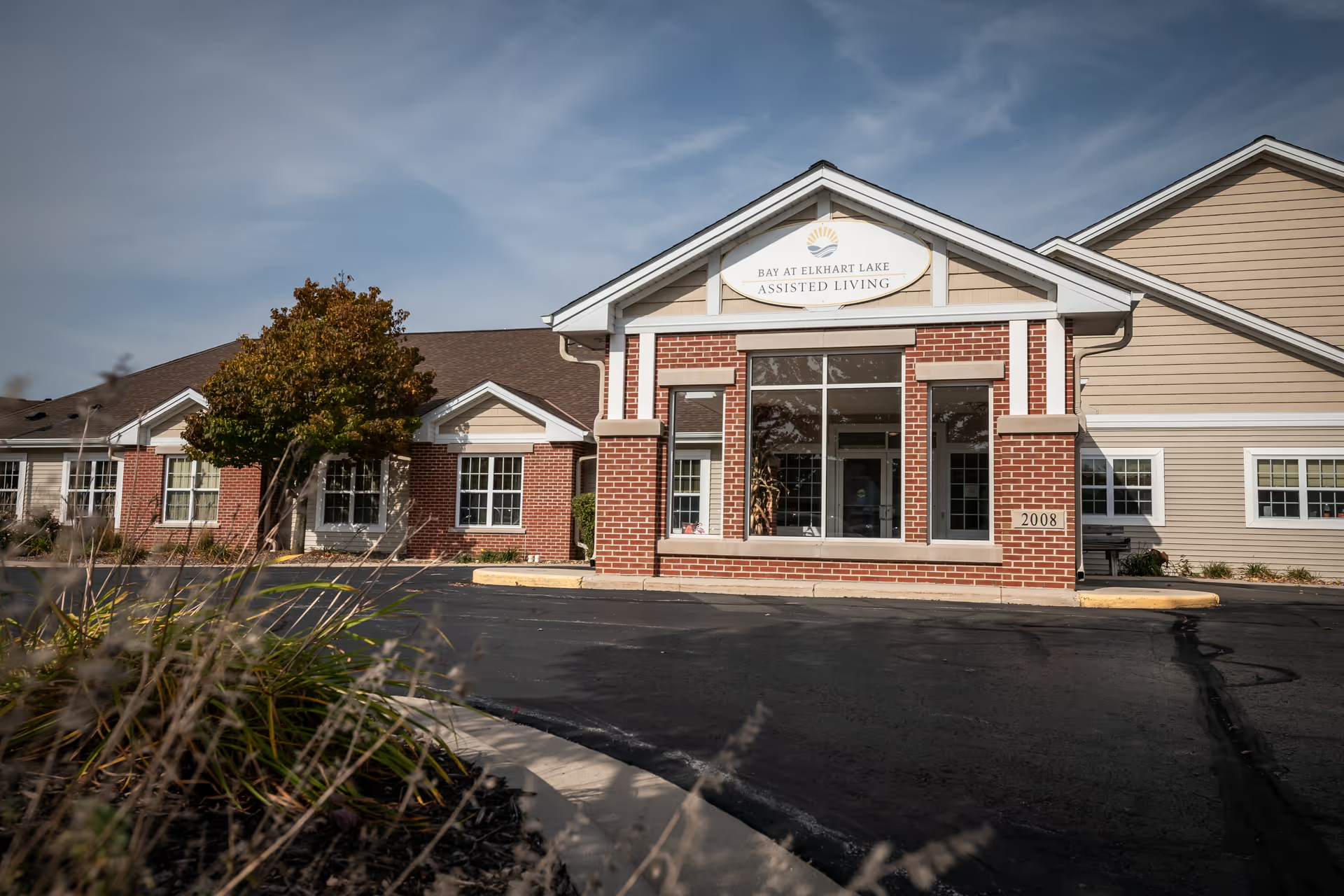
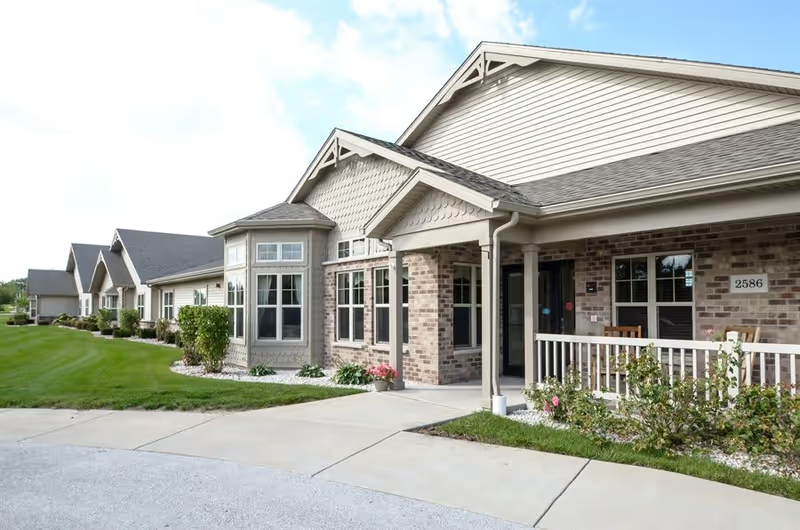
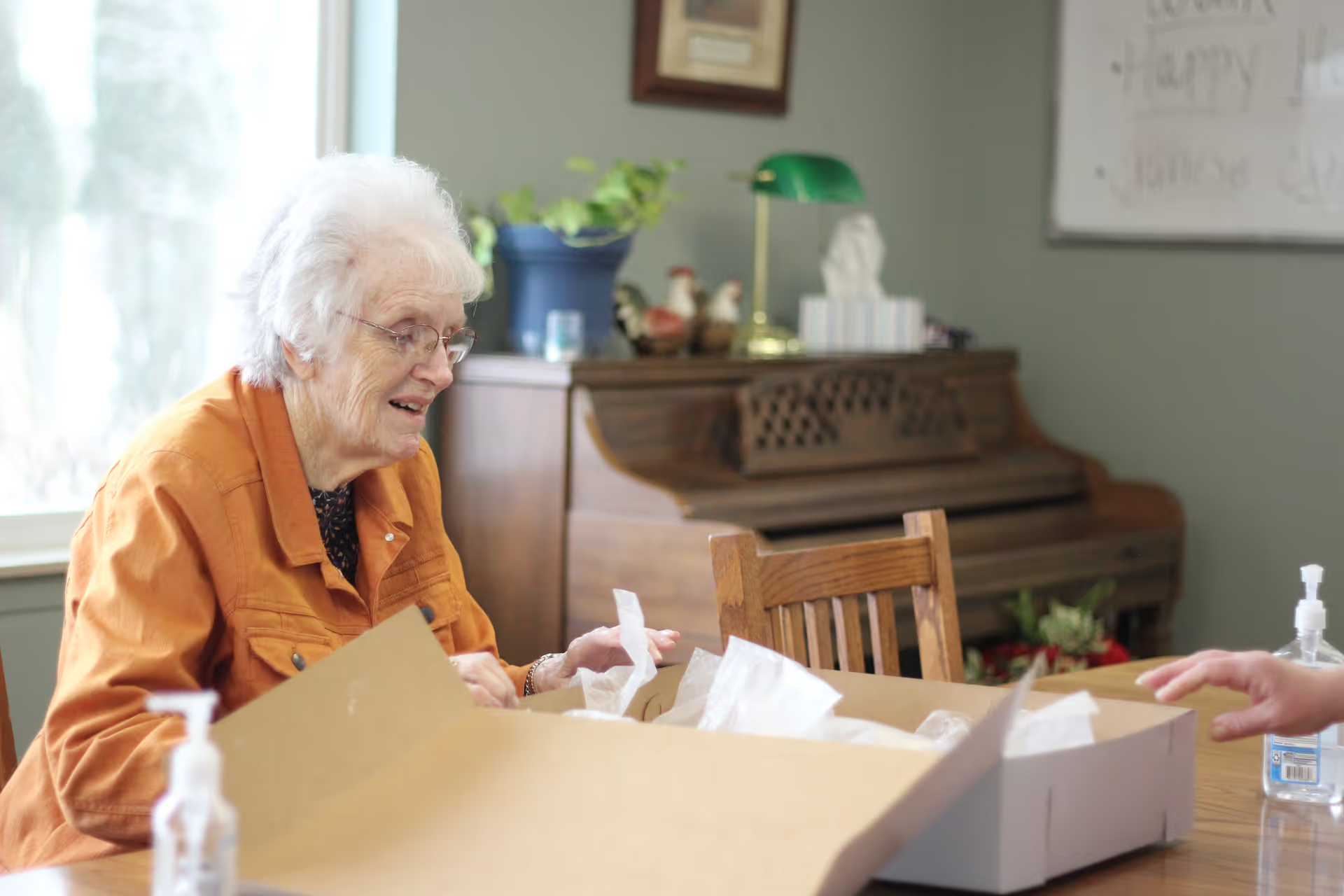
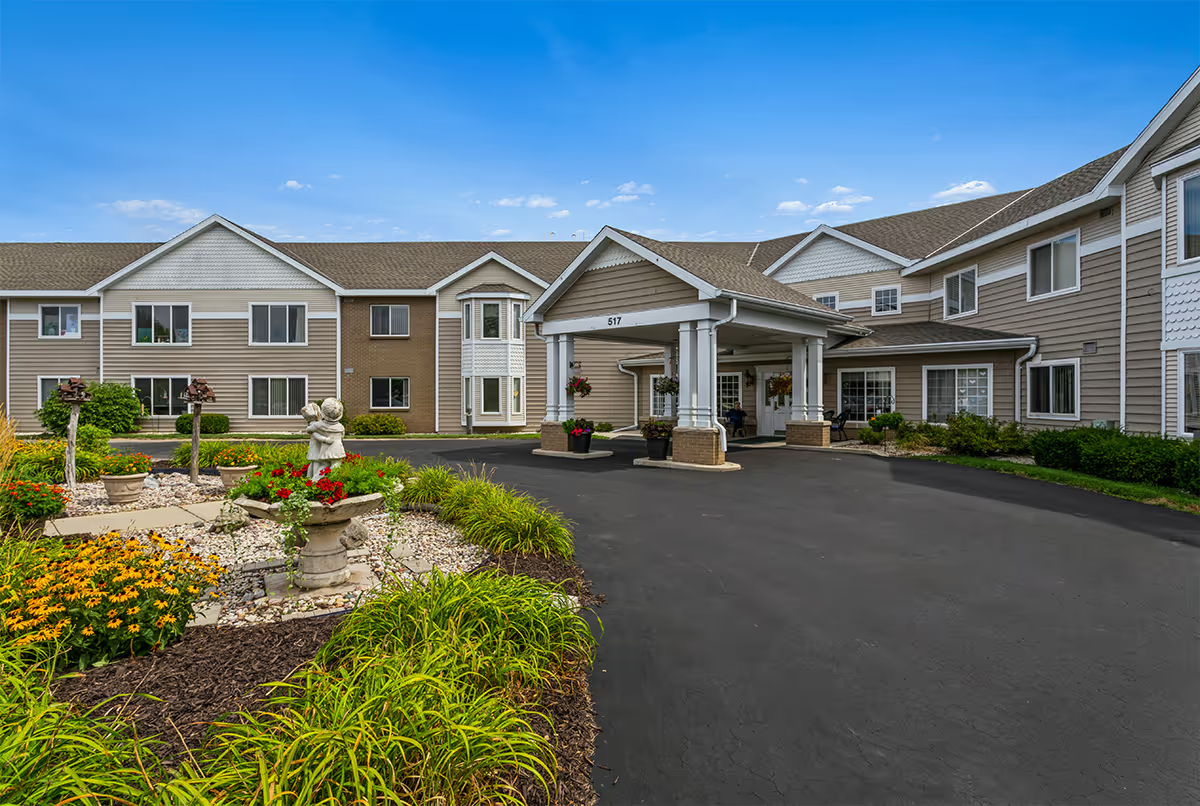
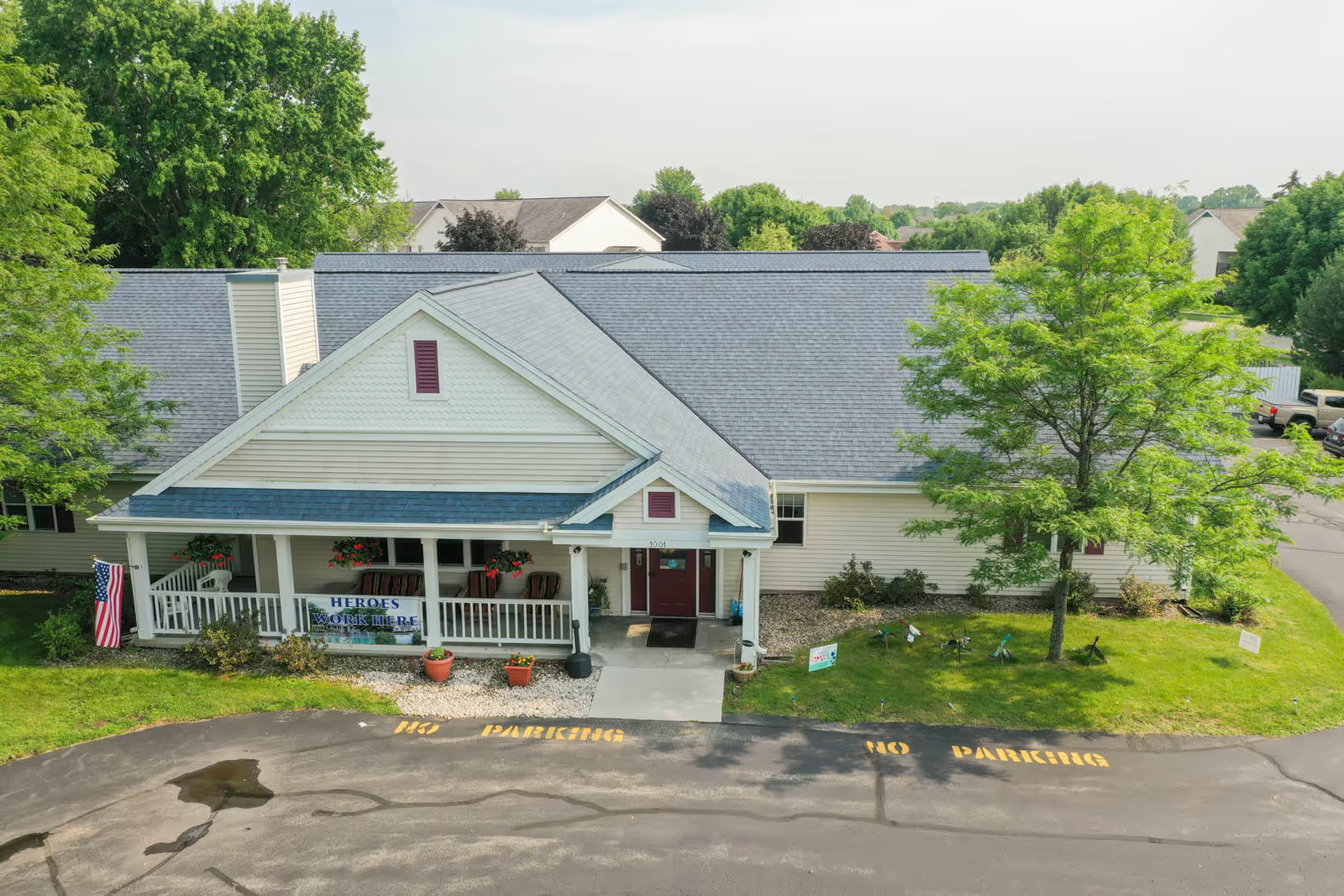
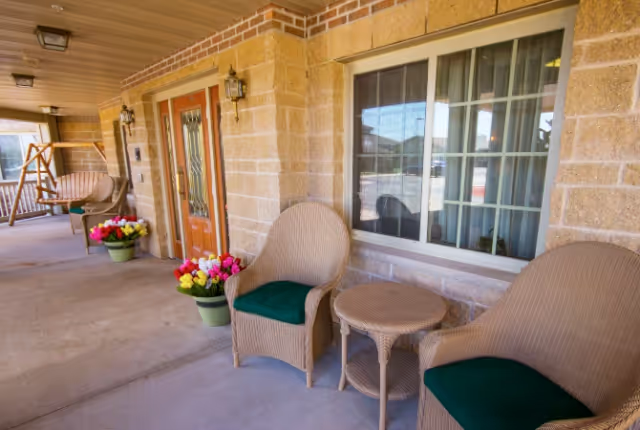
Caring Hands Assisted Living elicits a mixed but generally positive impression across the summaries provided. Strengths consistently noted include a clean, well-maintained physical environment with bright, sunny common areas and spacious resident rooms. The dining program and food quality receive positive mention, and families describe a broad activities calendar with popular communal events (bingo is highlighted) that appear to support social engagement and resident satisfaction. Many comments describe a friendly, family-like atmosphere that contributes to a sense of safety and peace of mind for routine assisted-living needs.
Staff interactions are a prominent positive theme: reviewers describe staff as caring, professional, respectful, and informative. These attributes are linked to overall resident well-being and the perception that day-to-day needs are met. The facility’s upkeep and cleanliness are repeatedly noted, supporting the impression of an environment that is comfortable and welcoming for residents and visitors.
At the same time, the summaries identify recurring operational concerns that prospective residents and families should evaluate further. A consistent theme is limited capacity to manage higher-acuity or complex clinical needs: at least one family indicated that the facility was not able to provide the level of care their loved one required. Related to care quality, there are notes about inconsistent staffing and problematic hiring practices; these issues are associated with family distrust and explicit safety concerns. Taken together, these points suggest potential gaps in care continuity and responsiveness for residents with more intensive or changing medical needs.
Management and oversight emerge as an area for closer inquiry. While many families feel comfortable with the team and the environment, others express distrust tied to staffing decisions and perceived lapses in safety or quality oversight. This produces a split impression: a well-run setting for typical assisted-living needs, but one where leadership/staffing practices may affect reliability under higher-stress or higher-acuity conditions.
Recommendations for prospective residents and families: verify that the facility’s clinical capabilities match the prospective resident’s current and foreseeable needs; ask about nurse availability, transfer protocols, and access to higher-level clinical support. Request details on staffing levels, turnover rates, and hiring procedures, and ask for examples of how management addresses safety concerns and family communications. Finally, tour the activity and dining programs and observe staff–resident interactions to confirm that the positive atmosphere and programming described in many summaries align with your expectations.