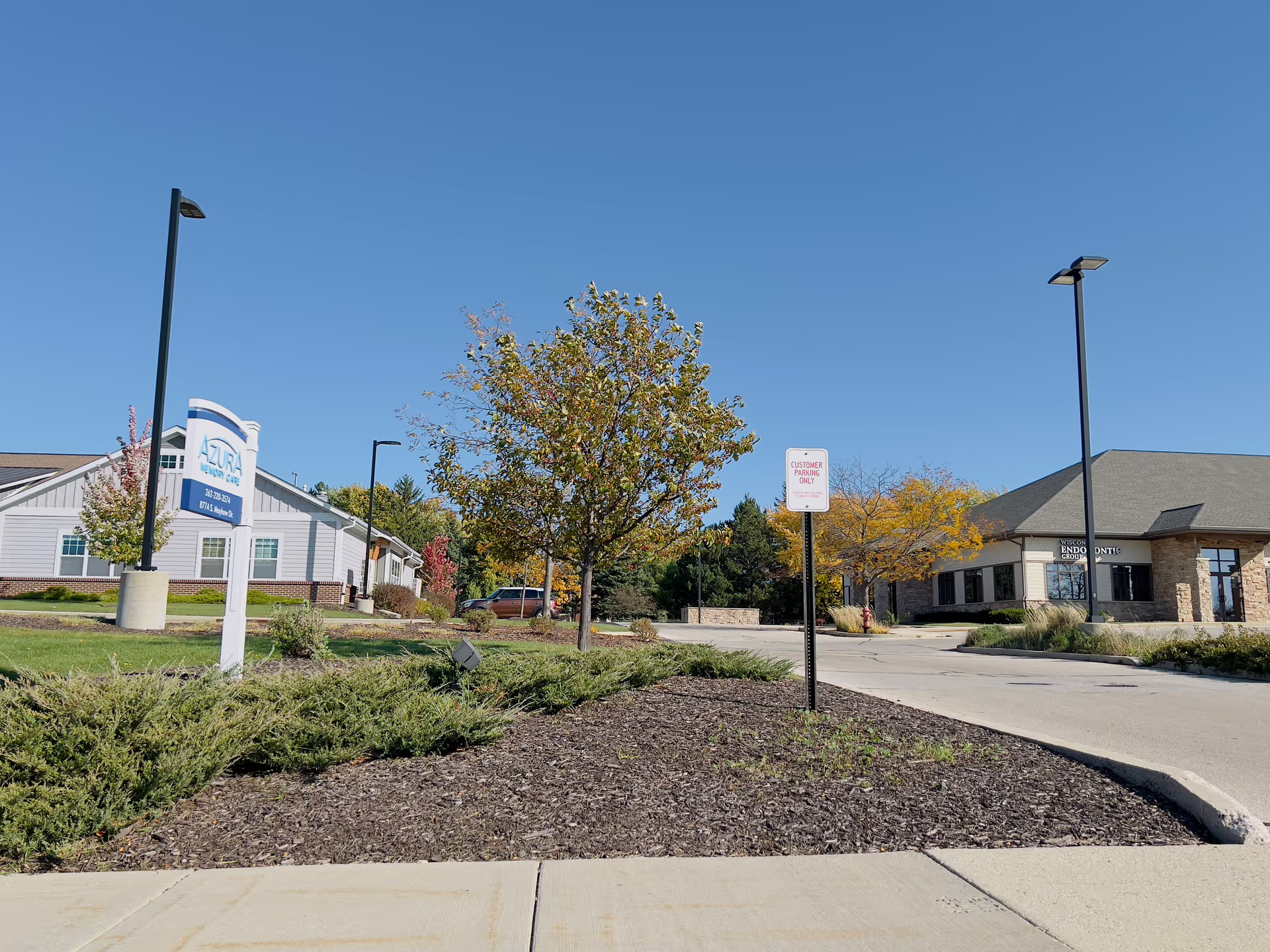
Overall impression: Families and visitors describe Azura Memory Care of Oak Creek as a well-appointed, recently built memory-care community with consistently positive experiences around daily care, staff responsiveness, and the physical environment. Many accounts emphasize a perceptible improvement in resident wellbeing after transfer to the community, and a high proportion of families indicate they would recommend the facility. The community's small scale, bright apartments, sunrooms and courtyard access contribute to a home-like setting that reviewers found comforting for residents with dementia.
Care quality and clinical oversight: Reviewers highlight compassionate, dementia-aware caregiving and a full-time nursing presence as central strengths. Staff are described as patient, professional, and willing to adjust care approaches to resident needs — including during behavioral changes associated with dementia. There are reports of rapid clinical stabilization and effective transition support after admission. At the same time, several families expressed a desire for more proactive clinical monitoring and care planning rather than largely reactive responses to events, indicating an opportunity to strengthen anticipatory care practices.
Staff and management: Staffing is repeatedly characterized as caring, attentive, and communicative, and leadership — including activities and executive directors — is described as engaged and responsive. Families noted clear admission introductions, regular phone updates, and follow-up after significant events. Identified operational weaknesses include occasional inter-staff communication gaps (for example between shifts) and some external-communication issues tied to the facility phone system. These are operational areas that, if improved, could enhance continuity of care and family communication.
Dining and services: Dining is a clear positive in the reviews: meals are frequently described as delicious, accommodating of preferences, and supported by organized ancillary services (laundry, medication administration, personal care). The presence of visiting medical services onsite and routine medication oversight were noted as conveniences that simplify care for families.
Activities and resident engagement: The activity program is frequently praised for creativity, inclusivity, and strong leadership from the activities director. Activities that align with resident interests were credited with improving mood and engagement. A recurring caveat is that not every resident is fully engaged by the available programming; some reviewers mentioned occasional boredom or the need for more individualized activity options, suggesting the value of continued tailoring of plans to individual preferences.
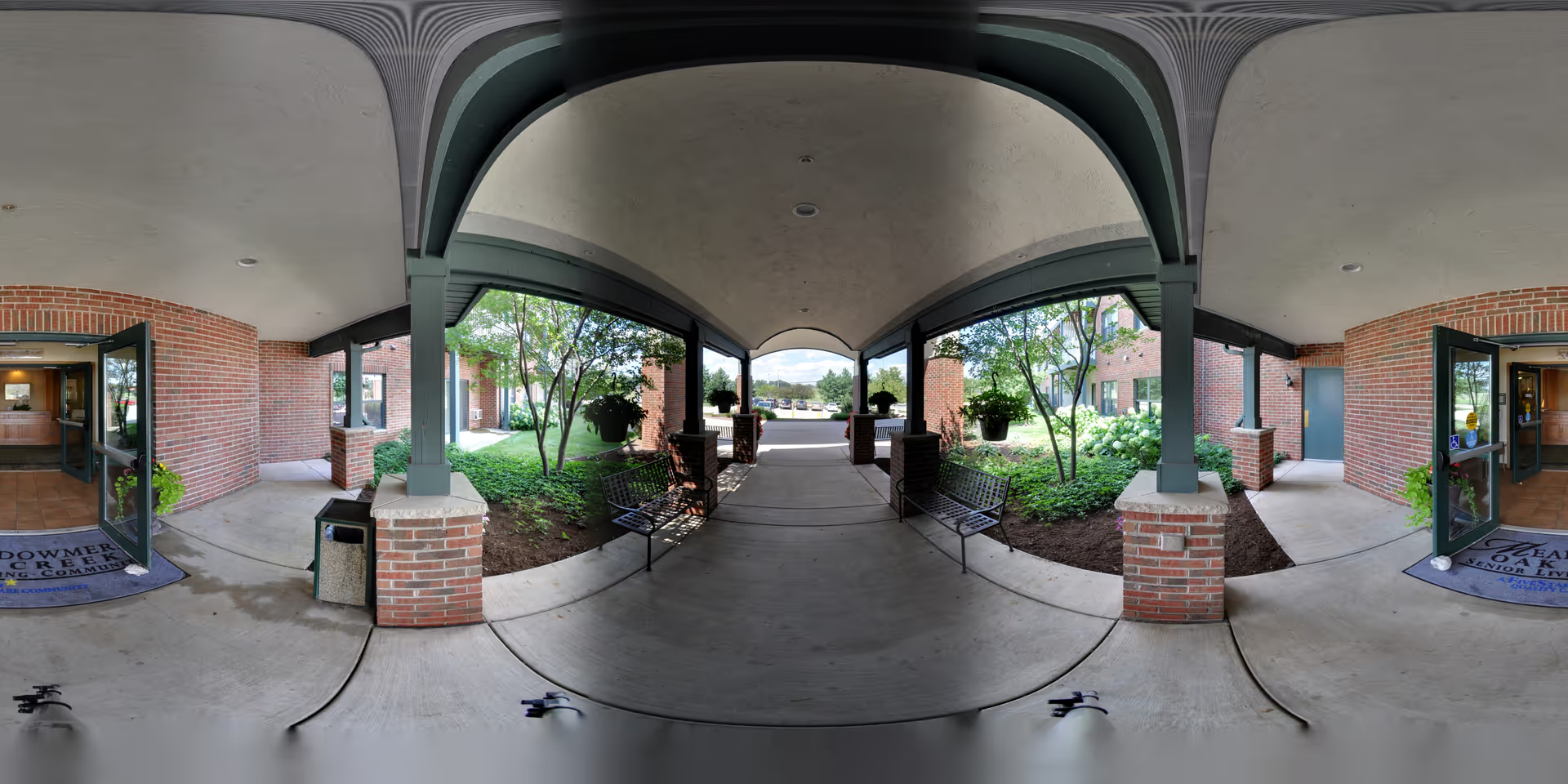
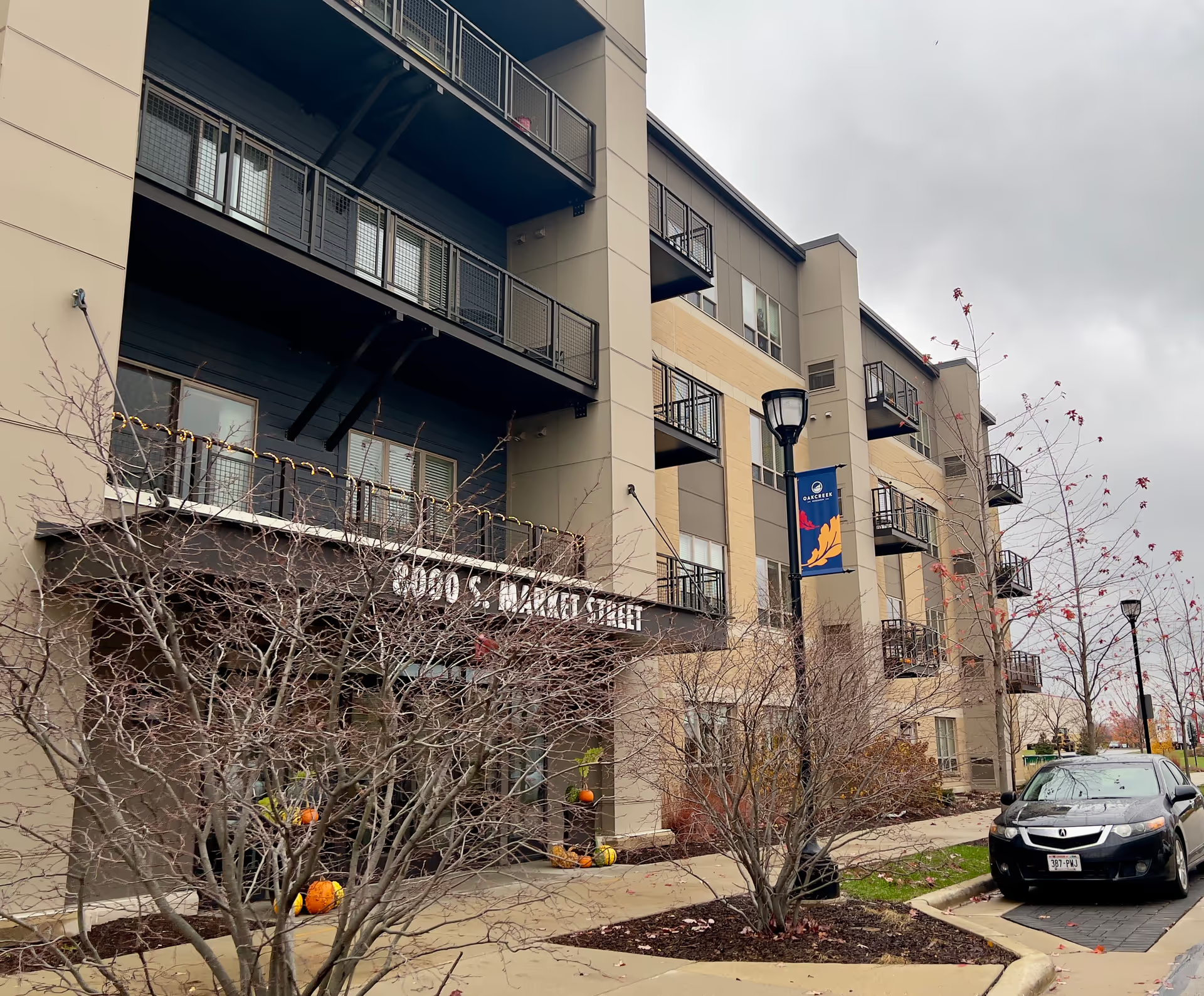
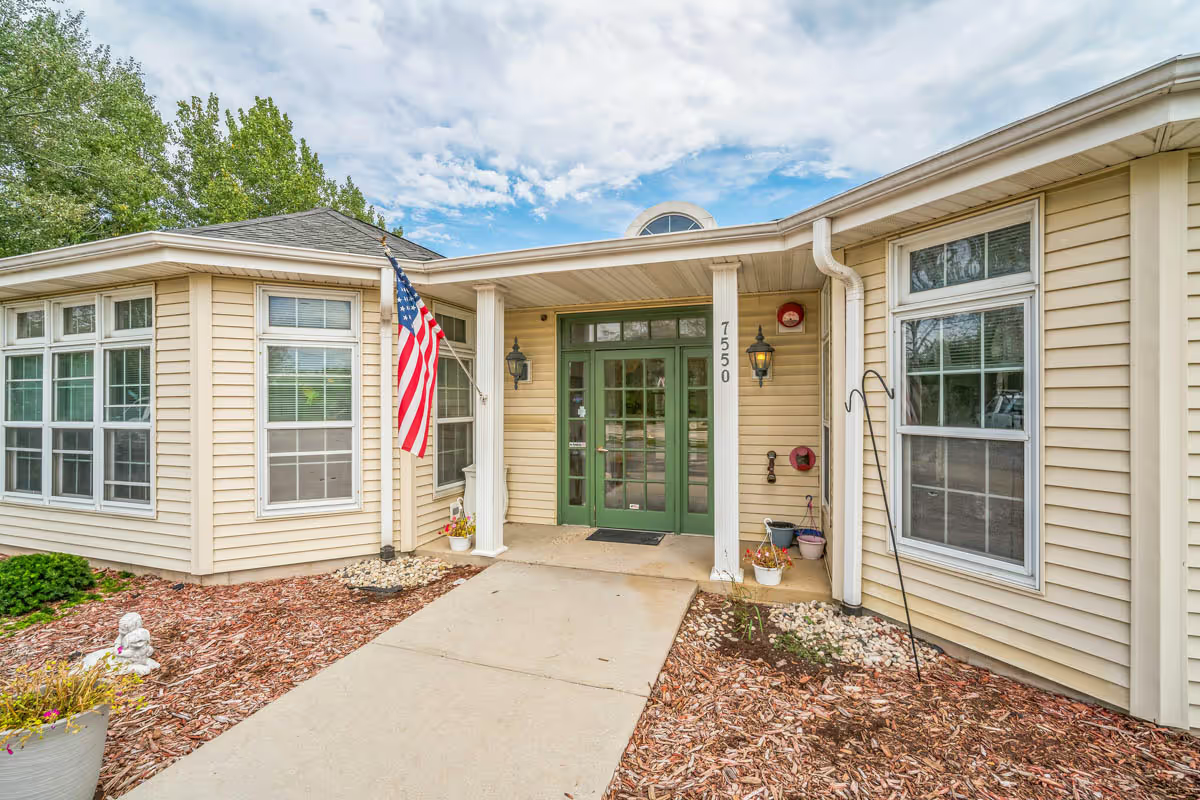
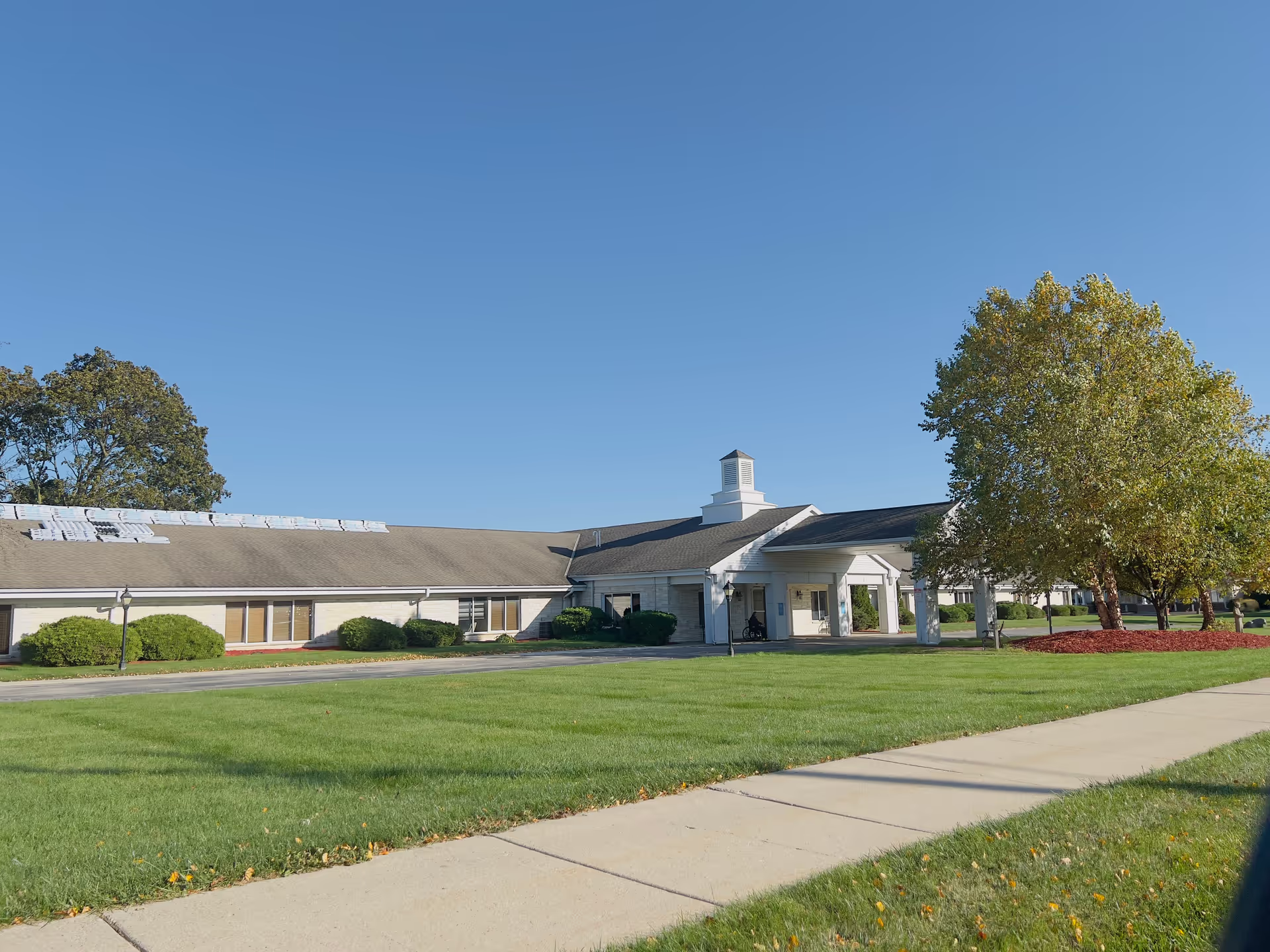
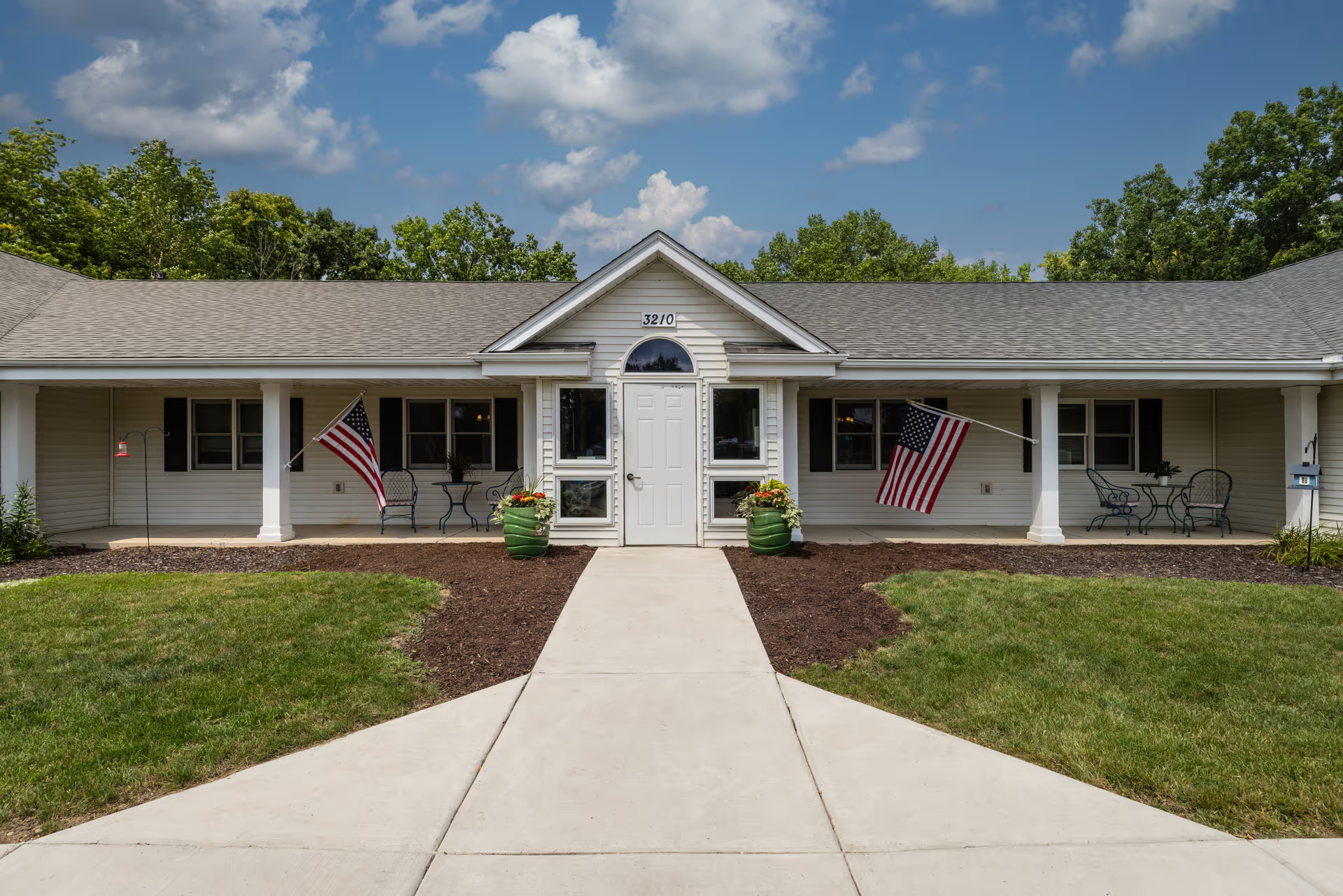
Facilities and environment: The facility’s physical environment receives consistent positive mention — new construction, bright common spaces, private rooms, and well-maintained décor. Infection-control practices and safe, secure caregiving were also noted as part of the overall environment. Limitations cited include a memory-care focus that means fewer services outside that specialty and periodic restrictions on family access during infection-control periods, which affected some families' ability to assess the community firsthand.
Notable patterns and recommendations: The dominant theme across reviews is strong, person-centered caregiving within a clean, modern, small-community setting. Operational improvements that would address the most commonly raised concerns include bolstering proactive clinical monitoring, formalizing inter-shift communication protocols, tightening medication and supplement inventory controls, and upgrading the phone/external-communication system. Prospective families should weigh the facility’s memory-care focus and premium pricing against the reported high quality of care, thorough infection-control practices, and the favorable environment for residents with dementia.