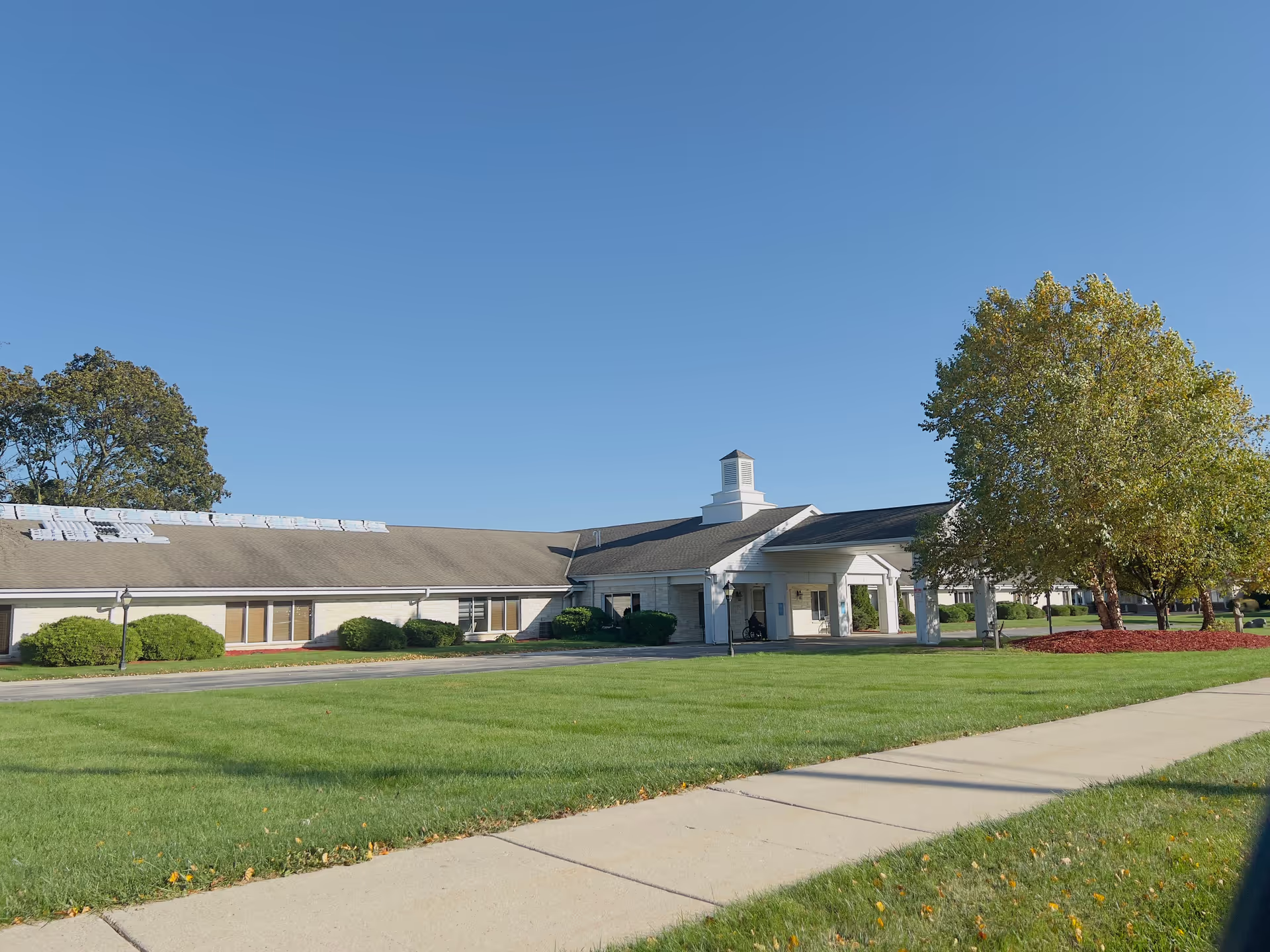
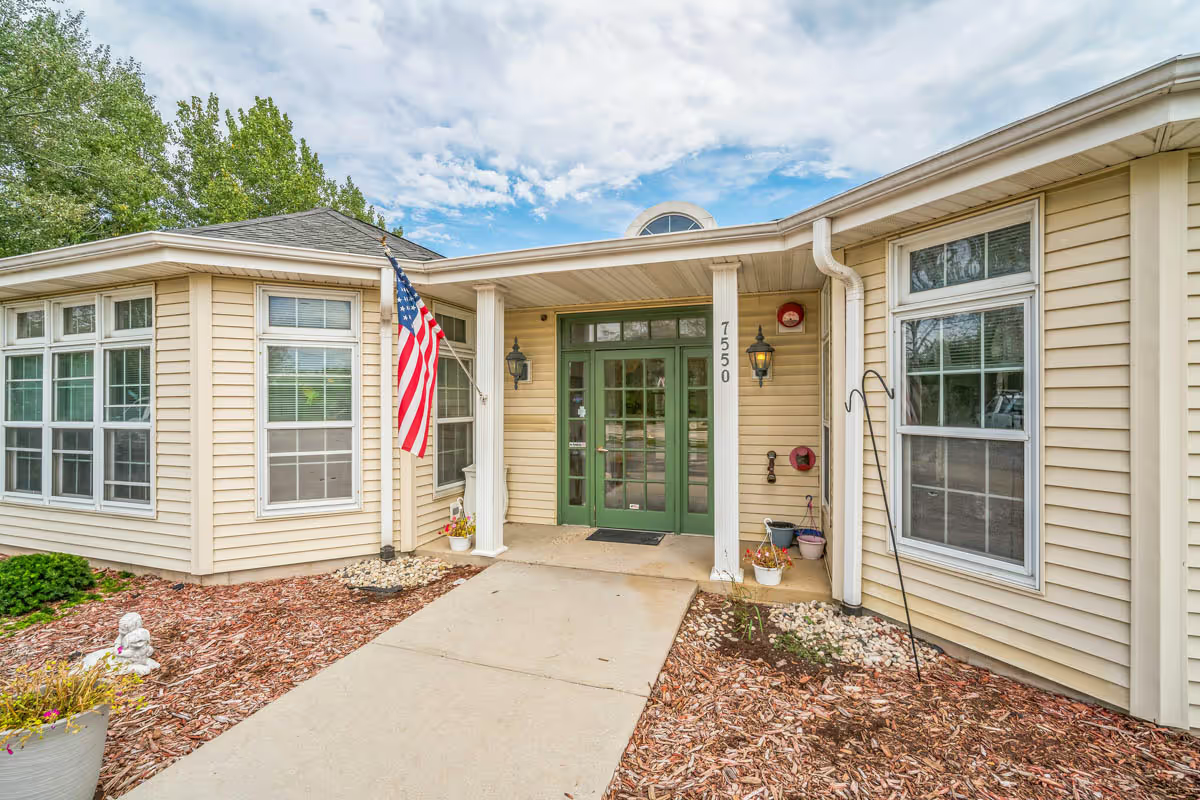
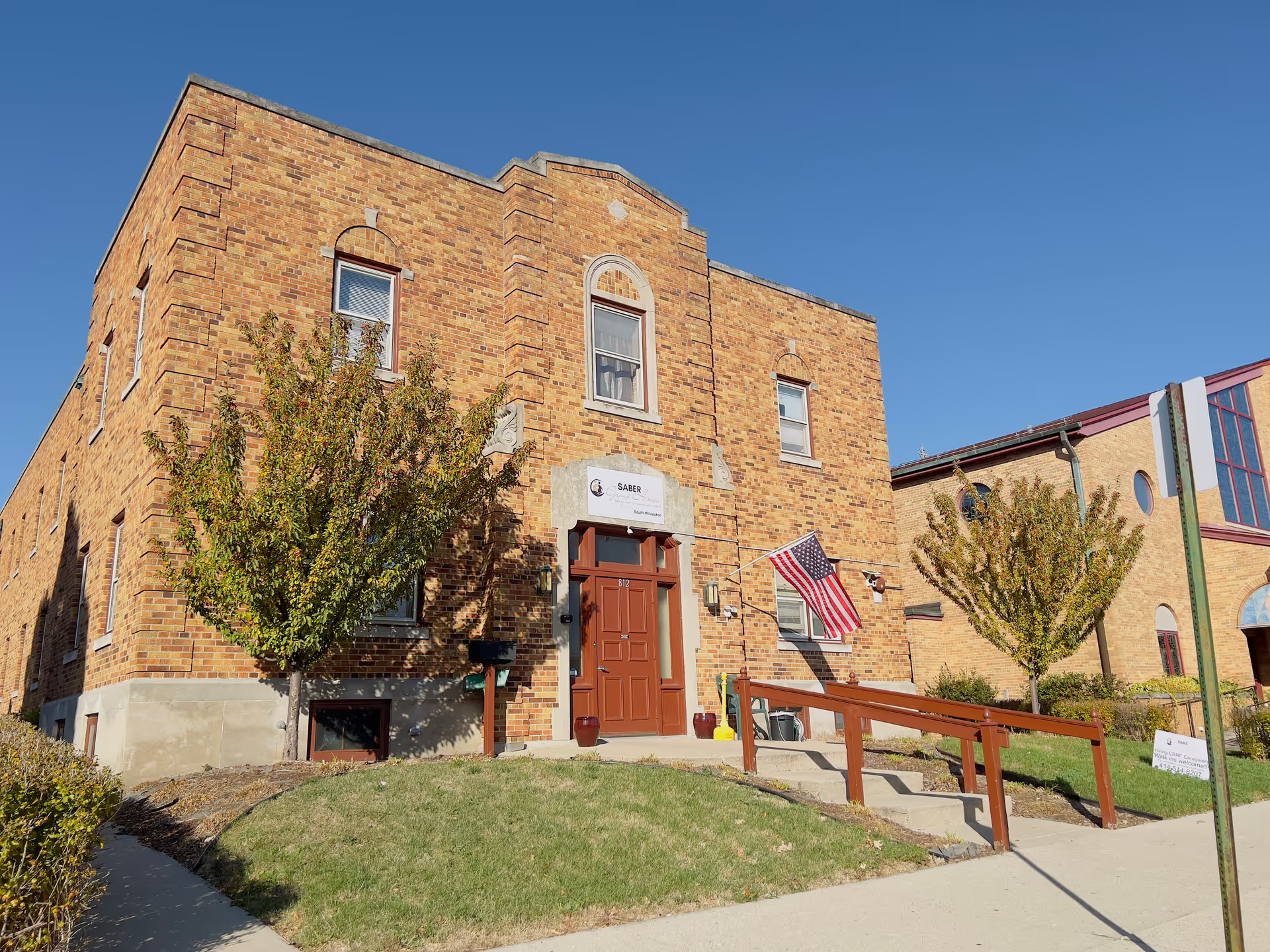
The review corpus presents a strongly mixed picture of Elizabeth Residence Oak Creek. Many families praise the facility for its caring, stable staff and the sense of a family-like environment; these comments emphasize compassionate caregivers, consistent communication between staff and families, and a leadership team with low turnover. Clinical and nursing care receive positive mention in a number of reviews, with on-site nursing support and coordinated hospice transitions described as reassuring. Dining is consistently identified as a strength — reviewers use terms such as gourmet, fresh, and home-cooked to describe meals — and there are frequent references to well-organized activities, outings, religious services, and regular family events that promote social engagement.
At the same time, the reviews include significant operational concerns that prospective families should weigh. A recurring theme is inconsistent staffing levels and understaffing at times, which reviewers link to longer response times and perceived lapses in supervision. Several accounts raise concerns about medication-management processes, indicating errors or administration lapses that suggest gaps in clinical quality controls. Memory-care capability is another area of tension: some reviewers describe limited staff training specific to Alzheimer’s and related dementias and question whether the facility’s marketed memory-care services align with practice on the floor.
Management and safety-related patterns also appear in multiple reviews. Several reviewers described incidents that they characterize as problems with staff conduct; a subset of those accounts references alleged incidents that families say were captured on video. These narratives are accompanied by critiques of supervisory response and incident escalation, with statements that leadership at times downplayed concerns or did not take visible corrective action. Related operational issues include gaps in nighttime lighting and supervision and an older building with variable cleanliness in some areas, which together contribute to perceptions of an uneven safety and environment standard.
Balancing the two sides, the facility's clear strengths are its people-centered culture when staffing and supervision are functioning as intended: engaged activities, appealing meals, and caregivers who are described as attentive and reassuring. The prominent operational weaknesses to probe during a visit are staffing consistency, medication-safety protocols, memory-care staff competencies, incident response procedures, and how the leadership documents and resolves serious conduct concerns. Prospective residents and families would be advised to ask for specifics during a tour: staff-to-resident ratios by shift, written medication-safety policies and recent audit results, memory-care training curricula, examples of corrective actions taken after incidents, and how grievances — including cultural-sensitivity complaints — are handled and tracked. This targeted inquiry can help determine whether the facility’s strong relational qualities are matched by reliable clinical and operational safeguards.