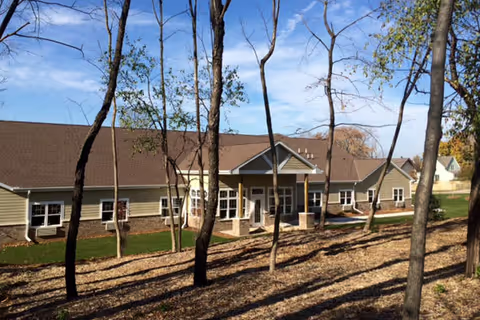
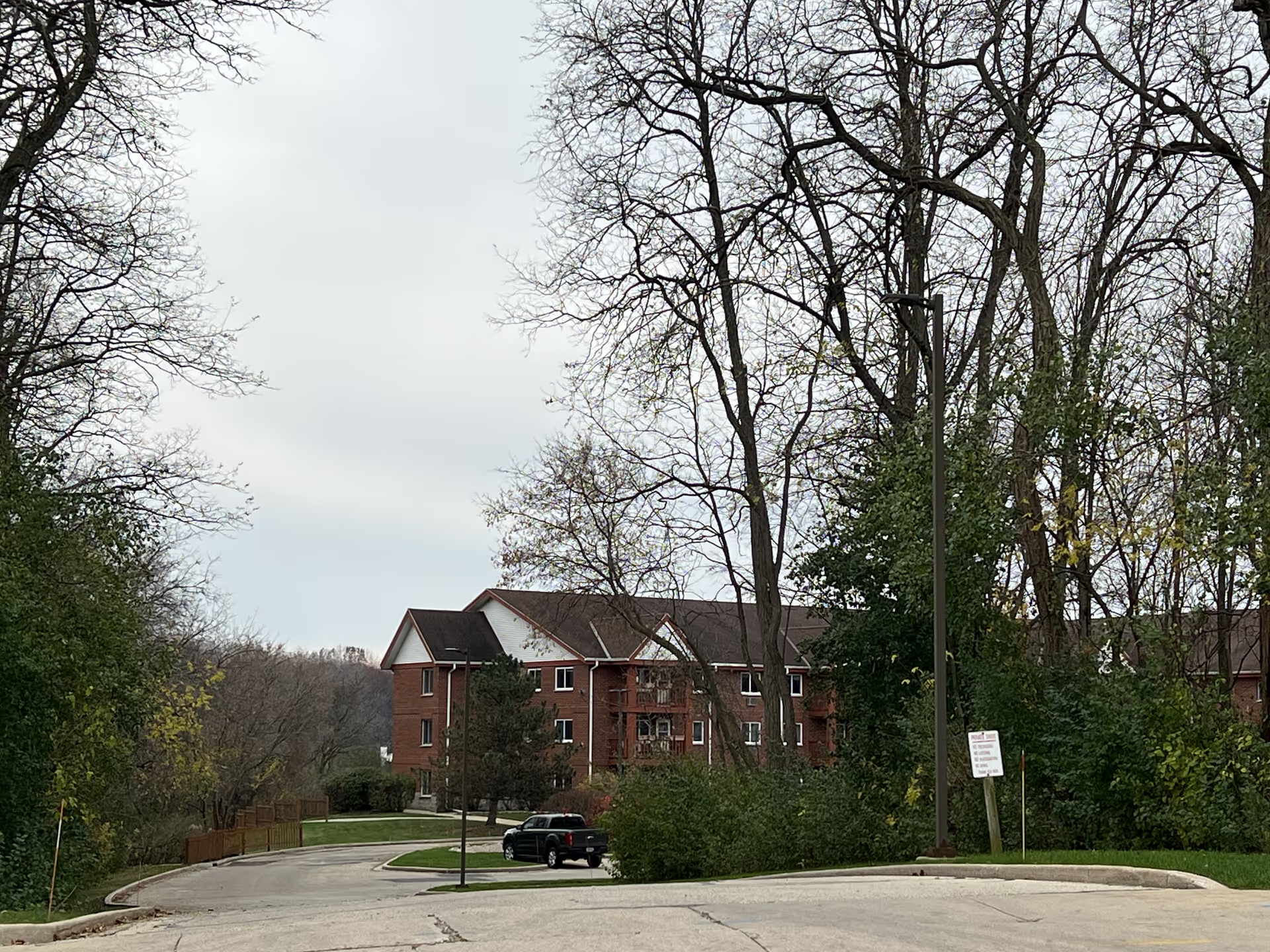
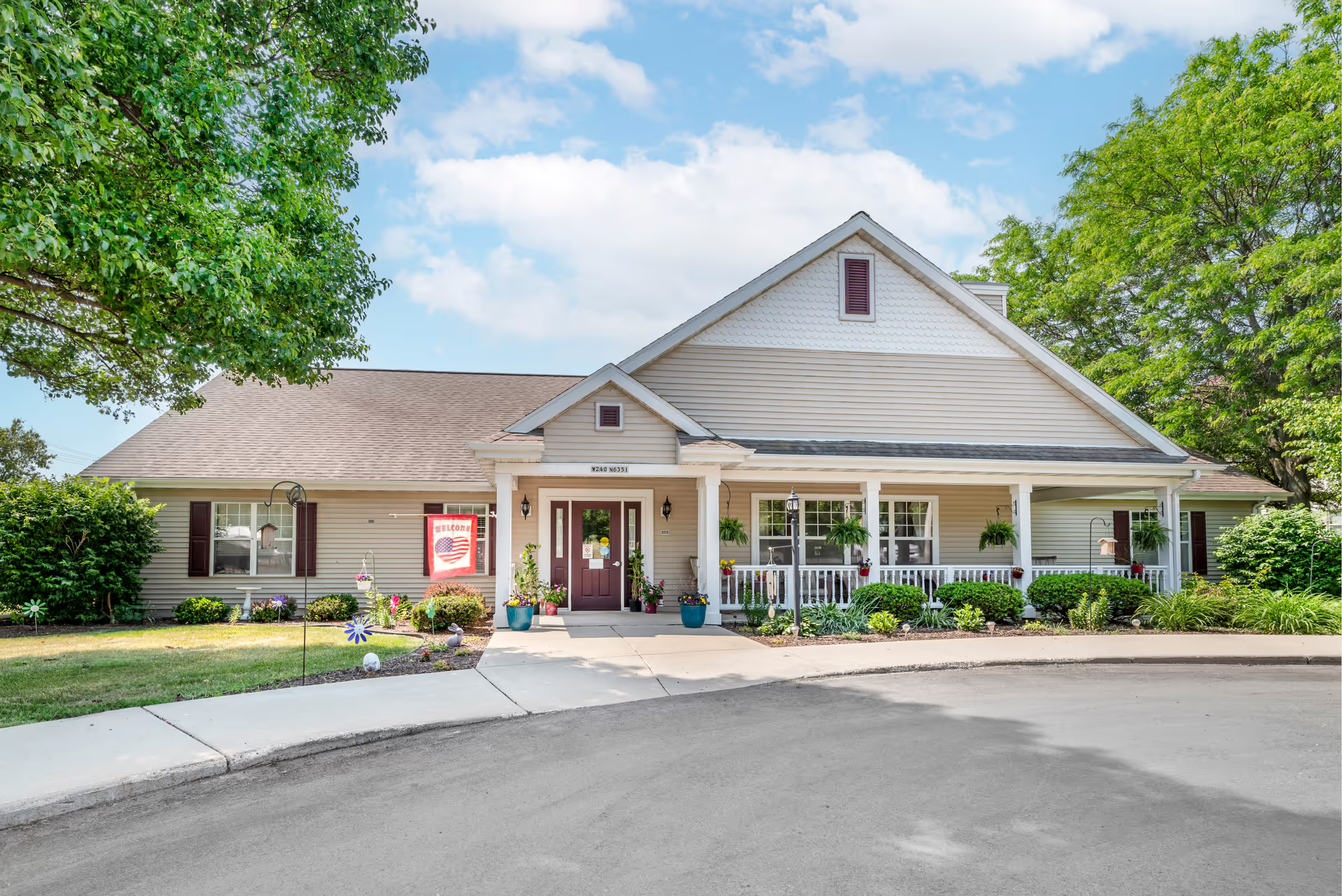
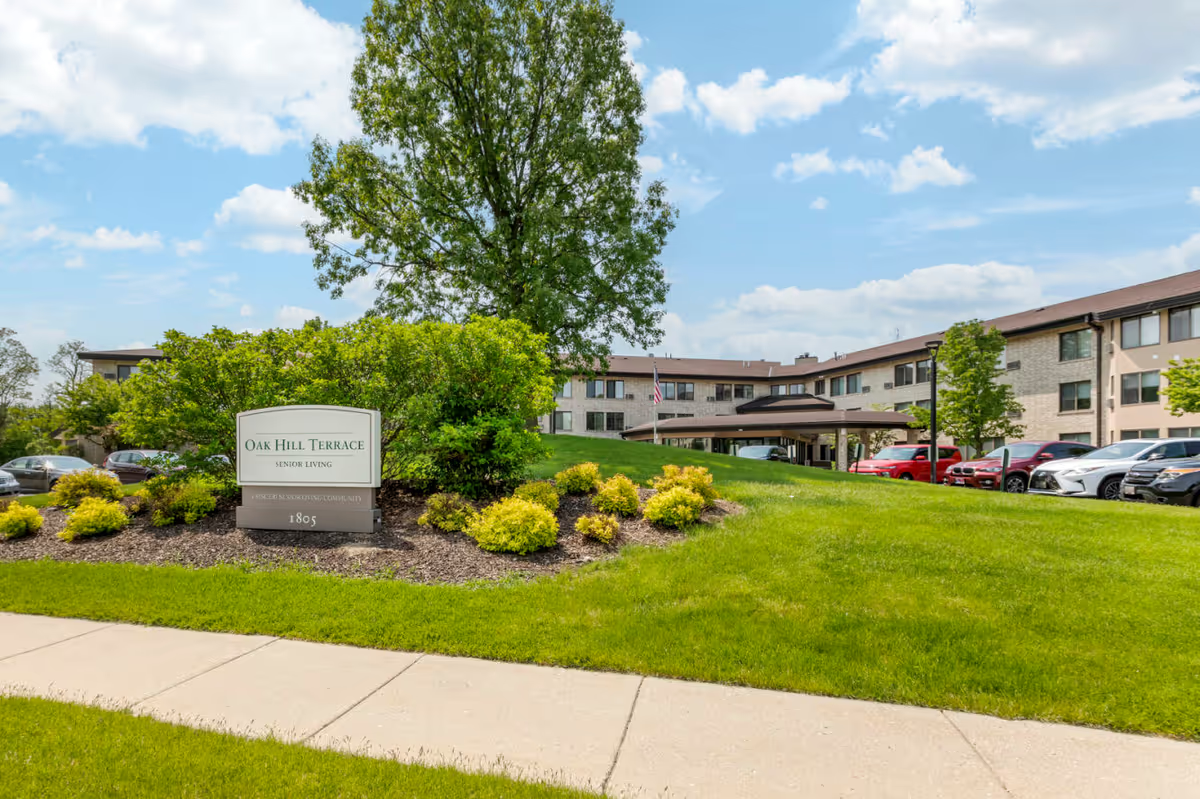
Overall impression: Reviews portray a facility that is strongly oriented toward relationship-based memory care. Strengths frequently cited include a warm, family-like culture, individualized attention to residents, and staff who are described as compassionate, patient, and skilled at working with dementia. The physical environment is consistently praised — interiors are described as clean and attractive, apartments comfortable, and outdoor spaces and walking paths are highlighted as particularly well maintained.
Care and staff: Families commonly emphasize personalized care, frequent communication, and staff familiarity with residents’ needs and preferences. Many reviewers point to caregiving staff, activities staff, nursing, and management as invested and responsive; clinical monitoring of changing status and prompt engagement of outside resources are noted as positives. At the same time, a recurring operational concern is inconsistent staffing and turnover. That pattern is linked in reviews to variability in how quickly residents receive attention, occasional handoff and communication gaps between shifts, and uneven staff availability for daytime engagement.
Dining and activities: Dining is frequently described as homemade and well liked, with flexible options that support family involvement. Nevertheless, reviewers also note variability in meal quality, temperature, and menu choices; several families expressed a preference for more fresh produce options. The activities program is a clear strength — creative, resident-centered programming, active involvement by activity directors, seasonal events, and family-oriented gatherings are commonly praised. Outdoor programming and opportunities for walks are widely appreciated, though some reviewers noted limited organized off-site outings or transportation options.
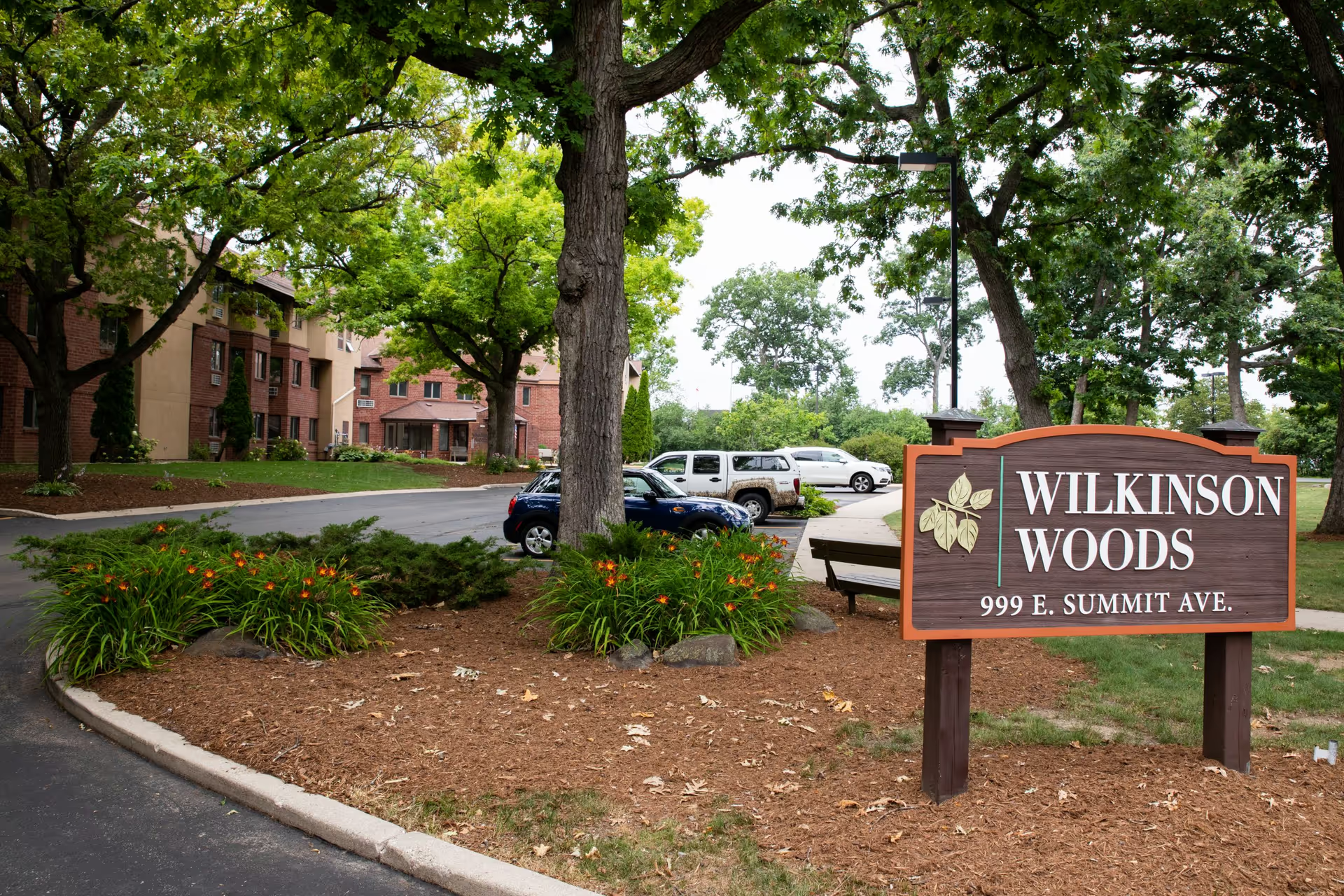
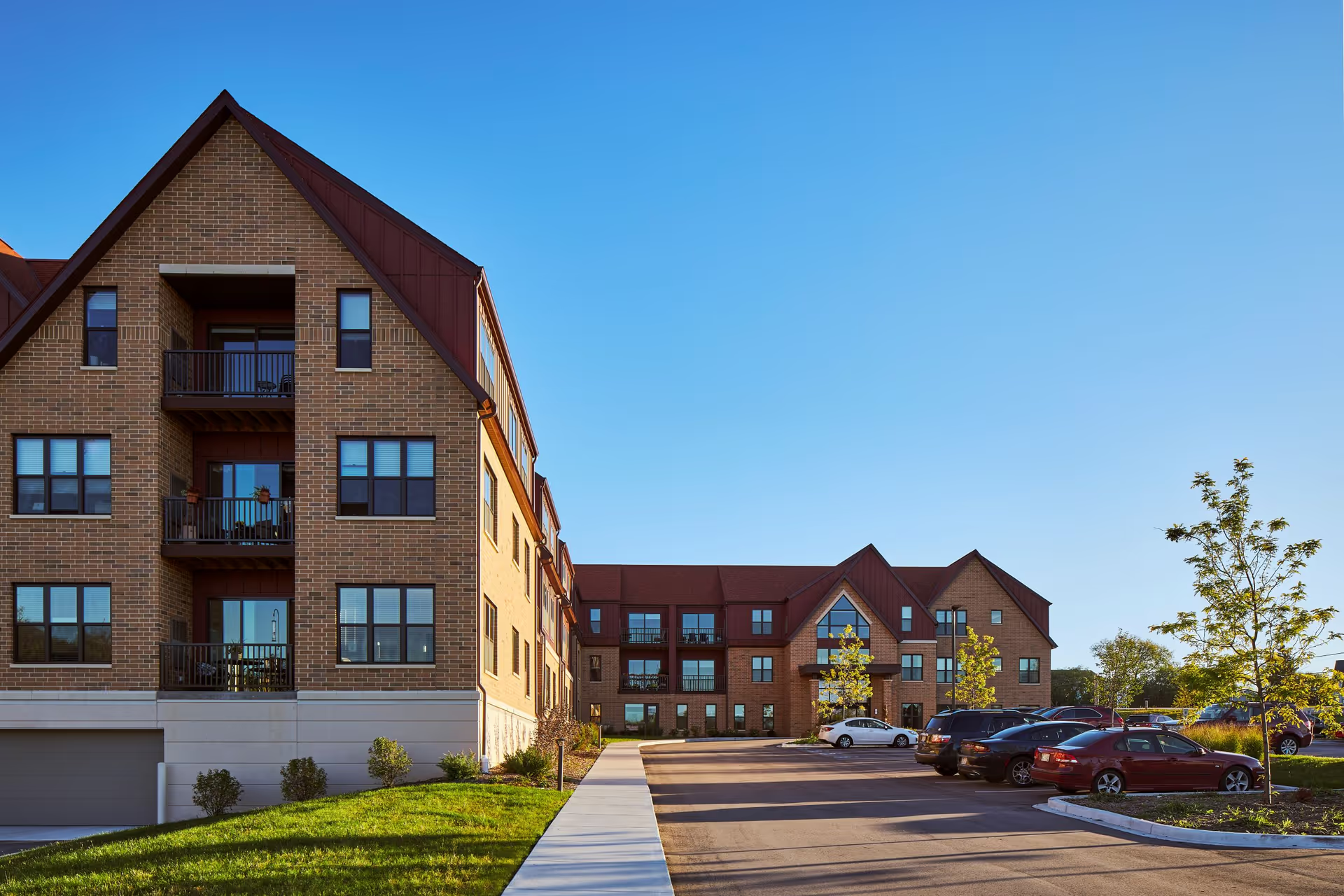
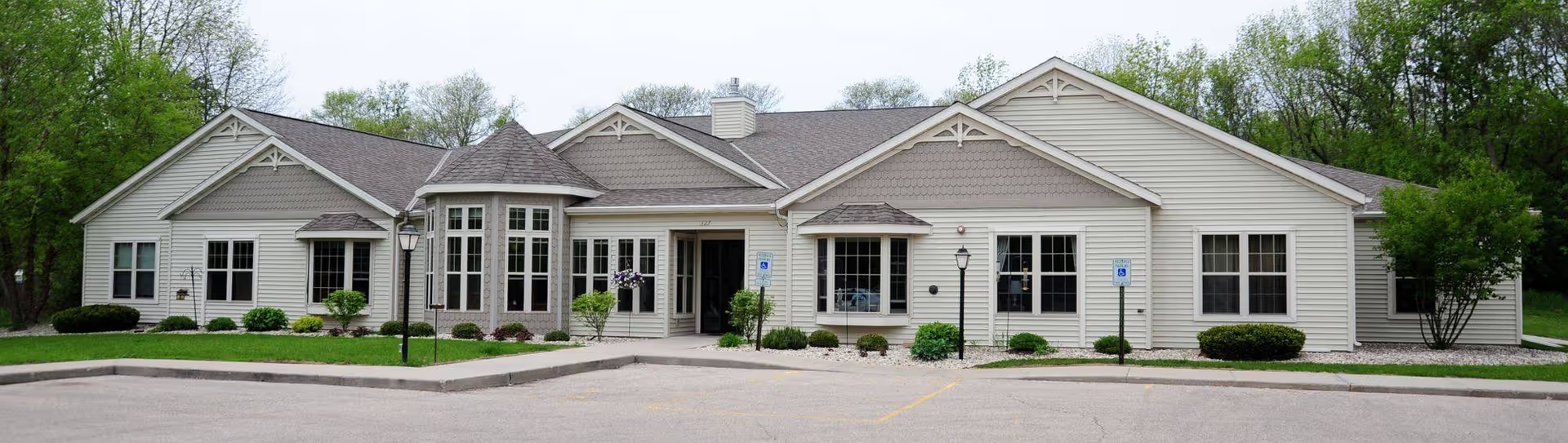
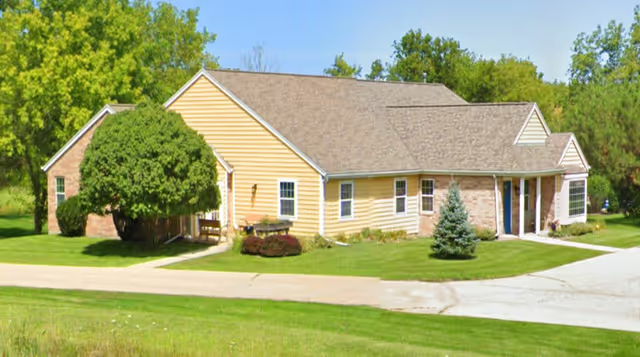
Facilities and housekeeping: Physical plant and grounds receive consistent positive mention — attractive decor, seasonal touches, and well-kept landscaping. Housekeeping and common-area cleanliness are often praised, but there are also reports indicating variability in room upkeep and housekeeping coverage. These operational inconsistencies dovetail with staffing patterns and can affect perceptions of sanitation and overall maintenance.
Management and operations: Many families commend management for communication, involvement, and responsiveness; others describe inconsistent responsiveness from specific administrative staff and billing-related issues. Operational weaknesses inferred from reviews include gaps in shift-to-shift handoff, variable housekeeping scheduling, personal-item controls, and occasional problems with medication/clinical continuity and fall prevention. A small number of reviews describe serious individual concerns — including alleged theft and significant care lapses — that prospective families should explicitly address when evaluating the community.
Notable patterns and guidance for prospective families: The dominant narrative is one of high-quality, relationship-driven memory care with strong programming and a homelike environment. At the same time, there is a pattern of operational variability tied to staffing and management responsiveness that can affect day-to-day consistency. Prospective residents and families who value small-community warmth, engaged activities, and attractive outdoor space may find a good fit here; families prioritizing ironclad consistency in housekeeping, valuables safeguards, and uninterrupted staffing should ask targeted questions. Recommended topics for a tour and conversation: current staffing ratios and turnover rates, fall-prevention and clinical-handoff protocols, housekeeping schedules, valuables and personal-item policies, meal samples/menus, and transportation/outing availability. Doing so will help balance the facility’s evident strengths against the operational issues that several families raised.