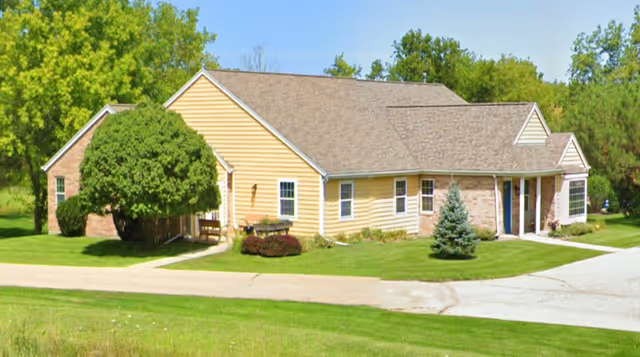
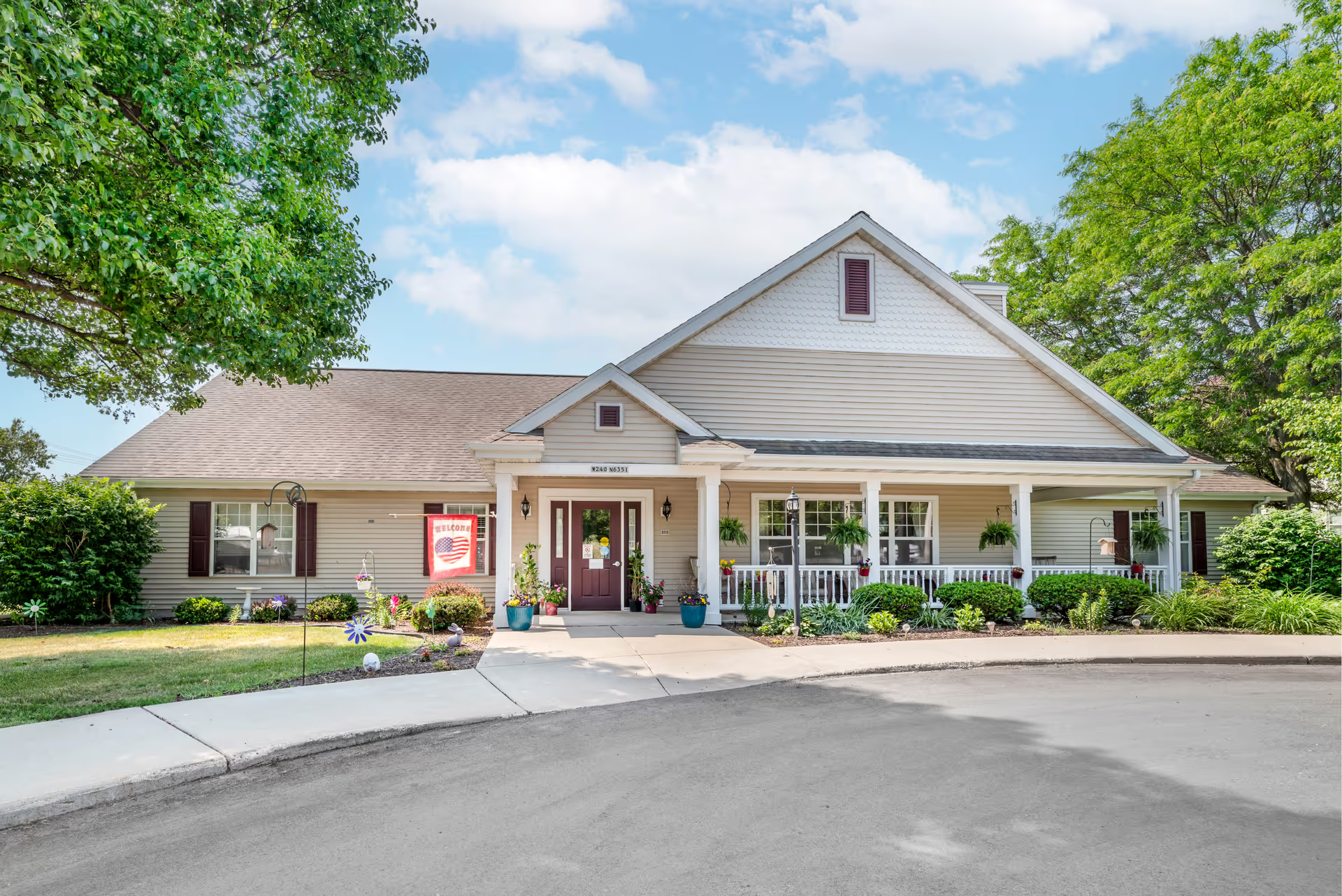
Feedback for The View at Pine Ridge is sharply mixed, with distinct positive themes alongside recurring operational concerns. On the positive side, reviewers highlight a new, well-appointed building with pleasant common areas (including an onsite bistro and indoor gardens), a home-like atmosphere, and programs geared to assisted living and memory support. Families and residents cite active social programming and a strong social environment; an identified activity director is credited with engaged, resident-centered programming. Several accounts describe attentive, compassionate caregivers and recommend short-term respite trials as a way to evaluate fit.
Care quality and staff: Positive accounts emphasize compassionate direct care and helpful staff interactions, particularly in memory-support contexts. However, a consistent countervailing pattern concerns workforce stability and preparedness: reviewers describe high turnover, limited staffing coverage at times, and uneven training for newer employees. There are also concerns about staff conduct and responsiveness in some reports; a small number of accounts from former employees raise more serious conduct and supervision questions. Prospective families should ask for staffing ratios, turnover statistics, staff training protocols, and examples of supervision and incident-response processes when evaluating care quality.
Dining and activities: Activities are repeatedly cited as a strength — frequent programming, opportunities for socialization, and memory-support engagement. Dining receives mixed feedback: some reviewers praise food quality and responsiveness to issues, while others describe inconsistent meal temperature, limited variety, and food prepared in advance that affects perceived freshness. Observing a mealtime and reviewing sample menus or the kitchen’s service model may help determine whether the dining program meets individual needs.
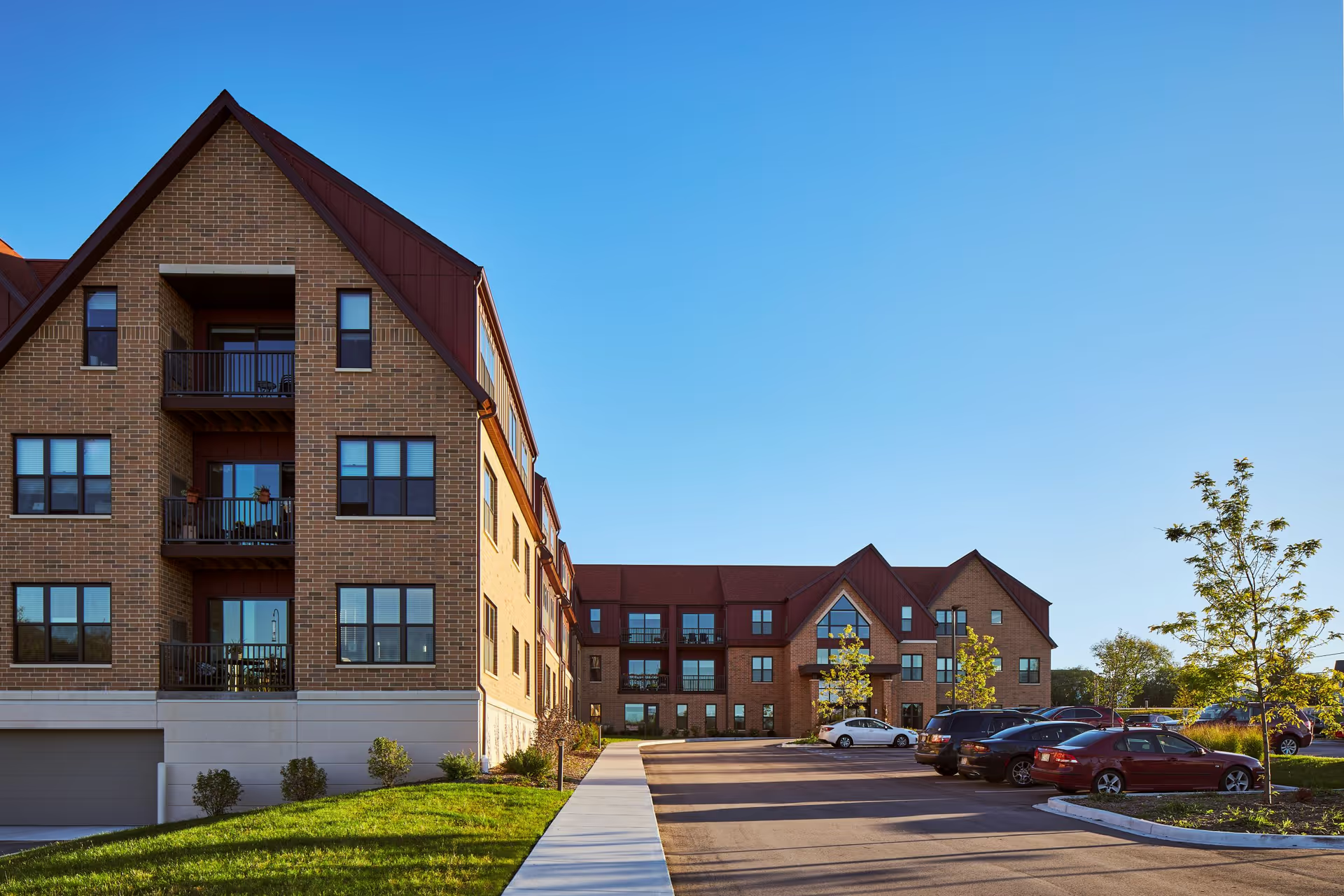
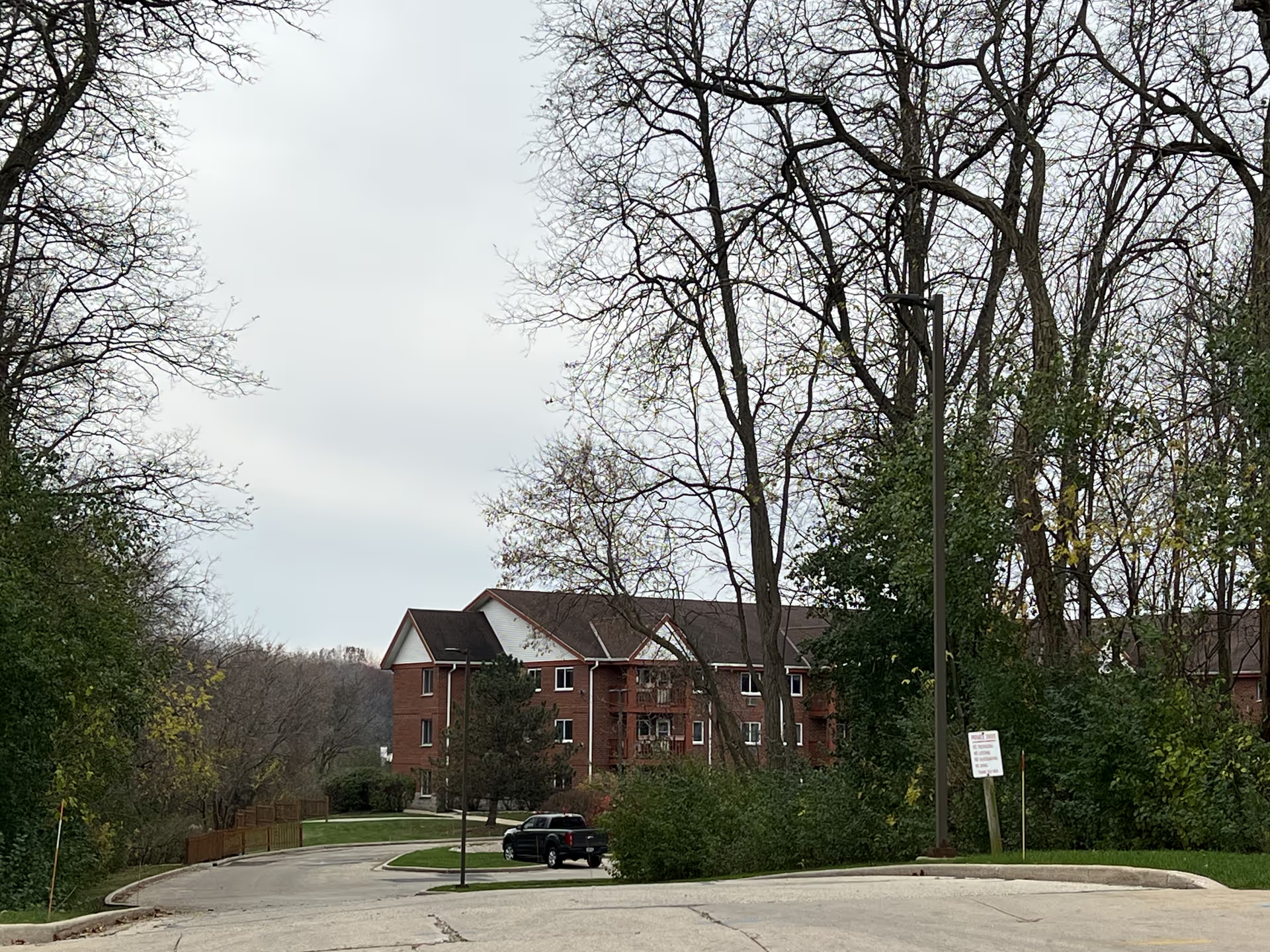
Facilities and management: The physical environment is a clear asset for many families — new construction, clean interiors, and pleasant common spaces contribute to a positive resident experience. At the same time, reviewers raise facility-level concerns about management and ownership priorities, suggesting perceived cost-driven decision-making and limited transparency during admissions (including concerns about how residents are presented during tours). There are also mentions of restrictive mobility-related policies; families should clarify transfer, restraint, and wheelchair-use policies as part of their review. Finally, some comments imply regulatory or compliance risk; checking state inspection reports and any regulatory history is advisable.
Notable patterns and recommendations: The overall pattern is polarized: strong amenities and programmatic strengths coexist with recurring operational issues related to staffing, training, meal service consistency, and administrative transparency. For prospective residents and families, recommended due diligence includes touring during activity and mealtime periods, requesting current staffing ratios and turnover data, asking about staff training and supervision, reviewing restraint and mobility policies, sampling the dining program or arranging a respite stay, and reviewing recent state inspection and complaint records. These steps will help determine whether the facility’s strengths align with an individual’s care needs and expectations.