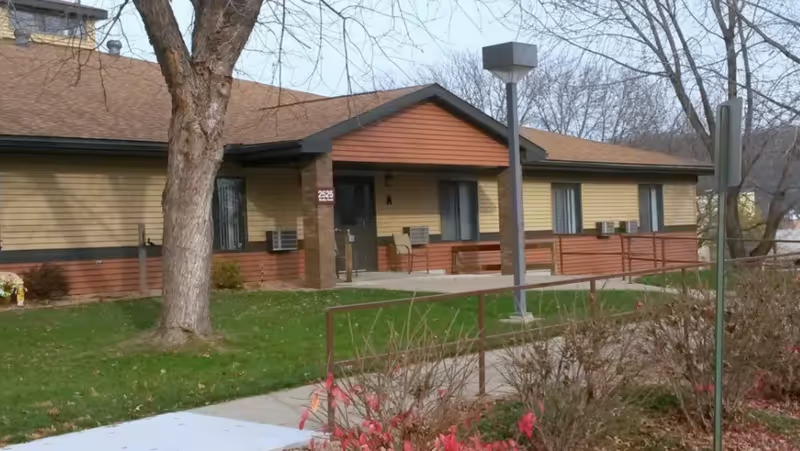
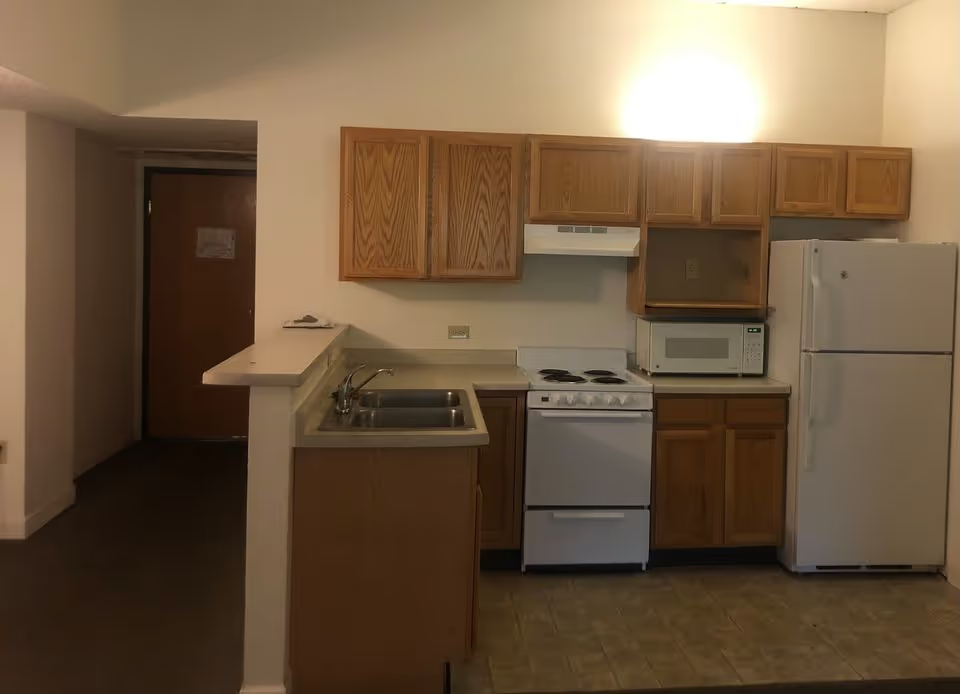
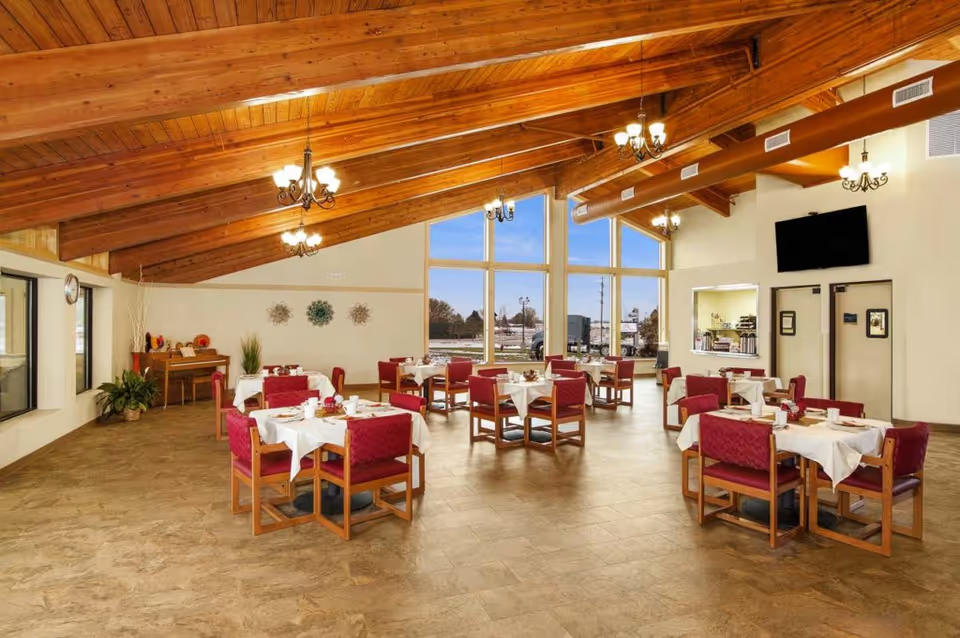
Laurel Manor presents as a small, apartment-style assisted living option with a strong emphasis on a home-like environment. The facility's 22-room scale is repeatedly associated with a quiet, tidy atmosphere; reviewers emphasize cleanliness, a pleasant facility aroma, and well-maintained private units that include kitchens and private bathrooms. Common-area features include a communal dining room with television and a schedule of activities supported by volunteers, and families note nearby access to religious services. Cost is described as affordable by multiple reviewers, and several found the setting to offer good value for the price.
Dining and daily life are described positively: meals are frequently characterized as homemade with two choices offered at each service, and routine amenities such as coffee, afternoon games, and a small activity program were noted as enjoyable by residents. The unit layout and private living space are strengths for individuals seeking independence and privacy. The small scale contributes to an intimate environment that some families appreciated for its quiet and cleanliness.
Care and staff performance elicit mixed impressions. Many accounts describe staff as helpful and accommodating, and families reported attentive day-to-day assistance. However, there are notable concerns about staff conduct and responsiveness expressed by others; these concerns point to variability in interpersonal interactions and timeliness of responses. Prospective residents should observe staff–resident interactions in person and ask about staffing levels and shift coverage to assess consistency.
Management and policy-related issues are the most significant pattern of concern. While routine operations appear orderly to many, one reviewer described an abrupt resident removal without prior notice; this raises questions about the facility's resident-transition and termination procedures and about management communication practices. These descriptions indicate potential gaps in transparency and family communication during disputes or difficult situations. Prospective families should request written policies on resident termination, grievance procedures, and communication protocols, and inquire about how administrative decisions are communicated to families.
In summary, Laurel Manor's strengths lie in its small, clean, apartment-style environment, affordable pricing, homemade meals, and available activities and religious proximity. The primary trade-offs are the limited social and program resources inherent to a small facility and the need to verify management consistency and staff conduct. A focused visit to observe daily routines, review policy documents, and speak with current families or staff would help determine whether the facility's operating style aligns with a prospective resident's needs and expectations.