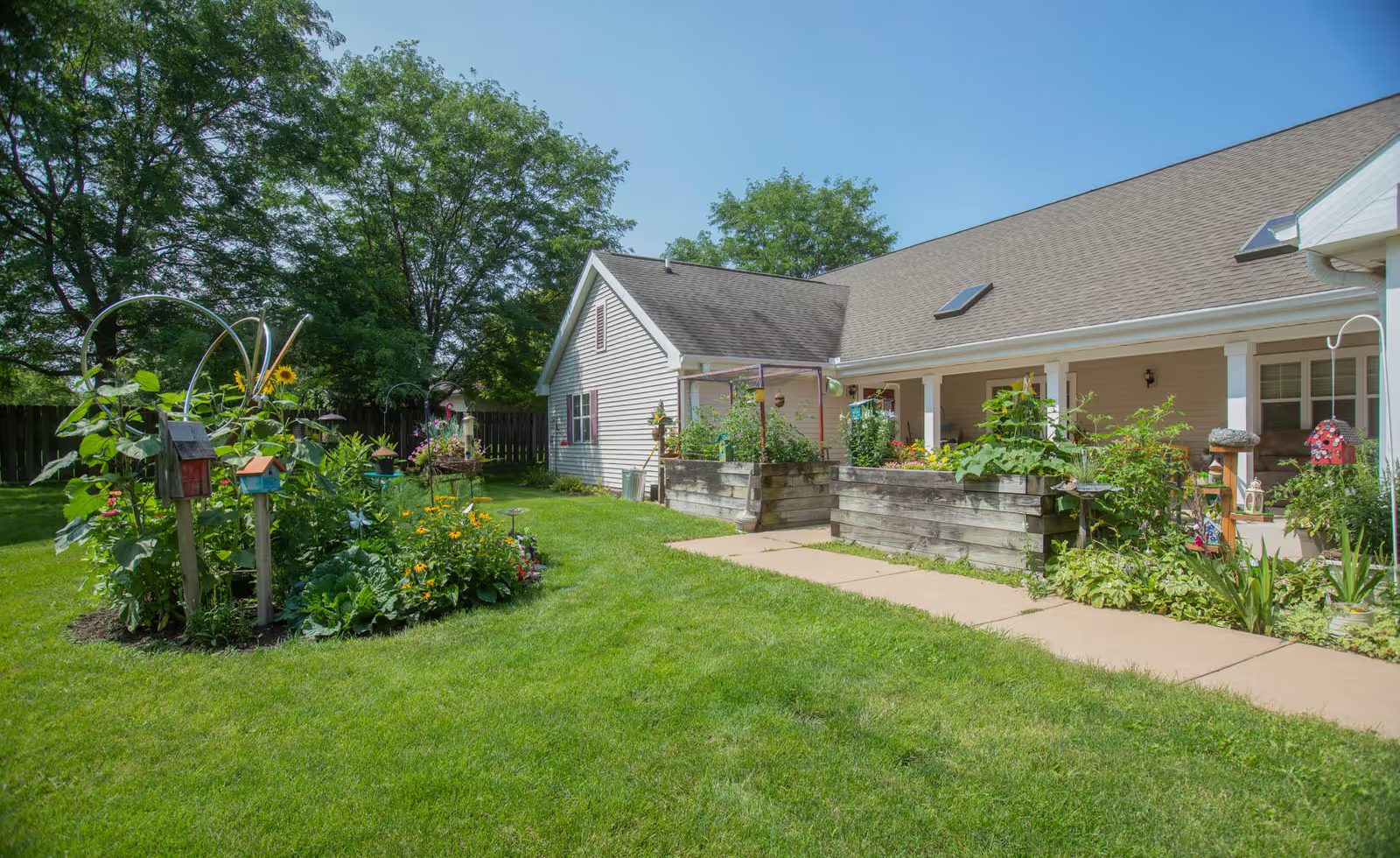
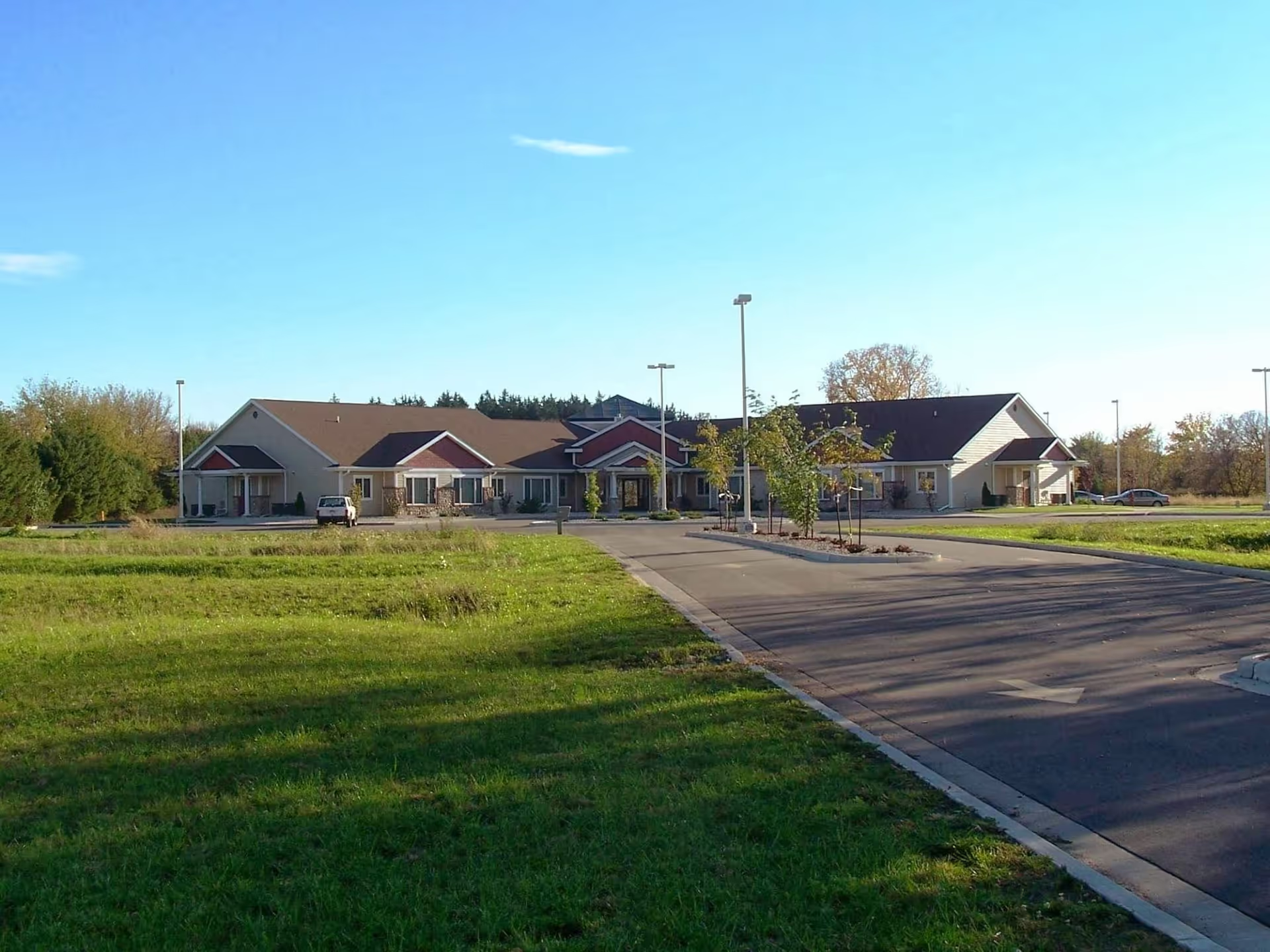
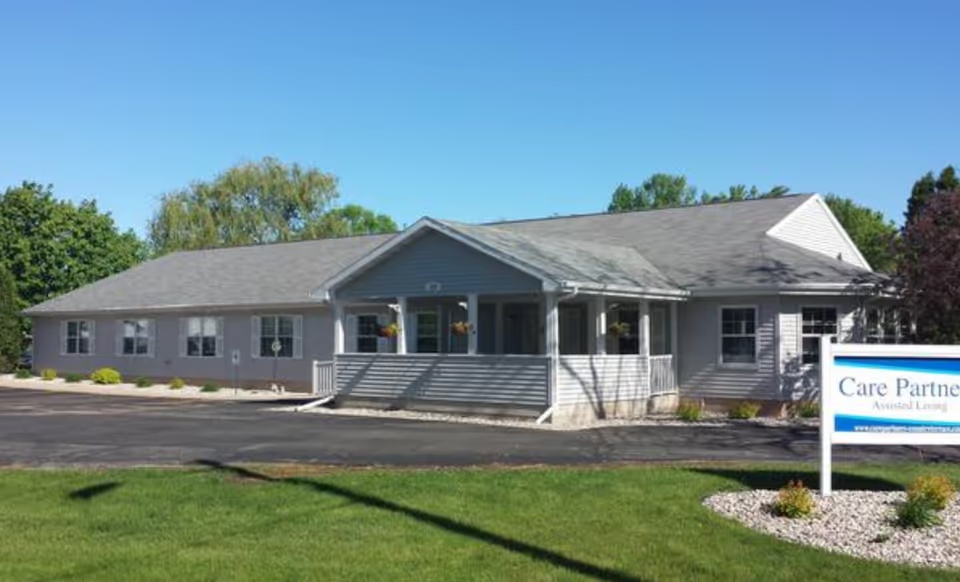
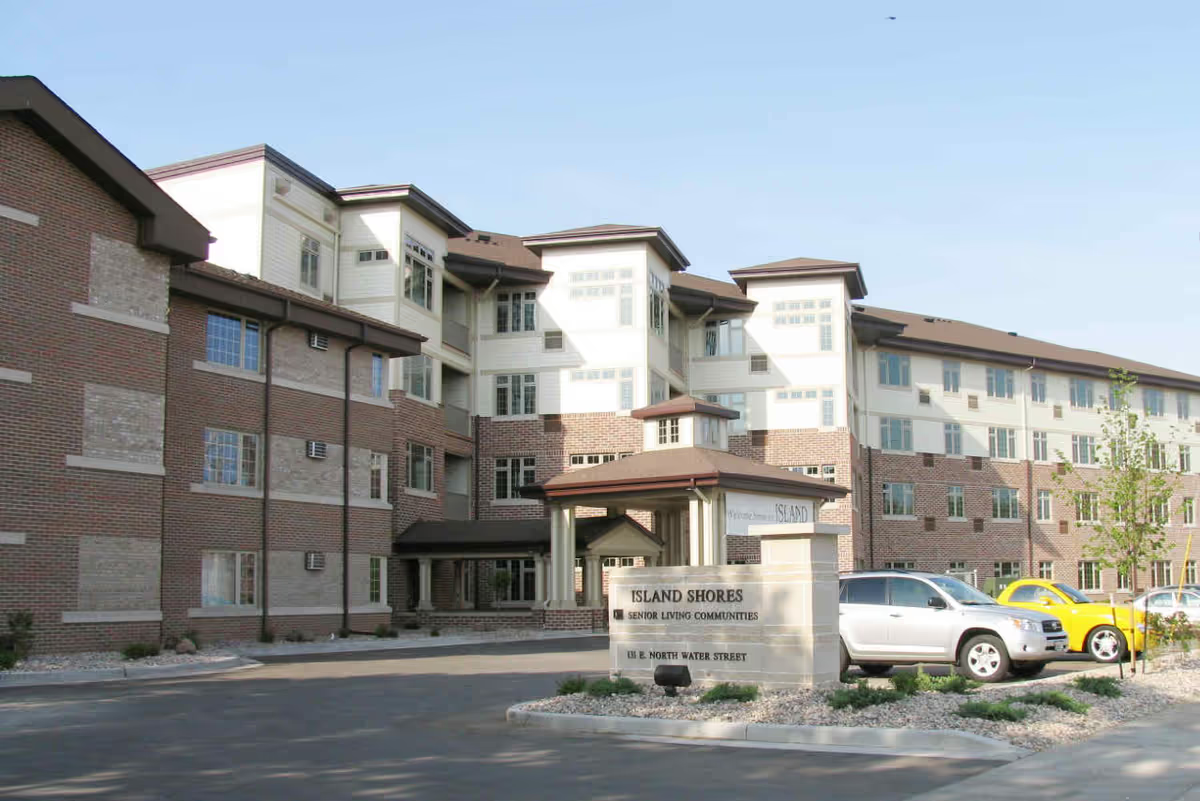
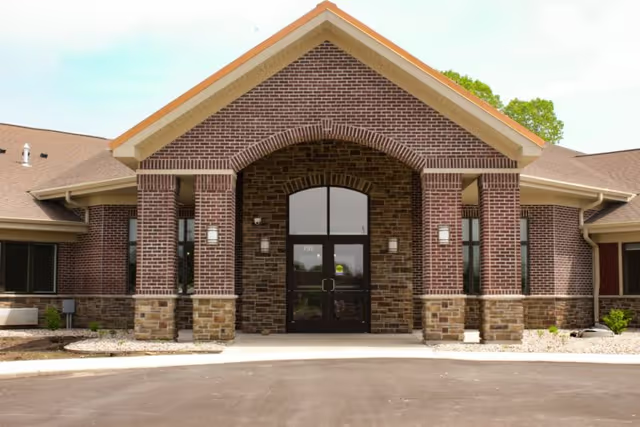
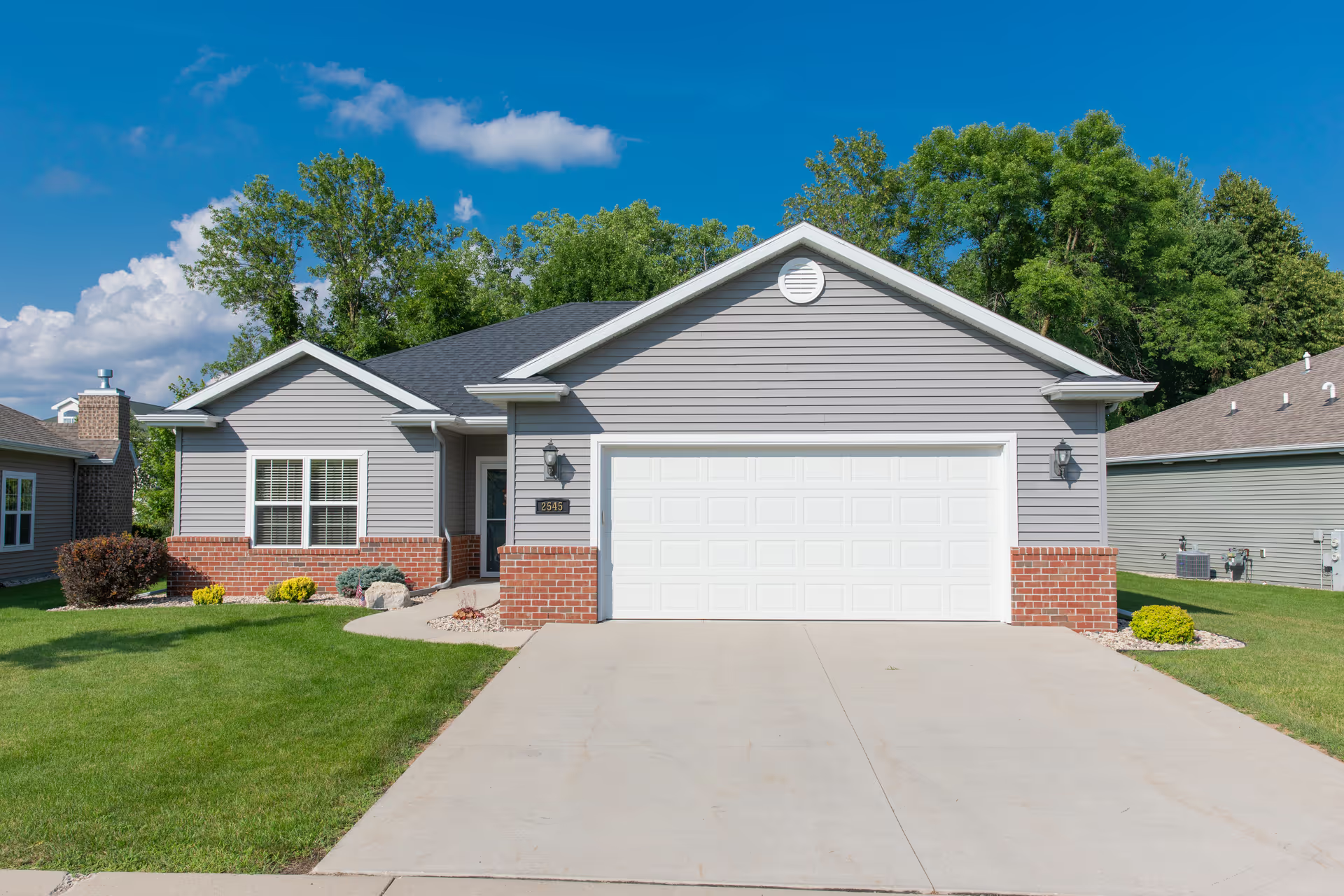
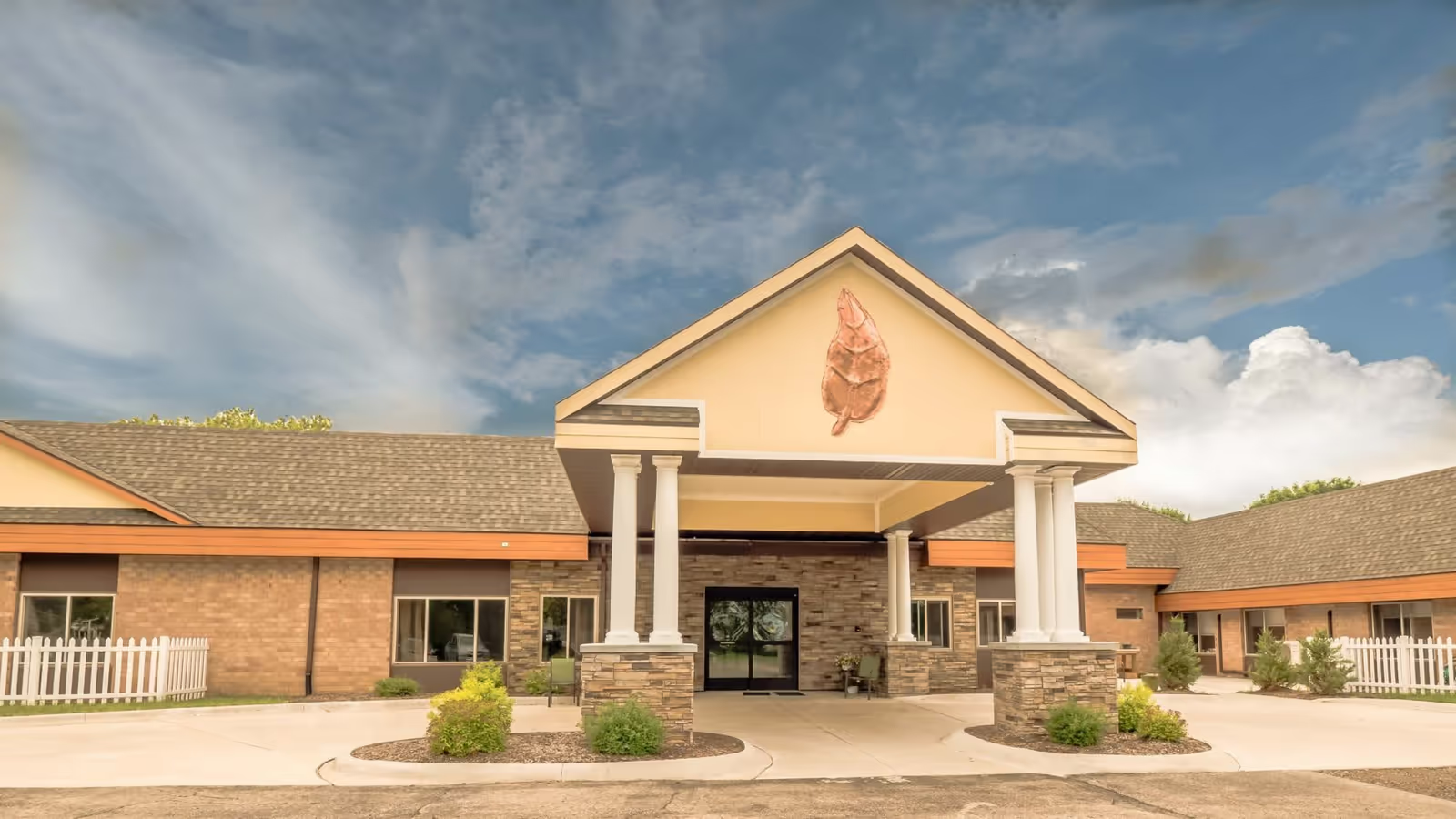
Dimensions Living Oshkosh presents as a small, home-like memory-care community with many families praising the compassionate, attentive staff and dementia-focused approach. The facility is repeatedly described as intimate and cozy, with bright, sunlit common areas, comfortable living spaces, and a range of engaging activities (music, exercise, daily devotionals, and social events) that help residents feel useful and connected. Reviewers highlight consistent strengths in one-on-one caregiver attention, staff longevity and dementia training, strong hospice communication, and home-style meals with flexible dining options. Several families described a close, family-like relationship with staff and leadership, and many noted prompt, personalized updates and outreach from the director and community-relations staff.
At the same time, reviews reveal operational weaknesses that prospective families should evaluate. Staffing levels are frequently described as thin enough to limit responsiveness; staff often appear overwhelmed and report having limited time for some tasks. Related to that pattern are gaps in clinical leadership: reviewers noted periods without consistent registered-nurse coverage and concerns about management's clinical knowledge. These staffing and leadership limitations appear to contribute to care-process vulnerabilities, including delays in incontinence care that were linked by some families to infection risk, and at least one set of concerns about personal-property handling and loss.
Facility layout and services are a mixed picture. The small scale is central to the community's appeal, but it also means small resident bedrooms that commonly lack en-suite bathrooms. There is no in-house rehabilitative program; families must arrange and self-pay for therapy elsewhere. Culinary offerings are generally praised for home-cooked style and flexibility, but several reviewers suggested the kitchen could benefit from dedicated staffing to ensure consistent meal service.
Communication and management practices show variability. Many families described exemplary communication from the director and staff, including regular updates and hands-on support during transitions. Others experienced limited visibility during outbreak periods and a desire for more frequent bi-weekly updates or greater access. The admission process itself was a frequent source of friction: several reviewers described demanding financial documentation requirements and the facility's pricing as relatively high, which may be important for families comparing options.
In summary, Dimensions Living Oshkosh appears well suited for families prioritizing a small, dementia-specialized, homelike environment with engaged caregivers and robust activity programming. The community's strengths center on individualized dementia care, compassionate staff, and a warm atmosphere. Prospective residents and their families should, however, assess staffing levels and clinical oversight, confirm nursing coverage, inquire about incontinence-care protocols and property safeguards, verify the availability (or lack) of on-site rehab, and clarify admission financial requirements and visitation policies during infection-control events before making a placement decision.