Overall assessment Feedback portrays Elijah's Place as a small, home-like memory-care provider with consistently strong clinical and interpersonal strengths. Many accounts emphasize high-quality nursing, attentive bedside care, and a safety-focused approach that supported health improvements for residents. The facility's small scale and Alzheimer’s specialization are repeatedly cited as contributors to a family-oriented atmosphere and individualized community feel.
Care and staff Care quality is a clear strength: reviewers describe competent, respectful nursing and caregiving, with staff who demonstrate enthusiasm and work well together. Families and residents point to attentiveness and teamwork as major positives. At the same time, there are recurring operational concerns that could affect individualized care. Intake and care-planning practices appear uneven for some residents, and staff role overlap (staff handling cooking, cleaning, and direct care simultaneously) suggests workload pressures that may limit time available for personalized attention. Additionally, higher-than-average staff turnover was noted, which can reduce continuity of care even when individual caregivers are strong.
Dining and activities Dining is consistently praised: home-cooked meals and an overall positive dining experience are described as highlights. The activities program also receives favorable remarks — residents are encouraged to participate and staff-run programs are characterized as engaging. These elements contribute to the facility’s home-like ambiance and support social and cognitive engagement for residents.
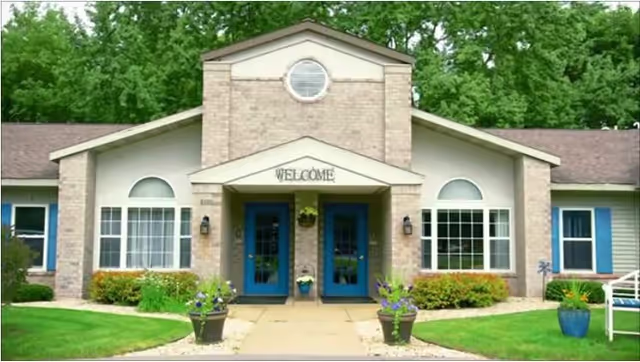
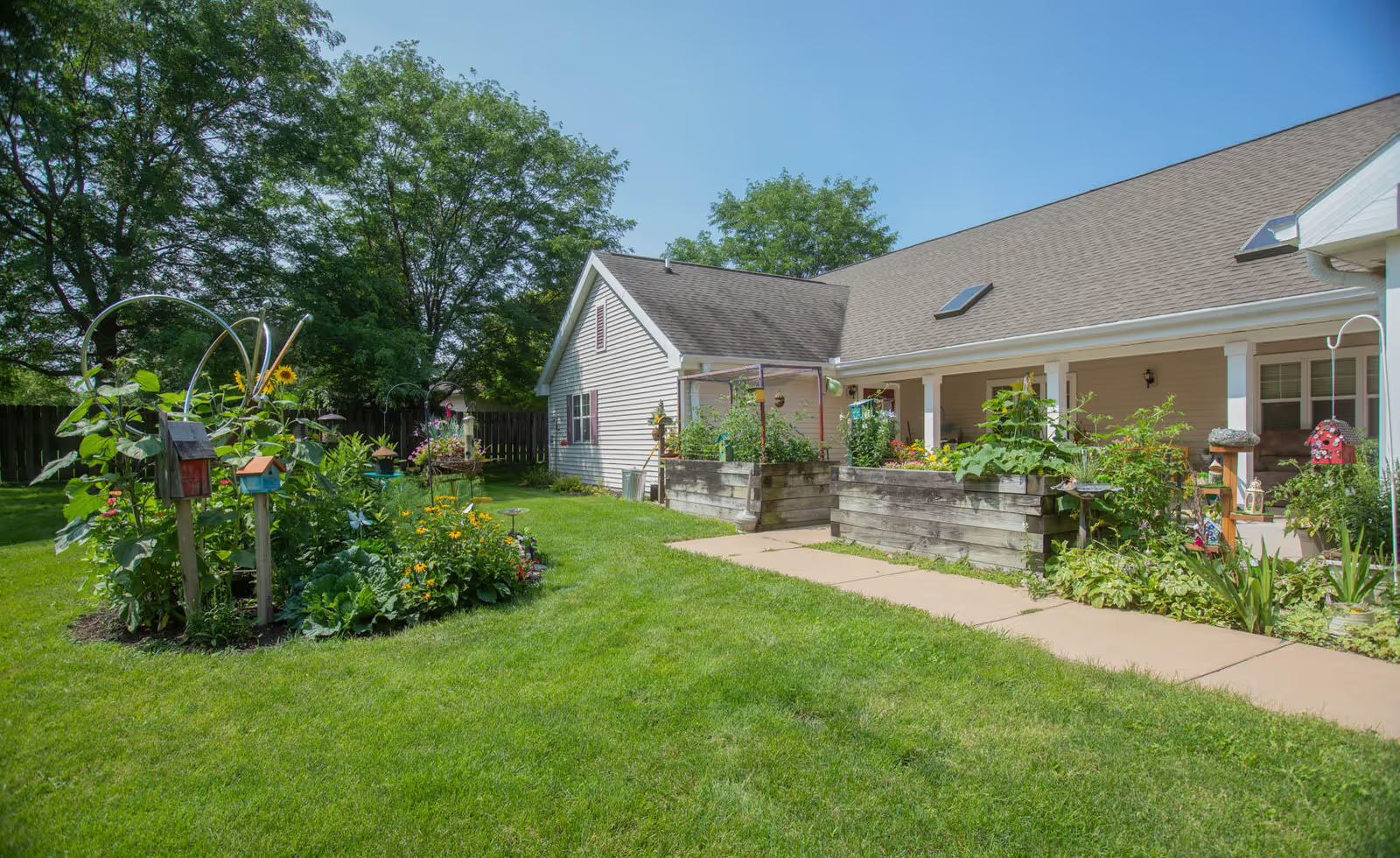
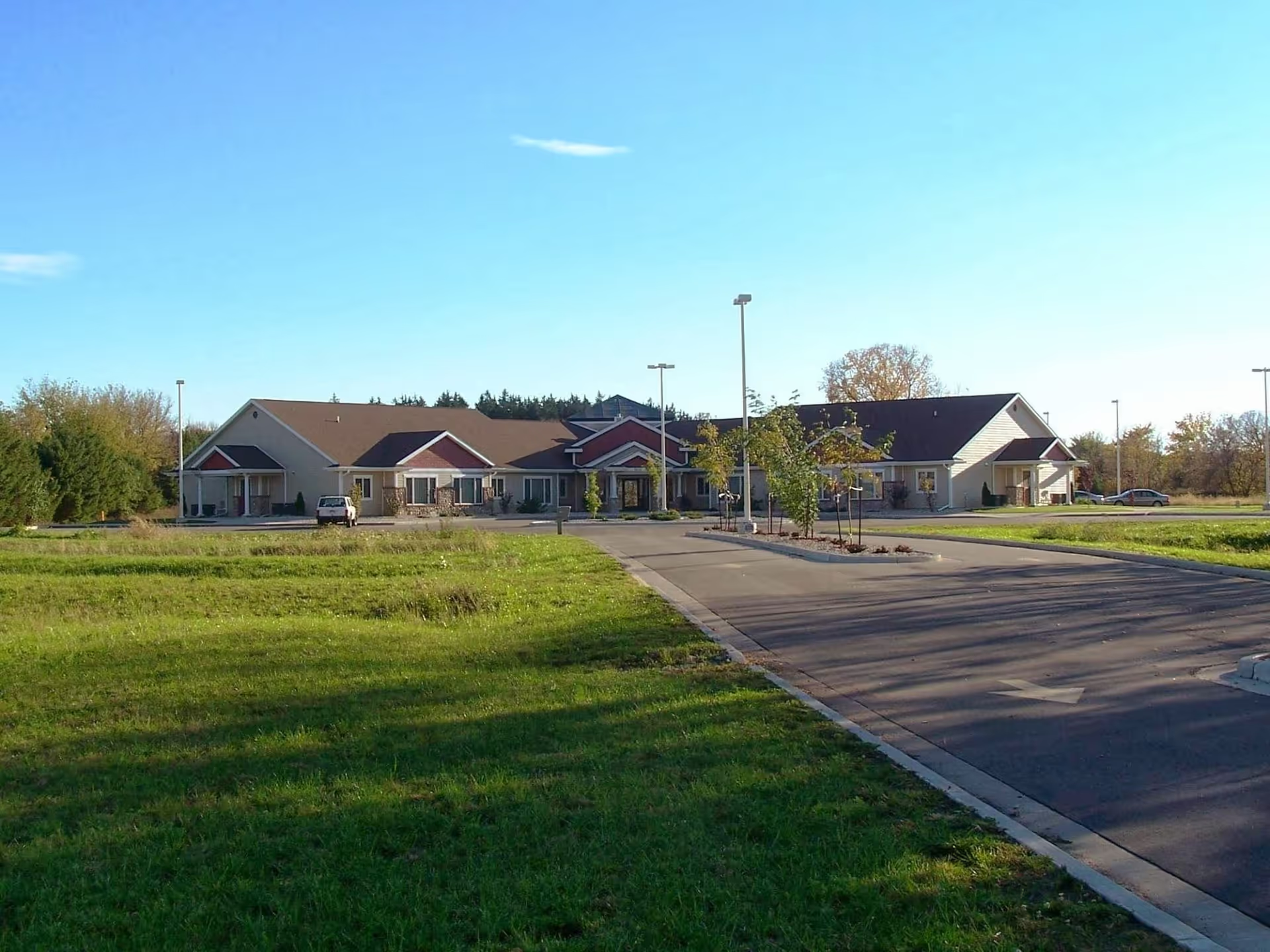
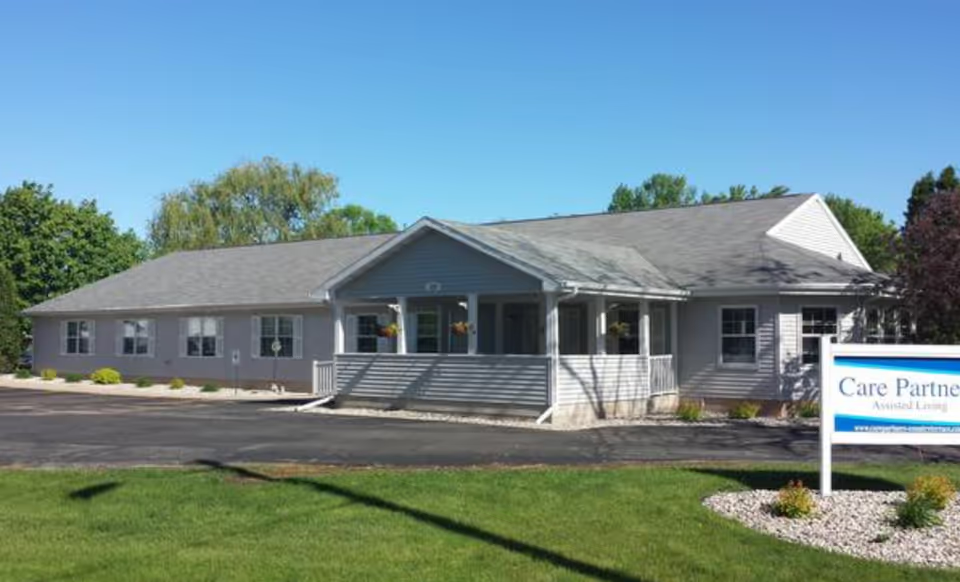
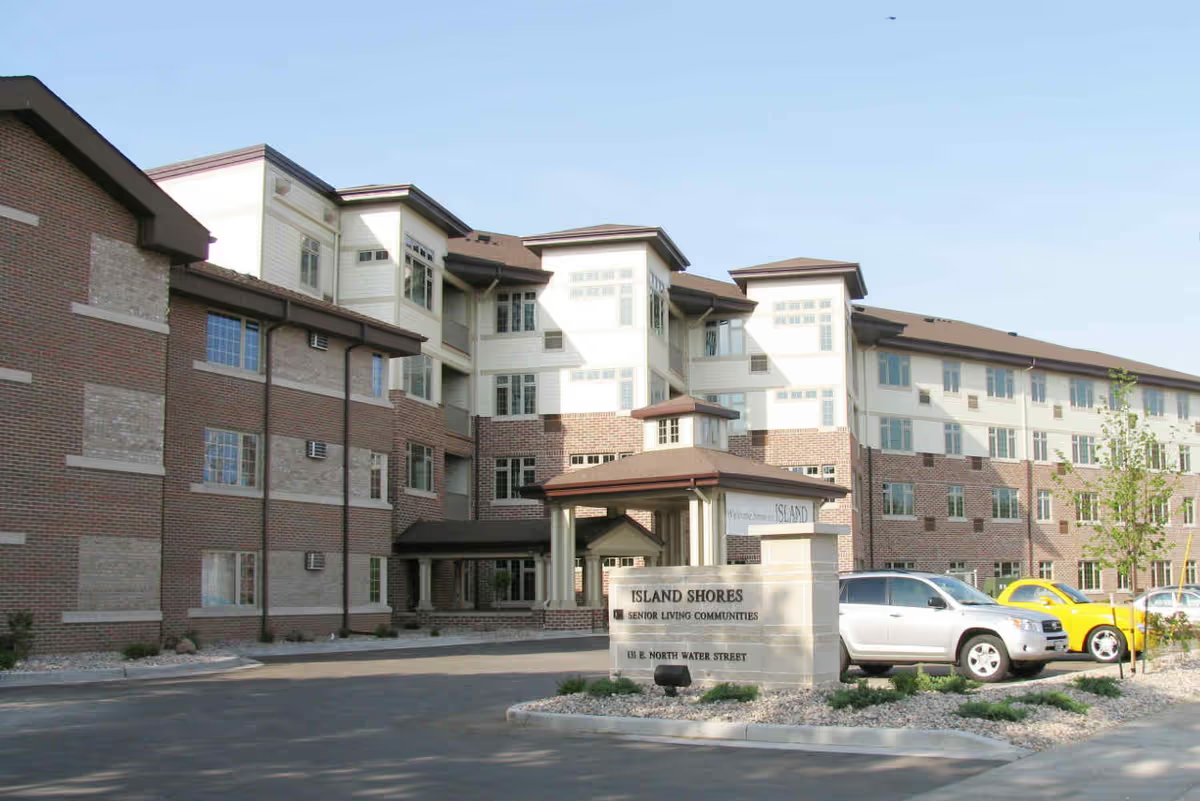
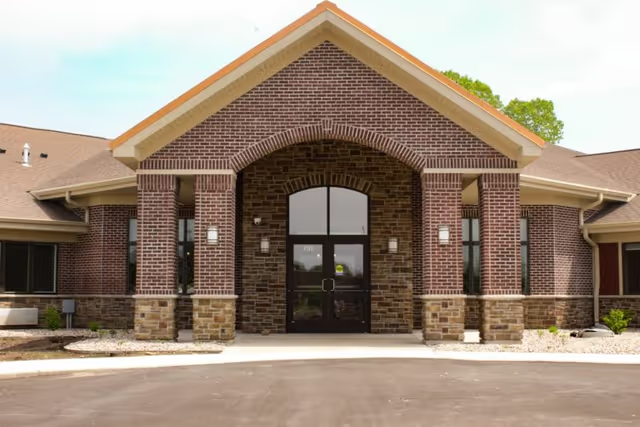
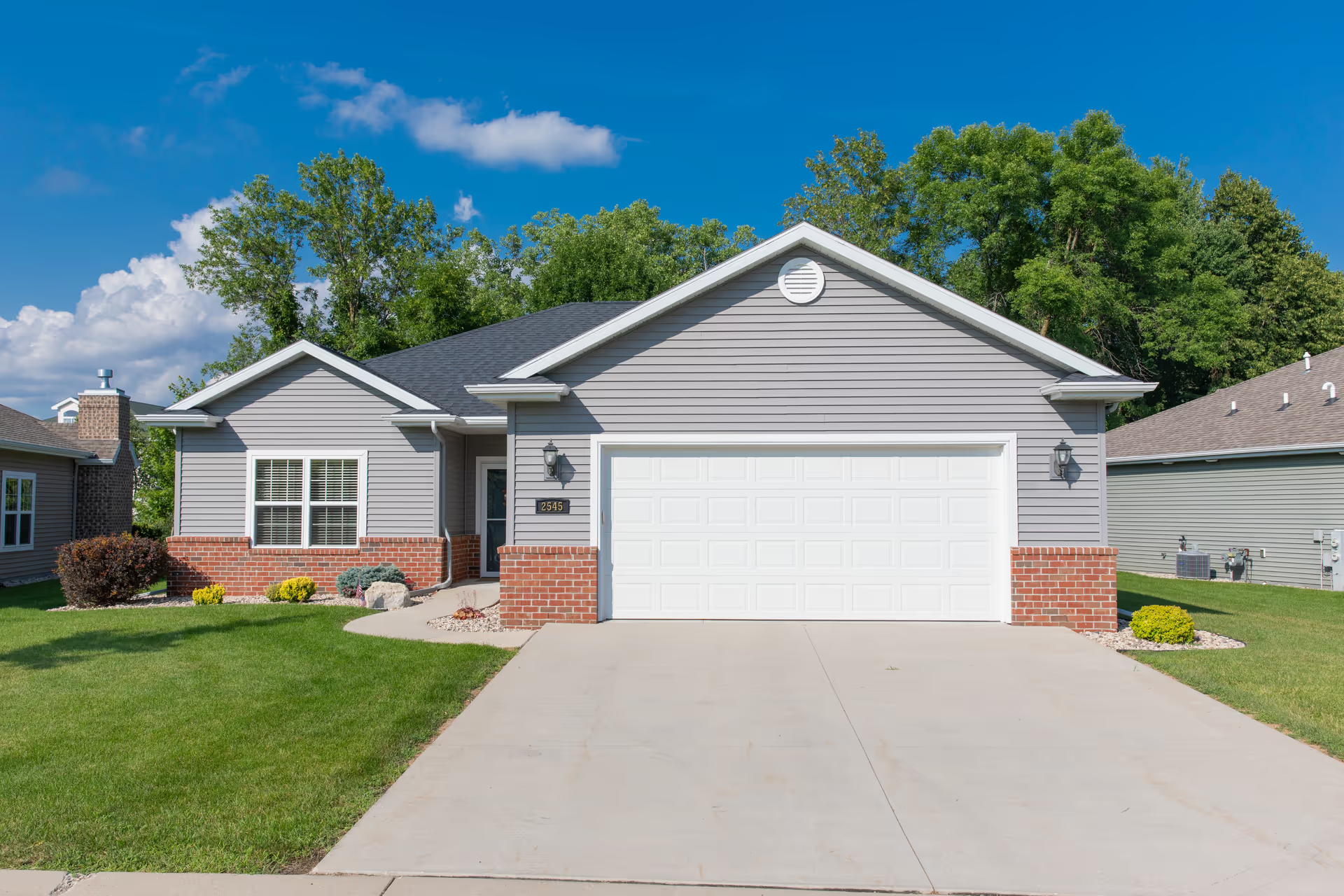
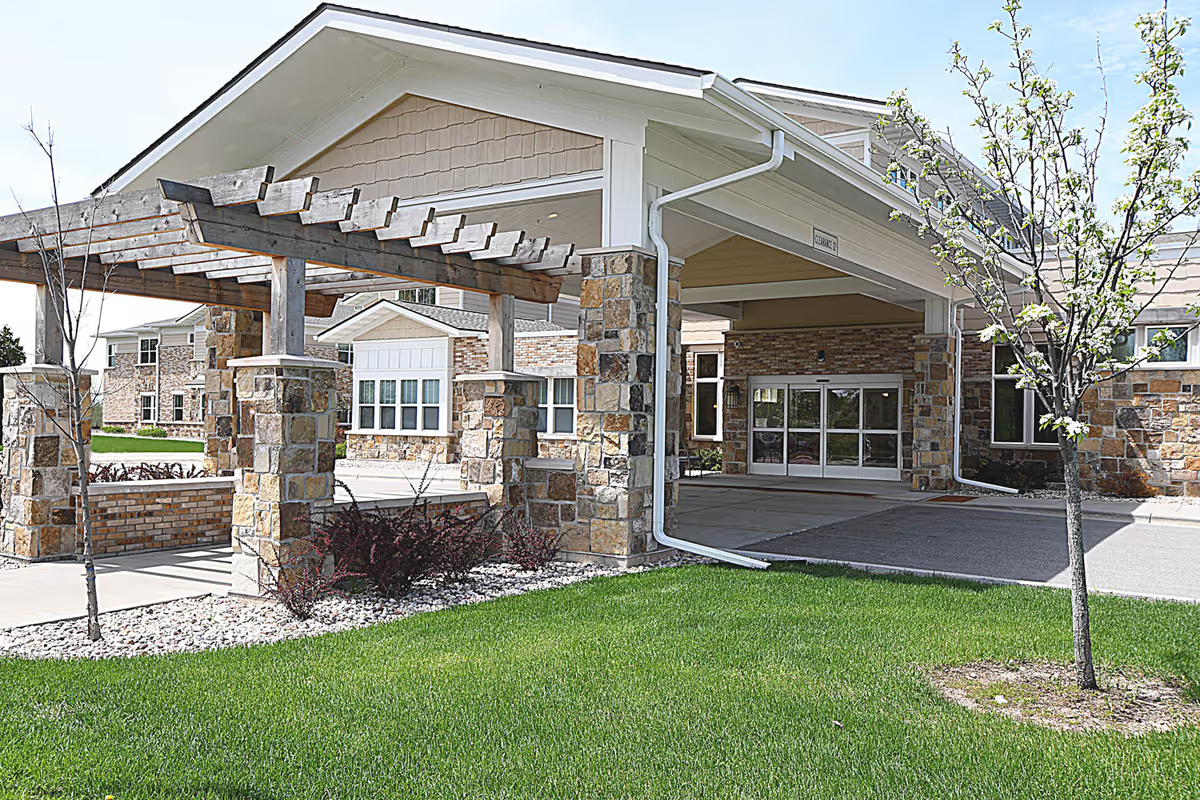
Facilities and environment The physical plant is described as clean, recently remodeled, and well-maintained. The small scale of the location is seen as a plus for families seeking a more intimate setting. However, practical limitations are also noted: resident rooms are small and some lack full shower/bathing facilities, which has implications for resident comfort and care processes. A few comments reference environmental cues (audible alarms, on-site animals) that created an inconsistent professional atmosphere; this points to opportunities for clearer environmental-management policies.
Management and notable patterns Communication with families is generally described as good, and reviewers credit management and staff for creating a respectful culture. Nevertheless, persistent themes around staff workload, role strain, and turnover suggest management-level resourcing and staffing challenges that bear monitoring. Pricing is perceived as on the higher side relative to the facility’s size and room configurations. For prospective families, the facility’s strong clinical and social programming make it an attractive option for memory-care needs, but it is advisable to confirm room configurations, bathing capabilities, and current staffing continuity during a visit to assess fit for specific care requirements.