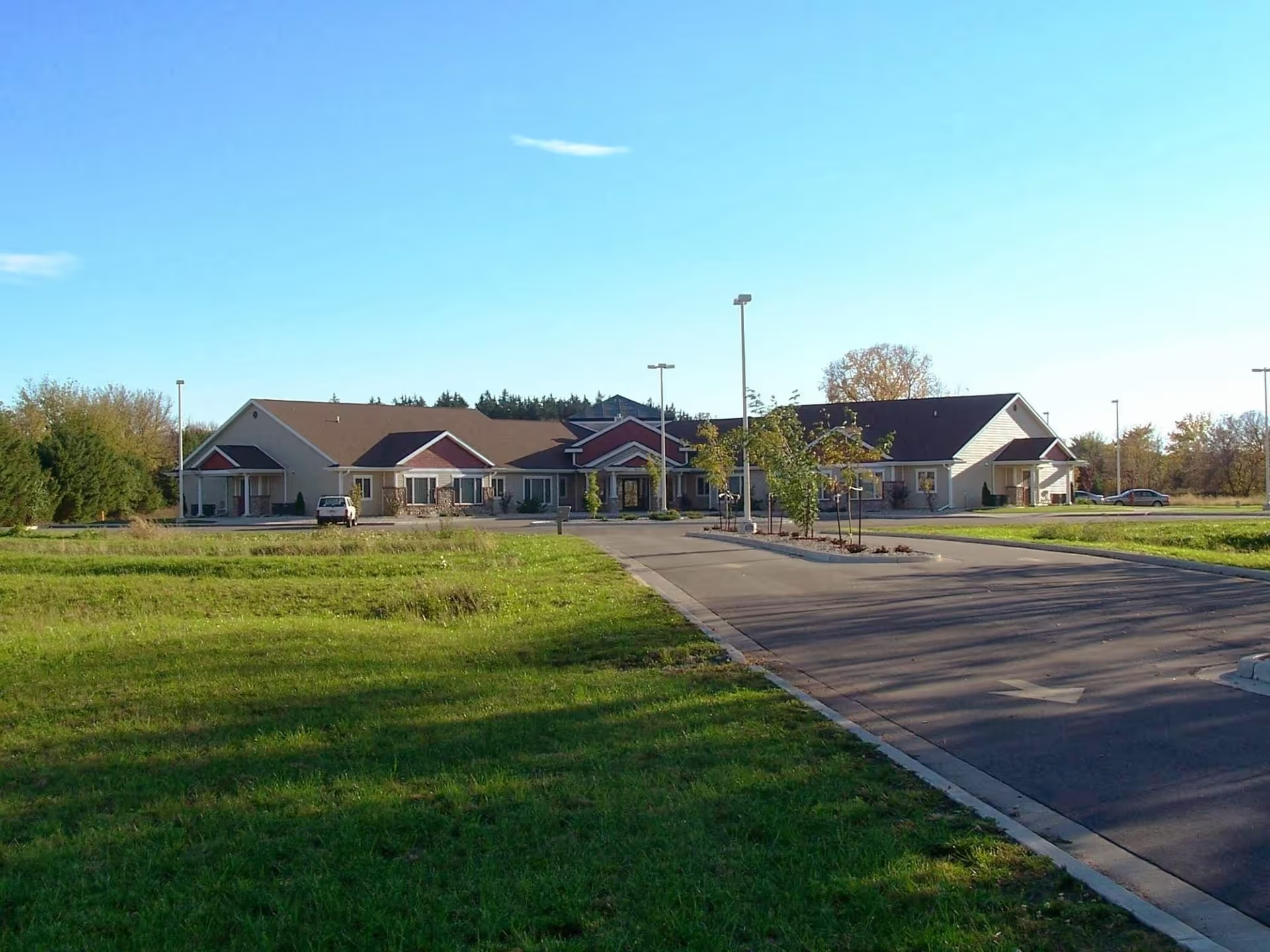
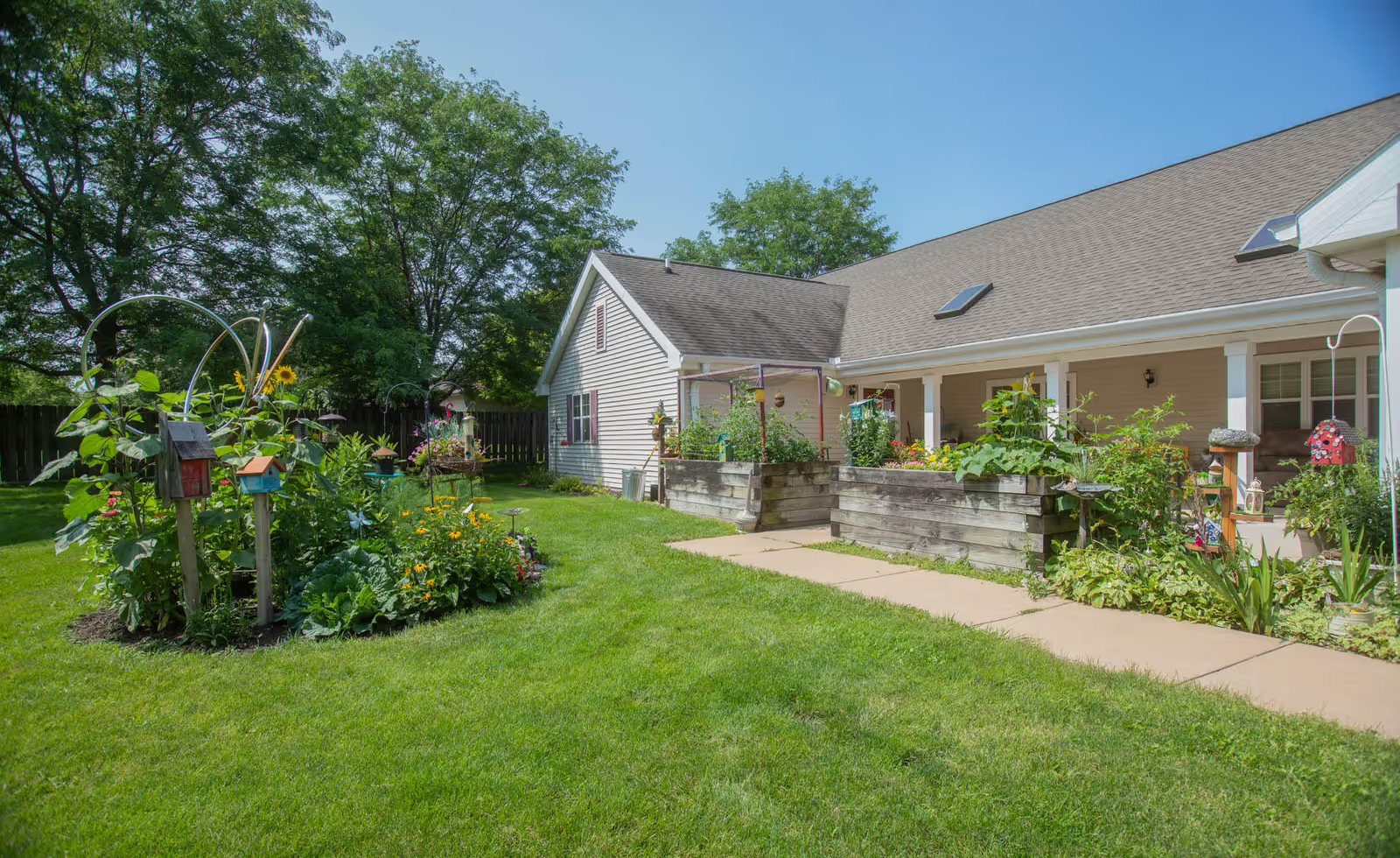
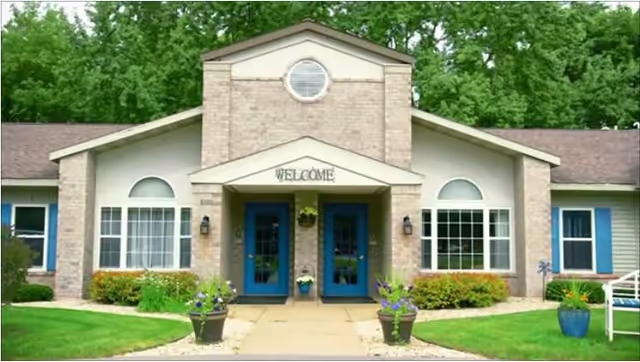
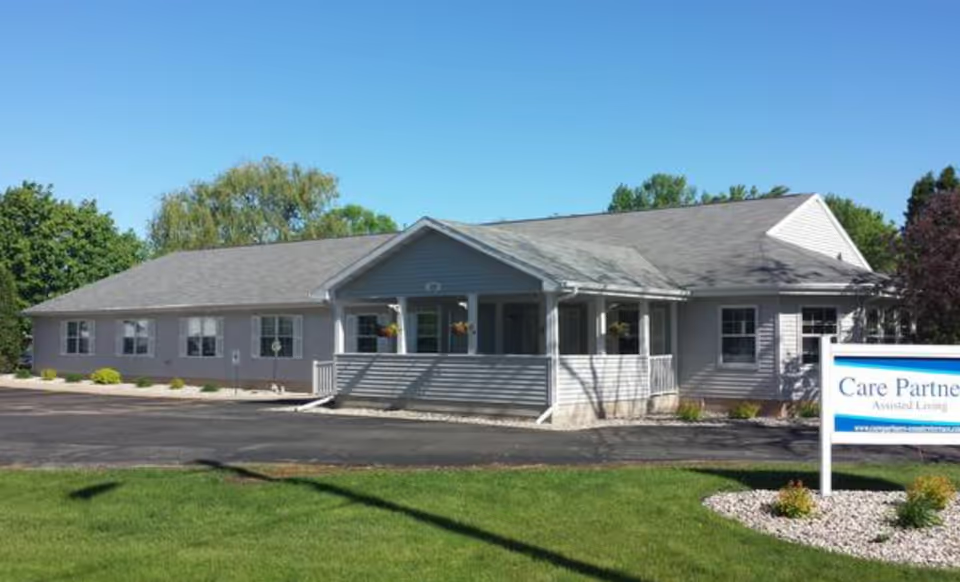
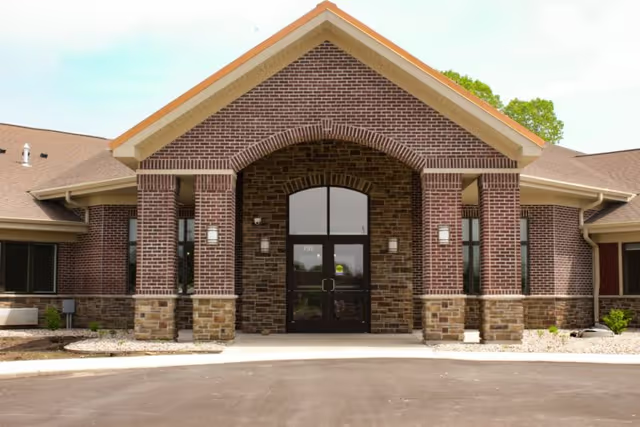
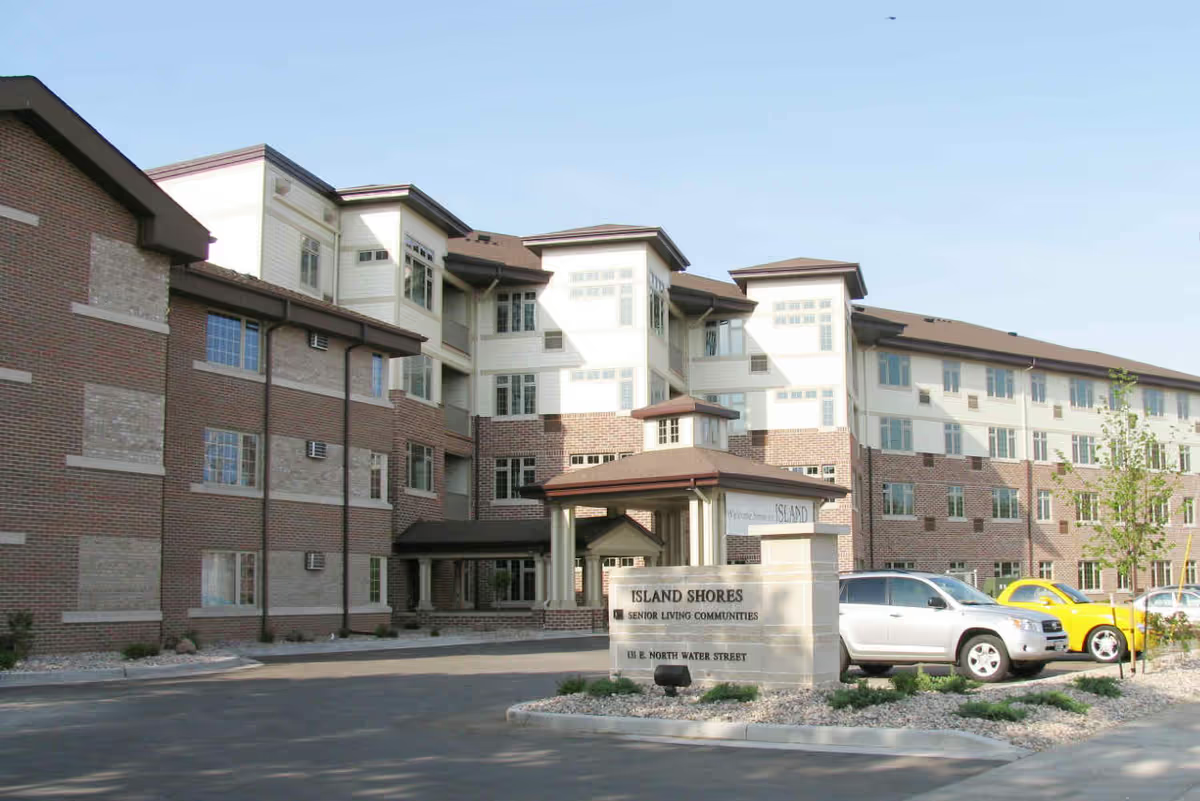
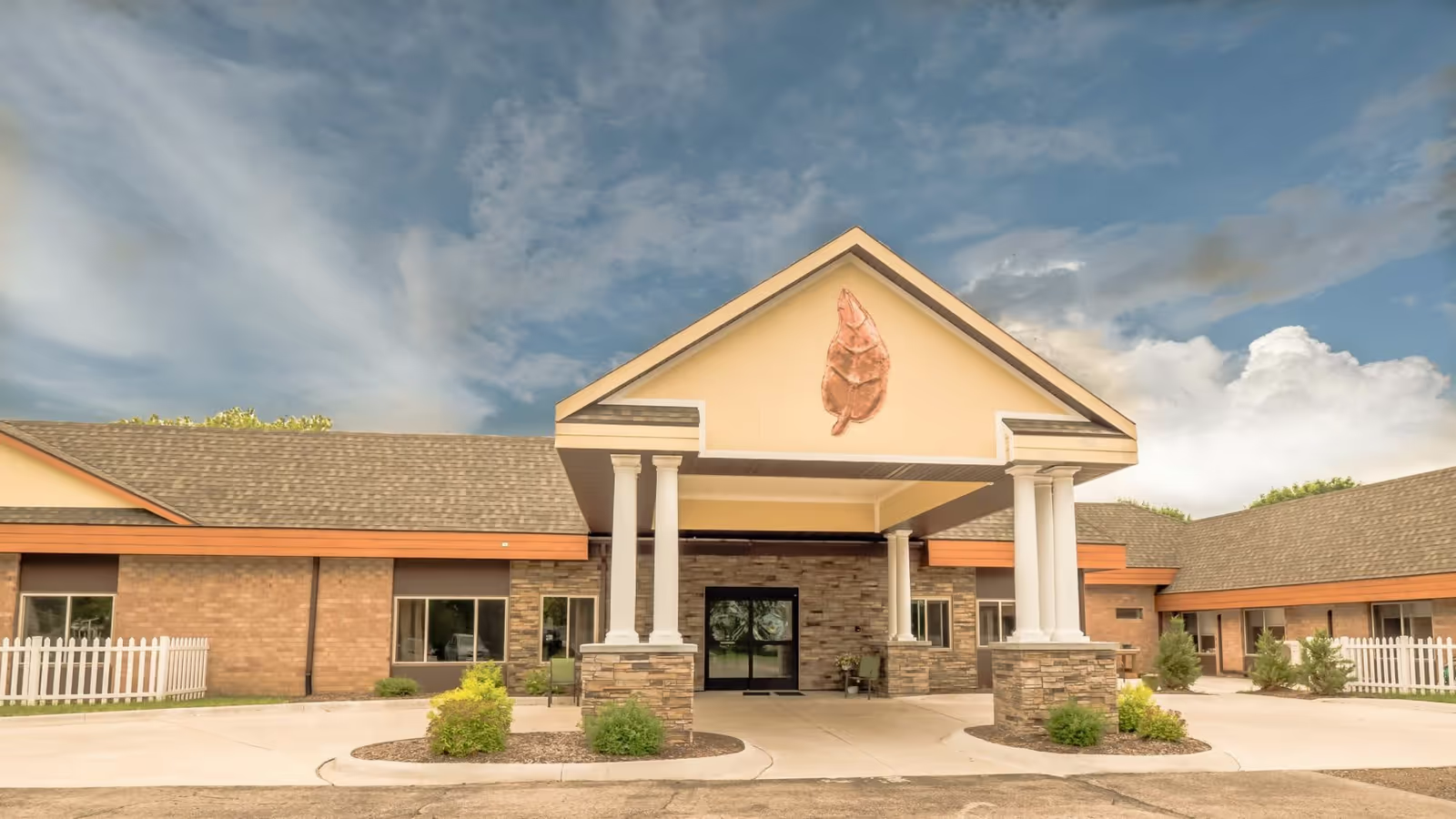
Reviews describe a facility with a generally attractive physical environment and direct-care employees who are frequently characterized as friendly and compassionate. Several families described a home-like atmosphere and positive short-term stays where staff interactions and bedside care met expectations. These positive impressions of the facility’s appearance and the demeanor of many frontline staff are a consistent strength.
At the same time, numerous operational concerns recur across accounts. Staffing levels are described as inadequate, producing an overworked caregiving team and apparent delays or inconsistencies in routine care. These staffing pressures are linked in several accounts to diminished activity programming, variability in attention to residents’ needs, and uneven overall care quality. While some families reported satisfactory or excellent care, others experienced outcomes they considered below expectation, creating a mixed picture of clinical consistency.
Dining and nutrition emerged as another area of concern. Reviewers noted limited menu variety, reliance on convenience-style items in some meals, and difficulties obtaining appropriate accommodations for special diets. Some families also perceived certain meal-service restrictions as overly limiting for resident preferences and comfort. These dining inconsistencies contribute to perceptions of reduced value for the cost of care.
Management and policy issues are prominent in the feedback. Many reviewers perceived management as prioritizing financial or administrative considerations over resident preferences, and reported poor communication around policy changes. Specific operational policies cited include restrictive visitation rules that appear tied to administrative or payment processes, and an emotional-support-animal (ESA) policy described as inflexible with inadequate advance notice of changes. These policy-related concerns have negatively affected family trust and satisfaction for some residents.
There is also mention of variability in staff conduct and occasional safety or comfort concerns; while frontline staff are often praised, the inconsistency in behavior or protocol adherence was a source of unease for some families. A small number of accounts raised concerns following a resident’s death; these are serious individual concerns that underscore the need for clear communication and family engagement during critical events.
In summary, Mayberry Manor of Oshkosh presents a mixed profile: a well-maintained, home-like facility with many direct-care staff who are perceived as kind and attentive, coupled with operational weaknesses that include understaffing, inconsistent care delivery, variable dining services, restrictive administrative policies, and management communication issues. Prospective residents and families should weigh the facility’s positive environment and staff rapport against these reported systemic concerns, and ask targeted questions about staffing ratios, special-diet handling, visitation and ESA policies, and how the facility notifies families of policy changes and handles significant clinical events.