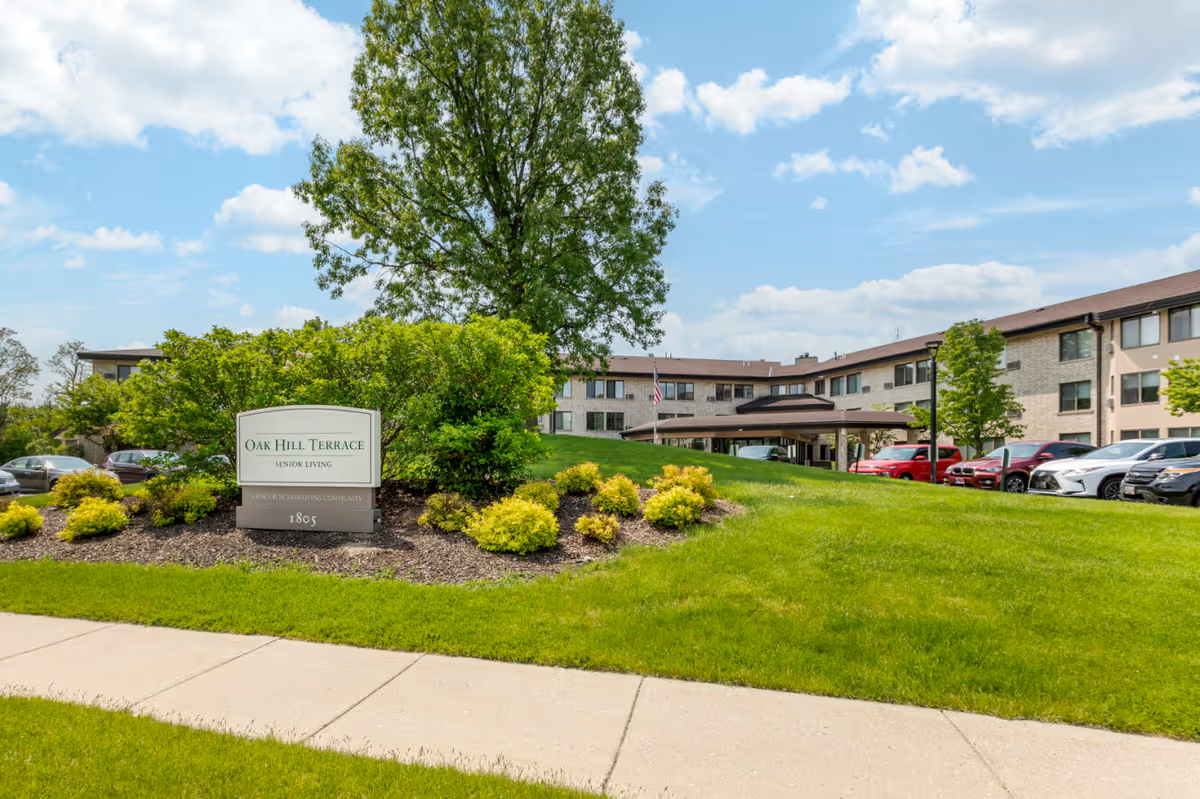
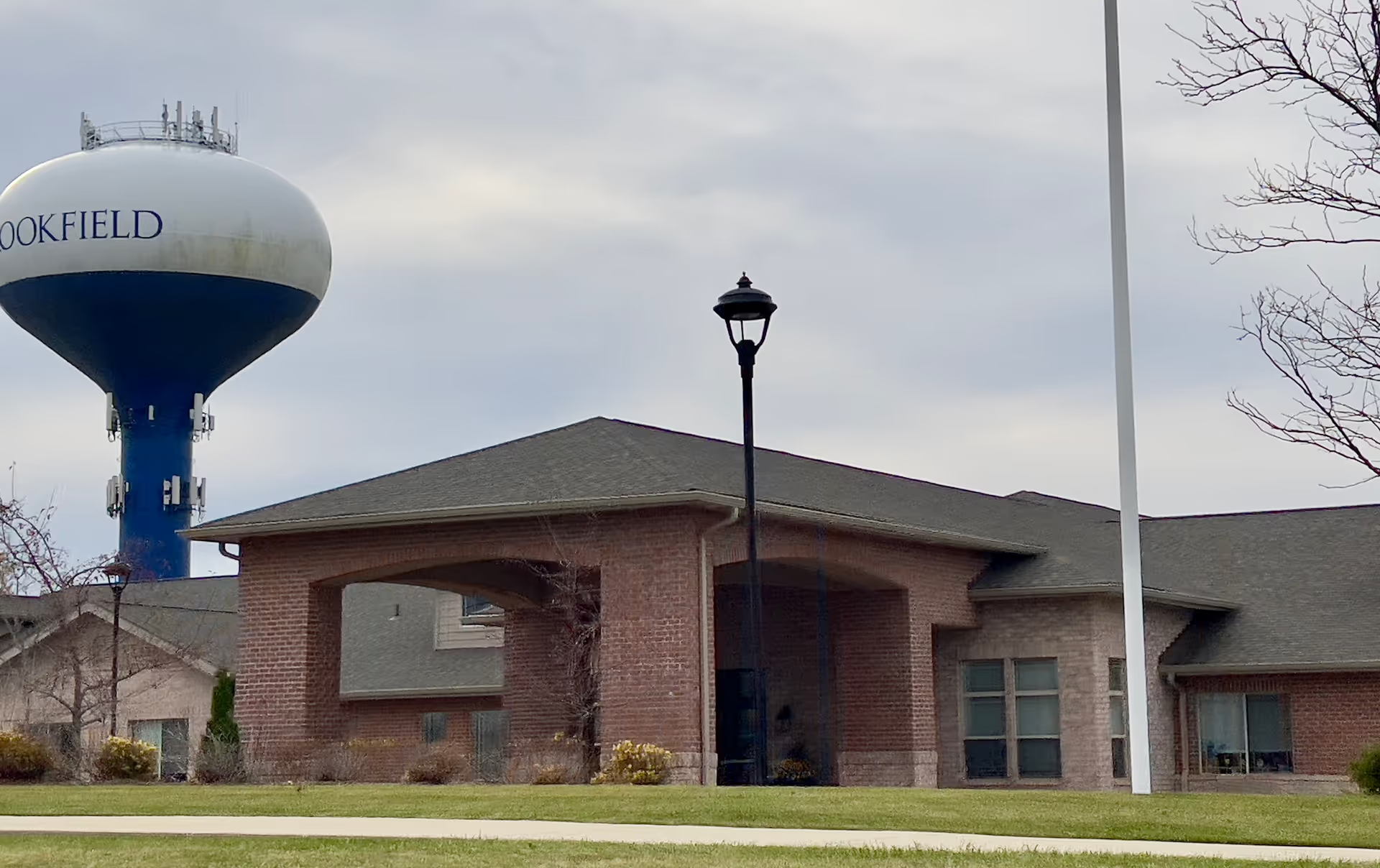
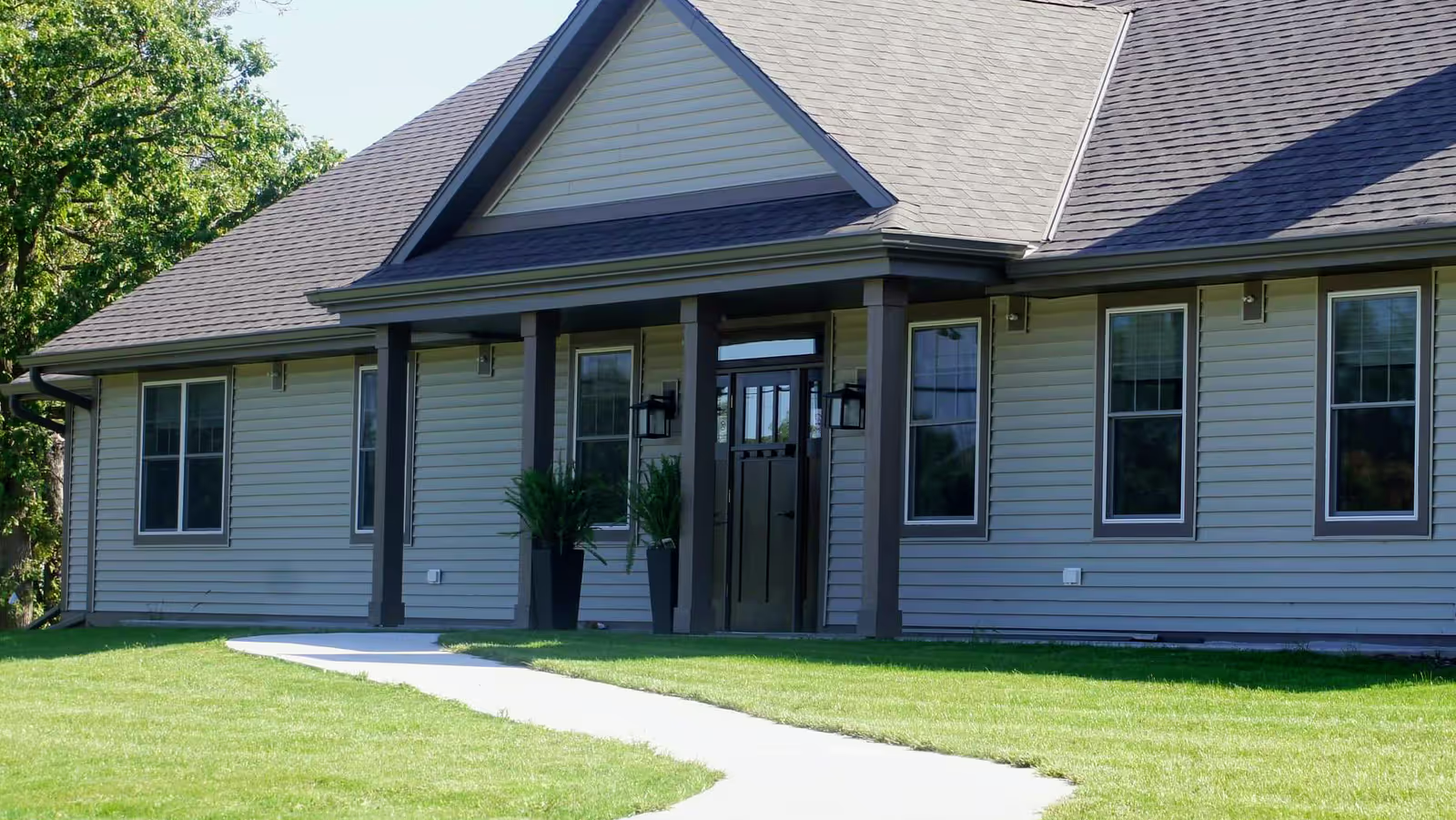
Overall impression: The Waters of Pewaukee presents as a new, well-appointed senior living community with strong emphasis on hospitality, clinical oversight, and social engagement. Families and residents consistently describe a bright, clean environment and apartments with modern finishes and in-unit conveniences. Administrative and maintenance responsiveness is cited frequently, and the leadership team is visible and actively involved in resident life.
Care and clinical services: Clinical quality is a recurring strength. Reviews highlight RN leadership, well-trained CNAs, and availability of on-site therapy services (PT/OT/speech). Reviewers cite timely clinical responses in acute events and coordinated care for memory-care residents, including infection-control measures during COVID and sensory-focused programming. Memory-care spaces are described as well-designed, with staff providing structured activities and social engagement.
Staff and culture: Staff are regularly characterized as compassionate, personable, and relationship-focused—taking time to learn residents and families, easing transitions, and contributing to a family-like atmosphere. This contributes to improved social life and frequent reports of residents settling in comfortably. At the same time, there are important concerns about workplace culture and interpersonal conduct: some accounts indicate management has not fully resolved staff-to-staff or staff-to-others conflicts. Those comments point to gaps in conflict-resolution processes and supervision that prospective families should consider and discuss during a tour.
Dining and activities: Dining is frequently praised for creativity, variety, and quality; special menus and themed meals are noted positively. There are occasional operational issues with availability of particularly popular dishes, which reviewers describe as runouts rather than sustained quality problems. Activity programming is comprehensive, ranging from in-house events and sensory arts to organized outings and inclusive activities for residents with mobility limitations; reviewers report these offerings enhance social connection and daily engagement.
Facilities and amenities: The physical plant is a clear asset—clean, bright common areas, well-appointed community rooms, underground parking, exercise spaces, and an emphasis on hotel-like finishes. Some reviewers mentioned finishing touches and construction-related work during early occupancy; this appears tied to the facility being newly opened rather than an ongoing facility-wide deficiency.
Management and notable patterns: Leadership visibility, clear communication, and prompt problem resolution are recurring positives. Conversely, cost concerns—specifically fee increases and the need for clearer pricing transparency—appear often enough to merit direct questions at move-in. Prospective residents and families should balance the facility’s strong clinical oversight, active programming, and modern living environment against localized concerns about staff-conduct oversight and occasional operational hiccups in dining and finishing work. A recommended next step for interested families is an in-person tour that includes conversation with clinical leadership about staffing and conflict-resolution policies, and with dining/operations staff about menu supply and fee structure.