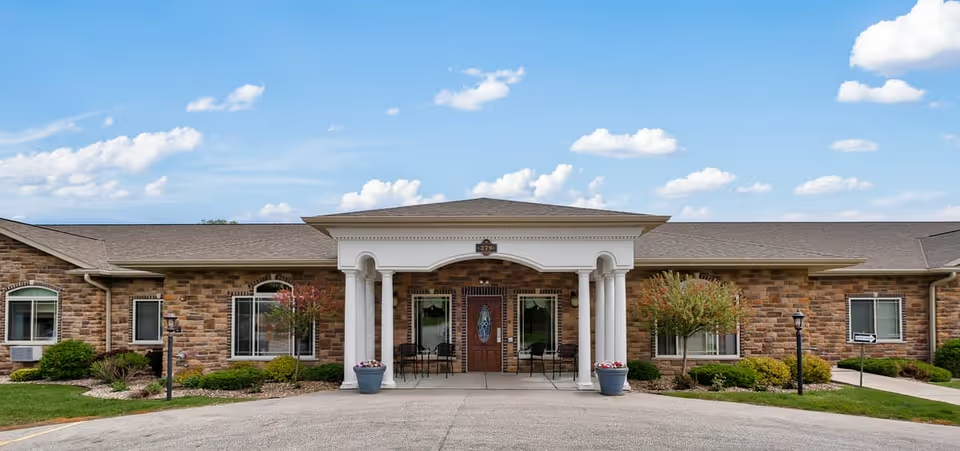
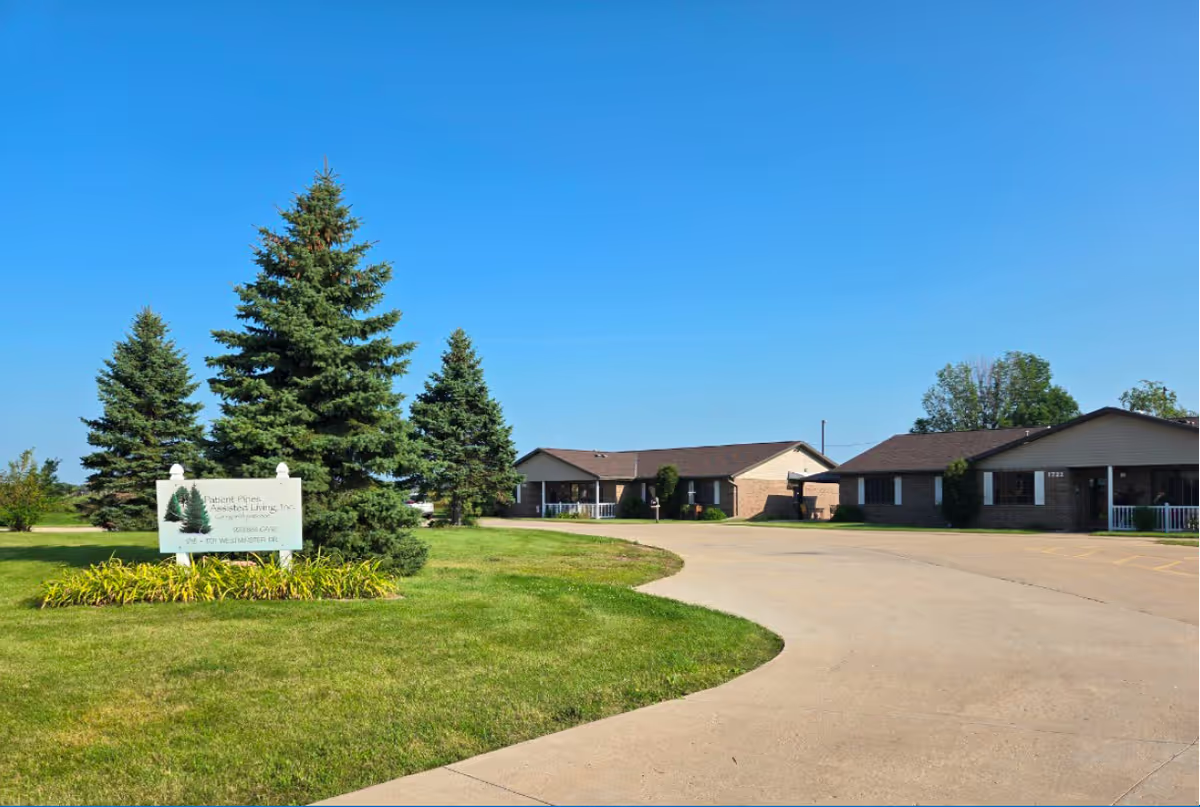
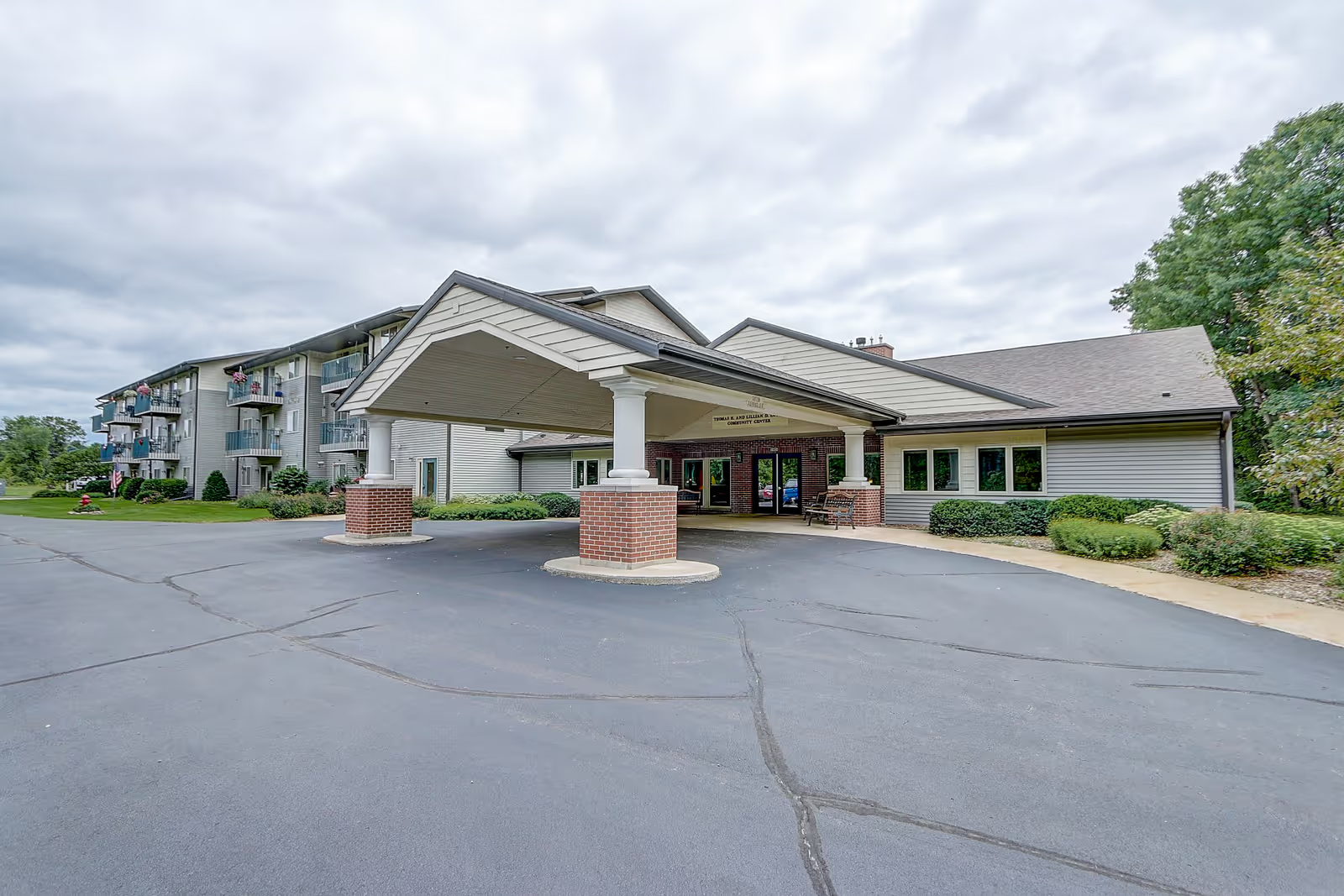
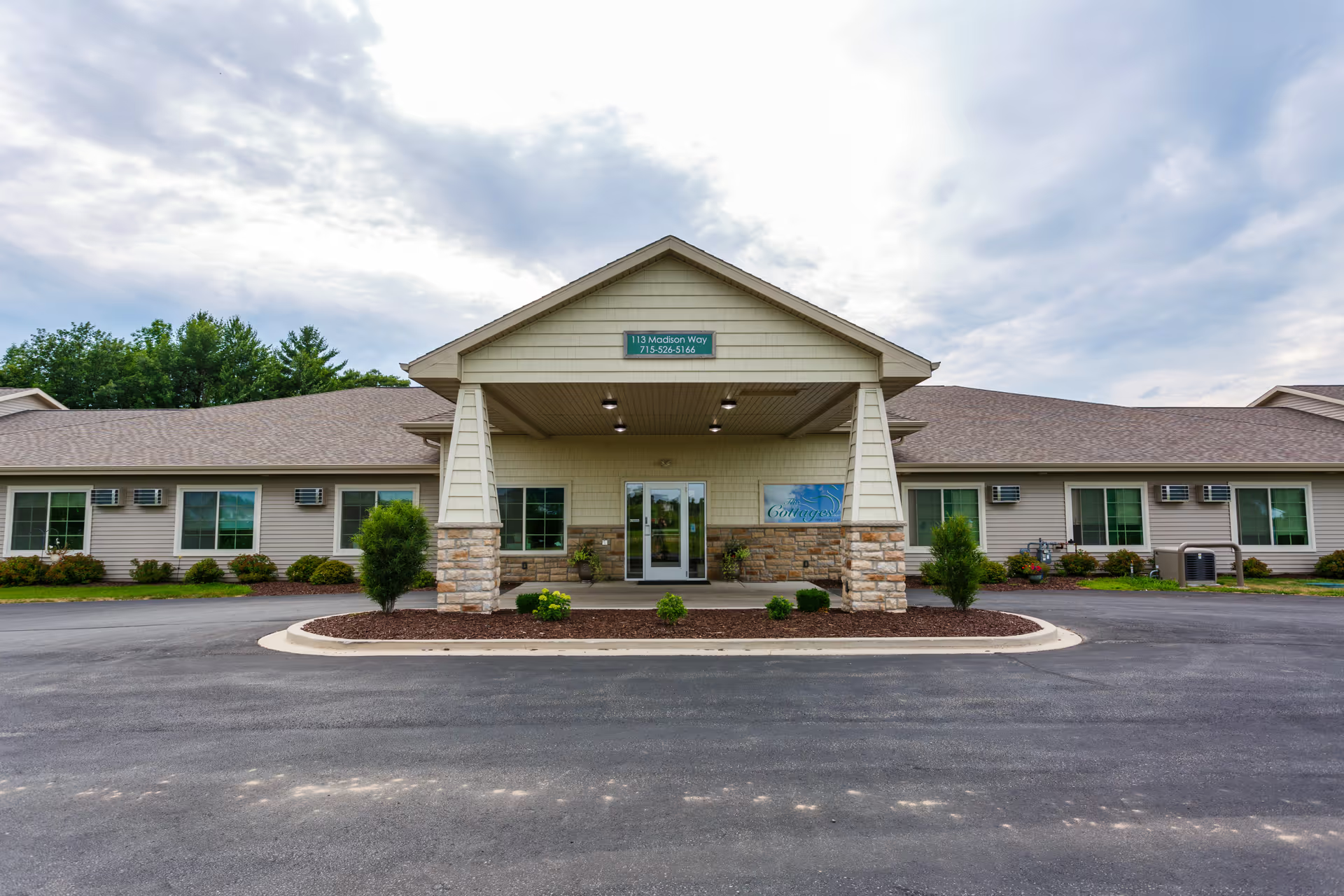
Reviews describe a facility with a well-maintained physical environment and clearly liked aspects of front-line caregiving, alongside significant operational concerns. Many families praise the cleanliness of the building, the condition of assisted-living units, and the friendly, helpful demeanor of many direct-care staff. Several reviewers note that some residents experienced measurable health or wellbeing improvement after transfer to this location, and recent nursing hires were described as a positive influence.
Care-quality impressions are mixed. Positive comments emphasize attentive daily caregiving and reliable hands-on support, while critical comments raise concerns about the facility's ability to safely manage residents with ambulatory dementia. Multiple accounts point to gaps in monitoring and wander-prevention practices and to variability in clinical-care consistency. There is at least one allegation of poor conduct by administrative clinical staff; while this appears to be an isolated but serious claim, it contributes to an overall perception of uneven care oversight and communication around clinical incidents.
Staffing and communication present a clear divide in experiences. Front-line caregivers are often described as friendly and helpful, but reviewers frequently criticize administrative interactions — particularly in family communications, bedside manner, and responsiveness to billing or care questions. Several families reported difficulty obtaining clear answers about billing and care services, and some described dismissive communication when they sought clarification. These patterns suggest gaps in administrative responsiveness and family-facing communication protocols.
Dining and activities elicit mixed feedback. Some residents and family members find the meals acceptable and appreciate regular meal service, whereas others describe inconsistent food quality. Activity-level impressions range from “boring” to “very home-like,” indicating variability in programming or differences in individual expectations. Prospective residents should ask for current activity schedules to judge fit.
Infection-control and safety practices were another recurring concern. Reviewers noted instances of inconsistent mask use and described an infection-transmission event that raised questions about the facility’s infection-prevention measures. These observations, together with the monitoring gaps already mentioned, indicate areas where policy adherence and staff training could be strengthened.
In sum, Country Villa Assisted Living - Pulaski presents a contrast between a well-kept facility with personable caregiving staff and several operational weaknesses that matter to families considering placement. Key decision points for prospective residents and families are the level of dementia-specific care required, expectations for administrative communication and billing transparency, and tolerance for variability in dining and activity programming. Visiting in person, speaking with both administrative and direct-care staff, reviewing current infection-control and monitoring protocols, and asking for references from families of residents with similar care needs would help clarify whether this facility is an appropriate match.