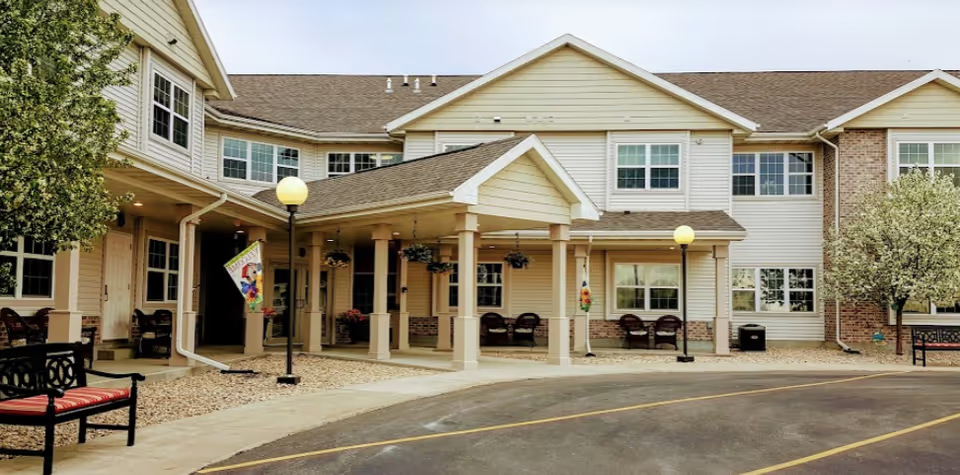
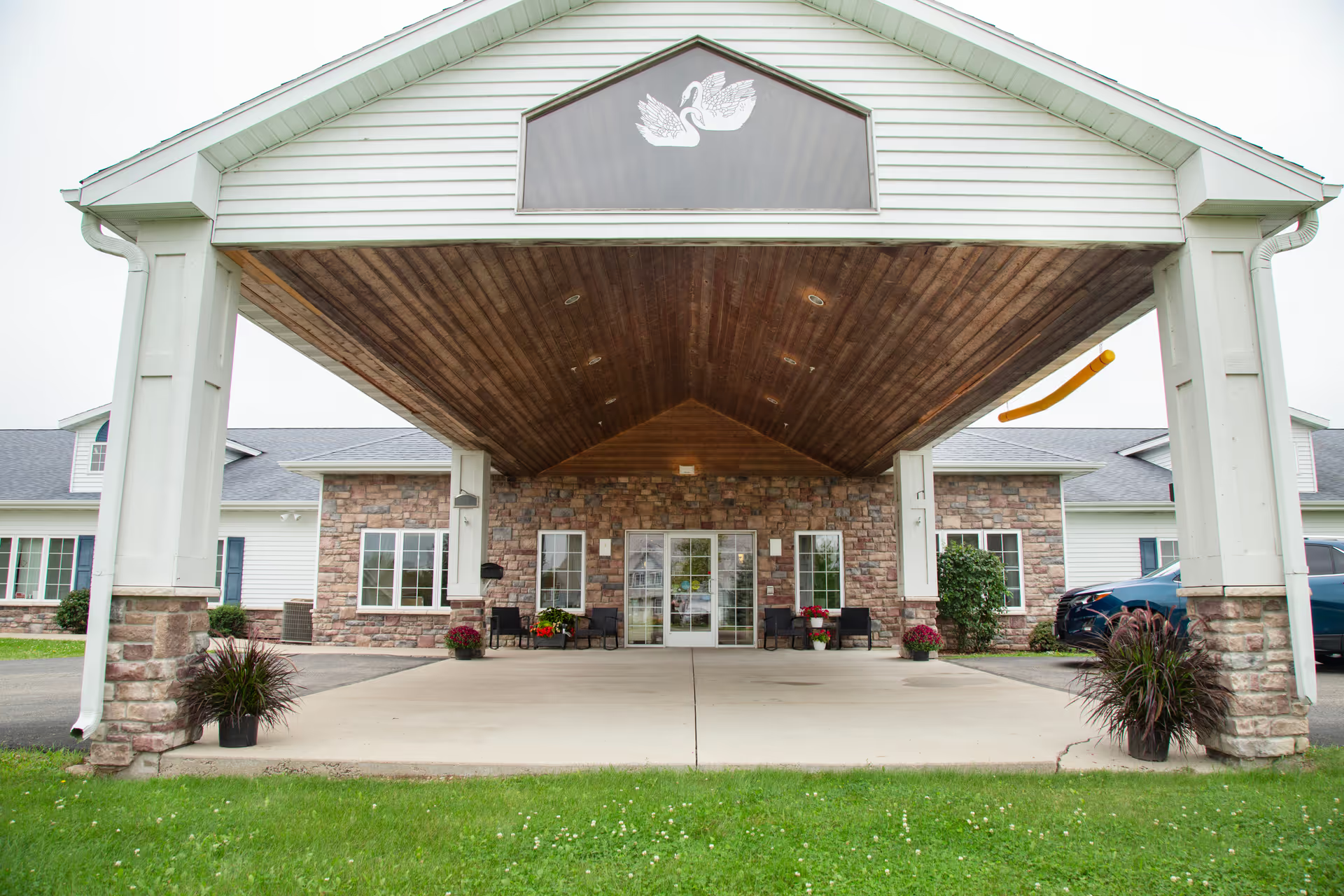
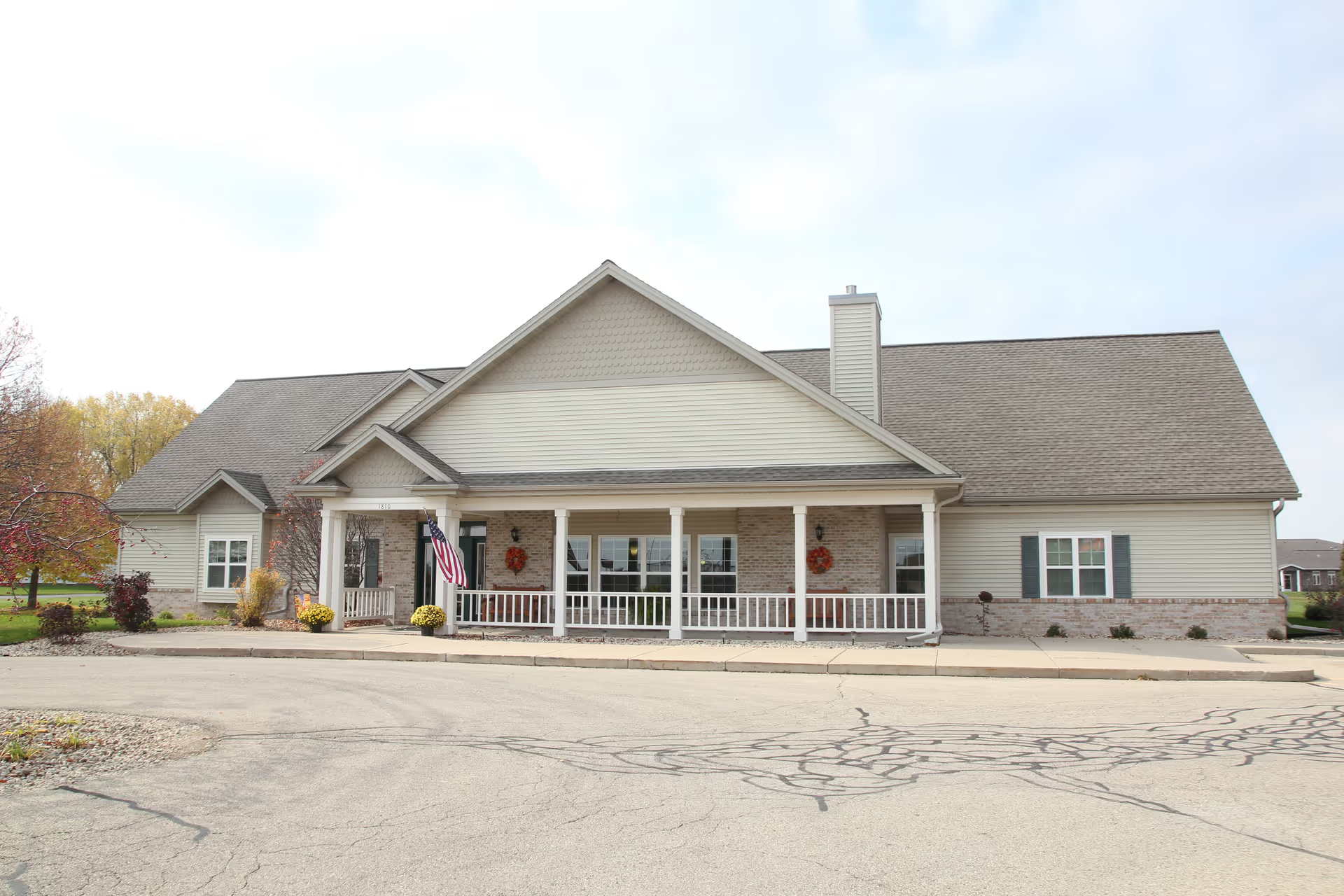
Overall impression: Reviews collectively describe Randolph Health Services as a small, rural provider that delivers generally compassionate, recovery-focused care with a warm and welcoming atmosphere. Families and residents commonly praise CNAs, nurses, and administrative staff for attentive, above-and-beyond assistance, and many highlight the individualized attention that comes from the facility's smaller assisted-living unit. The facility is frequently characterized as clean, value-oriented, and appropriate for residents who will benefit from a quieter, rural setting.
Care quality and staffing: Clinical care is commonly described as a strength — strong CNA and nursing support, attentive daily care, and dignified end-of-life attention are recurring positives. At the same time, there are indications of variability in staff conduct and responsiveness; a small number of accounts raise concerns about the tone or timeliness of care. One specific operational area of concern that appears in the feedback is catheter-management and related incontinence-care practices. These comments suggest prospective families should ask about clinical protocols, staff training, and monitoring processes during tours.
Dining and activities: Activity programming is repeatedly noted as engaging and well run, with organized events that contribute to resident satisfaction. Dining quality is described positively in several accounts, and improvements to communication about meals and services are mentioned. The combination of active programming and acceptable food service appears to support residents’ recovery and quality of life.
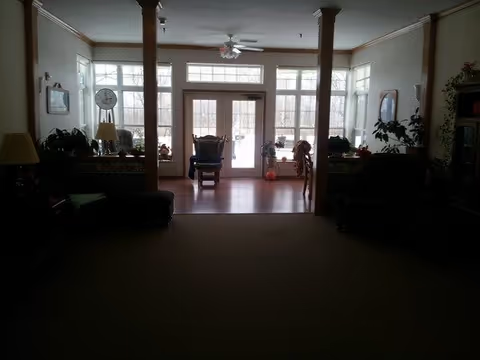
Facilities and management: The facility is described as clean and well maintained, and management is generally seen as supportive and responsive, contributing to a family-friendly environment. The assisted-living section's small size is viewed as a double-edged feature: it enables personalized attention but also means limited capacity and smaller resident rooms. Prospective residents should weigh the benefits of individualized care against the constraints of room size and availability.
Notable patterns and recommendation: The dominant pattern in the feedback is positive — caring staff, good clinical care, engaging activities, and a value proposition that many families recommend. However, variability in staff responsiveness and explicit concerns about catheter/incontinence management are notable counterpoints. Prospective residents and families would be well advised to tour the facility, observe care interactions across shifts, ask about catheter and incontinence protocols, review staffing patterns, and confirm room dimensions and availability before making a placement decision.