Overall impression: Reviews portray Maplewood of Sauk Prairie as a facility with strong clinical and rehabilitative strengths alongside several operational weaknesses that have affected some families. The dominant themes are consistent praise for clinical staff and therapy outcomes, a lively activities program, and a clean, well-maintained building; recurring operational concerns center on staffing consistency, communication and billing coordination, dining variability, and personal‑item security.
Care and staff: Many accounts emphasize knowledgeable, compassionate nurses, therapists, and CNAs who provide attentive, encouraging care and emotional support. Physical and occupational therapists are repeatedly credited with helping patients reach functional goals and discharge home independently. At the same time, reviewers indicate variability in day-to-day staffing and mention higher-than-desired frontline turnover; these staffing inconsistencies appear to contribute to occasional delays in responsiveness, uneven mealtime assistance, and variability in resident experience. A number of comments also describe concerns about staff tone or conduct, which prospective families may wish to explore during a visit.
Rehabilitation: The rehabilitation program is a frequently cited strength—organized schedules, twice-daily therapy opportunities, and good equipment (bikes, parallel bars) produced measurable gains for many residents. Staff coordination with surgeons and outside providers was noted as effective. However, there are reports of inconsistent therapy delivery at times (for example, skipped sessions when residents are fatigued or sleeping), so asking about therapy adherence and typical session patterns is advisable.
Dining and activities: The facility offers hot meals with multiple entrées, twice-daily snacks, and an active calendar of social programming that includes games, music, and group events; reviewers often praised kitchen and activity staff. That said, perceptions of food quality vary—some describe meals as excellent while others find them mediocre—and there are occasional notes about the dining environment. Activity engagement and dementia support programming are positive differentiators cited by families.
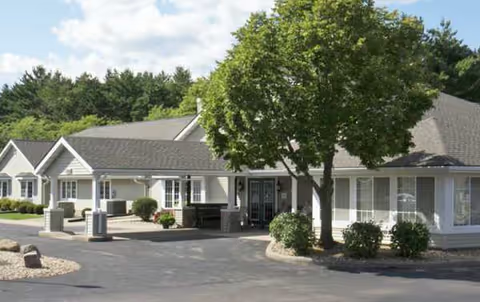
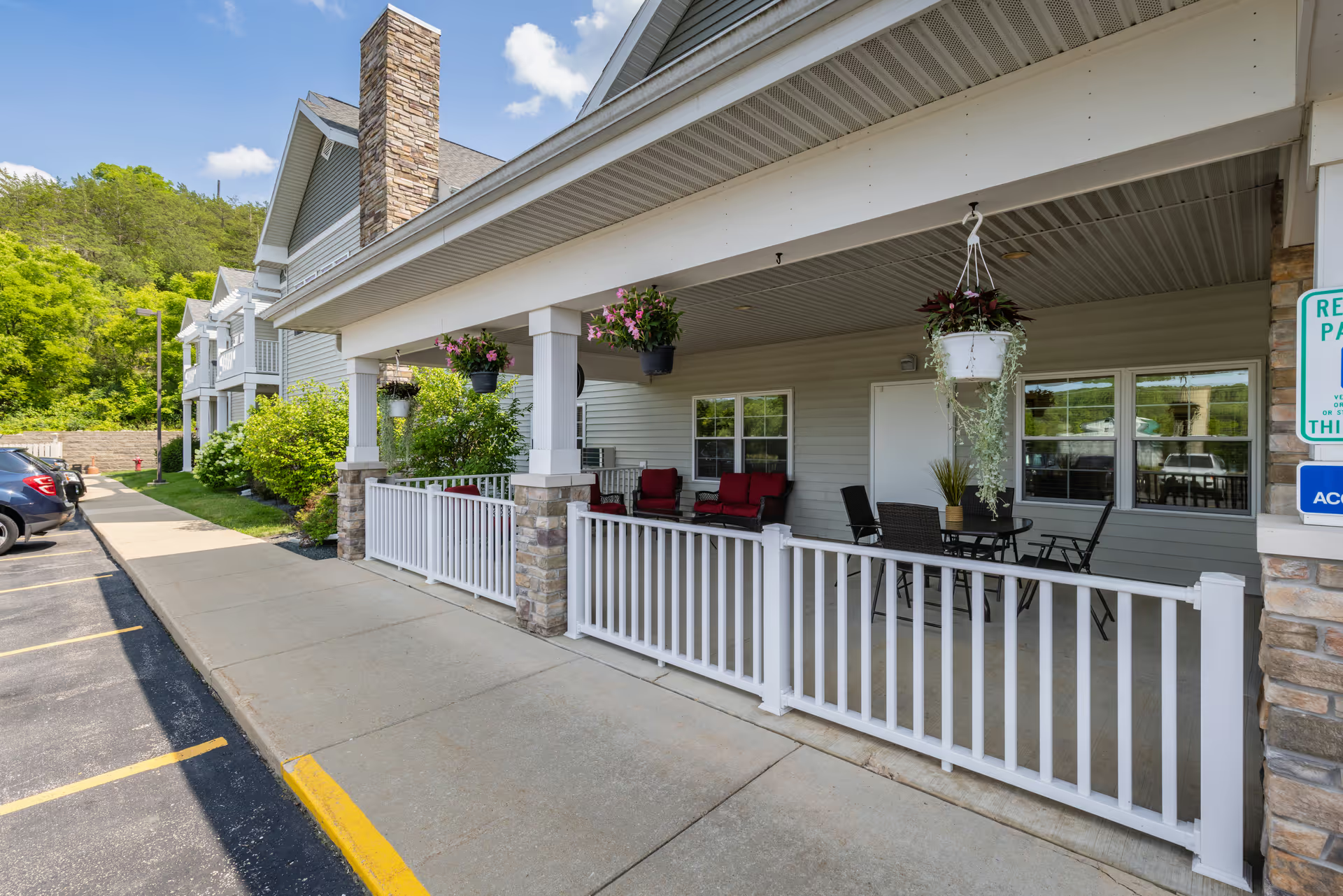
Facilities, infection control, and logistics: The physical environment is described as clean and recently renovated in parts, with private rooms available and a generally welcoming atmosphere. Infection-control measures have been strict, including isolation procedures during outbreaks and proactive vaccination efforts. Administrative staff are often characterized as helpful in arranging transportation and discharge logistics. Areas for improvement include clearer coordination between social services and billing, more transparent valuables-safekeeping procedures (there are isolated allegations of missing items), and more flexible visitation approaches during infection-control events.
Bottom line for prospective residents and families: Maplewood demonstrates strong clinical and rehabilitation capabilities with many staff praised for compassion and skill. When evaluating the facility, consider discussing staffing ratios and turnover, therapy scheduling consistency, dining options and mealtime assistance processes, valuables policies, and how social services and billing interact. These targeted questions can help families weigh the facility's clear clinical strengths against the operational issues raised by some reviewers.