The reviews present a mixed but thematically consistent picture: the facility appears to have substantive strengths around rehabilitation services and individual caregivers, alongside operational weaknesses that affect day-to-day reliability and family confidence. Many reviewers praised the therapy focus and described rehab staff as knowledgeable and effective; several families credited the team with enabling recovery and working toward discharge goals. Positive comments also highlighted helpful coordination with VA case staff, social interaction at mealtimes, and improvements in dining-area ambience on certain units.
Care quality shows two distinct patterns. On the one hand, rehabilitation and recovery-oriented care are repeatedly described as strong, with many residents making measurable progress and staff assisting with return-to-home plans. On the other hand, there are repeated concerns about timely clinical responsiveness: slow responses to call lights, variability in how CNAs perform basic tasks, and examples cited of delayed attention during acute symptoms and delayed medication administration. Families also described inconsistent handling of diabetes-related meal needs; these instances prompted serious concern about clinical oversight and protocol adherence.
Staff and conduct are uneven. Multiple reviews note compassionate, attentive nurses and aides who made a positive difference for individual residents; those staff members are highlighted as reasons relatives felt grateful. Simultaneously, other reviews describe unprofessional or dismissive interactions, poor follow-through on requests, and staff shortages that appear to reduce continuity of care. This variability suggests staffing instability or uneven training and supervision rather than uniform facility culture.
Dining and activities are strengths in many accounts. Social mealtimes, acceptable menu options, and a bright dining area in some units were appreciated by residents and families. Occupational-therapy or activity sessions drew mixed reactions — some residents valued them, while others experienced misunderstandings about goals and perceived limited benefit. Overall, the facility provides opportunities for social engagement and therapy but may need clearer communication about activity objectives.
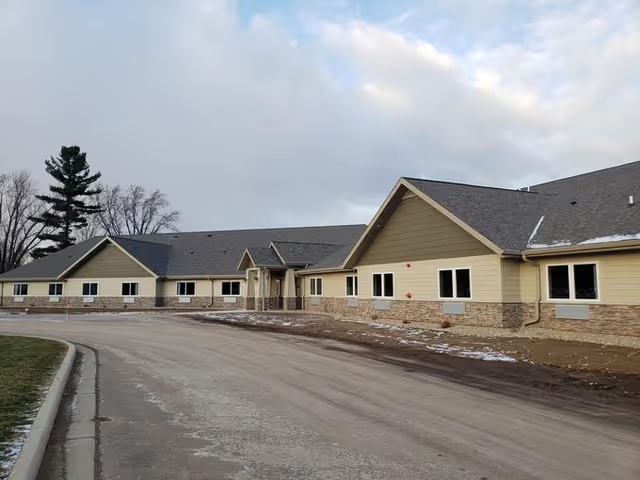
Facility condition and management present a mixed picture. Several reviewers described areas with cleanliness or odor concerns, while others reported improvements and clean, well-kept units. Room arrangements are an operational limitation: shared rooms and shared bathrooms are present and were a source of dissatisfaction for those seeking private accommodations. Reviewers also raised issues about unclear billing practices and inconsistent communication from administration. Taken together, these items point to administrative and transparency challenges that families should clarify before admission.
Notable patterns to consider: strong rehabilitation capacity and individual compassionate staff members coexist with systemic operational weaknesses — inconsistent staffing, slow responsiveness to call lights and emergent symptoms, variability in CNA competence, and administrative communication gaps. Prospective residents and families would benefit from a focused tour that asks specifically about nurse-to-resident ratios, emergency-response protocols, diabetic-meal processes, private-room availability, and billing itemization. Follow-up questions about staff turnover and recent quality-improvement actions may help clarify whether the operational issues described have been addressed.