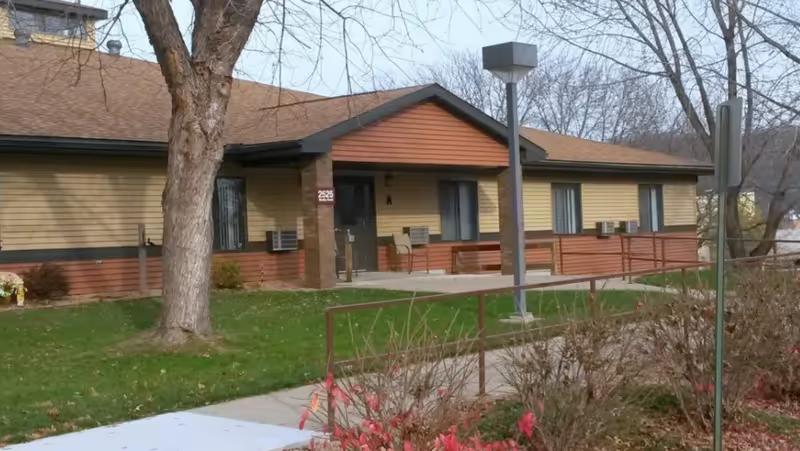
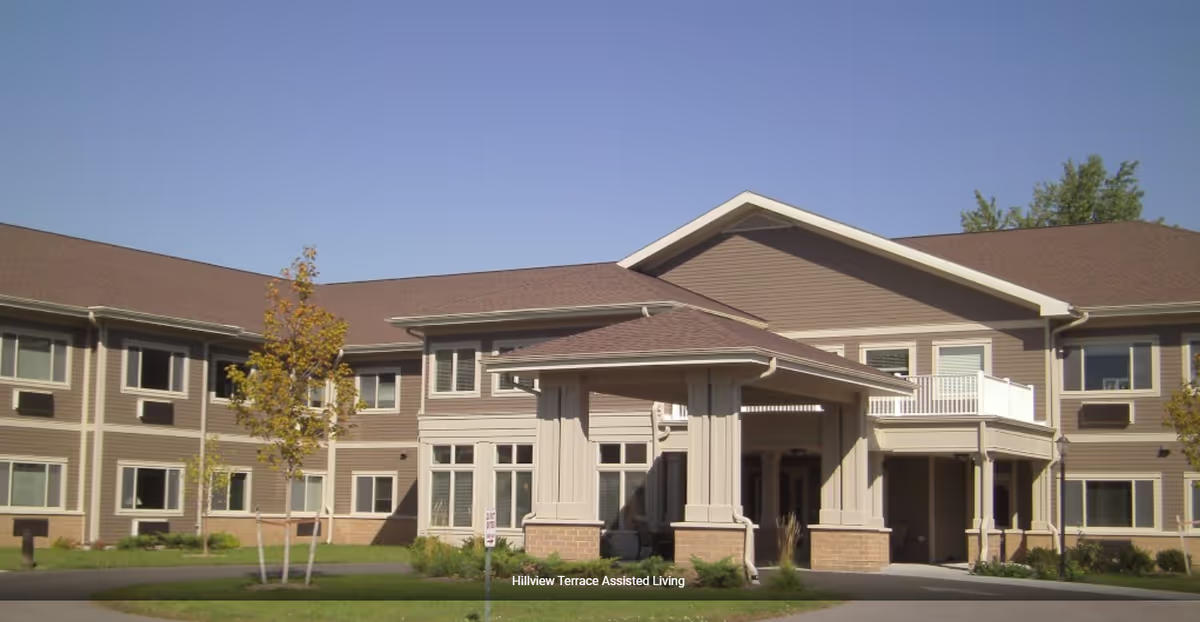
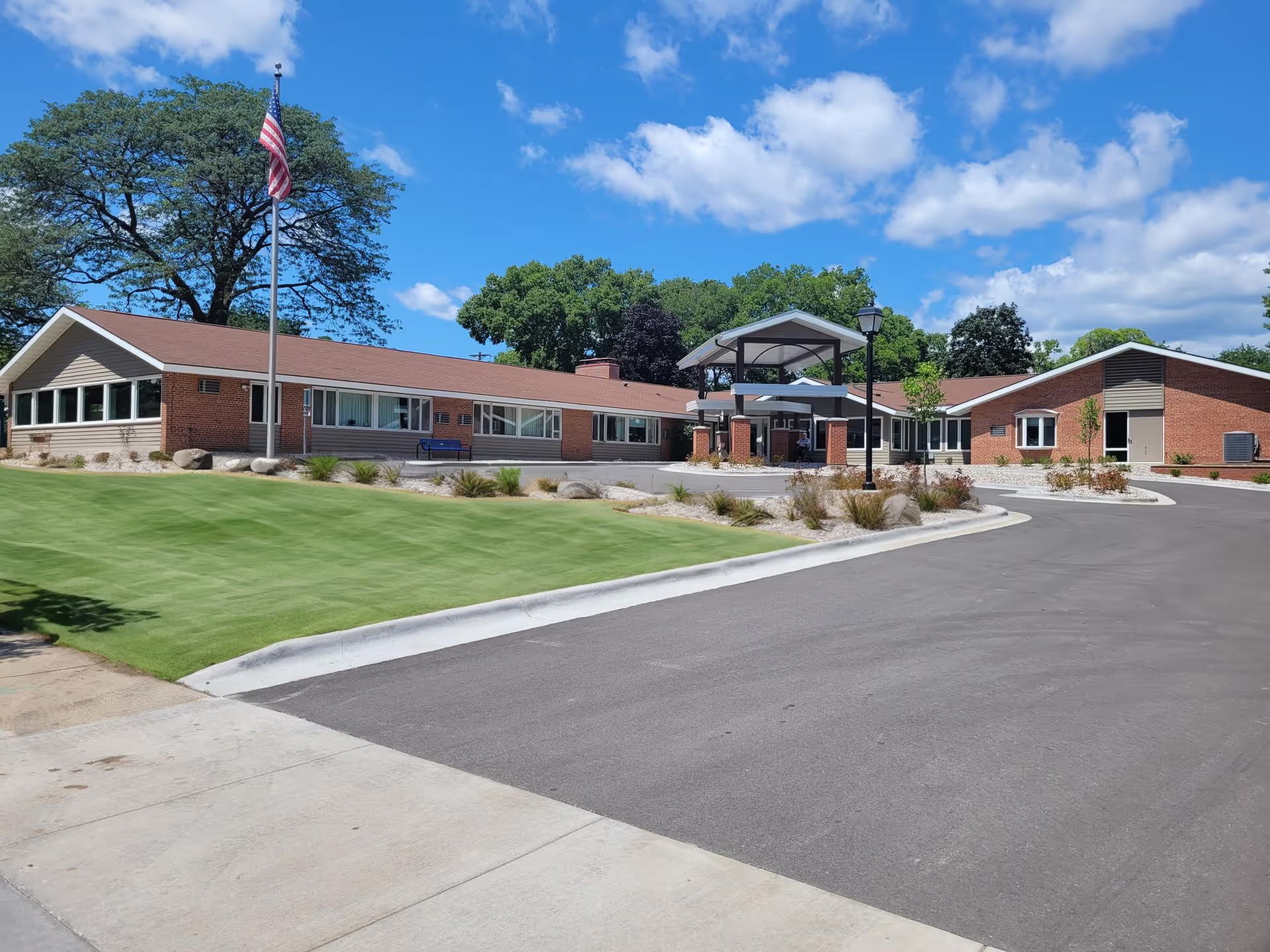
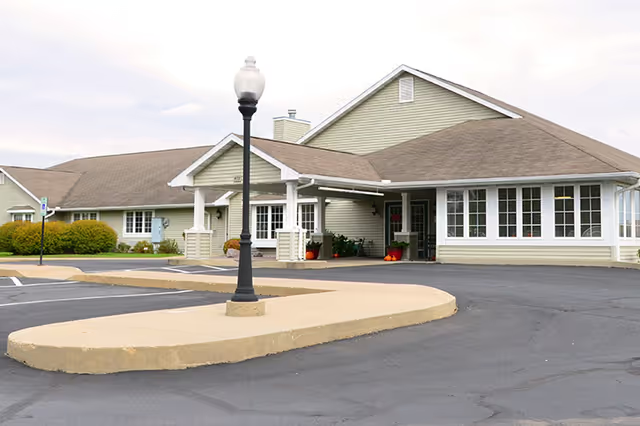
Reviews for Soldiers Grove Health Services present a mixed picture that centers on strong direct-care relationships alongside serious operational concerns. A number of reviewers described staff as friendly, compassionate, and attentive; these comments portray a workforce that can provide positive, family-oriented personal care and supportive interactions. Multiple reviewers characterized clinical care as good to excellent in their experiences, emphasizing individualized attention and a family-focused approach.
Contrasting with those positive impressions, at least one reviewer raised a serious allegation regarding withholding of nutrition and hydration tied to a resident death, and other comments implied lapses in day-to-day responsiveness. These accounts suggest potential weaknesses in how the facility manages timely mealtime assistance and immediate caregiving needs. Taken together, the material indicates variability in care experience: some families report high-quality attention, while others report concerning delays and communication gaps.
On dining, the available commentary is limited but indicates two distinct themes: praise for staffed, attentive care in many cases, and specific concerns about timely provision of nutrition and hydration in at least one case. Prospective families should ask about mealtime assistance procedures, staffing coverage during meal periods, and documentation of feeding and hydration support.
There was little specific information about activities or the physical plant in the supplied summaries. Reviewers focused primarily on frontline caregiving and outcomes, so activity programming, amenities, and building condition were largely unreported. When these areas are important to a decision, visitors should request current activity schedules, tour common areas during program hours, and ask for recent maintenance and infection-control records.
Management and communication emerge as themes requiring attention. The mix of strong positive staff interactions and isolated but serious complaints points to potential inconsistency in protocol adherence, incident response, and family communication. Families might consider asking the facility about staffing ratios, training on feeding and monitoring, incident-reporting procedures, notification protocols for clinical changes, and how end-of-life care is coordinated and communicated.
Notable patterns: strong praise for the staff’s demeanor and personal-care quality coexists with at least one severe allegation and other reports implying delays in attending to residents’ basic needs. This contrast suggests variable execution of care processes rather than uniformly high or low performance. For decision-making, balance the positive testimonials about staff compassion and family focus against the operational concerns by verifying policies, observing care during a visit, and requesting documentation about staffing, mealtime support, and incident-response practices.