Waterford Place elicits strongly mixed impressions. Many families praise the staff as warm, compassionate and resident-centered: reviewers describe caregivers who learn residents’ names, provide hands-on assistance, and offer flexible meeting times for families. Several accounts emphasize a smooth transition experience, with staff who provide paperwork help, frequent communication, and individualized medication oversight and fall-risk attention. The dining program is frequently described as high quality with flexible options, and the activity calendar—games, movies, group events—receives repeated positive mention for engagement and attendance.
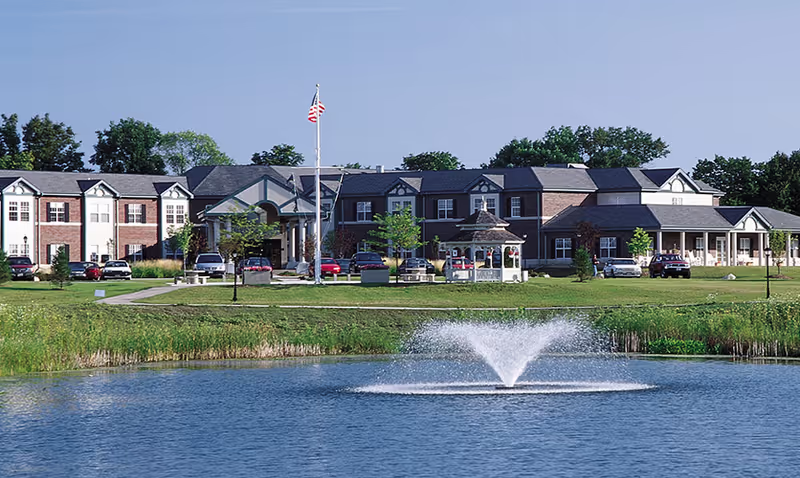
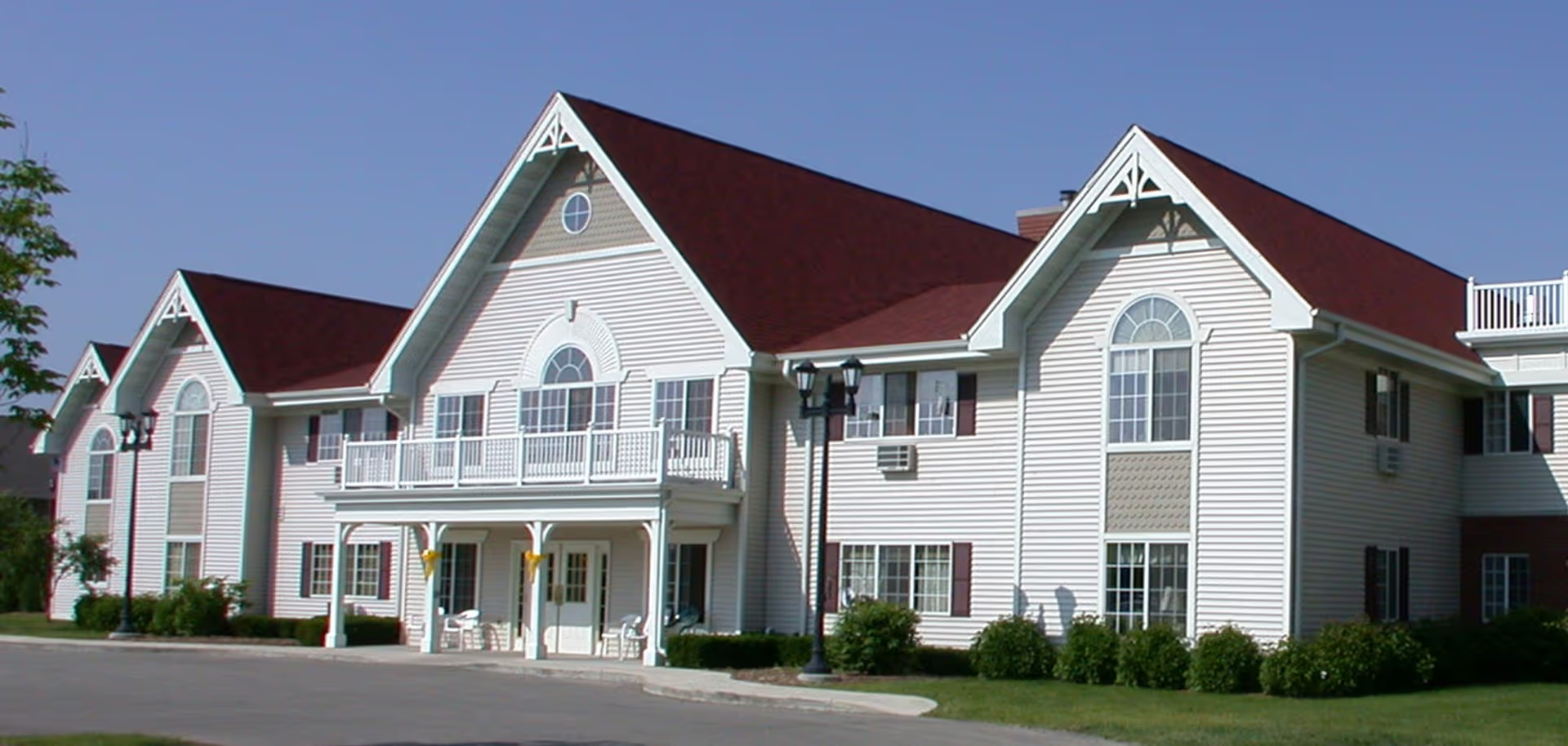
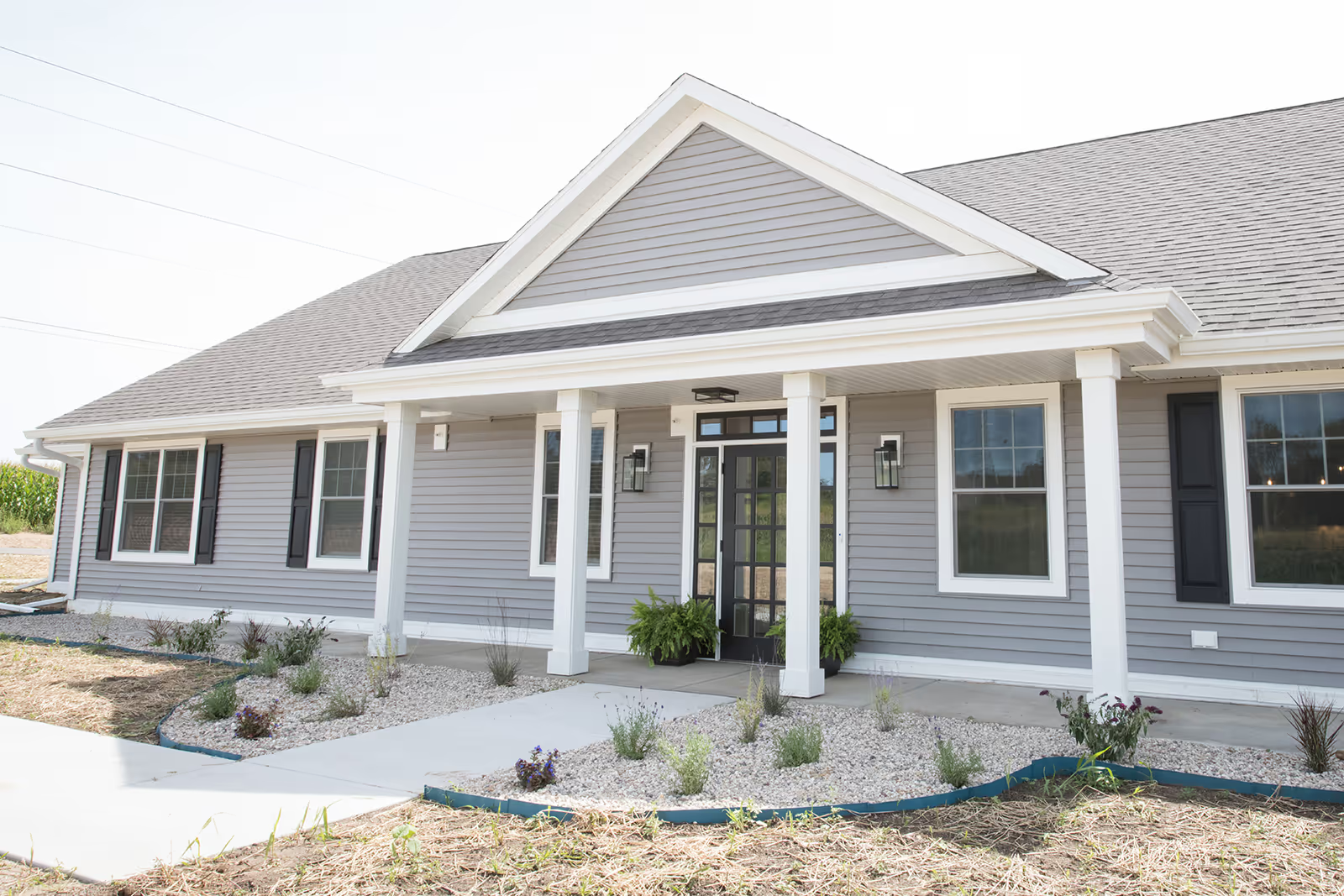
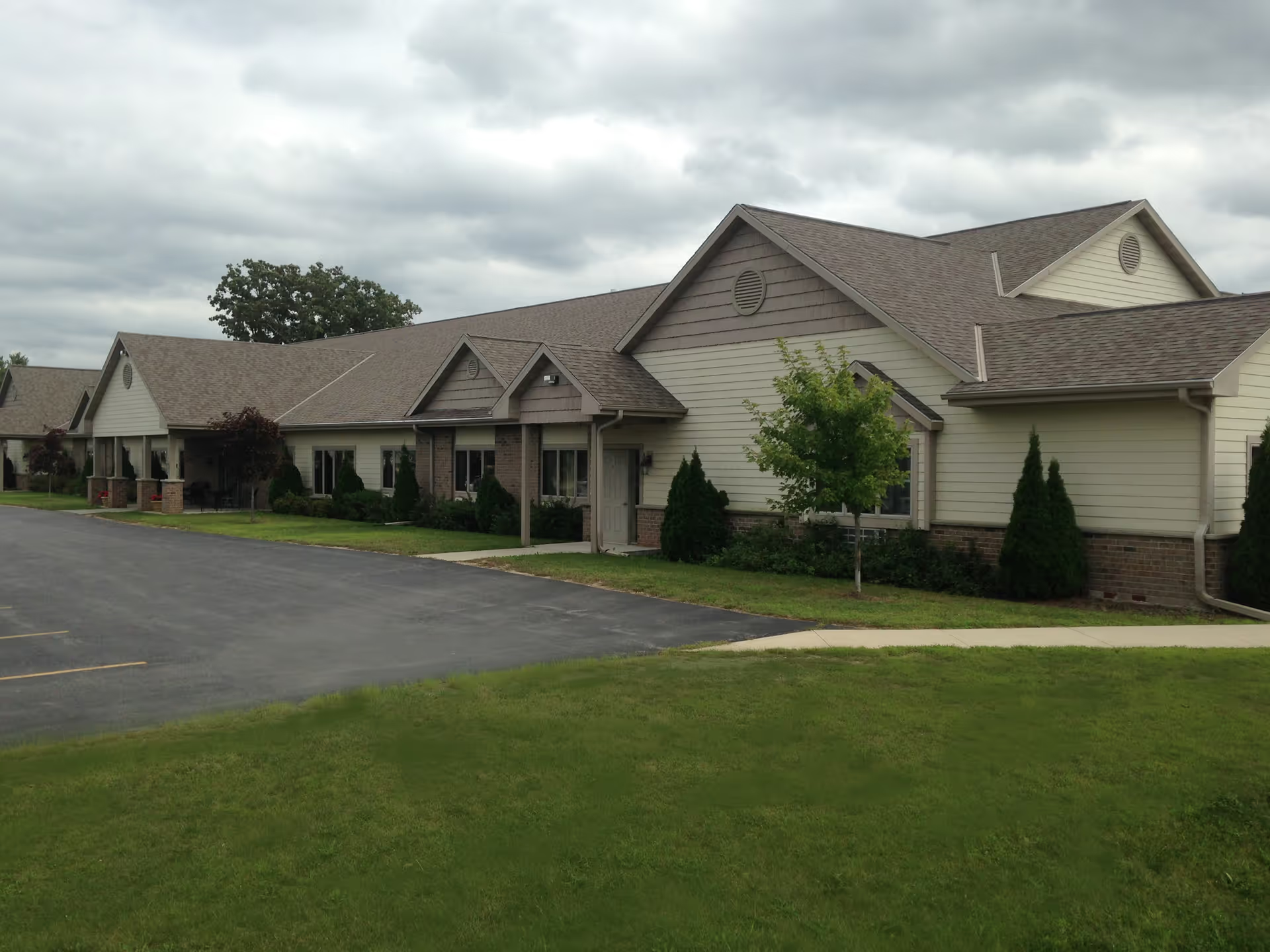
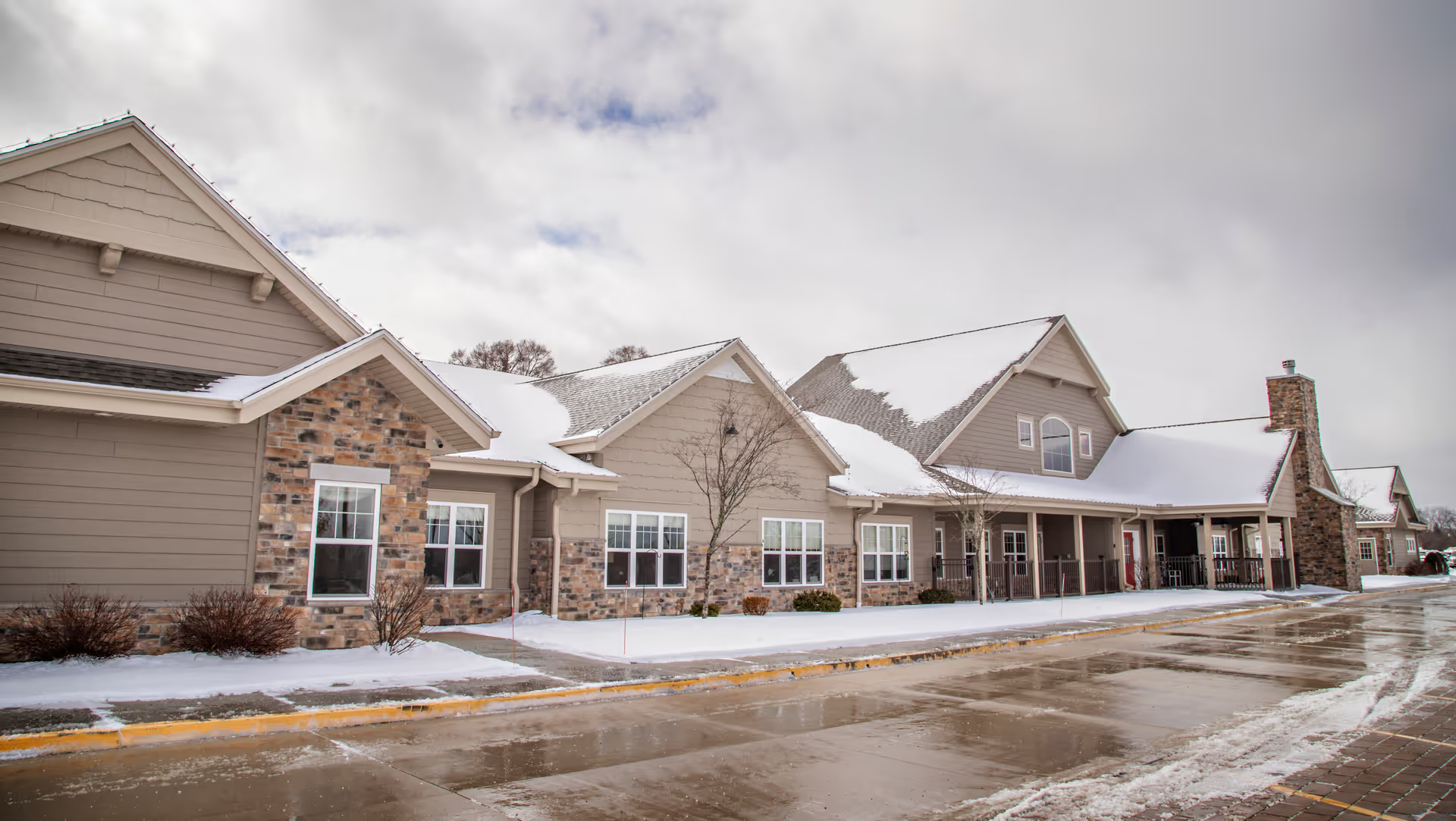
The physical environment is consistently noted as a strength. Waterford Place is described as a modern, attractive, and bright facility with pleasant indoor sitting areas, garden views, and a brand-new memory-care unit. Housekeeping engagement and general cleanliness are positive selling points for many families. At the same time, there is variability in unit-level details: room sizes and in-room amenities differ across the community, and some reviewers observed smaller rooms or the absence of kitchen-style appliances in certain units.
Care and clinical staffing show both strengths and limitations. Positive observations include attentive daily care, appropriate medication management for some residents, and a responsive nursing presence during daytime hours. Offsetting those strengths are recurring operational concerns: several reviewers noted light staffing levels, especially on second and third shifts, and limited overnight clinical coverage. These staffing patterns can translate into inconsistent personal-care routines, delays in responsiveness, and uneven attention to hygiene tasks for some residents.
Staff culture and management impressions are inconsistent. Many families report a family-like atmosphere with smiling, professional staff and hands-on managers who attend to questions after hours. Conversely, other reviewers describe instances of disorganization, perceived poor work ethic among staff, and concerns about staff conduct and communication tone. A small number of reviews make serious claims about the authenticity of online endorsements; these allegations affect external perception and merit verification during a visit.
Activity programming and social life are notable positives, with frequent references to robust participation, varied programming, and a pleasant social environment that helped residents make friends. However, a facility-level risk is lower census in a relatively large building; when occupancy is low this can result in fewer peer interactions and potential loneliness for some residents.
For prospective residents and families: Waterford Place offers many assets—newer physical plant, active programming, family-oriented staff, and an available memory-care unit—but the community appears to exhibit variability in operational consistency. Decision-makers should schedule an on-site visit at different times of day (including evenings), ask for current staffing ratios and overnight clinical coverage, review recent inspection records, observe mealtime and activity participation, and confirm room dimensions and amenities. Asking for references from current families and clarifying the facility’s protocols for personal-care plans and staffing contingencies will help assess whether the community’s strengths align with an individual’s clinical and social needs.