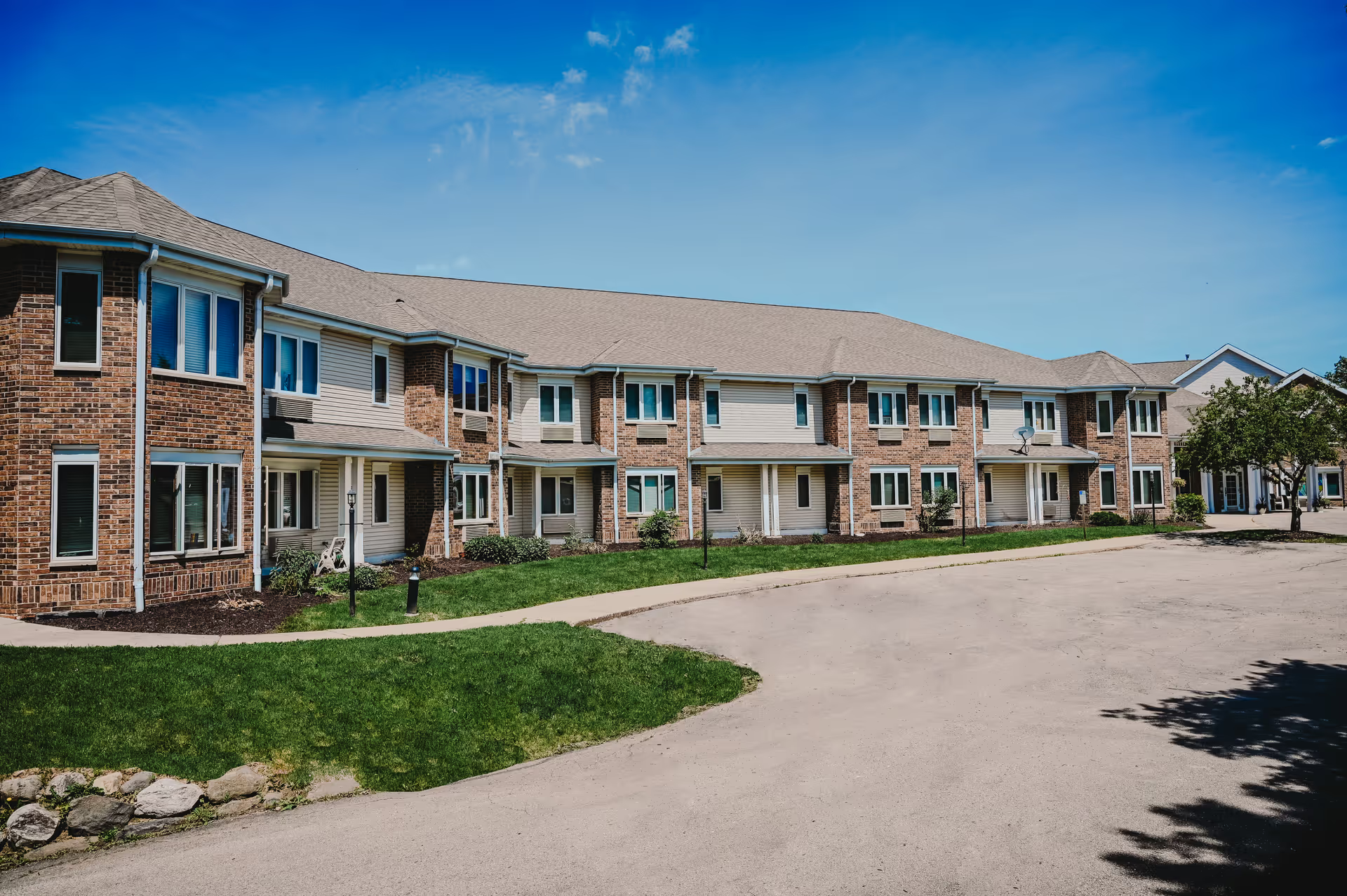
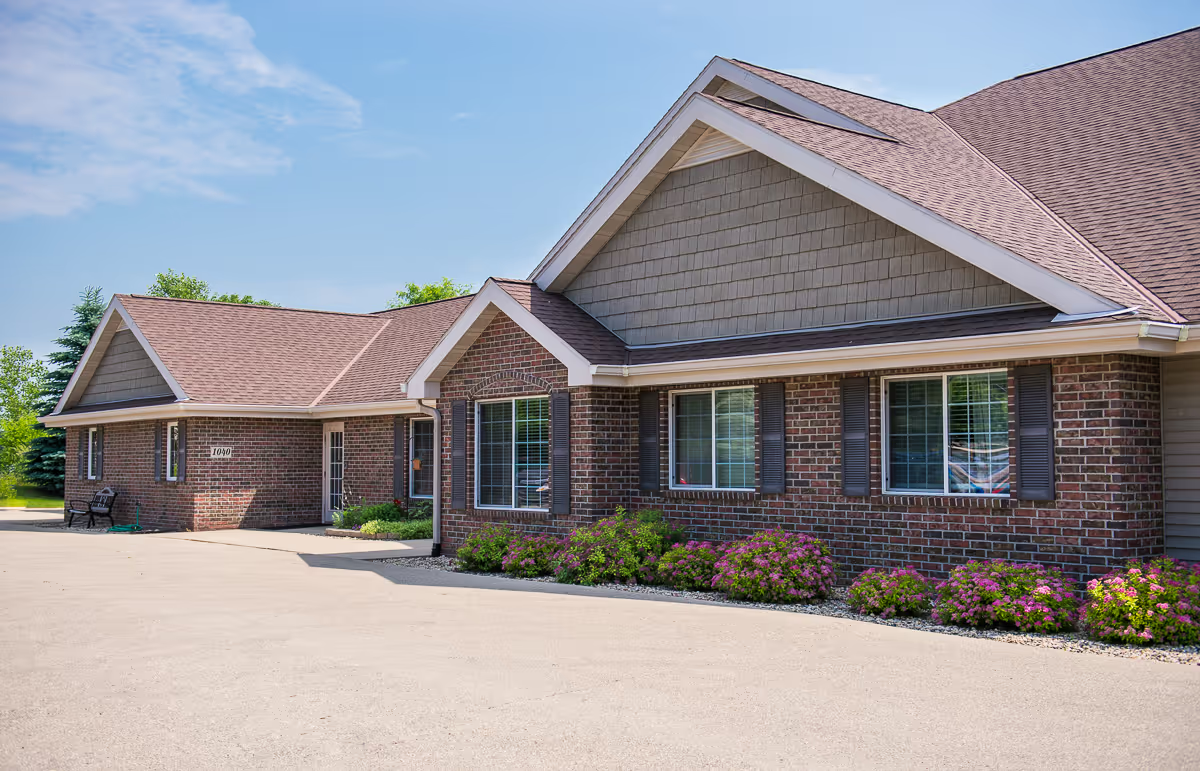
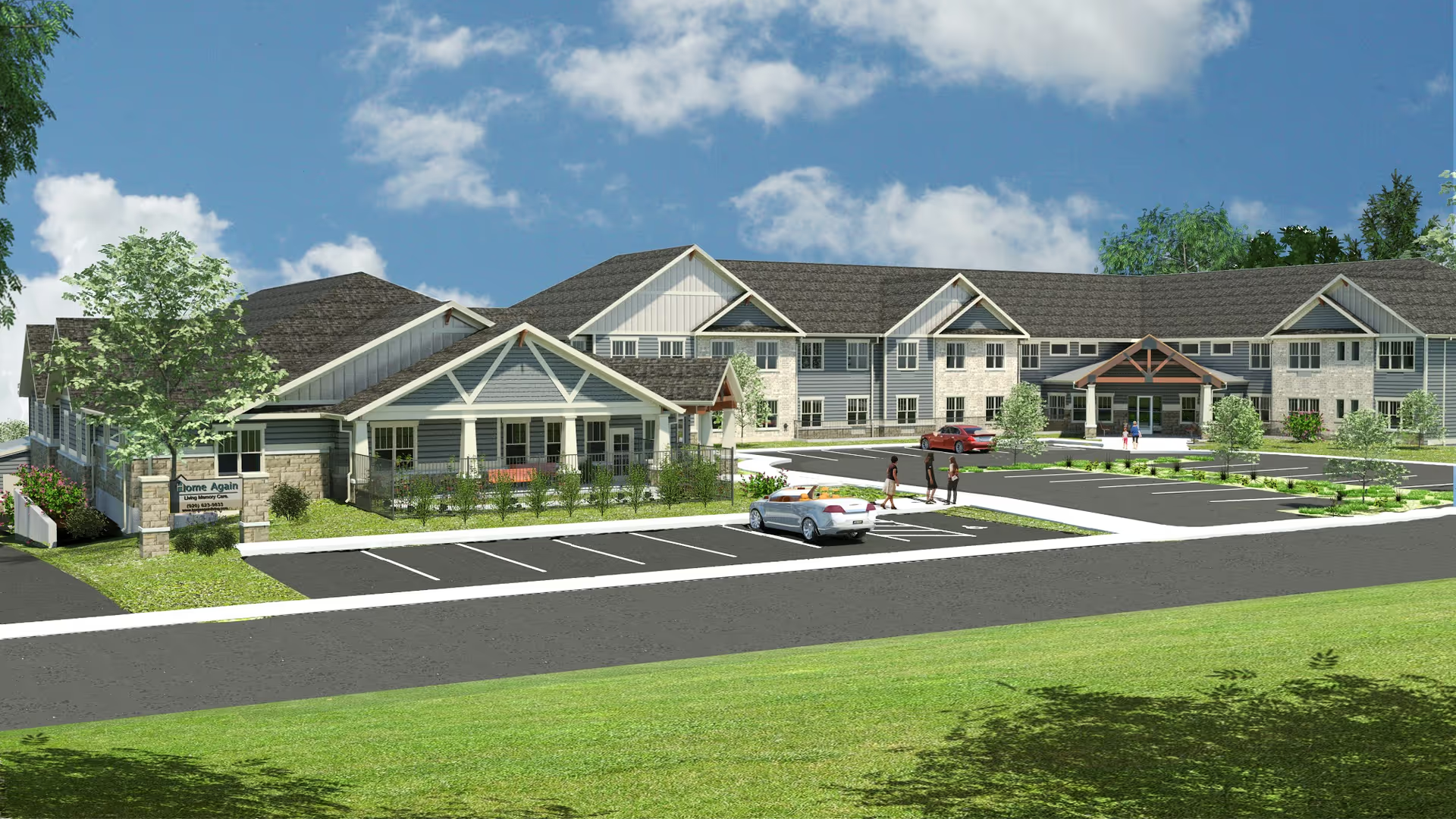
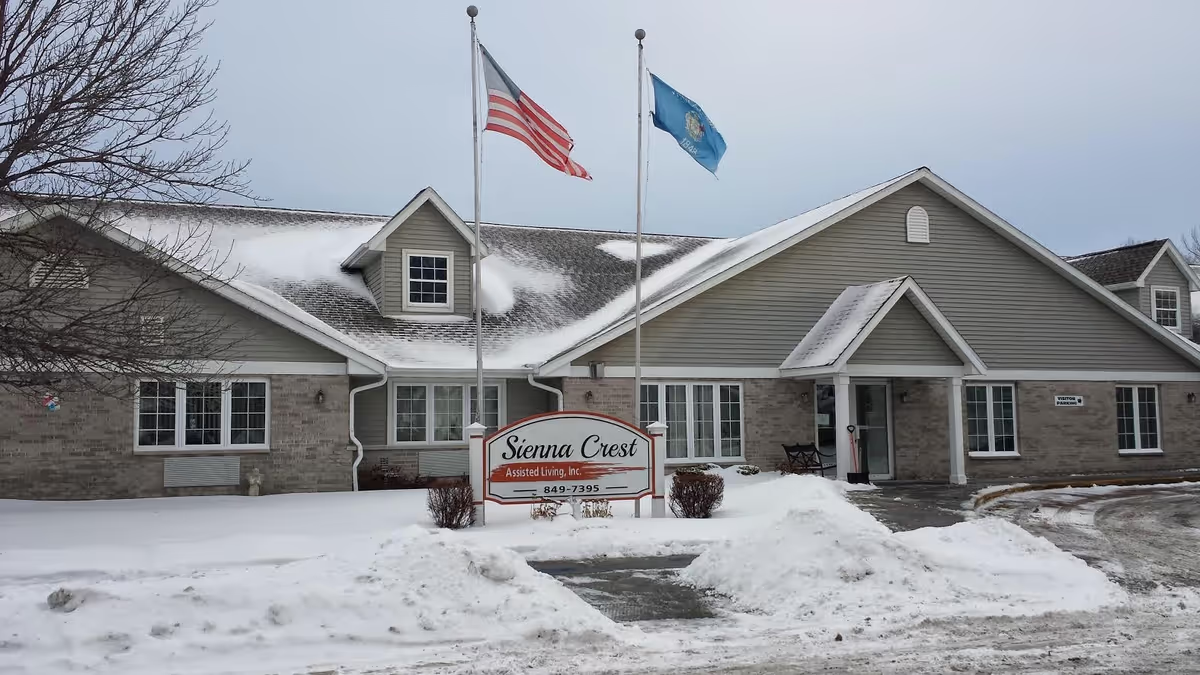
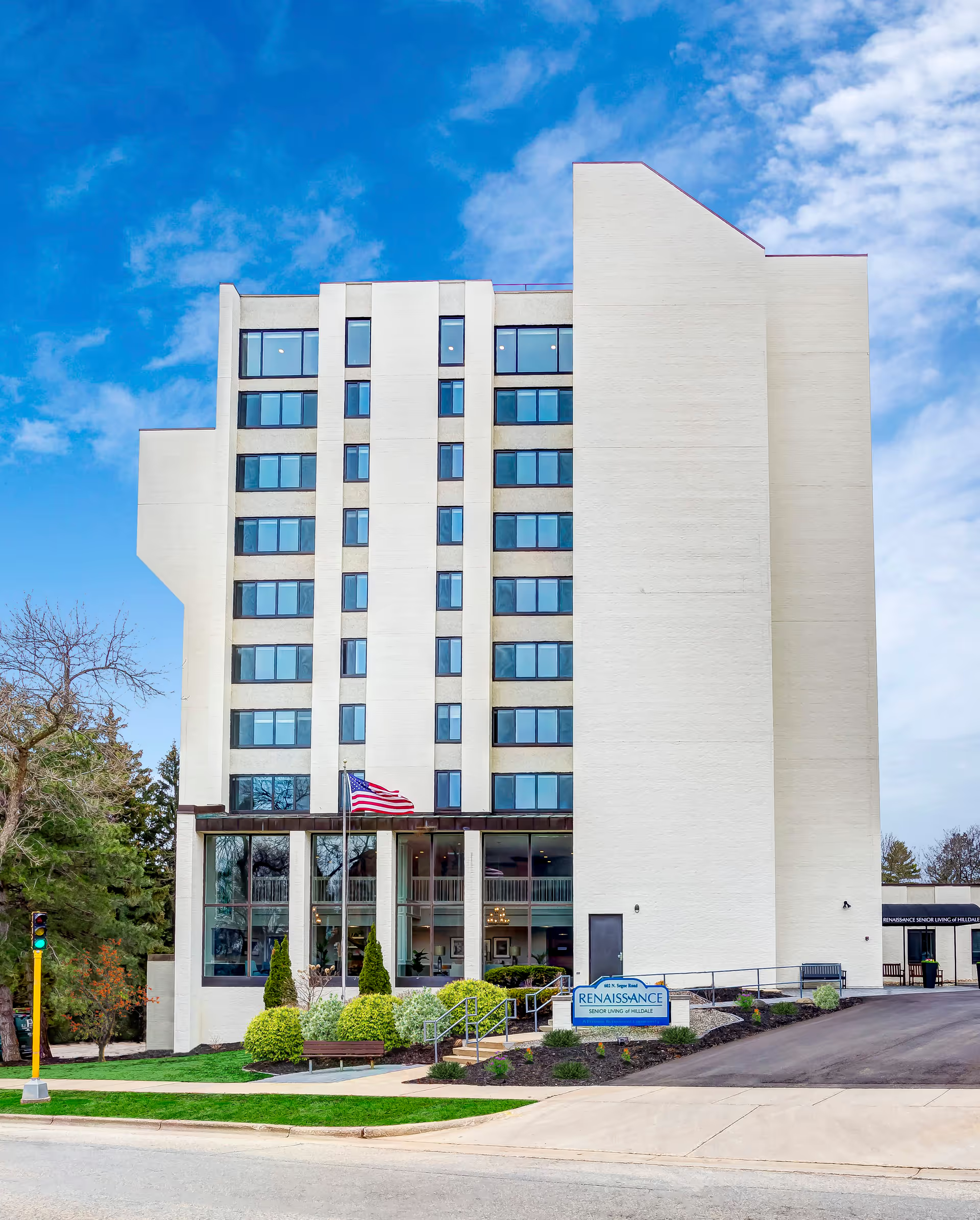
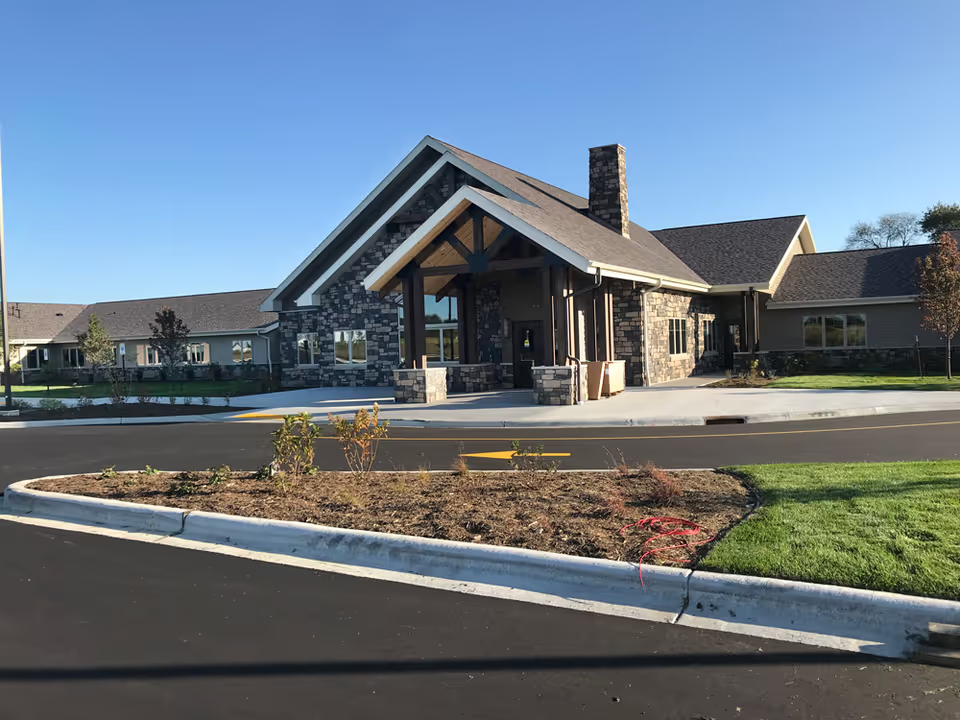
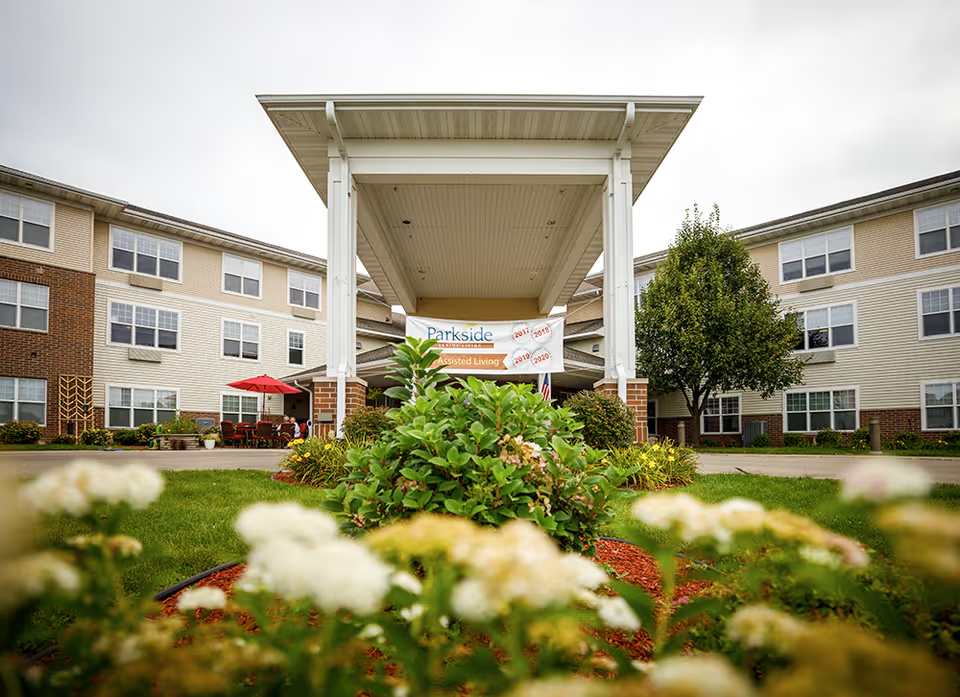
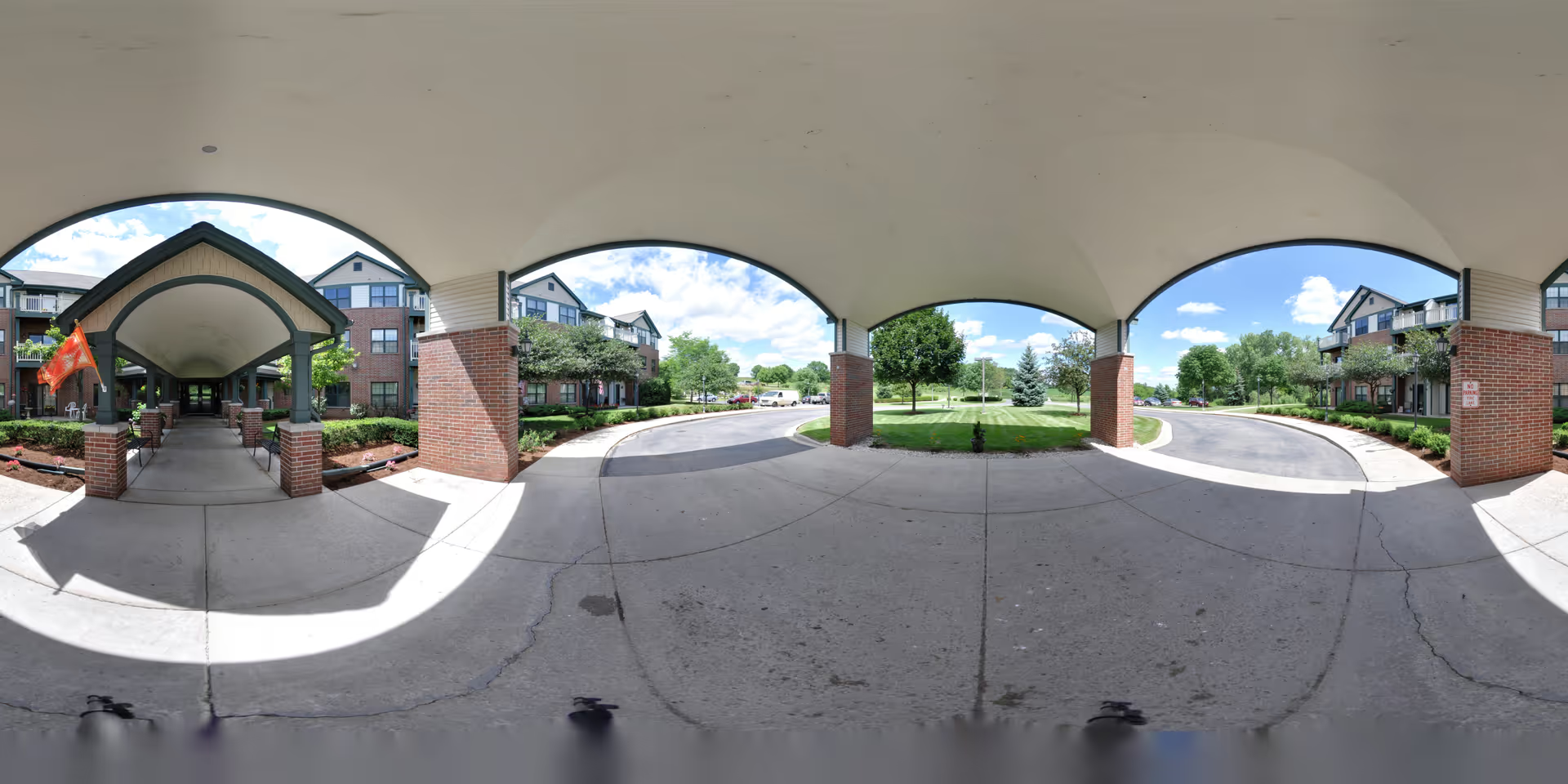
Westshire Village at the Lake is described primarily as an independent-living, life-lease community with condo-style ownership and a maintenance-fee model that replaces separate property taxes. Units are often two-bedroom, two-bath open-plan apartments with sunrooms, in-unit laundry, and periodically updated finishes such as new appliances and carpeting. The campus includes multiple housing types (single-family, ranch-style homes, and apartment buildings), a clubhouse for gatherings, heated underground parking, an on-site beauty shop, and easy access to lakefront walking areas and the adjacent conservancy.
Clinical and care-related offerings are consistent with an independent-living setting: a weekly nurse provides blood-pressure checks and basic wellness monitoring, but reviewers do not describe an on-site medical or skilled-nursing program. Resident-to-staff interactions are generally characterized as friendly and welcoming; many residents report an active social life, morning walks, travel opportunities, and helpful neighbors. Activity infrastructure exists (clubhouse, nature trails, organized outings), though engagement and participation levels vary among residents.
Facility quality is mixed in the accounts provided. Several reviewers praise well-kept buildings, pleasant grounds, lake views, and comfortable unit layouts. Others describe recurring maintenance challenges: routine repairs may be provided but response times are sometimes slow, and larger capital projects (for example, roof replacements) are perceived as underfunded or delayed. There are also specific concerns about maintenance staff responsiveness and tone in some interactions; minor issues are noted as being repaired, while major repairs are described as taking longer or being deferred.
Management and financial governance emerge as the most consequential pattern. The life-lease ownership model and the community’s use of maintenance fees are attractive to many residents, but multiple comments raise questions about financial transparency, special assessments, arrears, penalties, and the potential for significant owner liability—some reviewers described outstanding assessments and creditor pressure. Communication from management is described as uneven; several families indicate difficulty obtaining clear answers about assessments, reserve funding, and long-term capital planning. These financial and governance concerns are presented as having direct implications for owners’ equity and the community’s ability to fund major repairs.
Dining-specific information is limited in the available summaries; the presence of social spaces and an active clubhouse suggests community gatherings and events, but prospective residents should confirm meal-service options and schedules directly. Overall, feedback is polarized: many residents and visitors describe Westshire Village as peaceful, well-located, and a good value with a warm, neighborly culture, while others warn of operational weaknesses centered on maintenance responsiveness and financial-management transparency. Prospective residents and families would benefit from focused questions during a tour: request the community’s most recent reserve study and audited financials, ask for a history of special assessments and their causes, clarify maintenance response-time standards and escalation procedures, and speak with current residents about daily life and activity participation to assess fit.