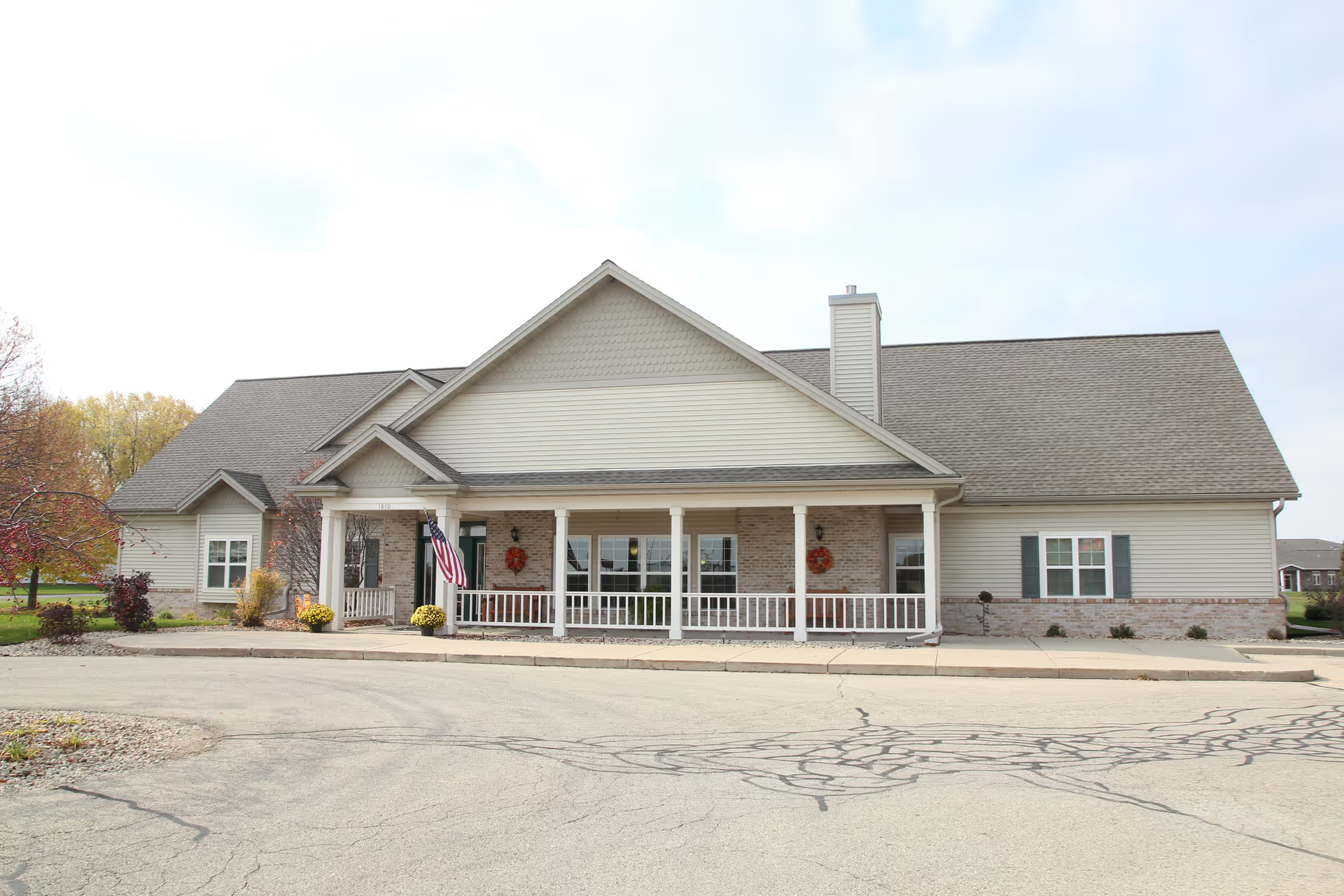
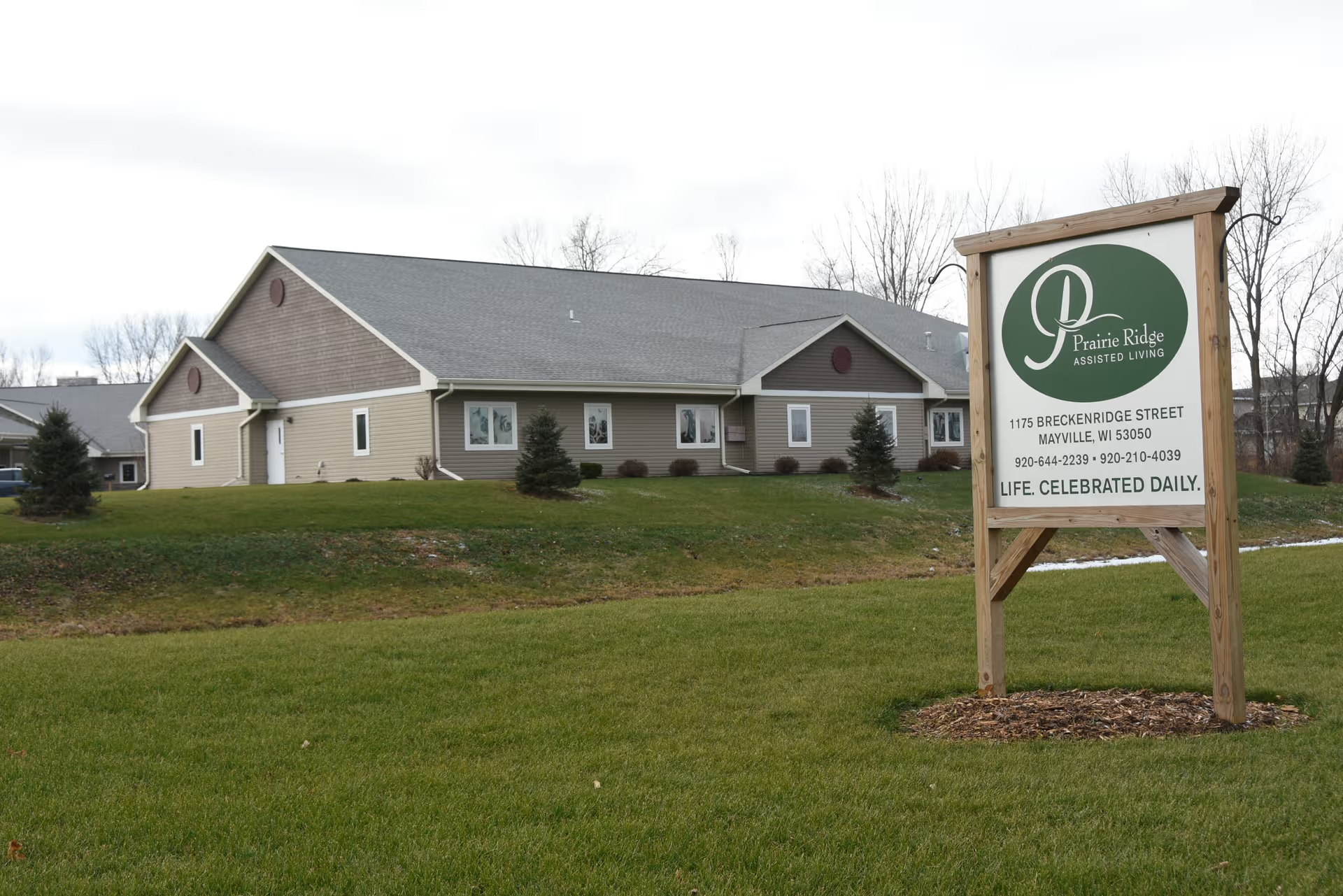
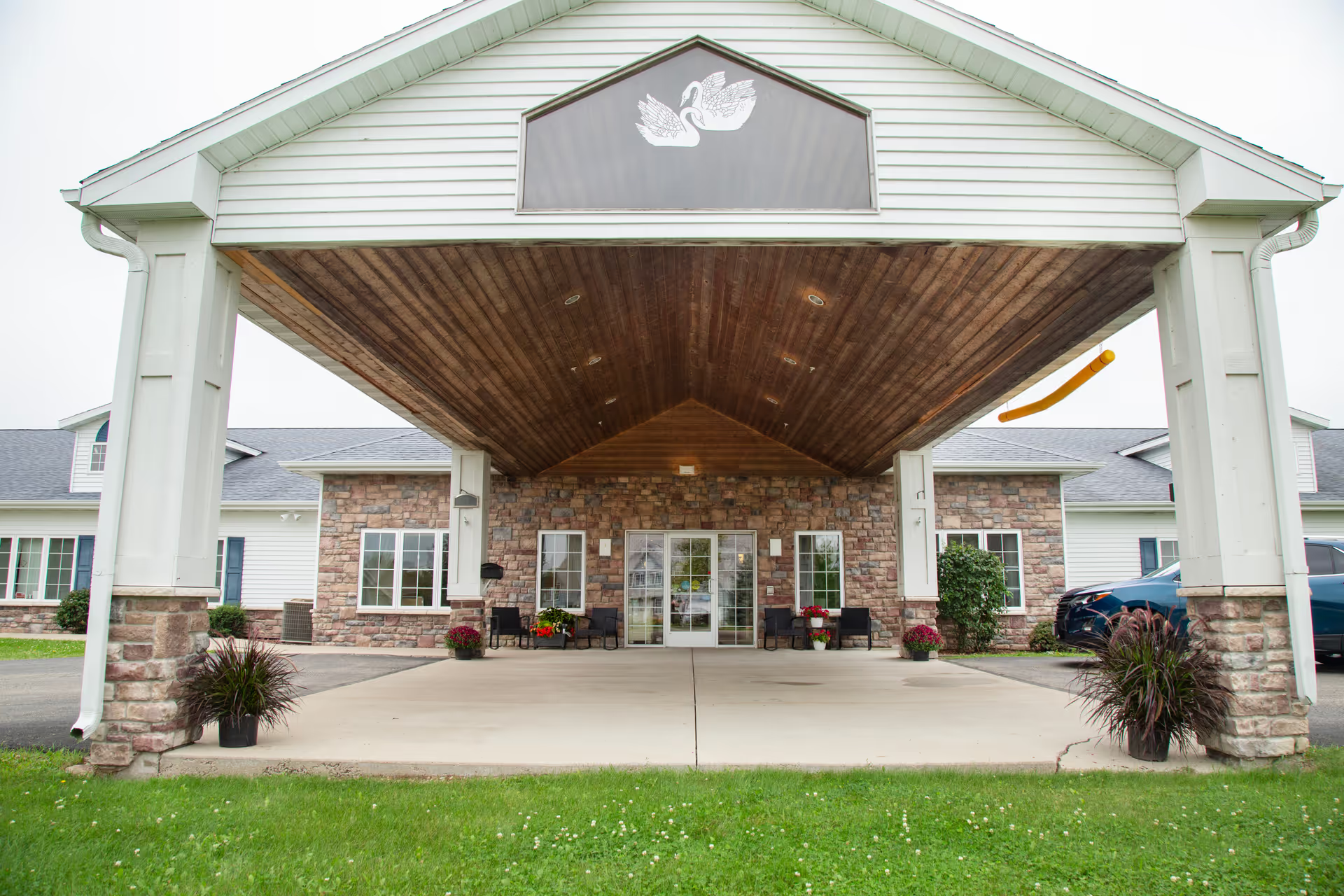
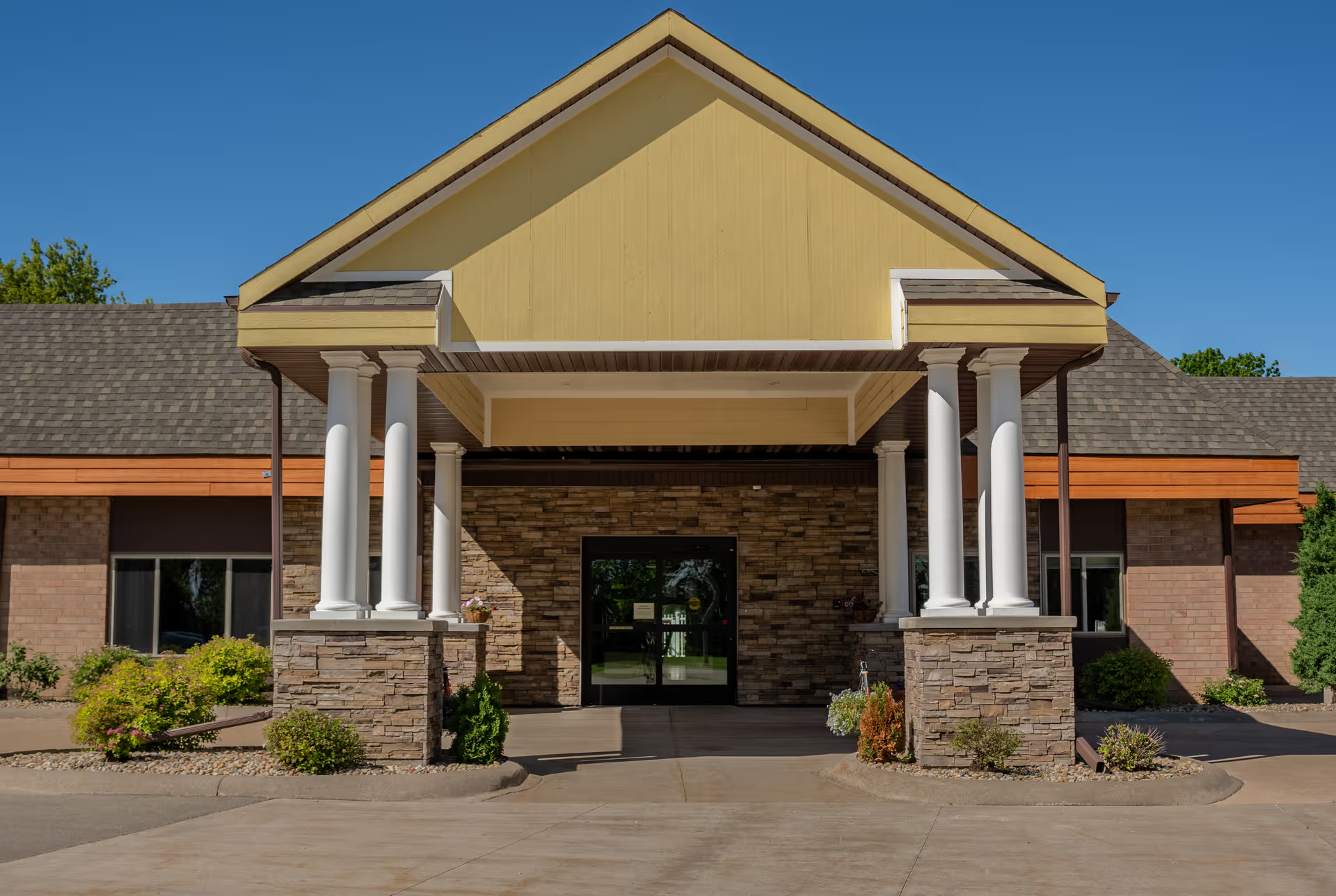
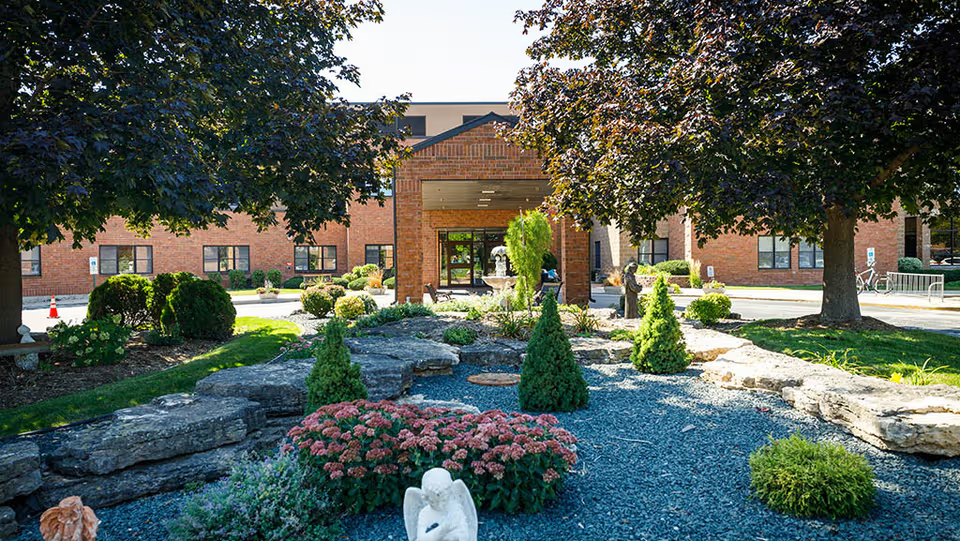
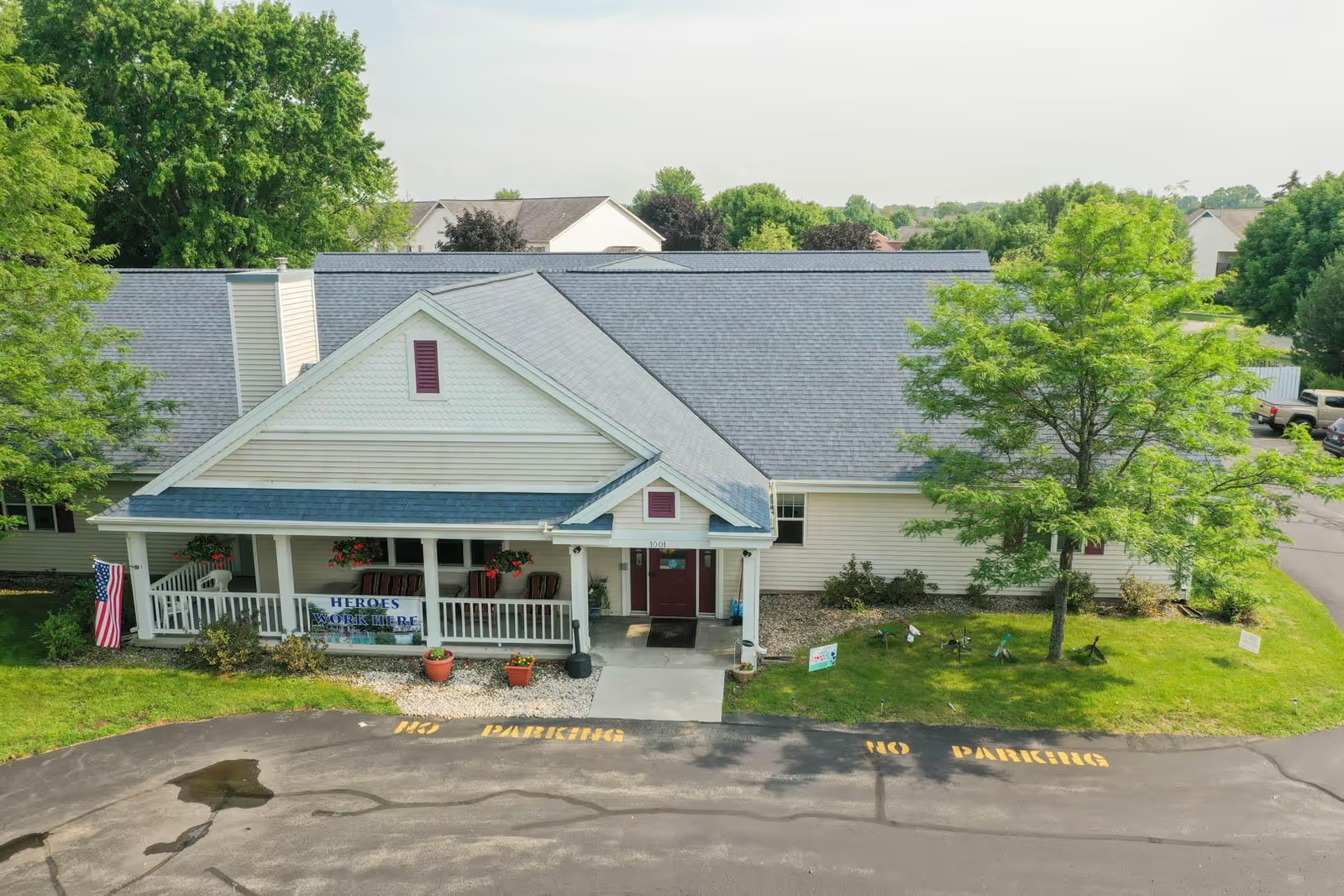
Overall impression: Reviewers present a mixed but predominantly positive view of day-to-day life at Prairie Ridge Assisted Living, with repeated praise for staff demeanor, apartment-style living, cleanliness, and the range of communal spaces. Many accounts emphasize helpful, family-oriented caregivers, timely medication and meal delivery, and a well-kept, home-like environment with sizeable units and wide halls that support visitation and activity programming.
Care and staff: Care quality is commonly described as compassionate and attentive. Families note proactive caregiving, organized office support, and staff teamwork; several reviews single out timely medication administration and consistent meal delivery. Counterbalancing those positives are operational concerns: some reviews raise serious allegations about emergency response, transfer safety, and staff certification. There are also recurring references to inconsistent staff conduct and communication with families. Workforce-management issues — including payroll and scheduling problems and variability in staffing levels — were cited and could affect continuity of care if not addressed.
Dining and activities: The facility offers on-site dietary oversight, daily activities, outings, exercise resources, and continuing healthcare education opportunities. Reviewers describe a fair amount of programming and an active schedule. Dining is characterized as basic with limited meal variety by some, while others praise the food; ancillary services such as an on-site hair salon are available for an additional fee.
Facilities and management: Physical spaces are frequently praised: clean, well-maintained interiors, large rooms, many common areas, and a non-institutional feel. Notable operational limits include the absence of central air in some areas and the fact that Prairie Ridge is an assisted-living provider rather than a full medical or skilled-nursing facility. Management impressions are mixed: several commenters note improvement and positive engagement since PRA Living assumed operations, while others express concerns about transparency and honesty in communications.
Notable patterns and considerations: The strongest and most consistent positives relate to staff attitude, cleanliness, and the living environment. The most significant recurring risks center on emergency procedures, staff training and certification, workforce-management reliability, and limits to clinical capability. Prospective residents and families should weigh the facility’s strong social and environmental attributes against these operational considerations and verify up-to-date information on emergency protocols, staff credentials, staffing levels, fee structures, and clinical scope of services before making a placement decision.