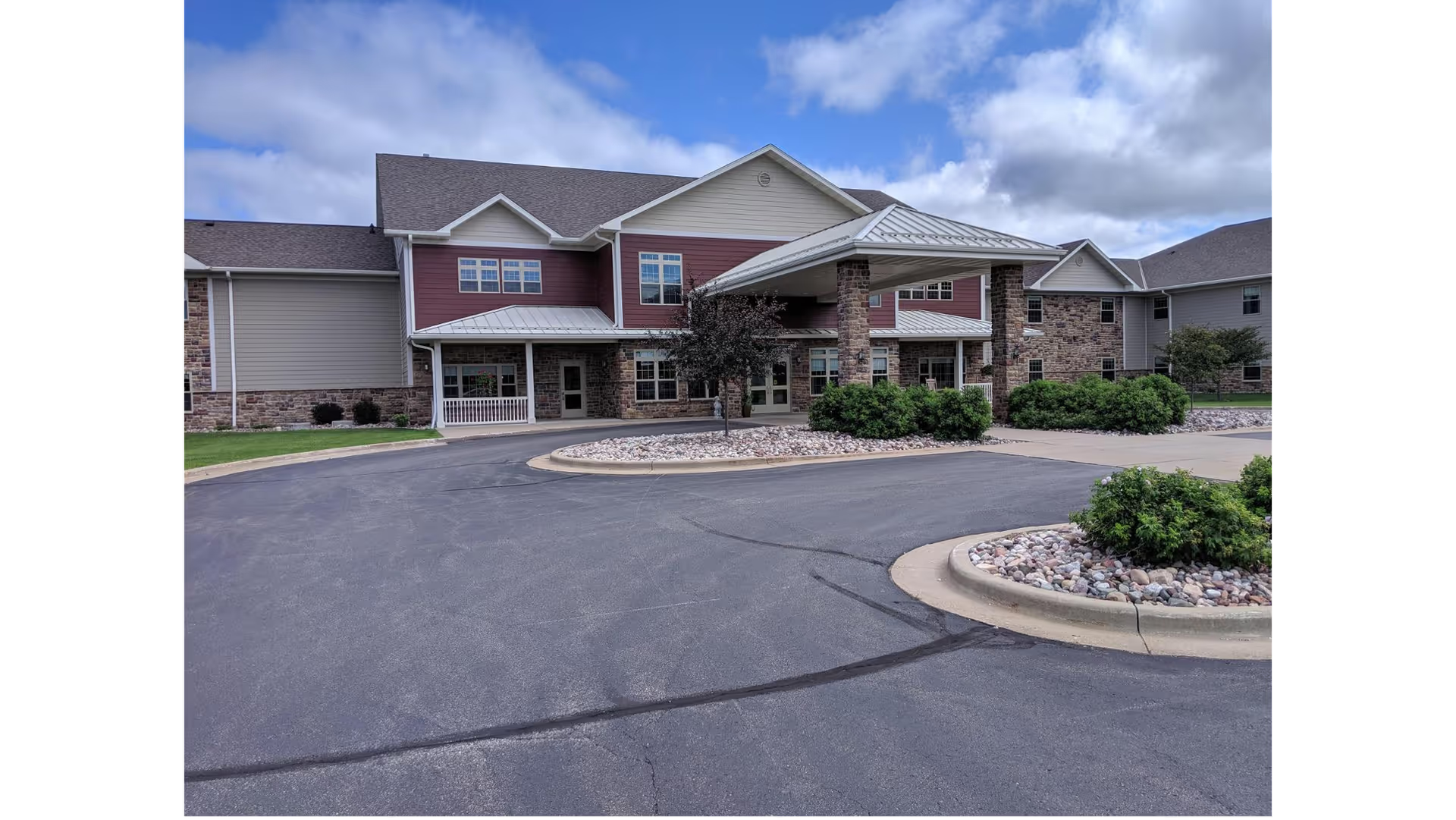
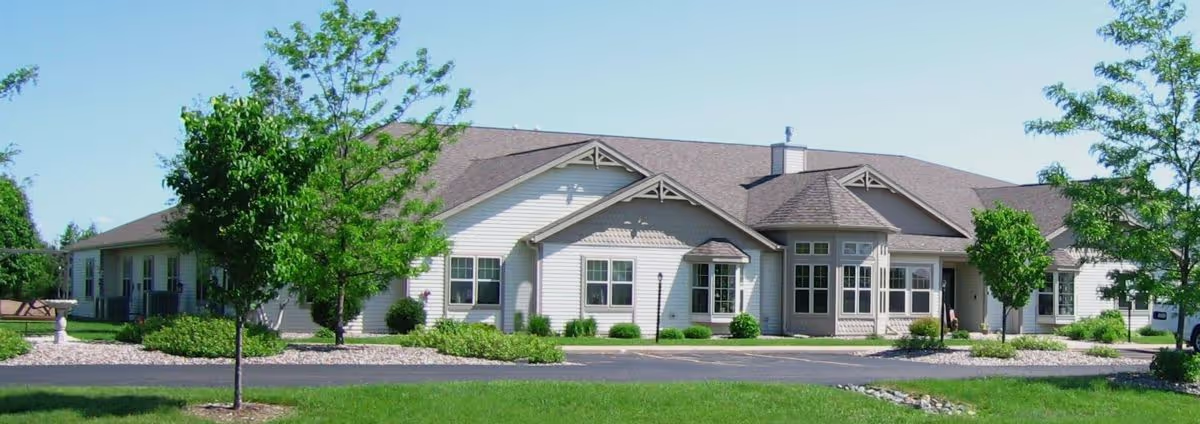
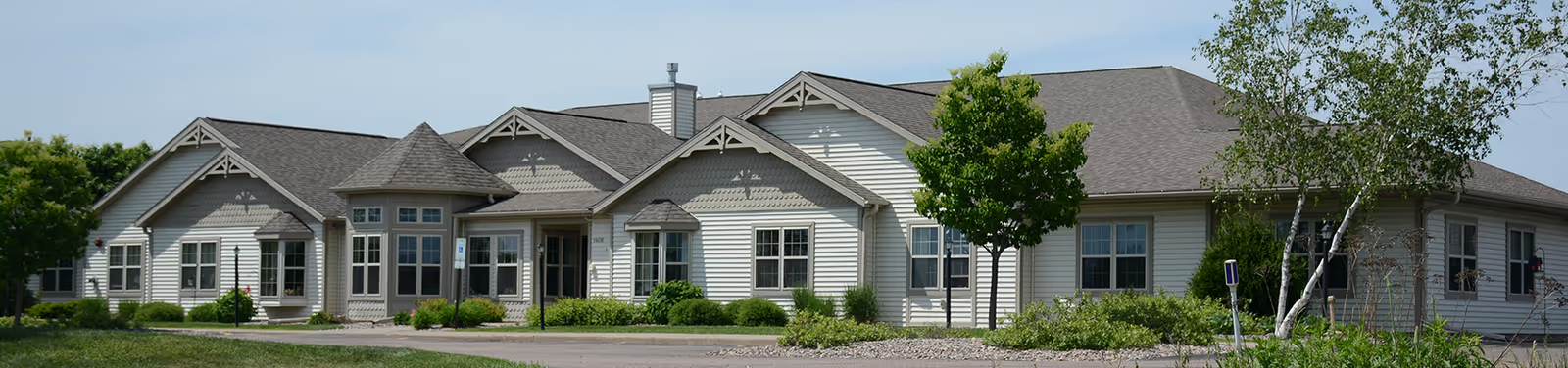
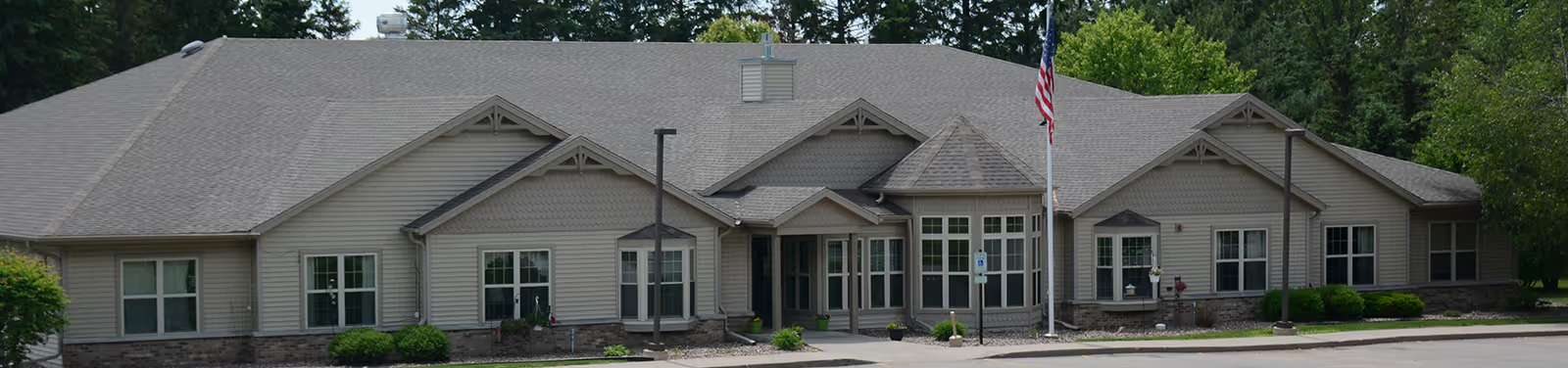
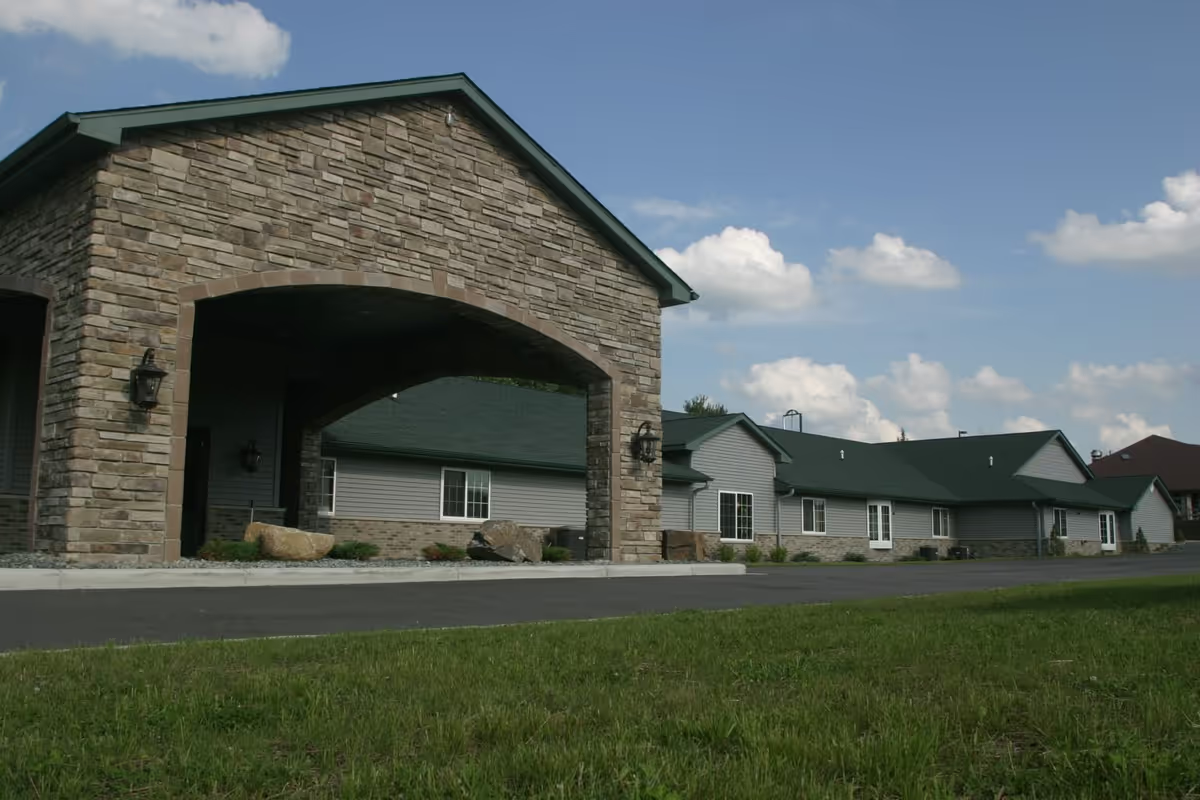
Applegate Terrace presents a mix of strengths and operational challenges. Physically the community is often described as clean, well-kept, and appealing — with spacious two‑bedroom apartments that include kitchens, pleasant dining areas, and scenic tree and mountain views. On-site amenities such as an exercise room and scheduled transportation for short trips and bus lunches support resident mobility and engagement. Included services noted by families include housekeeping, laundry, room maintenance, and three meals a day plus snacks and beverages.
Staff and clinical leadership receive consistent praise at the supervisory level: several families singled out a responsive manager and nursing leadership as positive influences. Many reviewers described staff as friendly, helpful, and educated, and noted instances where workers went above and beyond routine duties. At the same time, comments indicate variability in frontline staffing. This manifests as delays in attending to residents and uneven care quality across shifts, which suggests staffing consistency and shift coverage may be a systemic concern rather than isolated occurrences.
Dining impressions are mixed. Some families praised nutritious meals and good presentation, while others described meals as overprocessed, poorly heated, or bland and noted inconsistent presentation at different times. That pattern points to variability in kitchen execution and meal-service continuity rather than the absence of a dining program. The dining room itself and some meal experiences were described positively, but prospective residents should expect variable food quality depending on timing and staffing.
Activities and social life are generally viewed as a strength for some residents: card games, bingo, exercise classes, and organized outings have improved social engagement for people who take part. However, a subset of comments described limited activity engagement or a lack of consistent programming for residents with different needs or mobility levels. This suggests programming may be effective for some interests and schedules but not uniformly accessible to all residents.
Administrative issues surfaced in several areas: intake and transition processes were described as disorganized by some families, and there were examples of billing delays and unexpected charges that point to an opaque reconciliation process. Combined with the staffing variability and the identified gaps in incident response and monitoring, these administrative patterns can affect family confidence during transitions and when clinical issues arise.
In summary, Applegate Terrace offers a strong physical environment, comfortable apartments, useful amenities, and visible managerial and nursing leadership. The primary considerations for prospective residents and families are operational: inconsistent meal service, variability in staffing and frontline care responsiveness, gaps in clinical-incident monitoring, and occasional administrative/billing disorganization. Those evaluating the community should tour multiple meal times, ask about staffing levels and incident-response protocols, and request clear written billing and intake procedures to assess fit relative to care needs and expectations.