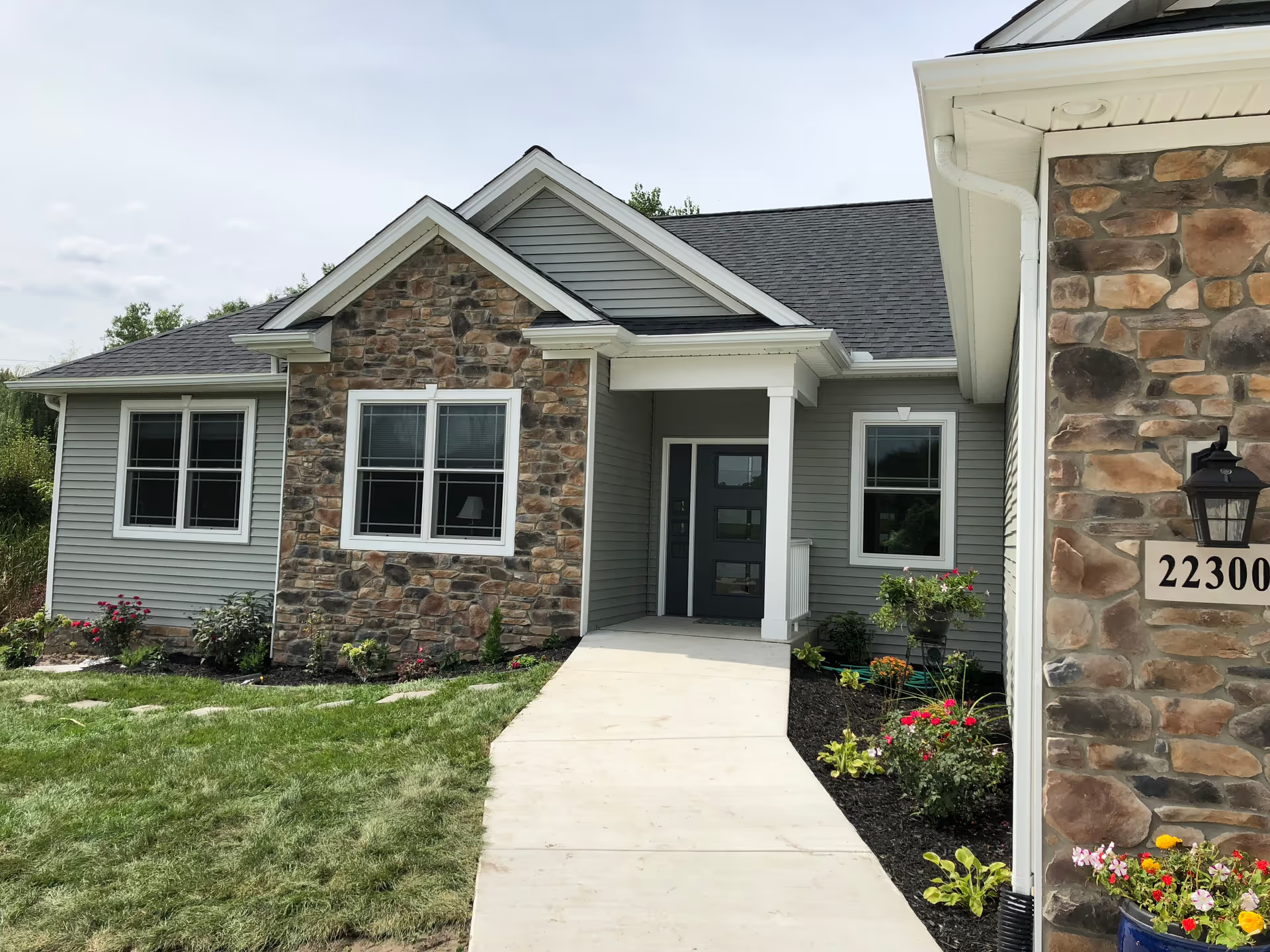
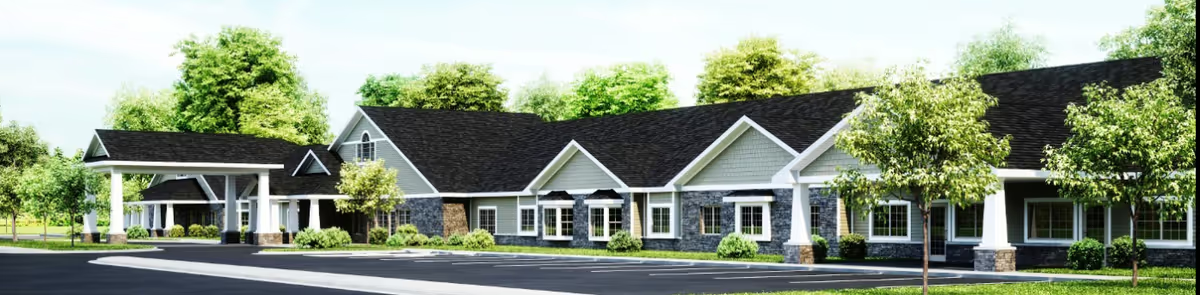
The reviews describe a facility that presents a strong home-like, small-community atmosphere with consistently noted strengths in cleanliness, a welcoming ambiance, and warm staff interactions. Many family members and residents convey that the owners are accessible and that the setting feels intimate and familial; the small capacity is repeatedly associated with more individualized attention and a positive resident mood. Safety devices such as buzzers are present and contribute to an overall sense of security.
At the same time, the facility shows operational gaps that prospective families should evaluate closely. Dining quality and the characterization of meal preparation are inconsistent: some accounts describe average or acceptable meals, while others raise concerns about the quality and presentation of food and whether meals match how they were advertised. Relatedly, reviewers have raised issues around sanitation and incontinence care that suggest variability in daily personal-care practices and housekeeping routines.
Clinical and staffing issues are a central pattern in the negative feedback. Several reviewers indicate an absence of on-site nursing coverage and describe reliance on external emergency services for acute medical needs; this points to limited on-site clinical oversight and potential gaps in medication/medical management. There are also comments about uneven staff training and variability in staff conduct and responsiveness, as well as concerns about management accountability and the tone of communication from leadership. Questions about physician oversight and medical decision-making were also raised and merit direct clarification from the provider.
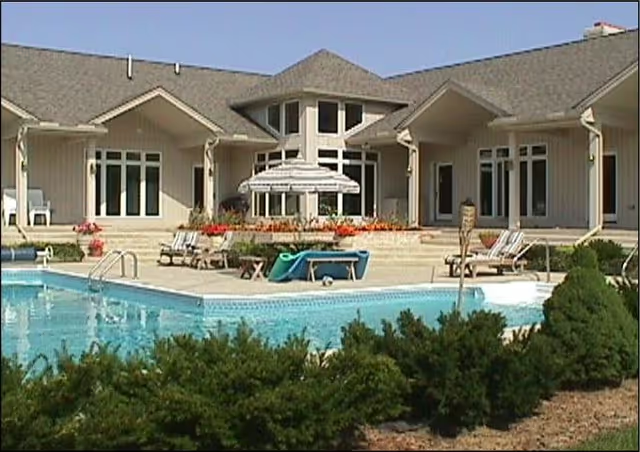
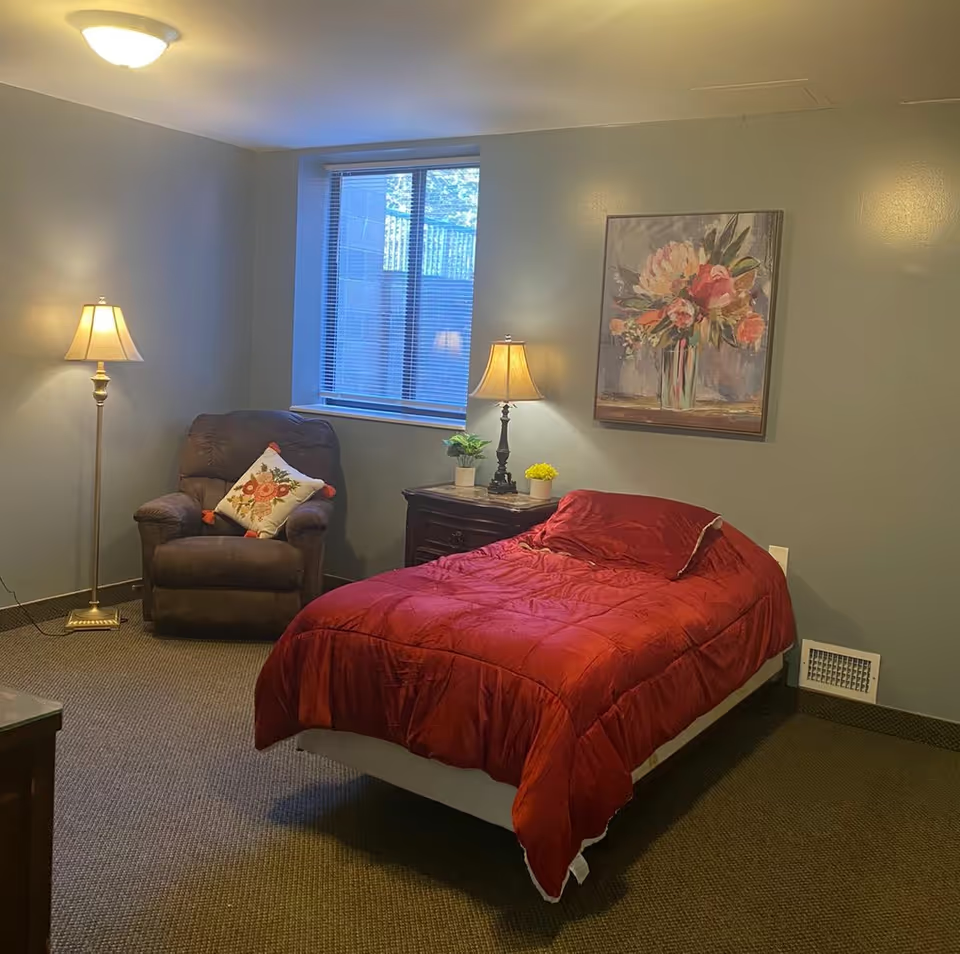
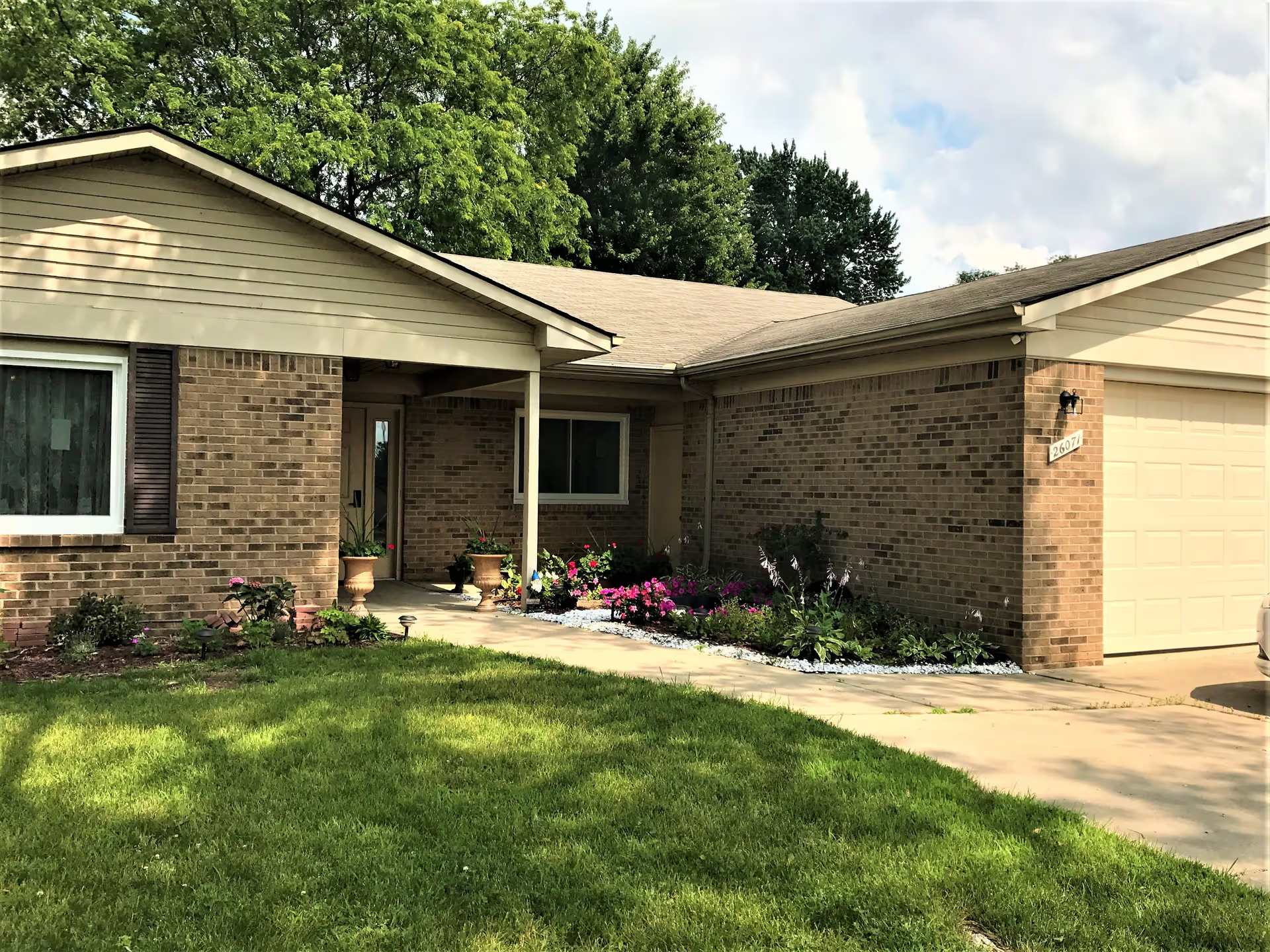
Facilities and logistics otherwise score well for a smaller assisted-living model: the building is described as clean and well-kept, the environment welcoming, and the small size supports social engagement for some residents. Practical limitations include constrained parking and the trade-offs that come with a small residential setting (for example, fewer on-site clinical resources and potentially more limited programming compared with larger communities).
For families considering this community, recommended due diligence includes confirming current on-site clinical staffing and nursing coverage, asking about staff training and supervision protocols, reviewing dining menus and sample meals, and inquiring about incontinence-care procedures and sanitation checks. Also verify emergency-response procedures, medication-management practices, and how management communicates with families during incidents. Balancing the clearly described strengths in atmosphere and personalized attention against the operational and clinical concerns will help determine if the facility’s model aligns with a prospective resident’s care needs.