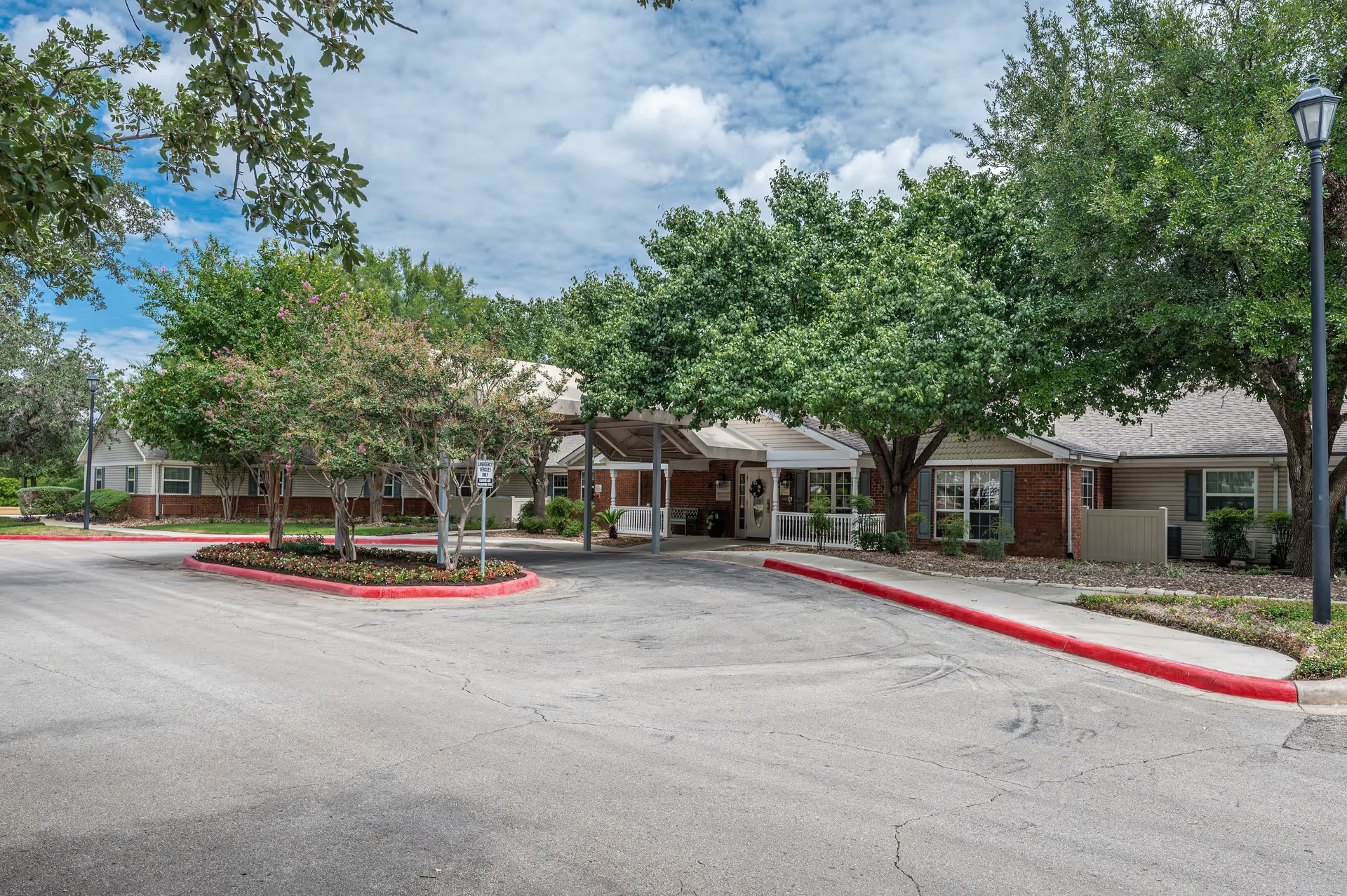
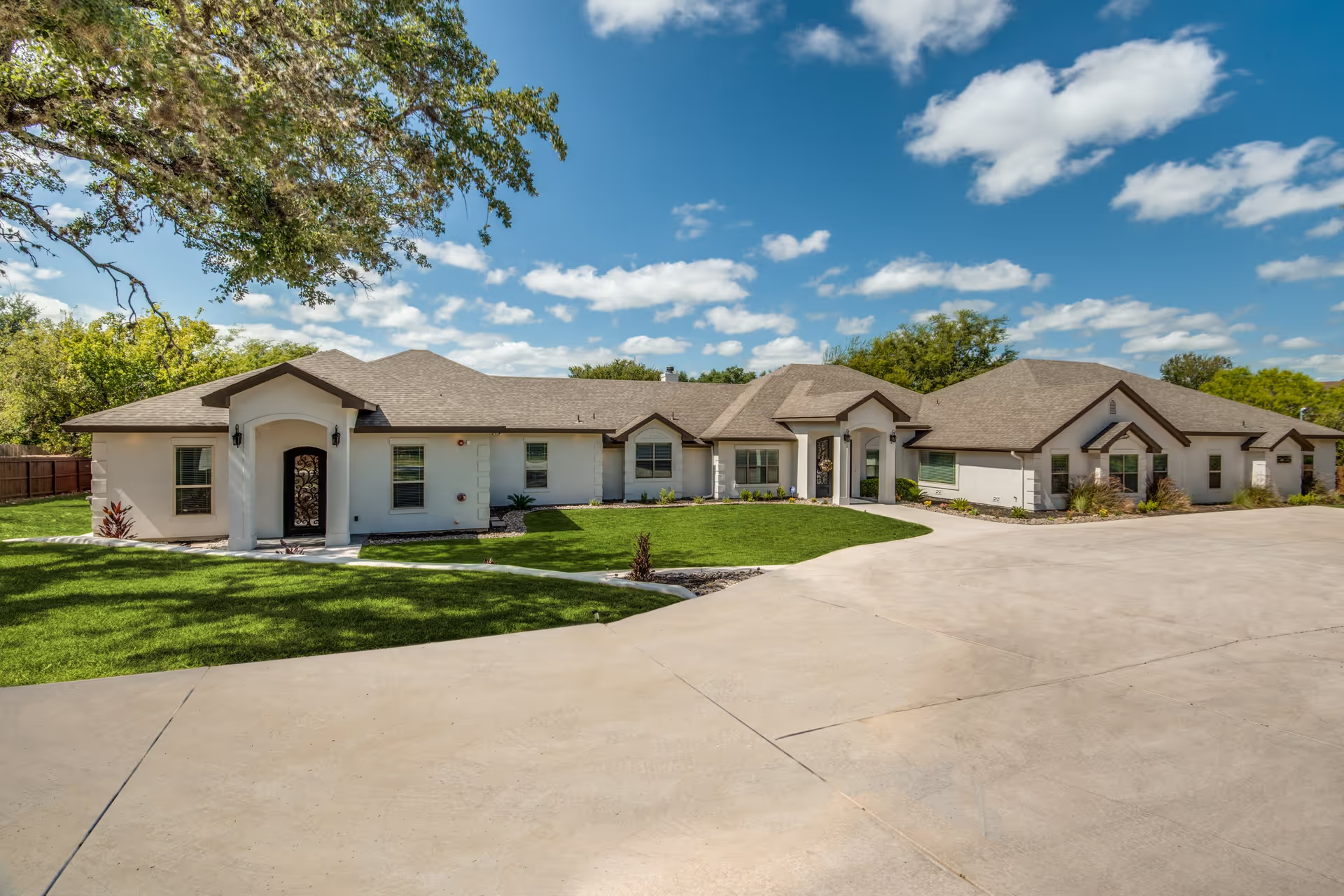
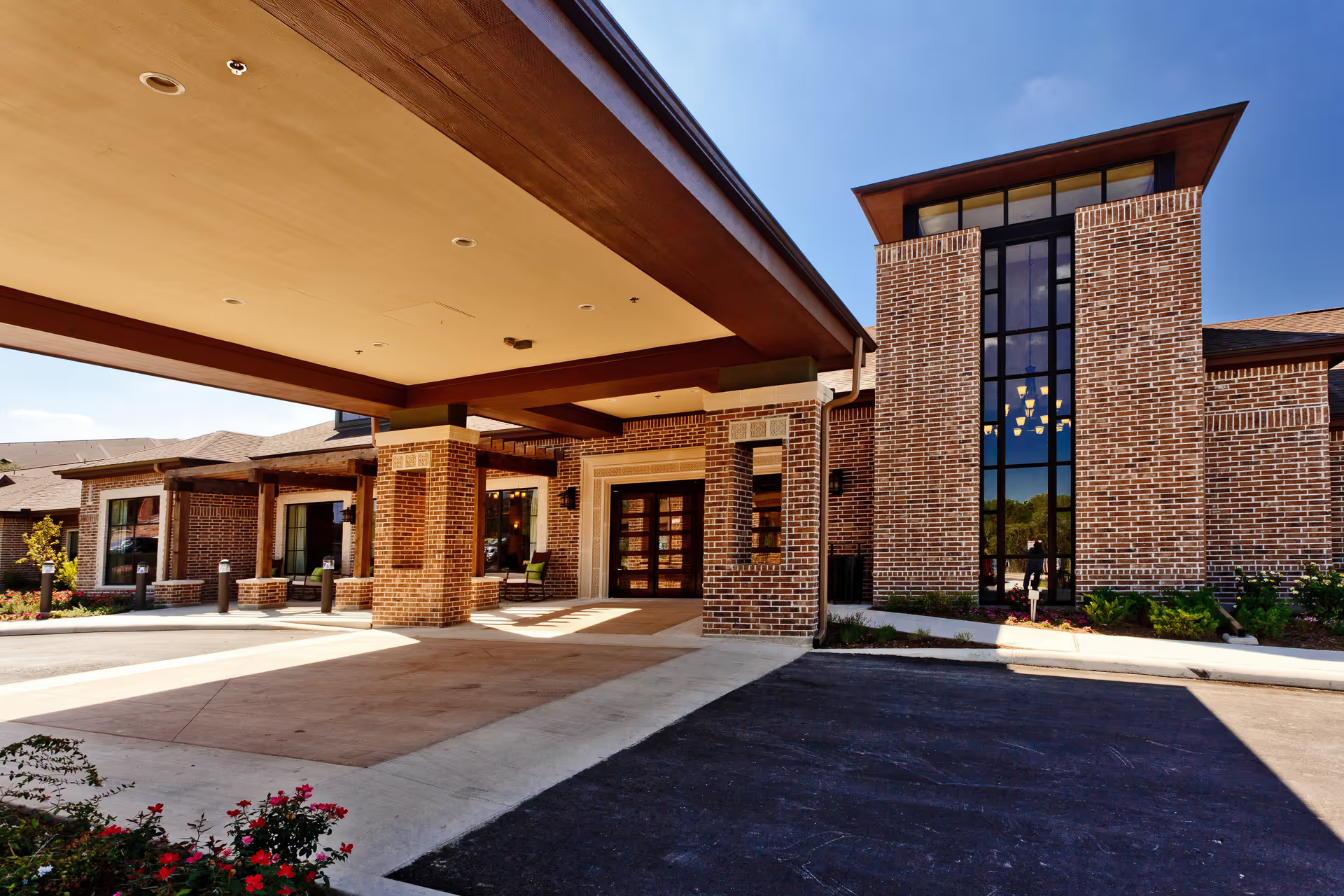
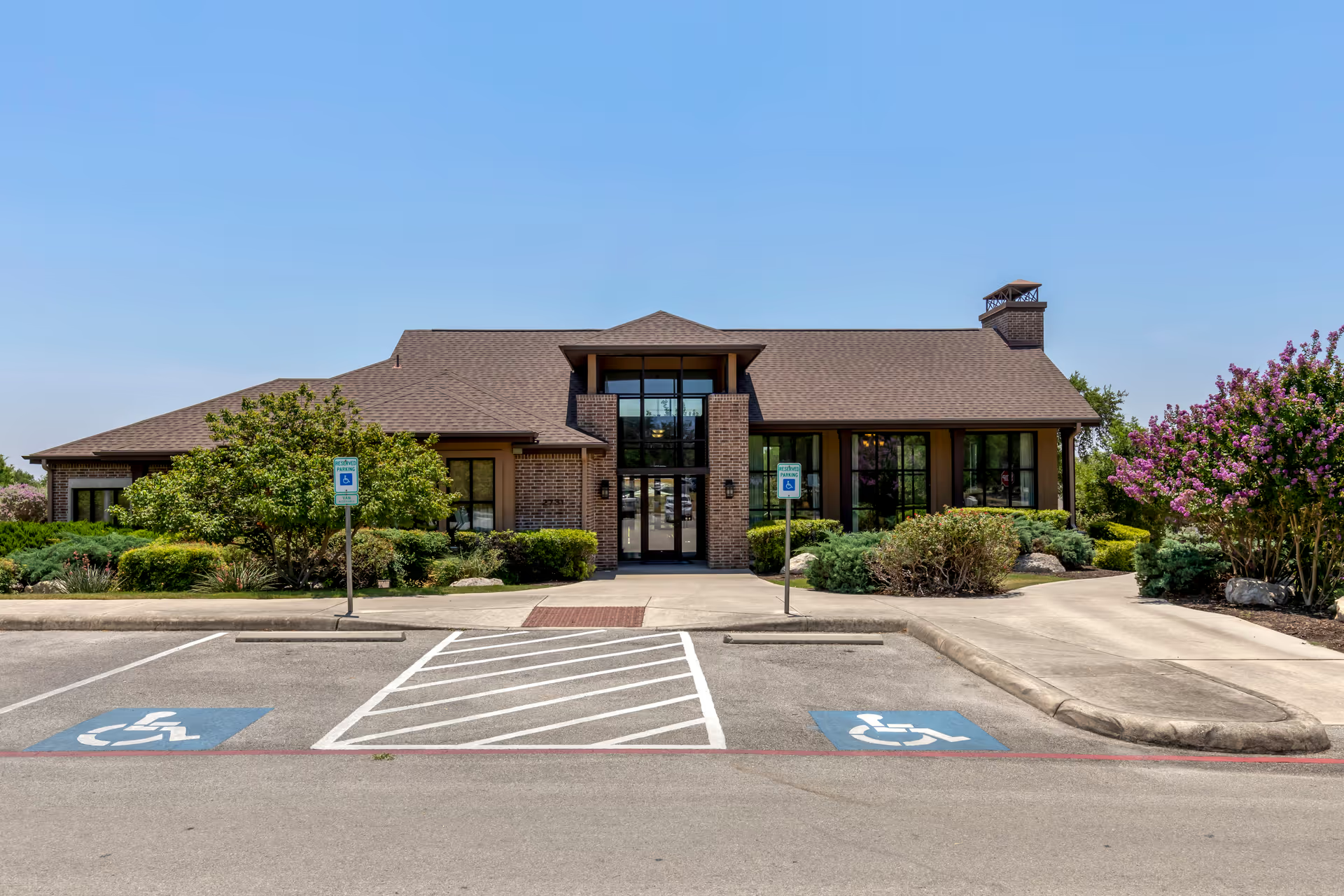
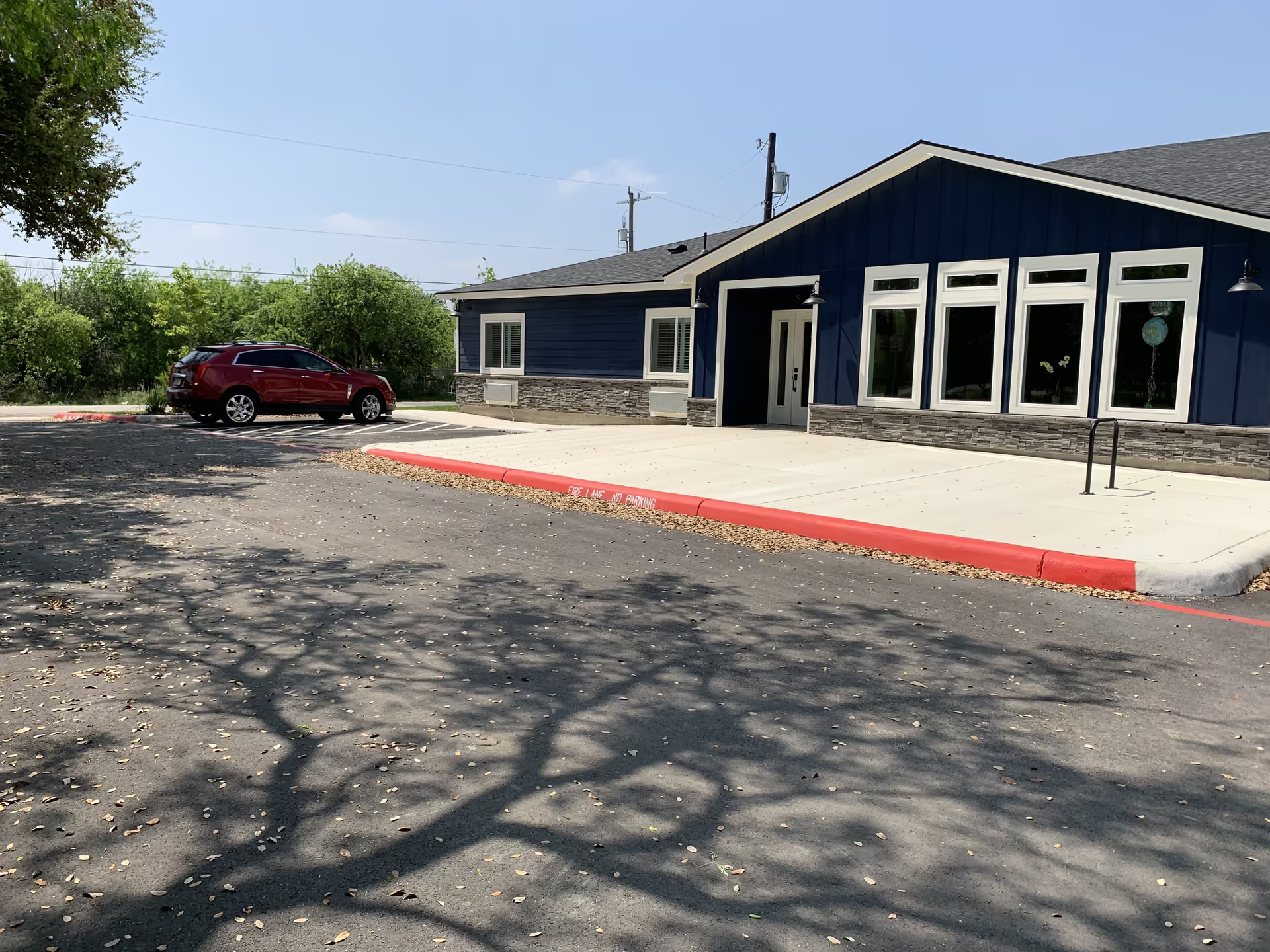
Senior Haven Assisted Living is described by many families as a small, home-like assisted living option with strengths in personalized attention and an engaged owner/director. Owners and administrative staff are frequently characterized as accessible and communicative, and several families praised the director by name for responsiveness and follow-through. The facility's layout and cleanliness were commonly noted as positive attributes, and a number of reviewers described the atmosphere as welcoming and calm.
Care quality is a prominent mixed theme. Many accounts highlight compassionate, attentive caregiving — assistance with bathing, grooming, and daily living, regular clinical checks such as twice-daily vitals, and daily resident logs that support continuity. Several family members described clear nurse communication and prompt answers to clinical questions. However, other families described lapses that point to inconsistent clinical controls, including concerns about medication-management practices. These contrasting accounts suggest that care quality can be reliable at times but may vary by staff, shift, or resident needs; prospective families should ask specific questions about medication protocols, staff training, and clinical oversight.
Staff and management receive frequent positive mention for being personable, informative on tours, and available to families. The owner/director’s hands-on involvement is a recurring strength. At the same time, reviewers noted operational weaknesses such as delayed door responses, uneven staff responsiveness across shifts, and unclear expectations about family involvement. There is also at least one mention of an external clinical arrangement that families may wish to clarify; prospective families should review any third-party clinical relationships and how they integrate with on-site care.
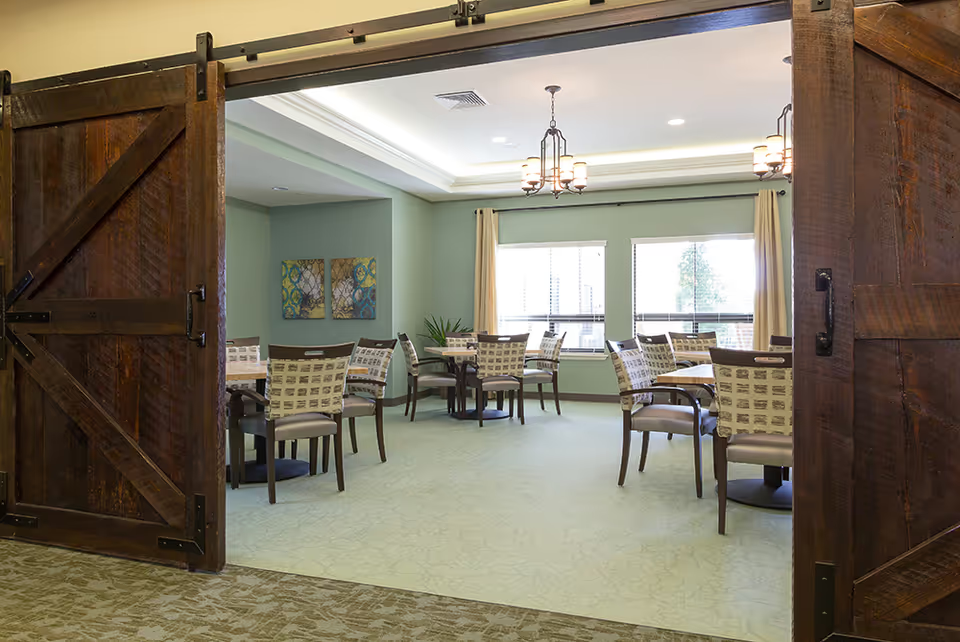
Dining and social programming show variability. Some residents were described as eating well and enjoying meals, while other accounts described poor food quality. Activity offerings appear limited in scope in some evaluations; several reviewers described a less-engaging social environment consistent with the facility’s small-home model. If structured programs and consistent dining quality are important, ask for sample menus, a weekly activity schedule, and opportunities to observe mealtimes and activities during a visit.
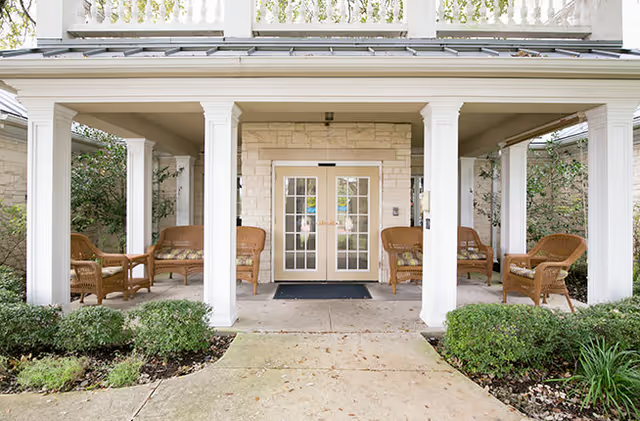
Facility amenities and physical conditions earned mixed notes. Many reviewers praised a clean, well-kept interior and a layout that feels residential rather than institutional. Concerns were raised about privacy and space in shared rooms (beds placed close together) and occasional sanitation or environmental issues in parts of the home. Some families also noted administrative lapses such as missing welcome materials. Cost is another recurrent theme: some families find the pricing appropriate and appreciate all-inclusive billing, while others perceive the cost as high relative to the level of services received.
Overall, the pattern is one of a small assisted-living home that works very well for many residents — particularly those who value a personal, family-style environment and a connected owner/director — but that has variability in operational consistency. Prospective residents and families would benefit from an in-person tour, meeting the director and primary caregivers, reviewing medication and clinical oversight procedures, sampling meals, inspecting room size and layout, and clarifying billing, hospice relationships, and family-visitation or involvement policies before making a placement decision.